
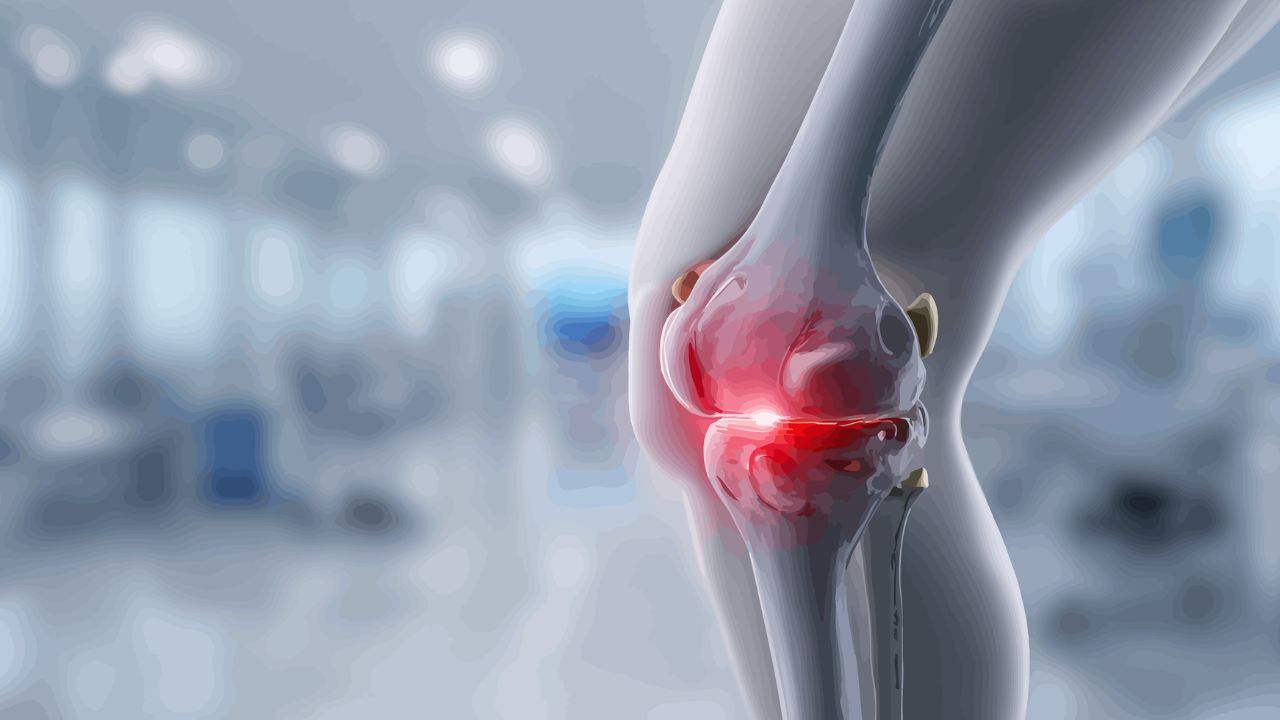
“Can PRP regrow cartilage?” This question drives thousands of people with arthritis to research platelet-rich plasma therapy each month. Marketing claims promise cartilage regeneration. The reality is more nuanced.
PRP therapy demonstrates significant pain reduction and functional improvement in appropriately selected patients. However, the scientific evidence for true structural regeneration, the kind visible on MRI scans, tells a different story than many clinics advertise.
This article examines what science says about PRP and cartilage regrowth. We’ll review clinical evidence, explain why symptoms can improve without structural regeneration, identify which patients benefit most, and establish realistic expectations. Understanding these distinctions helps patients decide whether regenerative medicine makes sense for their situation.
Key Takeaways
- PRP does not regrow hyaline cartilage visible on imaging (0-5% change)
- 60-85% achieve significant symptom relief lasting 6-12 months
- Early-stage disease responds far better than advanced arthritis
- PRP quality varies dramatically; preparation methods affect outcomes
- Success requires realistic expectations: pain management, not structural regeneration
What Is PRP, And Why Is It Used For Cartilage-Related Joint Problems?
PRP concentrates your body’s healing components to target damaged joint tissue without surgery or pharmaceutical drugs.
What Is Platelet-Rich Plasma?
PRP is autologous blood concentrated through centrifugation. The process isolates platelets from your blood sample, creating a concentrate with 2-6 times baseline platelet count packed with growth factors that stimulate tissue repair.
What Is Inside PRP That Could Affect Cartilage And Joint Tissues?
- Platelets that release growth factors (PDGF, TGF-β, VEGF, IGF-1)
- Plasma with healing proteins and clotting factors
- Growth factors that stimulate cell reproduction
- Leukocytes (varies by preparation method)
- Anti-inflammatory cytokines (can increase 5-fold)
What Cartilage-Related Conditions Commonly Lead People To Ask About PRP?
- Knee osteoarthritis (early to moderate, KL grades I-III)
- Hip and ankle joint degeneration
- Focal cartilage injuries from sports trauma
- Chronic joint pain unresponsive to conservative treatments
How Is PRP Different From Steroid Injections and Hyaluronic Acid?
| Treatment | Main Goal | Onset Pattern | Duration Pattern |
| PRP | Stimulate tissue repair | Gradual (4-6 weeks) | 6-12 months |
| Corticosteroid | Rapid inflammation suppression | Rapid (days) | Weeks to months |
| Hyaluronic Acid | Joint lubrication | Gradual (weeks) | 3-12 months |
What Is Cartilage, And Why Is Cartilage Regeneration So Hard?
Articular cartilage lacks basic building blocks for self-repair, explaining why regeneration remains challenging.
What Does Articular Cartilage Do In A Joint?
Cartilage provides smooth, low-friction surfaces enabling fluid joint movement. It distributes biomechanical loads and absorbs shock. Its complex layered structure makes it difficult to replicate or repair.
Why Does Cartilage Have Limited Healing Capacity?
- No blood supply (avascular) to deliver healing cells
- Very few chondrocytes (low cellularity)
- Limited cell proliferation capacity
- Minimal inflammatory healing response
- Constant biomechanical stress interferes with repair
What Is The Difference Between Cartilage Injury, Cartilage Loss, And Osteoarthritis?
| Term | What It Means | Why It Matters for PRP |
| Cartilage Injury | Acute focal damage/tear | Focal injuries respond better if treated early |
| Cartilage Loss | Progressive thinning over time | Early loss (KL I-III): 70-80% success; advanced: 40-60% |
| Osteoarthritis | Degenerative disease with inflammation | Best evidence in early-moderate OA |
Can Cartilage Regrow On Its Own?
Natural cartilage regeneration is extremely limited due to its avascular nature. Without a blood supply, tissue cannot recruit repair cells. The body may form fibrocartilage, scar tissue lacking hyaline cartilage’s mechanical properties. Most damage progresses without intervention.
Can PRP Regrow Cartilage, Or Does It Mainly Help Symptoms?
PRP delivers measurable symptom relief. The question is whether improvements reflect structural tissue regeneration.
What Does “Regrow Cartilage” Mean In Research And Clinical Practice?
Structural regeneration means a measurable cartilage thickness increase on MRI. Symptom improvement means reduced pain and better function measured through WOMAC scores. Studies measure differently, imaging versus symptoms versus tissue biopsies. Critical distinction: symptom improvement does not equal structural regeneration.
Can PRP Reduce Pain And Improve Function Without True Cartilage Regeneration?
Yes. Clinical trials show 50-70% achieve clinically meaningful improvement (MCID) regardless of structural changes. WOMAC scores exceeded the 6.4-point significance threshold at all timepoints. Number Needed to Treat of 2-3 indicates highly favorable outcomes. PRP works primarily through symptom management rather than tissue reconstruction.
What Is The Short Answer To “Can PRP Regrow Cartilage?”
Current scientific consensus: PRP does not regrow significant hyaline cartilage visible on imaging. PRP can improve pain and function in 60-85% of appropriately selected patients and potentially slow degradation. MRI shows only 0-5% thickness increase, clinically insignificant. Histology reveals fibrocartilage formation, not true hyaline cartilage. Realistic outcome is effective symptomatic treatment with potential disease modification, not structural PRP cartilage regrowth.
What Does The Science Say About PRP And Cartilage Regeneration?
Lab studies show promise. Human trials show symptom relief. The gap reveals important limitations.
What Do Lab And Animal Studies Suggest About PRP And Cartilage Repair?
In vitro studies show PRP decreases chondrocyte inflammation in 75% of experiments. Animal studies demonstrate improved histological cartilage quality in 75% of trials. PRP stimulates chondrocyte proliferation and increases collagen synthesis while decreasing cartilage-degrading enzymes. Animal results don’t translate directly to human outcomes.
What Do Human Clinical Trials Show For Pain, Function, And Joint Outcomes?
| Study Type | Main Outcome | Result | Limitation |
| All prospective RCTs | Pain/Function | Improvement vs. baseline | Protocol variability |
| HA-controlled (9 of 11) | Pain/Function | PRP significantly better | Formulation heterogeneity |
| Meta-analysis (1,995 patients) | WOMAC scores | 50-70% achieved MCID | Variable preparation |
What Do MRI And Cartilage Imaging Studies Show After PRP?
| Imaging Measure | What Studies Show | Limitation |
| Cartilage thickness | 0-5% increase (insignificant) | 0.1mm measurement error |
| Histology | Fibrocartilage, not hyaline | Small samples; invasive |
| Symptom vs. imaging | Improvement without regeneration | Mismatch common |
What Do Systematic Reviews And Meta-Analyses Conclude About PRP?
- Level 1 evidence: PRP reduces pain (effect size 0.47, p<0.001)
- 9 of 11 HA studies showed PRP superiority
- GRADE certainty: Moderate (due to heterogeneity)
- Strong symptom relief; limited certainty on structural regeneration
- Best evidence in early-moderate OA (KL I-III)
Why Do PRP Studies Reach Different Conclusions?
- PRP preparation variability (leukocyte-rich vs. -poor, concentration)
- Reporting gaps: 30% omit composition entirely
- Patient selection differences (age, severity, joint type)
- Injection protocol variation (number, spacing, guidance)
- Different outcome measures and follow-up timing
Which Patients Are Most Likely To Benefit From PRP For Cartilage-Related Problems?
PRP outcomes depend heavily on disease severity and patient characteristics.
Does PRP Work Better In Early Or Mild-To-Moderate Osteoarthritis?
PRP delivers the strongest results in early-stage disease. Mild osteoarthritis (KL 1-2) shows 70-80% success with 1-2 injections. Moderate osteoarthritis (grade 3) achieves 60-70% success with 2-3 injections. More intact cartilage provides a greater opportunity for PRP to protect tissue and modulate inflammation.
Is PRP Less Likely To Help Advanced Or Bone-On-Bone Osteoarthritis?
Severe osteoarthritis (KL 4) shows reduced effectiveness. Success rates drop to 40-60% with 3+ injections. Limited remaining cartilage means minimal tissue to target.
Does Age Affect PRP Outcomes?
Younger patients consistently demonstrate better responses. Meta-analyses show a greater proportion of female patients associated with improved results.
Does Joint Type Or Injury Pattern Change The Expected Results?
| Joint/Pattern | Evidence Strength | Success Rate |
| Knee OA (KL I-III) | Strong | 60-85%; 6-12 months |
| Knee OA (KL IV) | Moderate | 40-60%; higher failure |
| Hip OA | Emerging | Positive but limited data |
What Clinical Factors Can Make PRP More Or Less Likely To Help?
- Disease severity (early responds better than advanced)
- Weight/biomechanics (obesity reduces effectiveness)
- Smoking (impairs healing)
- Rehab adherence (PT improves outcomes)
- PRP quality (>1 million/µL required; LP-PRP reduces adverse events 56-64%)
Why Does PRP Quality And Preparation Matter So Much?
PRP is not standardized. Preparation methods produce different formulations with varying clinical effects.
What Is The Difference Between Leukocyte-Rich And Leukocyte-Poor PRP?
| Feature | LR-PRP | LP-PRP |
| WBC content | Higher | Minimized |
| Side effects | More pain/swelling | 56-64% fewer events |
| Joint use | Sometimes for tendons | Preferred for OA |
Does Platelet Concentration Affect Outcomes?
Optimal range: 2-6 times baseline. Minimum effective dose: >1 million platelets/µL. Best results: >3.5 billion platelets per injection. Low-platelet formulations fail to provide lasting relief.
Does PRP Activation Method Change The Biological Effect?
Calcium chloride produces gradual platelet degranulation. Thrombin triggers rapid release. Non-activated PRP relies on tissue contact. Each creates distinct biological environments affecting healing.
Why Is PRP Standardization A Major Problem In The Evidence?
- Multiple commercial systems yield different compositions
- Protocol variability (single vs. double spin, speeds/times)
- Only 6.7% of studies report full composition
- No consensus on what qualifies as “PRP”
Can Two PRP Treatments Be Marketed The Same But Work Differently?
| Variable | Example Variation | Impact |
| Concentration | <1M/µL vs. >3.5B | Low-dose ineffective |
| Leukocytes | LR vs. LP | LP reduces events 56-64% |
| # injections | Single vs. 3-series | Cumulative dose matters |
How Is PRP Usually Given For Cartilage And Osteoarthritis Care?
PRP protocols vary by disease severity and patient response.
How Many PRP Injections Are Usually Given?
- Mild OA: 1-2 injections (70-80% success)
- Moderate OA: 2-3 injections (60-70% success)
- Standard series: 3 injections, 2-4 weeks apart
- Maintenance: Annual/bi-annual boosters (50-70% responders)
How Far Apart Are PRP Injections Typically Scheduled?
| Protocol | Interval | When Used |
| Initial series | 2-4 weeks | Most common for knee OA |
| Maintenance | 6-12 months | After successful initial series |
Is Ultrasound Or Imaging Guidance Used For Joint PRP Injections?
Expert consensus recommends ultrasound guidance. Imaging improves precision and ensures accurate delivery to the target tissue.
What Happens During A PRP Injection Appointment?
- Blood draw (30-60mL)
- Centrifugation (15-30 minutes)
- PRP extraction and activation
- Joint injection (may use ultrasound)
- Brief monitoring (<1 hour total)
What Does Recovery And Aftercare Usually Look Like?
- Expected soreness for a few days
- Rest 24-48 hours; gradual return to activity
- Avoid NSAIDs 1-2 weeks pre/post
- Stretching begins 2-7 days; strengthening 2-3 weeks
- Return to full activity: 4-6 weeks
What Benefits Can PRP Realistically Provide For Cartilage-Related Joint Problems?
PRP delivers measurable symptomatic improvements for the most appropriately selected patients.
Can PRP Improve Joint Pain?
Meta-analyses demonstrate an effect size 0.47 (p<0.001). WOMAC pain scores exceeded 6.4-point clinically meaningful threshold at all timepoints. In comparison, 9 of 11 hyaluronic acid studies showed PRP superiority. Number Needed to Treat of 2-3 indicates excellent utility for joint pain management.
Can PRP Improve Function, Mobility, And Daily Activity?
Between 50-70% achieve clinically meaningful functional improvement. Approximately 85% maintain gains at 12-month follow-up. Patients report successful return to walking, golf, and recreational sports previously limited by pain.
How Long Can PRP Benefits Last?
| Outcome | Timeframe | Caveat |
| Pain | 6-12 months; peak at 6 | May decline after 12 months |
| Function | 6-12 months | Sustained with rehab |
| Imaging | Minimal change (0-5%) | Independent of symptoms |
Can PRP Delay More Invasive Treatment For Some Patients?
PRP can postpone surgery in mild-to-moderate disease. Recovery requires 2-4 weeks versus 3-6 months for surgery. Expert consensus supports PRP as a bridge therapy for delaying invasive procedures.
What Outcomes Should Patients Track After PRP?
- Pain levels (0-10 scale with activities)
- Function (daily tasks, walking distance)
- Activity tolerance (range of motion)
- Medication use reduction
- Timeline (improvements at 4-6 weeks; peak at 6 months)
What Are The Risks, Side Effects, And Limits Of PRP For Cartilage Regeneration?
PRP carries minimal risk as autologous treatment. Understanding safety profile and realistic limitations prevents disappointment.
Is PRP Generally Safe Because It Uses Your Own Blood?
PRP is low-risk due to its autologous nature. Using your own blood minimizes allergic reactions and eliminates disease transmission. Most adverse effects are mild and resolve quickly.
What Side Effects Are Common After PRP Injections?
Common:
- Pain/discomfort at injection site (resolves in days)
- Swelling (within 48 hours)
- Bruising (within a week)
- Stiffness (24-48 hours)
Rare:
- Infection (requires sterile technique)
- Nerve damage (from improper placement)
Who Should Avoid PRP Or Use Caution?
- Low platelet count, active infections, blood disorders
- Blood thinners (may need adjustment)
- Active cancer (theoretical concern)
- NSAIDs/corticosteroids (discontinue 2 weeks)
What Are The Main Limitations Of PRP For True Cartilage Regrowth?
- Symptom improvement (60-85%) but minimal imaging changes (0-5%)
- Fibrocartilage formation, not true hyaline cartilage
- <20% show thickness increase in OA-affected regions
- Advanced disease shows poor response (40-60%)
Why Can Symptoms Improve Even When Cartilage Imaging Does Not?
PRP reduces inflammatory cytokines while increasing anti-inflammatory factors 5-fold. It improves remaining cartilage quality and reduces enzymatic breakdown through MMP suppression. PRP addresses synovitis and joint lining inflammation, contributing significantly to pain. Cartilage isn’t the sole pain generator; surrounding tissues, inflammation, and biochemical environment all influence symptoms.
How Does PRP Compare With Other Non-Surgical Options For Cartilage-Related Knee Symptoms?
How Does PRP Compare With Corticosteroid Injections?
| Factor | PRP | Corticosteroid |
| Onset | 4-6 weeks | Days |
| Duration | 6-12 months | Weeks to months |
| Mechanism | Stimulates repair | Suppresses inflammation |
How Does PRP Compare With Hyaluronic Acid Injections?
| Factor | PRP | Hyaluronic Acid |
| Mechanism | Growth factors; tissue repair | Lubrication; mechanical |
| Evidence | 9 of 11 studies favor PRP | Established; variable quality |
Can PRP Be Combined With Exercise Therapy Or Physical Therapy?
PRP works best as part of a comprehensive treatment. Rehabilitation addresses muscle weakness contributing to joint stress. Physical therapy corrects biomechanical issues, accelerating breakdown. Exercise improves long-term function beyond injections alone.
Can PRP Be Combined With Hyaluronic Acid, And Does That Improve Results?
Some studies show synergistic effects. PRP naturally stimulates hyaluronic acid synthesis in joint tissues. Evidence for combination therapy is emerging but limited.
When Should Surgery Be Discussed Instead Of Repeating PRP?
- No improvement after 2-3 PRP sessions
- Progressive worsening of symptoms despite treatment
- Severe structural disease (KL IV) with failed conservative care
- Persistent disability affecting daily life/work
What Questions Should You Ask Before Choosing A PRP Clinic For Cartilage Claims?
What Evidence Should A Clinic Provide For “Cartilage Regeneration” Claims?
- Peer-reviewed research vs. testimonials only
- Condition-specific outcomes for your profile
- Discussion of realistic limitations
- Systematic outcome tracking (WOMAC, pain scales)
What PRP Preparation Details Should The Clinic Disclose?
- Leukocyte content (LP-PRP preferred; 56-64% fewer events)
- Platelet concentration (>1M/µL; optimal >3.5B)
- Number of injections and spacing (typical: 3 sessions, 2-4 weeks)
- Activation method
- Guidance use (ultrasound vs. anatomic)
What Results Should Be Measured Before And After Treatment?
- Baseline pain/function scores (WOMAC, VAS)
- Activity-specific goals
- Follow-up timing (1, 3, 6, 12 months)
- MCID threshold (6.4 points WOMAC)
How Can You Spot Overpromising Or Misleading PRP Marketing?
4 red flags:
- Guaranteed cartilage regrowth claims
- 100% success rates
- “Cure” language
- Vague protocols without specifics
What Are The Most Important FAQs About PRP And Cartilage Regrowth?
Can PRP Regrow Cartilage In The Knee?
Current scientific consensus: No, PRP does not regrow hyaline cartilage visible on imaging. MRI shows 0-5% change. PRP can reduce pain in 60-85% and improve function in 50-70%, achieving clinically meaningful improvement. The benefit is symptomatic management and potential disease modification, not structural regeneration.
Can PRP Regrow Cartilage In The Hip Or Ankle?
The same principle applies across joints. Symptom relief well-documented. Structural cartilage regeneration was not demonstrated on imaging. Hip OA shows positive trials but less data than the knee.
How Many PRP Injections Are Needed For Cartilage Damage?
Mild: 1-2 injections. Moderate: 2-3. Severe: 3+. Standard protocol: 3 sessions, 2-4 weeks apart. Maintenance annually or biannually sustains benefits in 50-70% of responders.
How Long Does PRP Take To Work For Joint Symptoms?
Initial improvements at 4-6 weeks. Peak benefits around 6 months. Some report continued progress up to 1 year.
Is PRP Covered By Insurance For Osteoarthritis Or Cartilage Damage?
Generally not covered; most insurers classify PRP as investigational. The equipment has FDA clearance, but the procedure lacks formal approval. Patients typically pay out-of-pocket.
Can PRP Prevent Or Delay Knee Replacement?
PRP can postpone surgery in responders with mild-to-moderate disease. Recovery: 2-4 weeks versus 3-6 months for surgery. Success depends on baseline severity; early responds better than advanced.
What Is The Bottom Line On PRP And Cartilage Regeneration?
What Should Patients Expect From PRP Based On Current Evidence?
Strong evidence supports pain reduction and functional improvement with 60-85% success in appropriately selected patients. Emerging evidence suggests PRP may slow degradation and improve cartilage quality. Limited evidence exists for true structural regeneration on imaging.
Realistic outcomes: 6-12 months of symptom relief with a peak at 6 months; 85% maintain improvements at one year. PRP is not a guaranteed cure. Success factors: early-stage disease (KL I-III), younger age, high-quality PRP, and rehabilitation adherence.
When Does PRP Make Sense In A Cartilage Or Osteoarthritis Treatment Plan?
PRP makes sense after conservative measures fail (PT, exercise, NSAIDs). Works best in early-to-moderate disease (KL I-III) where sufficient cartilage remains. Offers an alternative to repeated corticosteroid injections with longer duration and better safety. Serves as a bridge to surgery or helps avoid surgical intervention. Should be part of a comprehensive plan including rehabilitation, not standalone treatment. Not appropriate for advanced bone-on-bone arthritis, patients who failed 2-3 series, or those expecting guaranteed regrowth.
What Should You Do Next If You Are Considering PRP?
- Consult a physician experienced in regenerative medicine
- Obtain imaging to confirm diagnosis and assess severity
- Understand how disease stage affects outcomes
- Ask about alternatives (HA, steroids, PT, surgery)
- Ask the clinic about PRP preparation details
- Set realistic expectations: symptom relief (60-85%) but NOT guaranteed cartilage regrowth
Final reminder: PRP offers evidence-based symptom relief and potential disease modification in early-moderate osteoarthritis. It does not reliably regrow lost cartilage on imaging. Success requires appropriate patient selection, high-quality preparation, comprehensive rehabilitation, and realistic expectations.
How Do You Make An Informed Decision About PRP Treatment?
PRP offers evidence-based symptom relief and potential disease modification in early-moderate osteoarthritis without reliably regrowing lost cartilage on imaging. Success requires appropriate patient selection, high-quality preparation, comprehensive rehabilitation, and realistic expectations.
Choosing a pain management specialist who discusses both benefits and limitations is critical. Clinics promising guaranteed cartilage regrowth or 100% success rates overpromise based on current scientific evidence. PRP works best as part of a comprehensive treatment including physical therapy, weight management, and activity modification.
If you have mild-to-moderate osteoarthritis and conservative treatments haven’t provided adequate relief, PRP may offer 6-12 months of symptom improvement and potentially delay surgical intervention. The decision should be based on your specific disease severity, overall health, and understanding that success means better function and reduced pain, not necessarily new cartilage growth.
Ready to explore whether PRP makes sense for your joint repair needs? Contact the Regenerative Institute of Newport Beach to discuss your options with Dr. Khyber Zaffarkhan.

