PRP injections activate your body’s natural healing response, but recovery unfolds over weeks, not days. This week-by-week PRP guide maps the entire PRP healing process from injection to full activity, showing what to expect at each stage and how to optimize results.
Understanding this PRP recovery timeline helps you plan for downtime, avoid setbacks, and return to the activities you love with confidence.
Key Takeaways
- PRP recovery follows three distinct phases spanning 3-6 months, not days or weeks
- Avoid NSAIDs for 2-4 weeks post-injection, as they sabotage platelet function and healing
- Weeks 3-6 are critical for structured physical therapy to align new tissue properly
- First noticeable improvement typically occurs around week 6, varying by condition
- Nutrition, hydration, and proper post-injection rehab directly impact healing speed and outcomes
What Is PRP Injection Therapy, And How Does It Aid Recovery?
PRP therapy concentrates platelets from your blood to 5-7 times normal levels, creating a powerful healing agent from your own cells. The concentrated platelets deliver growth factors and cytokines directly to injured tissue, reducing inflammation and stimulating repair. This process enhances your body’s existing healing capacity rather than creating new tissue from scratch.
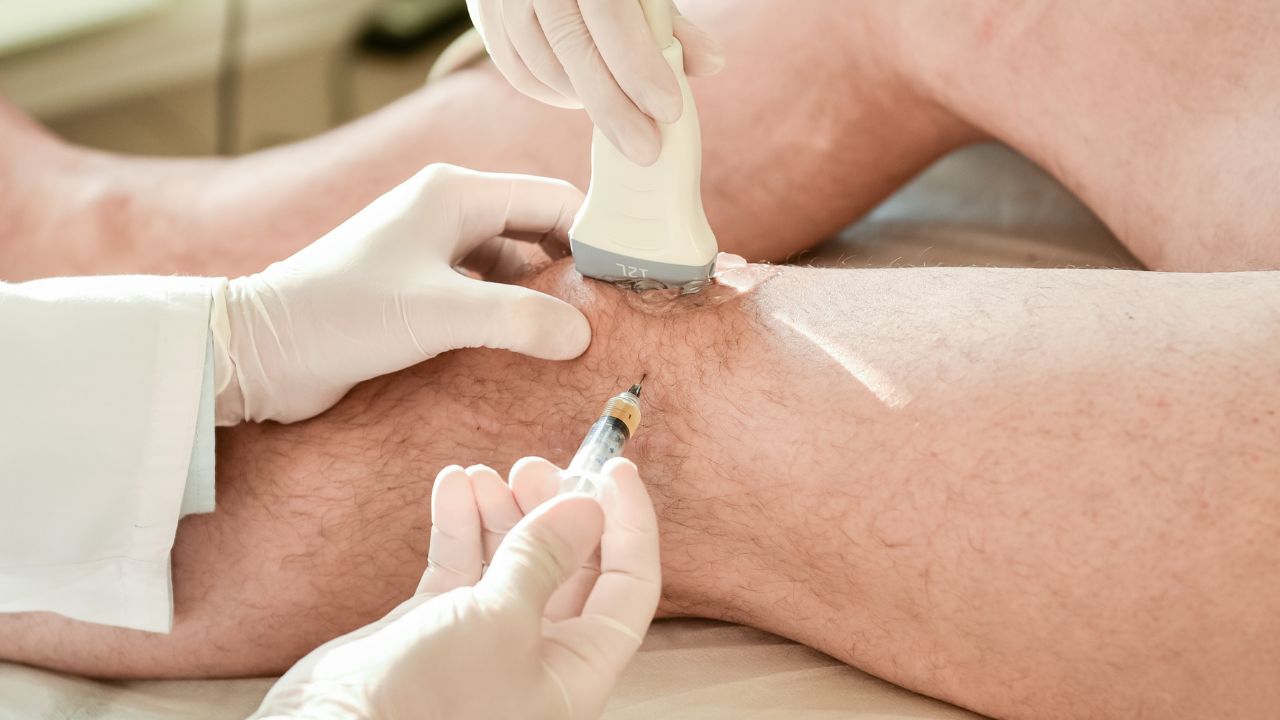
The procedure takes 45-60 minutes in an outpatient setting. Your physician draws 20-60 mL of blood (larger volumes yield higher platelet counts), spins it twice in a centrifuge to separate and concentrate the platelets, then injects the PRP into the damaged joint or tendon using ultrasound guidance for precision. The first centrifuge spin (100-300g for 5-10 minutes) separates red blood cells from plasma. The second spin (400-700g for 10-17 minutes) concentrates platelets at the plasma layer’s base, producing the final therapeutic product.
What Can I Expect In The First Week Of Recovery After PRP Treatment?
The first 3-5 days bring increased pain, swelling, and stiffness at the injection site. This inflammatory response signals that the healing cascade has begun and is completely normal. You may feel pressure or discomfort where the needle entered, but this fades as the growth factors start their work.
Manage symptoms with ice applied in 15-20 minute intervals during the first 48 hours, but avoid excessive icing that could blunt the healing response. Use acetaminophen (Tylenol) for pain relief, but strictly avoid NSAIDs (ibuprofen, naproxen, aspirin) for at least 2-4 weeks; these drugs inhibit platelet function and can sabotage your results. Rest the treated area for 48 hours. Short, gentle walks are acceptable if pain-free, but avoid strenuous exercise, high-impact activities, and heavy lifting. Do not submerge the injection site in water (baths, hot tubs, swimming pools) for the first two days.
How Does The Second Week Of PRP Recovery Progress?
Week two marks the transition from strict rest to controlled movement. Continue gentle walks and begin light stretching if pain permits, but still avoid strenuous exercise and high-impact activities. The NSAID restriction remains critical for the full 2-4 week period.
Healing Signs in Week 2
| Healing Signs | Expected Timing | Next Steps |
| Reduction in swelling | Days 5-7 | Begin light range-of-motion exercises |
| Decreased localized pain | Days 7-10 | Gradually increase gentle activity |
| Improved mobility | Days 10-14 | Prepare for structured physical therapy in Week 3 |
Manage residual discomfort with acetaminophen as needed and light stretching to prevent stiffness. Avoid overexertion, which can trigger setbacks. Monitor for infection signs (fever, increased redness, warmth spreading from the injection site) and contact your physician immediately if these appear.
What Changes Should I Expect During Week 3 Of PRP Recovery?
Week three opens the proliferation phase, when newly formed tissue begins organizing and strengthening. Pain drops noticeably and mobility returns gradually. This is the critical window to start structured physical therapy, gentle stretching, and range-of-motion exercises that help align new collagen fibers and prevent scar tissue formation. Work with a physical therapist to introduce strengthening exercises, but still avoid high-impact activities like running and jumping.
Balance activity with adequate rest. Quality sleep supports tissue regeneration, while over-exertion can disrupt the healing process. Gentle massage (avoiding the direct injection site), heat therapy for muscle relaxation, proper nutrition, and hydration all accelerate recovery. If sudden pain increases, excessive swelling appears, or stiffness worsens despite stretching, reduce activity and contact your provider.
Warning Signs of Setback
| Symptom | Possible Cause | Recommended Action |
| Sudden increase in pain | Overexertion or re-injury | Reduce activity, ice area, contact provider if persists |
| Excessive swelling | Too much activity too soon | Rest, elevate, apply ice |
| Increased stiffness | Inadequate stretching | Increase gentle range-of-motion exercises |
| Fever or warmth at site | Possible infection | Contact healthcare provider immediately |
How Does Recovery Continue In Weeks 4 To 6 After PRP Injections?
Weeks four through six bring further pain reduction, improved joint stability, and increased functional mobility. Moderate walking, light weightlifting (with physical therapist approval), and progressive strengthening exercises are now appropriate. Gradually increase activity intensity as tolerated, using pain as your guide; mild discomfort during exercise is acceptable, but sharp pain signals you’ve pushed too far.
Most patients experience their first noticeable improvement around week six. This milestone marks readiness to prepare for higher-intensity activities, though full benefits won’t peak until 3-6 months post-injection. Continue structured post-injection rehab sessions, progressive resistance training, and sport-specific stretching exercises to support joint stability and optimize long-term outcomes.
Recovery Milestones (Weeks 4-6)
| Week | Expected Recovery Milestone | Suggested Activity Level |
| Week 4 | Further pain reduction, improved joint stability | Moderate walking, light resistance exercises |
| Week 5 | Increased functional mobility | Progressive strengthening, low-impact activities |
| Week 6 | First noticeable improvement for most patients | Preparation for gradual return to higher-intensity activities |
When Can I Resume Full Activity After A PRP Injection?
Full recovery timing depends on the condition treated and the severity of damage. Weeks 7-12+ mark the remodeling phase, when joint function improves substantially and baseline pain decreases significantly. Most patients see full benefits peak between 3-6 months post-injection, though some conditions like rotator cuff tears require up to a year for complete remodeling.
Condition-Specific Recovery Timelines
| Condition | First Improvement | Substantial Improvement | Full Benefit |
| Knee Osteoarthritis | Week 6 | Week 12 | Week 24 |
| Patellar Tendinopathy | Week 4 | Week 12 | Week 34 |
| Lateral Epicondylitis | Week 4 | Week 12 | Week 26 |
| Rotator Cuff (Partial) | Week 6 | Week 16 | Week 52 |
| Chronic Lateral Ankle Instability | Week 4 | Week 8 | Week 12 |
| Achilles Tendinopathy | Week 6 | Week 16 | Week 26 |
Gradual return to activity after PRP is critical. Start with low-intensity sports, avoid high-impact movements initially, and only resume pre-injury activity levels when cleared by your medical team. Continued strength training supports the joints long-term. Returning too soon risks re-injury, delayed healing, disruption of tissue remodeling, and reduced long-term effectiveness of the therapy.
What Are Common Complications, And How Can They Be Prevented After PRP Treatment?
PRP has a superior safety profile compared to cortisone injections, but complications can occur. The most common issues are infection at the injection site, excessive or prolonged swelling, and delayed healing. Allergic reactions are extremely rare since PRP uses your own blood.
Prevention starts before the procedure: discontinue NSAIDs at least 5 days prior (these inhibit platelet function and can negate therapy benefits), stay well-hydrated, and consume nutritious meals. After injection, keep the site clean and avoid overuse during initial healing phases. Contact your healthcare provider immediately if you develop fever, increased pain unresponsive to acetaminophen, redness or warmth spreading from the injection site, unusual discharge, or symptoms lasting longer than expected recovery timelines.
How Can I Speed Up My PRP Recovery Process?
Nutrition directly impacts tissue repair speed and quality. Protein supports collagen synthesis, vitamin C enables collagen formation, omega-3 fatty acids reduce inflammation, zinc promotes wound healing, and vitamin D supports bone health and immune response. Prioritize these nutrients through whole foods rather than relying solely on supplements.
Key Nutrients for Healing
| Nutrient | Effect on Healing | Food Sources |
| Protein | Supports tissue repair and collagen synthesis | Lean meats, fish, eggs, legumes |
| Vitamin C | Essential for collagen formation | Citrus fruits, berries, bell peppers |
| Omega-3 Fatty Acids | Reduces inflammation, supports joint health | Fatty fish, walnuts, flaxseeds |
| Zinc | Promotes wound healing and immune function | Oysters, beef, pumpkin seeds |
| Vitamin D | Supports bone health and immune response | Fatty fish, fortified dairy, sunlight |
Hydration is equally critical. Optimal blood volume improves PRP preparation quality, facilitates nutrient delivery to healing tissues, helps flush metabolic waste products, and supports cellular function during repair. Omega-3 and collagen supplementation may accelerate results. Reduce stress (elevated cortisol impairs healing), prioritize quality sleep, and avoid smoking and excessive alcohol consumption.
Use ice therapy for inflammation during the first 48 hours (15-20 minute intervals), then switch to heat therapy for muscle relaxation and blood flow once initial inflammation subsides.
Your PRP Recovery Timeline: Summary And Next Steps
PRP recovery follows a predictable three-phase timeline. Week one brings rest, and temporary pain increases as the healing cascade begins. Weeks 2-3 show gradual pain reduction and the start of light stretching. Weeks 3-6 mark the critical window for structured physical therapy, with noticeable mobility improvements. Most patients experience their first noticeable improvement around week six. Weeks 7-12+ bring substantial functional gains and a gradual return to full activity. Full benefits peak at 3-6 months once tissue remodeling completes.
If recovery progresses more slowly than expected, consult your healthcare provider to reassess the treatment plan. Focus on consistent physical therapy attendance, review and adjust activity levels, and ensure strict adherence to post-procedure restrictions (especially NSAID avoidance). Evaluate for underlying factors affecting healing and discuss whether an additional PRP injection is appropriate for your condition. Timeline varies by condition, ankle instability may achieve full benefit by week 12, while rotator cuff tears can take up to 52 weeks for complete recovery.
Ready to explore whether regenerative medicine is right for your chronic pain condition? Contact the Regenerative Institute of Newport Beach to schedule a consultation with Dr. Khyber Zaffarkhan and discover your path to lasting relief.

