
Key Takeaways
- Treatment series required: PRP typically involves 3 injections over several weeks, not a single procedure
- Rapid recovery: 1-2 weeks downtime per injection vs. 3-6 months for joint replacement surgery
- Limited durability: Effects last 6-18 months with option for repeat treatments when benefits diminish
- Optimal candidates: Mild-to-moderate osteoarthritis or tendinopathy patients with failed conservative care
- Financial planning essential: $500-$2,000 per injection out-of-pocket; insurance rarely covers PRP therapy
Patients considering platelet-rich plasma (PRP) therapy frequently ask “how many PRP injections do I need?” and what timeline to expect. Unlike surgical interventions with defined recovery protocols, PRP treatment plan for joint pain vary based on condition severity, patient response, and clinical goals. This guide provides evidence-based answers about injection frequency, treatment duration, and outcome timelines to help you make informed decisions about regenerative medicine for joint pain.
Understanding PRP protocols, from preparation through recovery, empowers patients to set realistic expectations and maximize treatment benefits. Whether you’re managing knee osteoarthritis, chronic tendinopathy, or other musculoskeletal conditions, knowing what to expect from the injection series helps you plan effectively and optimize outcomes.
What Is PRP Therapy And How Does It Work?
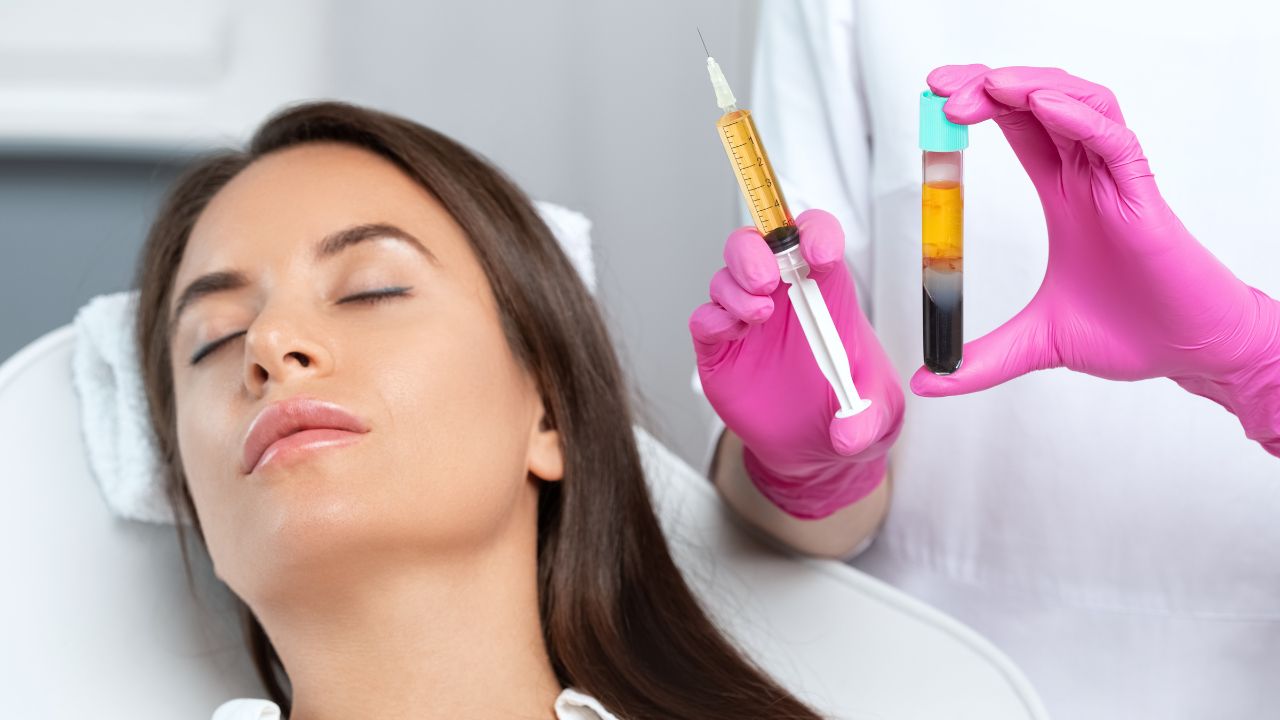
PRP (platelet-rich plasma) therapy concentrates platelets from your own blood through a double-spin centrifugation process. These platelets contain growth factors, proteins that drive tissue healing by reducing inflammation, stimulating repair, and promoting new cartilage formation when injected into damaged joints.
The procedure is minimally invasive and typically performed with ultrasound guidance to ensure precise delivery to the target joint space. This imaging-based approach improves accuracy and treatment outcomes by confirming proper placement of the regenerative biologics.
Why Are PRP Injections Recommended?
PRP therapy treats multiple musculoskeletal conditions by harnessing your body’s natural healing mechanisms. The treatment uses your own biological materials, eliminating rejection risk while avoiding the complications and extended recovery associated with surgery.
Conditions Treated With PRP
| Condition | Evidence Strength | Description |
| Knee Osteoarthritis (mild to moderate) | Strong (Level I) | PRP reduces pain and improves function in early-to-moderate joint degeneration |
| Hip Osteoarthritis (mild to moderate) | Emerging/Moderate | PRP shows promise for delaying hip replacement surgery |
| Lateral Epicondylitis (tennis elbow) | Strong | Well-supported for chronic elbow tendon pain |
| Rotator Cuff Tendinopathy | Promising/Moderate to Strong | Effective for partial tears and chronic shoulder pain |
| Patellar Tendinopathy (jumper’s knee) | Promising | Benefits athletes and active individuals |
| Achilles Tendinopathy | Promising | Supports healing in chronic Achilles pain |
| Partial Ligament and Tendon Tears | Moderate | May help heal partial tears that do not require surgical repair |
Benefits Of PRP Therapy
PRP delivers significant pain relief and functional improvements through the body’s natural healing cascade. Clinical evidence demonstrates effectiveness in stimulating anti-inflammatory effects, cell proliferation, and extracellular matrix synthesis. The treatment serves as an effective bridge therapy to delay or prevent joint replacement surgery while avoiding surgical risks, scarring, and prolonged recovery periods.
How Many PRP Injections Are Generally Required?
Most PRP protocols involve treatment series rather than single injections, with PRP frequency for knees and other joints determined by condition severity and patient response.
Typical Number Of Injections By Condition
- Knee Osteoarthritis (moderate): 3-injection series over several weeks
- Tendinopathies (rotator cuff, tennis elbow): 1-3 injections depending on severity
- Other joint conditions: Protocol varies based on individual assessment and treatment goals
Factors Influencing The Number Of Injections
- Condition severity (mild vs. moderate osteoarthritis requires different protocols)
- Patient’s overall health status (active infections, cancers, or blood-clotting disorders preclude treatment)
- Response to initial treatments (outcomes vary widely between patients)
- Type of condition being treated (tendinopathies vs. osteoarthritis follows different protocols)
- Treatment goals (pain management vs. surgical delay vs. functional restoration)
What Does The PRP Treatment Timeline Look Like?
Each PRP injection requires 1-2 weeks of recovery time, with initial post-injection pain and inflammation lasting several days. The PRP injection timeline typically shows clinical results emerging within 3-6 months, with peak benefits often appearing at 6-12 months post-treatment.
Treatment durability ranges from 6-18 months before additional injections may be needed. In clinical cases, patients report 60% pain reduction and significant functional improvements at the 6-12 month mark for knee osteoarthritis, while rotator cuff patients demonstrate improved range of motion and return to recreational activities within 3 months. Individual results depend on condition severity, patient health status, and adherence to post-injection protocols.
What Are the Factors That Affect the Effectiveness Of PRP Therapy?
PRP effectiveness depends on multiple patient and disease-related variables. Understanding these factors helps set realistic expectations and identify ideal candidates for treatment.
Disease severity is the primary determinant, PRP works best for mild to moderate osteoarthritis (Grade 2-3) but cannot reverse severe joint degeneration or regrow completely lost cartilage. Age, baseline health status, and absence of comorbidities also influence outcomes. Patients who have exhausted conservative treatments (physical therapy, NSAIDs, corticosteroid injections) without adequate pain control are better candidates than those seeking PRP as a first-line intervention.
Patient expectations directly impact satisfaction. PRP creates a healthier joint environment that reduces pain, improves function, and delays invasive surgery, it does not cure arthritis or restore anatomical joint structure. Candidates with realistic treatment goals experience better overall outcomes.
How Are PRP Injections Administered?
PRP administration is a minimally invasive outpatient procedure performed under local anesthetic. Ultrasound guidance ensures precise delivery to the target joint space, improving treatment accuracy.
The process begins with a standard blood draw from the patient. The sample undergoes double-spin centrifugation at 2000-3000 rpm to separate and concentrate platelets from other blood components. The resulting platelet-rich plasma is then injected directly into the damaged joint or tendon tissue.
Risks And Side Effects Of PRP Injections
- Infection (rare due to sterile technique)
- Injection site pain (mild to moderate, resolves quickly)
- Post-injection pain flare-up (common, lasts several days)
- Temporary inflammation (normal healing response)
- Harvest site soreness (when combined with other biologics)
PRP carries a low overall risk profile because it uses the patient’s own biological materials, eliminating rejection and allergic reaction concerns.
When Should Additional PRP Injections Be Considered?
Repeat PRP injections become appropriate when treatment effects diminish after the typical 6-18 month durability window. Some patients require maintenance injections to sustain benefits, while others achieve longer-lasting results from the initial series.
Additional injections are indicated when an initial 3-injection series provides partial but incomplete pain relief, suggesting the joint environment needs further biological support. Repeat treatments also serve patients committed to delaying surgical intervention for as long as possible. Patient response varies widely; individualized assessment determines whether additional injections will deliver meaningful clinical benefit.
What Are The Pros And Cons Of PRP Therapy?
PRP therapy offers significant advantages over surgical intervention while maintaining limitations that patients must understand before treatment. A balanced assessment of benefits and drawbacks supports informed decision-making.
Advantages Of PRP Injections
- Minimally invasive procedure, avoiding surgical risks, scarring, and extended recovery
- Autologous biologics using your own cells eliminate rejection and allergic reaction risk
- Proven clinical outcomes with strong evidence for knee osteoarthritis and tennis elbow
- Rapid recovery requiring 1-2 weeks vs. 3-6 months for joint replacement surgery
- Surgical delay or prevention through effective non-operative joint preservation
- Low risk profile significantly safer than major orthopedic surgery
- Natural healing stimulation through anti-inflammatory and regenerative mechanisms
Drawbacks And Risks Of PRP Therapy
- Out-of-pocket cost: $500-$2,000 per injection with rare insurance coverage
- Not curative: Cannot regrow joints or reverse severe arthritis
- Variable patient response: Outcomes range widely based on individual factors
- Limited durability: 6-18 month benefit window vs. 15-25+ years for joint replacement
- Post-injection discomfort: Temporary pain flare-up lasting several days is common
- Severity limitations: Ineffective for end-stage arthritis requiring surgical intervention
- Clinic quality concerns: Field contains unproven providers making unsubstantiated claims, treatment requires board-certified physician oversight
How Should You Prepare For PRP Therapy?
Proper preparation improves treatment safety and effectiveness. Pre-treatment protocols ensure appropriate candidacy while optimizing conditions for successful outcomes.
Pre-Treatment Steps For PRP
- Confirm diagnosis with MRI or ultrasound imaging to rule out complete tears requiring surgery
- Discontinue platelet-affecting medications as directed by your physician
- Verify health status ensuring absence of active cancers, infections, or blood-clotting disorders
- Establish realistic expectations understanding PRP is not a guaranteed cure
- Complete conservative treatments (physical therapy, NSAIDs, corticosteroid injections) when appropriate
- Maintain hydration before blood draw for optimal sample quality
Post-Treatment Care
Expect 1-2 weeks of recovery following each injection, with temporary pain flare-up and inflammation lasting several days being normal. Your physician will provide specific activity modifications and restrictions based on injection site and condition severity. Follow-up monitoring typically occurs at 3-month, 6-month, and 12-month intervals to assess treatment response and determine need for additional injections.
Is PRP Therapy Right For You?
Ideal PRP candidates have mild to moderate joint disease with inadequate response to conservative care. This checklist helps determine whether you meet evidence-based candidacy criteria.
PRP Candidacy Checklist
- Diagnosis: Mild to moderate osteoarthritis or chronic tendinopathy (not severe/end-stage arthritis)
- Treatment history: Pain not controlled with physical therapy, NSAIDs, or corticosteroid injections
- Treatment goals: Desire to delay or avoid joint replacement surgery
- Health status: Good overall health without active cancers, infections, or blood-clotting disorders
- Expectations: Realistic understanding that PRP is not a guaranteed cure
- Diagnostic imaging: MRI or ultrasound confirmed diagnosis and ruled out surgical conditions
- Financial capacity: Ability to afford $500-$2,000 per injection out-of-pocket
- Treatment commitment: Willingness to complete the typical 3-injection series
Patients meeting these criteria should consult a board-certified orthopedic physician or sports medicine specialist offering Newport Beach PRP injections to determine whether PRP therapy aligns with their clinical situation and treatment objectives.
Final Thoughts On PRP Injections And Treatment Timelines
The number of PRP injections you need is determined by your condition’s severity, your body’s response to initial treatments, and your overall treatment goals. A typical protocol involves a series of 3 injections administered over several weeks to months, with 1-2 weeks of recovery after each injection. Results are evaluated at 3, 6, and 12-month intervals, with effects lasting 6-18 months before additional treatments may be considered.
PRP therapy delivers the best outcomes in mild-to-moderate joint conditions when patients maintain realistic expectations about treatment limitations. The procedure offers significant advantages over surgery, including minimal invasiveness, rapid recovery, and low risk profile, while requiring personalized treatment planning based on individual clinical factors. Cost considerations ($500-$2,000 per injection with rare insurance coverage) and provider selection (board-certified physicians only) are critical decision points.
Treatment timing and injection frequency remain highly individualized. Your physician will adjust protocols based on imaging findings, symptom response, and functional improvement targets to optimize outcomes while minimizing unnecessary interventions.
Ready to explore whether PRP therapy is right for your joint pain? Contact OrthoRepair’s board-certified specialists to schedule a consultation and develop a personalized treatment plan based on your condition and goals.

