
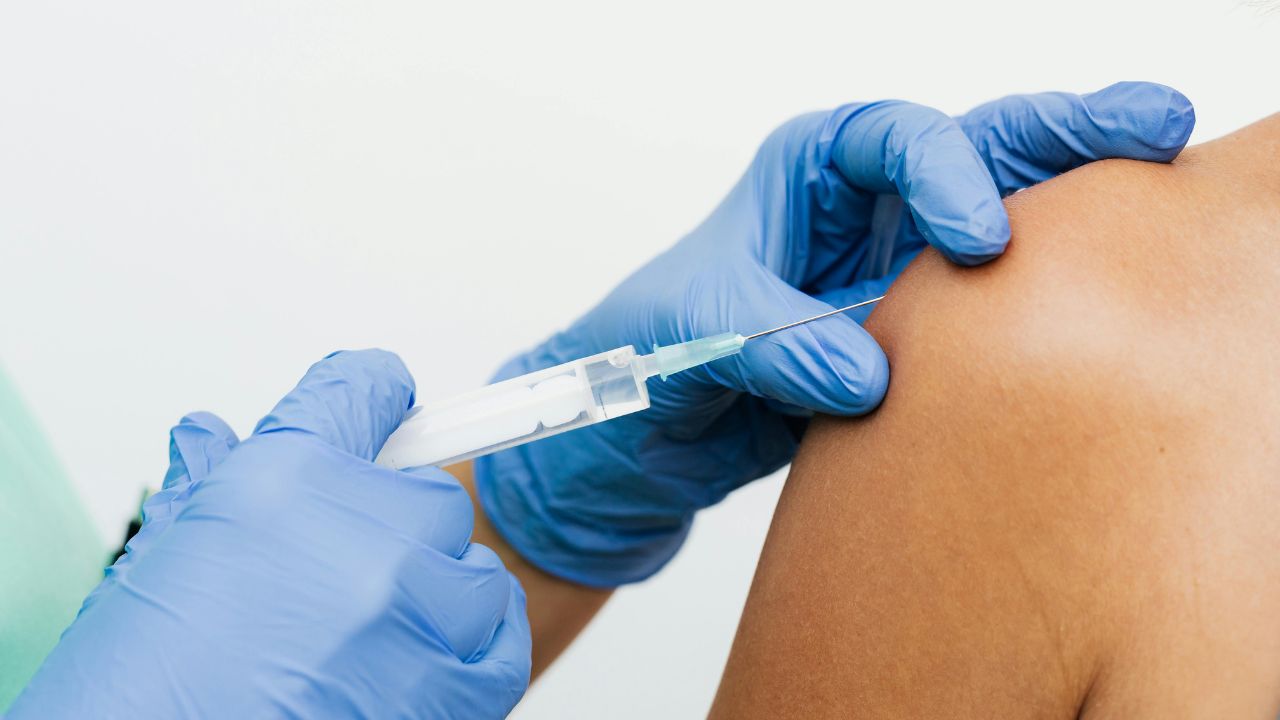
Platelet-Rich Plasma (PRP) therapy has emerged as a leading regenerative therapy for musculoskeletal conditions, chronic pain, and aesthetic concerns. Yet one of the most common questions patients ask is: “How many sessions will I need?” The answer isn’t one-size-fits-all. Session requirements depend on your diagnosis, joint condition, severity, tissue healing capacity, and individual response to treatment. Understanding these variables helps you set realistic expectations, plan financially, and make informed decisions about whether PRP is the right choice for your situation.
This guide breaks down evidence-based treatment plans by condition, severity, and clinical outcomes to help you navigate your PRP treatment journey with confidence.
Key Takeaways
- PRP session requirements scale with condition severity: mild cases need 1-2 injections; moderate require 2-3; severe may need 3+
- Reassessment at 4-6 weeks determines whether to continue the series or switch strategies
- Platelet concentration >1 million/µL is critical for achieving meaningful clinical improvement
- Rehabilitation compliance directly reduces the need for additional PRP sessions
- Personalized, response-driven protocols outperform fixed treatment packages
What Determines How Many PRP Sessions You Need?
Regenerative therapy session count depends on tissue healing capacity, injury timeline, and treatment quality. Acute injuries respond faster than chronic conditions; well-vascularized tissues heal more efficiently.
What Are The Main Factors That Determine PRP Session Count?
- Injury chronicity: Acute conditions require fewer sessions than chronic conditions
- Tissue vascularity: Well-vascularized tissues respond faster to PRP treatment
- PRP preparation quality: Platelet concentration and activation methods directly influence outcomes
- Concurrent rehabilitation compliance: Adherence to prescribed rehab protocols affects session requirements
Acute vs. Chronic Cases: How PRP Planning Differs
Acute Injuries:
- Muscle strains: Single injection achieving 75-90% accelerated healing
- Ligament sprains: 1-2 treatments typically sufficient
- Recovery window: 2-4 weeks between sessions when needed
Chronic Conditions:
- Require multiple sessions (2-3 typical) due to tissue degradation
- Longer treatment timelines (8-12 weeks)
- Higher likelihood of maintenance protocols needed
Treatment Goals That Change PRP Frequency
- Pain relief: 50-70% of appropriately selected patients achieve MCID at all timepoints up to 12 months
- Function restoration: Number Needed to Treat (NNT) is 2-3
- Surgery avoidance: Can delay or prevent surgery in mild to moderate disease
- Maintenance: Annual or bi-annual boosters maintain benefits in 50-70% of responders
Patient Factors That Increase Or Decrease PRP Sessions
- Age: Younger patients show superior response
- Smoking: Impairs healing, requires additional treatments
- Medications: NSAIDs must be discontinued ~2 weeks prior; blood thinners contraindicate therapy
- Adherence to rehab: Stretching begins 2-7 days post-injection; strengthening within 2-3 weeks
How Many PRP Sessions Are Common In A Typical Treatment Plan?
Most conditions respond to 1-3 sessions spaced weeks apart. Acute injuries often need only one; chronic degenerative conditions benefit from a series of protocols.
Can One PRP Session Be Enough?
Single injections work well for select acute conditions:
- Acute muscle strains: 75-90% accelerated healing with single injection
- Plantar fasciitis: 70-85% effective with 1-2 treatments
- Rotator cuff (partial tears): 70-80% success with 1-2 injections
Why Are 2 To 3 PRP Sessions Commonly Recommended?
Multi-session protocols optimize healing cascade timing and cumulative growth factor delivery:
- Healing cascade timing: 2-4 week intervals allow proper tissue response before subsequent treatment
- Knee osteoarthritis: Typical protocols involve 1-3 injections spaced 2-4 weeks apart
- Peak improvement: Benefits peak around 6 months, lasting 6-12 months
Scenarios Where 4+ PRP Sessions May Be Considered
- Severe knee OA (grade 4): Requires 3+ injections with 40-60% improvement rates
- Complete rotator cuff tears: 2-4 injections with 50-65% success
- Hair restoration: 3-6 monthly sessions initially, then quarterly maintenance
- Facial rejuvenation: 3-4 sessions spaced monthly
Common PRP Spacing Intervals By Treatment Type
- Knee Osteoarthritis: 2-4 weeks between sessions; reassess at 6 months
- Tendinopathy: 4-6 weeks for tennis elbow; 8-12 weeks for Achilles; reassess at return to activity (4-6 weeks)
- Hair Restoration: Monthly for 3 months, then quarterly; maintenance every 6 months
- Facial Rejuvenation: 2-3 weeks between sessions for 3-treatment series; reassess at 6 months
What Does The Evidence Say About PRP Session Number And Outcomes?
Research supports multi-session protocols for chronic conditions while confirming single-injection efficacy for acute injuries. Platelet concentration matters more than total session count.
Does A PRP Series Work Better Than A Single Injection For Some Conditions?
Evidence favors series protocols for degenerative conditions:
- Meta-analysis (2024-2025): 50-70% of patients achieve MCID, the highest in knee OA and plantar fasciitis
- Platelet threshold: Formulations >1 million platelets/µL reach MCID at all timepoints up to 12 months; low-platelet formulations are ineffective
- Tendinopathy evidence: Level 1 evidence shows moderate treatment effect (0.47; 95% CI 0.22-0.72, p<0.001)
Knee Osteoarthritis Evidence: 1 vs. 3 vs. 5+ PRP Injections
| Severity (KL Grade) | Sessions | Success Rate | Duration | Recommendation |
| Mild (1-2) | 1-2 | 70-80% | 6-12 months | Fewer sessions effective |
| Moderate (3) | 2-3 | 60-70%; ~85% maintain at 1 year | 6-12 months | Standard series recommended |
| Severe (4) | 3+ | 40-60%, higher failure rates | Variable | Consider alternatives |
Why There Is No Single PRP Protocol For Every Condition
- Diagnosis differences: Tendinopathy requires different protocols than OA or acute injuries
- Severity differences: KL grades I-III respond better than grade IV
- Protocol heterogeneity: Lack of standardization in preparation methods (centrifugation: first spin 100-300g for 5-10 min, second 400-700g for 10-17 min)
- Injection technique variations: Subdermal depo bolus vs. other methods
PRP Protocol Variables That Affect Results And Repeat-Session Decisions
- Leukocyte content: LP-PRP reduces adverse events 56-64% while maintaining efficacy; LR-PRP has more local side effects
- Activation method: Calcium chloride (gradual release) vs. thrombin (rapid release)
- Platelet concentration: 2-6x baseline typical; “10 billion platelet dose” emerging as optimal
- Volume: ~5mL per session for knee OA
How Should You Plan PRP Sessions By Condition And Severity?
Effective planning requires diagnosis clarity, severity grading, and evidence-based session ranges. Adjust protocols based on patient response and reassessment triggers.
Checklist For Building A Condition-Specific PRP Treatment Plan
- Diagnosis confirmation with imaging if needed
- Severity grading (KL for OA, clinical for tendinopathy)
- Symptom duration assessment (acute vs. chronic)
- Goal establishment (pain relief, function, return to activity, surgery avoidance)
- Session range based on evidence
- Interval planning (2-4 weeks typical)
- Rehab integration
- Reassessment timing (6 months for peak improvement)
Step-by-Step: Adjusting A PRP Plan Over Time Based On Response
- Document baseline symptoms/function
- First follow-up at 4-6 weeks
- Evaluate response threshold (improvement indicates positive trajectory)
- Continue if partial improvement; second session per protocol
- Pause if MCID achieved; monitor for maintenance needs
- Switch strategy if no improvement after 2-3 sessions
Clinician Reassessment Triggers Before Adding More PRP Sessions
- No measurable improvement after standard interval
- Worsening pain/function despite treatment
- Unclear or incorrect initial diagnosis
- Poor rehab adherence
- New injury signs or unexpected imaging findings
How Many PRP Sessions Do You Need For Knee Osteoarthritis By Severity?
Session requirements for knee OA scale with disease progression. Mild cases often respond to 1-2 injections; severe disease requires more sessions with diminishing returns.
Severity-Based Treatment Planning for Knee Osteoarthritis PRP Sessions
| Severity (KL Grade) | Sessions | Spacing | Success Rate | Reassessment | Alternative Threshold |
| Mild (1-2) | 1-2 injections | 2-4 weeks | 70-80% improvement | 6 months | After 2 sessions if minimal response |
| Moderate (3) | 2-3 injections, 5mL with 6-8x concentration | 2-4 weeks | 60-70% success | 6-12 months | If <40% improvement |
| Severe (4) | 3+ injections | 2-4 weeks | 40-60% improvement | 3-4 months (earlier) | When minimal cartilage remains |
When Is A 3-Session PRP Series Considered Instead Of A Single Injection For Knee OA?
Multi-injection protocols optimize outcomes in moderate disease:
- Moderate OA (grade 3): Standard 3-injection protocol
- 2025 meta-analysis: 1,995 patients; WOMAC scores exceeded MCID at 1, 3, 6, and 12 months
- Superiority data: 9 of 11 HA-controlled studies showed better PRP results
- Anti-inflammatory effect: Increases anti-inflammatory cytokines up to 5-fold
- Maintenance: Periodic boosters sustain effects after 12 months
When Might More Sessions Not Add Meaningful Benefit For Knee OA?
Advanced degeneration limits regenerative capacity:
- Advanced disease (grade 4): Limited cartilage for repair
- Imaging reality: MRI typically shows 0-5% thickness increase (clinically insignificant); <20% of knees show an increase in most affected regions
- Histological limits: Forms fibrocartilage, not true hyaline cartilage
- Symptomatic vs. structural: Improves symptoms without visible structural regeneration
How Many PRP Sessions Do You Need For Tendon Injuries By Severity?
Tendinopathy protocols range from 1-4 sessions, depending on chronicity and tissue damage. Rehab compliance directly impacts session requirements.
Severity-Based Treatment Planning For Tendinopathy PRP Sessions
| Severity | Sessions | Spacing | Rehab Start | Reassessment |
| Mild | 1-2 injections | 4-6 weeks | Stretching at 2-7 days | 4-6 weeks |
| Moderate | 2-3 injections | 4-8 weeks | Strengthening at 2-3 weeks | 6-8 weeks |
| Severe-Chronic | 2-4 injections | 6-12 weeks | Intensive rehab | 12+ weeks |
PRP Planning Differences: Tennis Elbow, Achilles Tendinopathy, And Patellar Tendinopathy
| Condition | Protocol | Success Rate | Key Rehab | Repeat Triggers |
| Tennis Elbow | 1-3 injections, 4-6 weeks | 75-85% | Eccentric strengthening | Chronic cases |
| Achilles | 2-3 treatments, 8-12 weeks | 65-80% | Gradual weight-bearing | Location-dependent |
| Patellar | 2-3 injections, 2-3 months | Variable | Progressive loading | Athletic demands drive repeats |
How Does Rehab Change The Number Of PRP Sessions Needed For Tendon Recovery?
Structured rehabilitation reduces repeat session likelihood:
- NSAID restriction: Critical post-injection (56% of protocols); >2 weeks typical to avoid interfering with healing
- Stretching: Begins 2-7 days post-injection (51% of protocols)
- Strengthening: Starts within 2-3 weeks (54% of protocols)
- Return to play: Most common at 4-6 weeks (42% of protocols)
- Compliance impact: Poor adherence identified as key treatment failure factor
How Many PRP Sessions Do You Need For Ligament And Muscle Injuries?
Acute soft tissue injuries typically respond to single injections. Recurrent or severe cases may require additional sessions.
Common PRP Planning Patterns For Ligament Sprains And Recurrent Muscle Strains
| Injury Type | Sessions | Spacing | Return Timeline | Reassessment Trigger |
| Acute Ligament Sprains (Grade I-II) | 1-2 treatments | 4-6 weeks if second needed | 4-8 weeks | Persistent instability |
| Recurrent Muscle Strains | 1-2 injections | Single typical; 75-90% accelerated healing | 4-6 weeks progressive loading | Reinjury/weakness |
| Post-Surgical | Single perioperative injection | One-time | Per surgical protocol | Standard post-op monitoring |
Return-to-Sport Factors That May Increase Repeat PRP Sessions
- Premature loading before adequate healing
- Persistent pain on functional testing
- Strength deficits >10% vs. contralateral side
- Reinjury history at same site
- High-demand sports (explosive, cutting, overhead)
When Imaging Should Guide Additional PRP Decisions
- Persistent symptoms beyond 8-12 weeks
- Suspected tear progression
- Unclear initial diagnosis
- Delayed functional recovery
- Return-to-play clearance uncertainty
How Many PRP Sessions Do You Need For Plantar Fasciitis And Chronic Foot Pain?
Most plantar fasciitis cases resolve with 1-2 injections. Chronic cases benefit from repeat sessions spaced 6-8 weeks apart.
Can One PRP Session Be Enough For Plantar Fasciitis?
Single-injection success depends on chronicity and compliance:
- Evidence: 1-2 treatments are effective in 70-85% of cases
- Best candidates: Recent onset (<6 months), minimal degeneration, good offloading compliance
- Timeline: Improvements within 4-6 weeks in successful cases
Situations Where Repeat PRP Sessions May Be Used For Chronic Plantar Fasciitis
- Long duration (>12 months)
- Partial improvement, then plateau
- Recurrence after initial success
- High-load activity demands (athletes, standing occupations)
- <50% improvement by 8-week reassessment
How Symptom Duration Changes PRP Planning For Foot Pain
| Duration | Protocol | Repeat Likelihood | Reassessment |
| Recent (<6 months) | Single injection | 15-30% | 6-8 weeks |
| Moderate (6-12 months) | 1-2 injections, 6-8 weeks apart | 30-40% | 8-12 weeks |
| Chronic (>12 months) | 2+ injections, 6-8 weeks apart | 40-50% | 12 weeks; consider alternative diagnoses |
How Many PRP Sessions Do You Need For Hair Loss Treatment?
Hair restoration requires induction phase (monthly sessions) followed by maintenance protocols. Success depends on adherence to quarterly boosters.
Treatment Timeline For PRP Hair Restoration (Induction And Maintenance)
| Phase | Protocol | Timeline | Reassessment | Next Steps |
| Induction | Monthly for 3 months (total 3-6 sessions) | 3-6 months | After 3 months | Then quarterly/semi-annual |
| Maintenance | Every 3-6 months | Ongoing | Every 6 months with photos | 60-70% density improvement maintained |
| Preparation | Single-spin centrifugation, 3-6x enrichment | Calcium chloride/gluconate activator | Subdermal bolus injections | , |
How Hair Loss Severity Changes PRP Frequency
- Advanced thinning: May require 6 monthly sessions vs. 3
- Female patients: Significant thickness increase (MD 0.01mm) and density (405.26 hairs/cm²) vs. controls
- Hair Pull Test: Meta-analysis shows -3.91 reduction in PRP groups
- Combination with minoxidil/finasteride: PRP adjunctive, doesn’t address hormones
Reassessment Checkpoints Before Continuing PRP for Hair Restoration
- Shedding pattern monitoring
- Density measurement (mean +27.7 hairs/cm² treated vs. -3 hairs/cm² control at 3 months)
- Standardized photography
- Timeline adherence to monthly schedule
- Clinical scalp examination
How Many PRP Sessions Do You Need For Facial Rejuvenation Or Skin Concerns?
Facial PRP typically requires 3-4 sessions spaced 2-3 weeks apart, with maintenance every 6 months. Results include improved texture, reduced wrinkles, and enhanced collagen density.
Common PRP Session Patterns For Facial Rejuvenation Goals
| Goal | Sessions | Spacing | Maintenance | Outcomes |
| Texture/Tone | 3 sessions | 2-3 weeks | Semi-annual | Improved pore size, texture |
| Fine Lines | 3 treatments over 3 months | Monthly | 6-month reassess | Significant wrinkle reduction (P<0.05); >90% satisfaction |
| General Rejuvenation | 1-3 sessions | 2-3 weeks | Variable | 14/17 subjects >25% nasolabial improvement after single injection |
How Concern Severity Affects PRP Facial Treatment Planning
- WSRS: Decreased 2.90±0.91 to 2.10±0.79 after single injection
- PRP+HA: FACE-Q scores improved 44.3±1.9 to 52±3.17 at 6 months (p<0.05)
- Tissue quality: Significant collagen density and hyaluronic acid increases
How Maintenance PRP Skin Treatments Are Typically Planned
- Initial 3-4 sessions establish foundation
- Semi-annual maintenance (every 6 months) common
- Quarterly if enhanced results desired
How Do You Know If You Need Another PRP Session?
Response assessment at 4-6 weeks determines whether to continue or adjust treatment. Clear improvement indicates success; plateaus or lack of progress trigger reevaluation.
Signs Your Current PRP Plan Is Working
- Gradual pain reduction over weeks
- Objective functional gains
- Progressive activity tolerance without flares
- Reliable post-activity recovery
- Milestone achievement on schedule
Signs You May Need a Second or Third PRP Session
- 30-50% improvement but plateau before MCID
- Initial 4-6 week gains, then no progress
- Persistent functional limitations despite pain reduction
- Recovery delayed vs. typical timeline
Signs PRP May Not Be the Right Treatment for Your Condition
- No improvement after 2-3 sessions
- Progressive worsening despite treatment
- Repeated failed PRP attempts
- Contraindications: Blood dyscrasia, thrombocytopenia, sepsis, anemia, active cancer
When Should Your Diagnosis Be Rechecked Before More PRP Injections?
- Atypical symptom presentation
- Unexpected imaging findings
- Failed response to appropriate protocol
- New symptoms suggesting broader pathology
Can You Have Too Many PRP Sessions?
Over-treatment provides diminishing returns and increases cost without proportional benefit. Advanced disease states have response ceilings that additional sessions cannot overcome.
When Do PRP Sessions Show Diminishing Returns?
- No additional gains after standard series
- Low-platelet formulations (<1 million/µL) ineffective
- Over-treatment risks: Potential fibrosis
- Advanced disease (KL 4) with 40-60% ceiling suggests surgery
Decision Framework: Weighing Cost, Downtime, and Expected Benefit Before Continuing PRP
- Quantify improvement percentage achieved
- Measure functional restoration objectively
- Calculate cost per percentage improvement
- Compare alternative options
- Assess MCID achievement status
Situations Where Alternatives May Be Better Than More PRP Sessions
- <20% improvement after complete series
- KL grade 4 with minimal cartilage
- Active smoking, uncontrolled diabetes, non-compliance
- Structural damage beyond regenerative capacity
- UK NICE: PRP only under special arrangements, not routine use
What Questions Should You Ask Before Starting A PRP Treatment Plan?
Informed decision-making requires clarity on diagnosis severity, session rationale, and reassessment criteria. Ask specific questions before committing to treatment.
Pre-Treatment Checklist: Questions to Ask Your Clinician About PRP Session Planning
- “How many sessions do you recommend based on my diagnosis and severity?”
- “What severity grade is my condition?”
- “How many weeks between sessions, and why?”
- “What improvement percentage would be successful?”
- “When will we reassess for additional sessions?”
- “What are alternatives if PRP doesn’t work?”
- “Will I need ongoing boosters, and how often?”
- “What PRP type will be used (leukocyte-rich vs. poor, platelet concentration)?”
What Is The Best Way To Decide How Many PRP Sessions You Need?
Evidence-based planning considers diagnosis, severity grading, and individual response patterns. Personalized protocols outperform fixed-package approaches.
How Can Diagnosis, Severity, And Response Guide A Personalized PRP Plan?
- Diagnosis protocols: Tendinopathy 2-3 sessions over 4-12 weeks; OA 1-3 over 2-4 weeks; hair loss 3-6 monthly
- Severity adjustment: Mild KOA 1-2 sessions (70-80%); moderate 2-3 (60-70%); severe 3+ (40-60%)
- Response-driven: Improvement at 4-6 weeks continues series; no improvement after 2-3 triggers alternatives
- Peak timing: Maximum benefit at 6 months guides maintenance
Why Is A Personalized PRP Plan Better Than A Fixed Package Of Sessions?
Individualized approaches optimize outcomes and resource allocation:
- Individual healing capacity varies (age, health, smoking)
- Same diagnosis has different severity/chronicity
- Some achieve MCID with single session; others need series
- Avoids unnecessary sessions when early success
- Detects failure early; redirects to alternatives sooner
- 50-70% of responders benefit from boosters; others maintain without
Next Steps For Readers Considering PRP Treatment
- Get the diagnosis confirmed with imaging
- Request a severity-based plan with grading
- Clarify the session range and spacing rationale
- Establish reassessment criteria and timeline
- Compare alternatives and their evidence
- Understand PRP preparation protocol details
- Review rehab requirements and restrictions
Making The Right Decision About Your PRP Treatment
PRP therapy offers a powerful, minimally invasive option for pain relief, functional restoration, and tissue regeneration, but success depends on evidence-based patient guidance tailored to your specific condition severity. Whether you need a single injection for an acute injury or a multi-session treatment plan for moderate osteoarthritis, understanding your protocol ensures realistic expectations and optimal outcomes. Working with an experienced pain management specialist ensures your regenerative therapy follows proven protocols that maximize healing while avoiding unnecessary PRP sessions.
Ready to explore whether PRP is right for your condition? Schedule a consultation to receive a personalized, severity-based treatment plan backed by the latest regenerative medicine research.

