
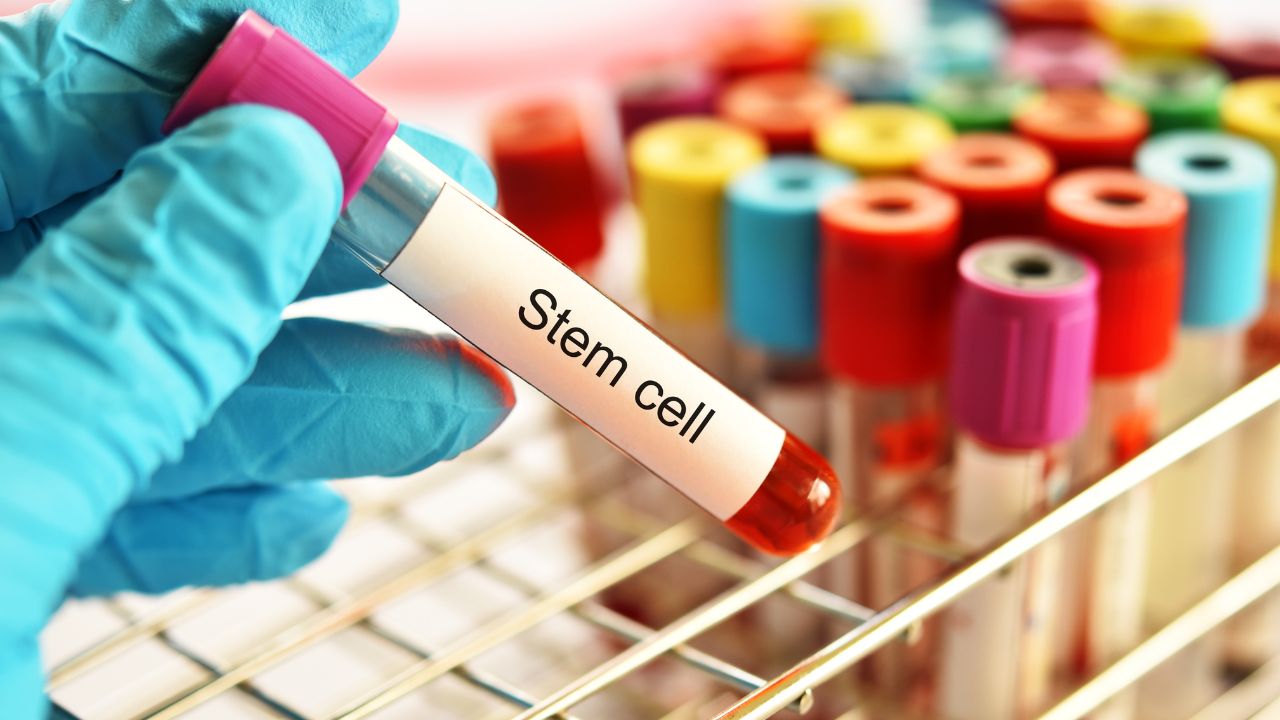
Stem cell therapy offers lasting pain relief for patients seeking alternatives to surgery or long-term medication dependence. Treatment success, however, depends heavily on what happens before you step into the procedure room. Properly prepared patients achieve 15–25% better outcomes than those who skip critical steps, a difference between transformative results and disappointing ones.
Patient preparation optimizes your body’s healing environment, eliminates medication conflicts, and ensures treatment-day safety. This comprehensive pre‑treatment checklist walks you through stem cell prep essentials, providing the roadmap for optimal results.
Key Takeaways
- Properly prepared patients achieve 15–25% better outcomes than non-compliant patients, with medication protocol compliance showing 92% versus 72% improvement.
- NSAIDs and corticosteroids must be discontinued because they suppress the healing response, stop NSAIDs 7–14 days before (42 days per Regenexx protocol), and avoid corticosteroid injections 4–6 weeks prior.
- Age affects stem cell quality, with bone marrow cells showing 36% slower proliferation and 7% chondrogenic potential in older patients, while adipose-derived cells maintain 95% proliferation and 85% chondrogenic capacity.
- Pre-treatment optimization impacts outcomes through vitamin D 40–60 ng/mL, 64+ ounces daily hydration, 0.8–1g protein per pound bodyweight, BMI under 35 (obesity reduces success 20–40%).
- Comprehensive preparation includes diagnosis confirmation, complete medical disclosure, required testing (CBC, metabolic panel, inflammatory markers), specialist clearances, and logistical planning for transportation and recovery.
How To Prepare For Stem Cell Therapy: Pre‑Treatment Checklist For Best Results
What Should You Know Before Preparing For Stem Cell Therapy?
Preparation directly determines outcomes. Patients following protocols achieve 15–25% better results than non-compliant patients. This advantage comes from optimizing the healing environment, eliminating medication conflicts, and ensuring safety.
Why Does Pre-Treatment Preparation Affect Stem Cell Therapy Results?
Preparation improves readiness, safety, and execution. Medication protocol compliance produces 92% improvement versus 72% in non-compliant patients. Lifestyle modifications show 88% versus 65%. Pre-procedure testing correlates with 95% success versus 75% in patients skipping confirmation.
Key safety and readiness risks to address:
- Incomplete medical disclosure: Undisclosed conditions cause adverse reactions or reduce effectiveness
- Active infection or illness: Compromises healing capacity and increases complication risk
- Medication and supplement conflicts: NSAIDs, blood thinners interfere with stem cell function
- Missing tests or clearances: Unconfirmed diagnosis prevents accurate treatment planning
- Fasting or hydration confusion: Improper nutrition affects cell harvesting quality
- Transportation gaps: Lack of post-procedure support creates safety risks
- Unrealistic expectations: Misaligned goals lead to dissatisfaction despite success
Preparation differs between standard care, trials, and unproven treatments. Standard-of-care follows established protocols. Clinical trials enforce strict eligibility screening and structured follow-up. Unproven treatments require heightened scrutiny of credentials and oversight.
Who Is A Good Candidate To Start A Stem Cell Therapy Pre-Treatment Checklist?
What Should You Confirm About Your Diagnosis Before Planning Treatment?
Confirmed diagnosis prevents wasted resources. Required confirmations include imaging (X-rays or MRI showing severity), blood work (CBC, metabolic panel, inflammatory markers), and medical clearance for underlying conditions.
Your checklist starts with four confirmations: diagnosis with imaging proof, current severity assessment, symptom pattern documentation, and prior treatment history. These determine whether stem cell therapy addresses your condition effectively.
How Should You Define Your Treatment Goals Before The Procedure?
Realistic goals align with age-stratified success rates: under 50 achieve 75–85% improvement, ages 50–65 see 60–70%, and over 65 experience 50–65%. Success varies by condition: knee osteoarthritis 70–85%, tendon injuries 75–80%, spine issues 60–75%, chronic low back pain 50–65%.
Define goals across symptom relief, function improvement, and recovery timeline. Patients targeting significant pain reduction and gradual functional improvement report higher satisfaction than those expecting complete elimination.
How Do You Choose The Right Clinic And Provider Before Stem Cell Therapy?
Credentials to Verify:
- Board certification in relevant specialty
- Minimum 50+ procedures performed
- Facility accreditation (AAAHC, JCAHO)
- Defined post-treatment follow-up schedule
Treatment Status and Oversight Comparison
| Treatment Status | What It Means | Key Questions |
| FDA-approved / Standard-of-care | Established practice with proven efficacy | What is your success rate? How many procedures performed? |
| Clinical trial | Research protocol with IRB/FDA oversight | What phase? Who monitors safety? |
| Non-standard / Unproven | Experimental use, variable oversight | What evidence supports this? What post-treatment monitoring? |
Questions About Cell Source and Processing
| Question | Why It Matters | Clear Answer Includes |
| What is the source type? | Bone marrow declines 36% in proliferation with age; adipose maintains 95% capacity | Specific source, rationale, expected concentration |
| What processing method? | Affects concentration and contamination risk | Protocol, sterility controls, timing |
| Chain of custody? | Ensures viability and sterility | Step-by-step handling, personnel, time limits |
| Quality controls? | Prevents contamination, verifies viability | Cell count, sterility testing, documentation |
Infection Control Questions:
- Sterile technique and single-use equipment
- Facility infection prevention practices
- Emergency protocols and equipment
- Procedure-room accreditation
Follow-Up Support Required:
- Defined check-in schedule (2 weeks, 6 weeks, 3/6/12 months)
- After-hours contact method
- Symptom escalation guidance
- Written post-treatment plan
What Medical Information Should You Share Before Stem Cell Therapy?
Diagnoses and Treatments to Disclose:
- Primary diagnosis and comorbidities (diabetes, cardiovascular, autoimmune)
- Symptom duration, severity, and functional limitations
- Prior treatments and response history
- Current symptom impact on activities
Surgeries and Procedures to Report:
- Prior surgeries in treatment area
- Implanted devices or hardware
- Recent injections (corticosteroids must avoid 4–6 weeks before)
- Healing complications or infections
Allergies and Reactions to Mention:
- Medication allergies
- Latex or adhesive allergies
- Prior anesthesia reactions
Why Should You Report Recent Illness, Fever, Infection, Or Antibiotic Use?
Active infection compromises healing and increases complication risk. Regenerative therapy requires optimal immune function for tissue integration. Fever indicates an infection that could spread or prevent engraftment. Disclose any illness within two weeks, including respiratory infections, UTIs, or unexplained fever.
What Medications And Supplements Should You Review Before Stem Cell Therapy?
Prescription Medications Requiring Review:
- Blood thinners: Warfarin, Plavix require discontinuation per physician
- Corticosteroids: Suppress stem cell activity; avoid 4–6 weeks before
- Immunosuppressants: Reduce treatment efficacy
- Essential medications: Continue blood pressure and diabetes management
Final decisions must come from your prescribing clinician.
Over-the-Counter Drugs to Discuss:
- NSAIDs and aspirin: Discontinue 7–14 days before (Regenexx protocol: 42 days)
- Acetaminophen: Acceptable for pain management during washout
Consult your pain management team for alternatives.
Supplements Affecting Planning:
- Vitamin D: Target 40–60 ng/mL; supplement 2,000–5,000 IU if deficient
- Omega-3: 2–3g daily reduces inflammation
- Platelet-affecting supplements: Discontinue fish oil, vitamin E, ginkgo 14 days before
Bring complete supplement list with doses.
Why Must You Avoid Changing Medications Without Prescriber Approval?
Unsupervised changes create serious risks. Stopping blood pressure medications triggers a hypertensive crisis. Discontinuing diabetes medications causes dangerous fluctuations. Coordinate all adjustments between the prescribing clinician and the therapy team.
What Tests Or Medical Clearances Might Be Needed Before Stem Cell Therapy?
Commonly Requested Tests
| Test | Why Requested | When Reviewed |
| CBC | Identifies anemia, infection, clotting disorders | Within 30 days |
| Metabolic panel | Assesses organ function | Within 30 days |
| Inflammatory markers | Measures systemic inflammation | Within 60 days |
| Vitamin D level | Confirms bone health support | Within 90 days |
| EKG | Evaluates heart function for sedation | Per facility protocol |
Requirements vary by condition, protocol, and clinic.
Imaging That May Need Updating:
- Recent MRI, CT, X-ray (within 6–12 months)
- Specialist consultation notes
- Prior procedure documentation
Scenarios Requiring Specialist Clearance:
- Cardiology for heart disease or pacemakers
- Primary care for overall health optimization
- Anesthesia review if sedation planned
- Endocrinology for poorly controlled diabetes
How Should You Prepare Your Body Before Stem Cell Therapy?
Nutrition and Hydration Basics:
- Hydration: 64+ ounces daily the week before enhances cell harvesting
- Anti-inflammatory diet: Omega-3s, vegetables, berries; reduce processed foods
- Protein: 0.8–1g per pound bodyweight supports tissue repair
- Weight management: BMI under 35 preferred; obesity reduces success 20–40%
Follow clinic-specific instructions if they differ.
Do You Need Fasting Instructions Before The Procedure?
Most orthopedic procedures require no fasting unless sedation is planned. Typical sedation fasting: nothing by mouth 8 hours before, with possible exceptions for essential medications.
Follow your clinic’s fasting instructions exactly.
Substances to Discuss or Avoid:
- Smoking: Quit 4–8 weeks before; smokers show 30–50% reduced efficacy
- Alcohol: Avoid 72 hours before procedure
- Recreational substances: Disclose all use to the treatment team
What Should You Plan For Treatment Day Logistics And Support?
Documents to Bring:
- Photo ID
- Insurance or payment documents
- Complete medication/supplement list
- Laboratory and imaging reports if requested
- Emergency contact details
What to Wear:
- Comfortable, loose-fitting clothing
- Easy access to the treatment site
- Avoid restrictive items
Transportation Planning:
- Driver required if sedation used
- Backup ride plan
- Support person for 24 hours post-procedure
What Is The Pre-Treatment Checklist For Stem Cell Therapy Step By Step?
Master Checklist:
- Confirm diagnosis, goals, and expectations
- Verify clinic/provider credentials and treatment status
- Share complete medical history and recent illness
- Review medications, NSAIDs, and supplements
- Complete required labs, imaging, and clearances
- Follow diet, hydration, and lifestyle instructions
- Finalize consent and financial details
- Arrange transportation and post-treatment support
How Should You Prepare For The First 24 To 72 Hours After Stem Cell Therapy?
Recovery timeline: Days 1–7 involve initial healing with mild swelling. Weeks 2–4 bring early tissue repair. Months 2–3 show noticeable improvement. Months 4–6 feature strengthening. Beyond 6 months, sustained benefits last 5+ years for joint health maintenance.
Supplies to Prepare:
- Ice packs, elevation pillows
- Easy-to-prepare meals and beverages
- Prescribed medications and wound care materials
- Clinic contact information accessible
Plans to Adjust:
- Time off work (2–7 days depending on job)
- Childcare or dependent care coverage
- No driving 24–48 hours post-procedure
- Cancel strenuous activities for 2–4 weeks
Red-Flag Symptoms:
- Severe or worsening pain
- Fever above 100.4°F, increasing redness, purulent drainage
- Excessive swelling or bruising
- New numbness, tingling, weakness
- Unusual systemic symptoms
When to Call Clinic vs. Seek Emergency Care:
Call the clinic for mild-to-moderate pain concerns, questions about restrictions, or concerning but not rapidly worsening symptoms.
Seek emergency care for chest pain, difficulty breathing, severe bleeding, loss of consciousness, or sudden severe weakness.
Always follow clinic-specific discharge instructions.
What Are The Final Steps To Confirm Before Stem Cell Therapy Day?
24-Hour Pre-Treatment Recheck:
- Fasting/diet instructions confirmed
- Arrival time and address reconfirmed
- Documents/ID packed
- Support person/ride reconfirmed
- Home recovery setup completed
Morning-of-Treatment Recheck:
- Follow fasting/medication instructions exactly
- Bring the required documents and lists
- Wear planned clothing
- Leave on time for the arrival window
- Keep clinic contact available
Take The Next Step: Prepare For Your Stem Cell Therapy
Stem cell prep determines regenerative therapy outcomes. Patients following protocols, stopping NSAIDs 7–14 days before, optimizing vitamin D to 40–60 ng/mL, maintaining 64+ ounces hydration daily, completing required testing, achieve significantly better results. The 92% versus 72% improvement difference proves preparation matters as much as the procedure itself.
Your pre-treatment checklist consolidates diagnosis confirmation, credential verification, medical disclosure, medication review, testing, nutrition optimization, and logistics into systematic patient preparation. Age-stratified success rates (under 50: 75–85%, ages 50–65: 60–70%, over 65: 50–65%) depend on proper preparation, maximizing regenerative potential.
Understanding treatment pathways helps you ask the right questions about cell source, processing, sterility, and support. Whether stem cells come from bone marrow (36% proliferation decline with age) or adipose tissue (95% capacity maintained), preparation protocols ensure optimal results.
The recovery timeline spans initial healing through 5+ year sustained benefits, starting with pre-treatment steps. Complete diagnosis confirmation, verify credentials, disclose all medical conditions, follow protocols, and understand symptom management.
Ready to begin preparation for optimal results? Contact our team for personalized pre-treatment guidance tailored to your condition and goals.

