
Key Takeaways
- Plan Botox treatments 6 to 8 weeks before travel to ensure full effectiveness and avoid post-injection side effects.
- Hydration is crucial during travel, especially for Botox patients, as dehydration can exacerbate migraines.
- Avoid alcohol and excessive caffeine, particularly within 24 hours after Botox injections, to optimize treatment results.
- Maintain a consistent sleep schedule and reduce stress to avoid migraine triggers during your trip.
- Communicate your travel plans with your Botox provider to ensure personalized treatment advice and avoid complications.
Holiday travel is an exciting prospect, but for those using Botox to manage chronic migraines and pain, it requires careful planning. Botox can provide long-lasting relief for those who suffer from frequent migraines, but to get the best results while traveling, it’s important to schedule your treatment effectively. In this article, we’ll explore how to plan Botox treatments around your travel dates, manage common travel triggers, and ensure that you experience minimal disruption to your migraine management routine while enjoying your trip.
What Is Botox and How Does It Help with Migraines and Pain?
Botox for pain management has transformed how millions of chronic migraine sufferers approach treatment. Understanding how this therapy works helps you make informed decisions about Botox treatment planning, especially when coordinating care around Botox holiday travel.
What Is Botox?
Botox is a purified protein derived from botulinum toxin. The FDA approved it in 2010 specifically for chronic migraine prevention. Chronic migraine means experiencing headaches 15 or more days per month, with at least 8 of those days featuring classic migraine symptoms lasting 4 hours or longer.
Since approval, over 1 million chronic migraine patients have received this treatment. The need is substantial—migraine ranks as the second most common cause of disability worldwide and the leading cause among women aged 15 to 49.
How Does Botox Work to Treat Migraines and Chronic Pain?
Botox blocks pain signals between nerves and muscles. When injected around pain fibers in the head and neck, it enters nerve endings and prevents the release of chemicals that transmit pain. This stops pain networks in the brain from activating before a migraine takes hold.
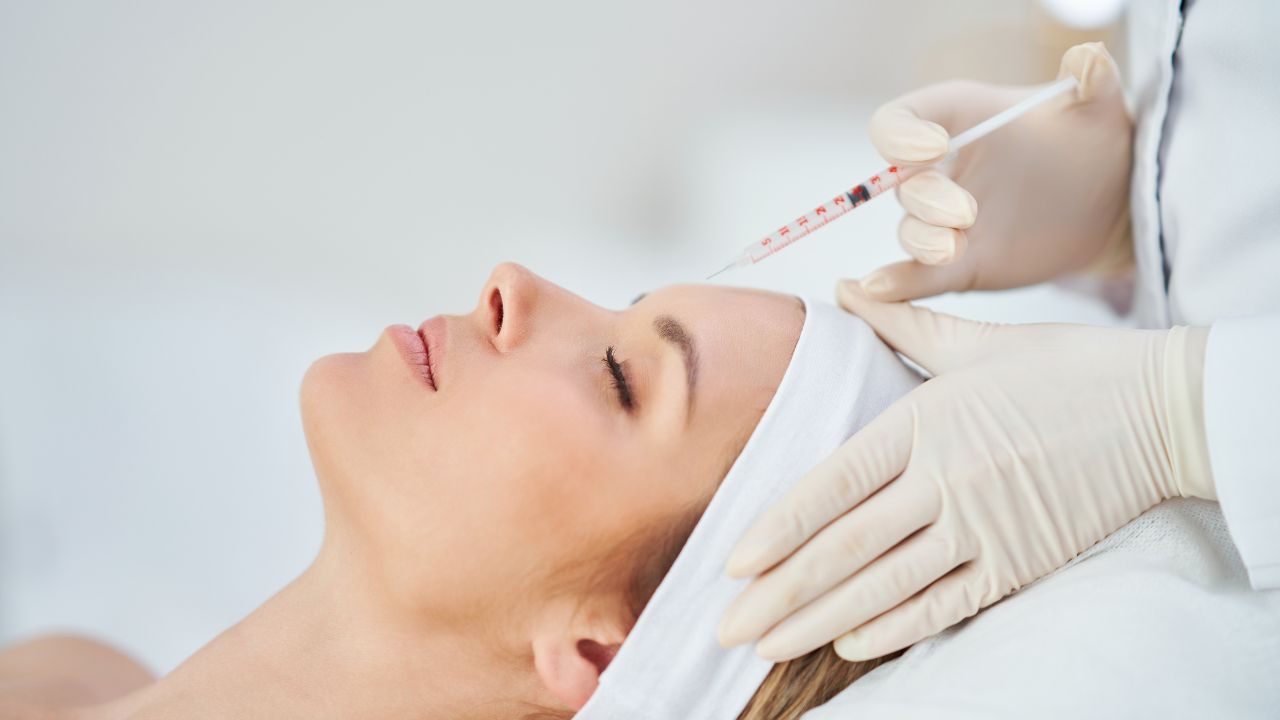
A typical session at a clinic offering Botox injections in Newport Beach involves approximately 31 injections across seven key areas of the head and neck. The entire procedure takes about 10 minutes in your doctor’s office with no downtime required.
How Long Do the Effects of Botox Last for Migraine Relief?
Effects typically last 3 to 4 months. Most patients notice improvement within 10 to 14 days, though maximum benefit often appears at the 4 to 6 week mark. Some patients report effects wearing off around week 9 or 10.
To schedule Botox treatment effectively, plan for appointments every 12 weeks—four times per year. Results improve with consistency. After two treatment cycles, about 50% of patients experience headaches half as often. After five cycles, that number rises to 70%.
Why Should You Plan Botox Treatments Around Your Travel Schedule?
Strategic Botox treatment planning can mean the difference between enjoying your trip and spending it managing pain. Travel introduces multiple migraine triggers simultaneously, making timing essential for those who rely on Botox for pain relief. For patients seeking additional regenerative treatments alongside Botox, other options may complement your pain management plan.
How Does Travel Impact the Effectiveness of Botox Treatments?
Travel stacks migraine triggers. Lack of sleep, stress, missed meals, noise, and dehydration often occur together during trips. While 79% of migraine patients recognize their personal triggers, most find that several factors combine at once to actually spark an attack.
Routine disruption is the common thread. When you travel, nearly every aspect of your normal schedule shifts—and that unpredictability can undermine even well-managed migraine control.
Can Changes in Time Zone or Climate Affect Botox Results?
Yes. Jet lag disrupts sleep patterns, a recognized migraine trigger. Even sleeping just 30 minutes longer than usual can set off an attack in sensitive individuals. Changes in meal timing and daily rhythms compound the problem.
Climate matters too. People prone to migraines often react to barometric pressure shifts. Flying to a different weather zone or altitude introduces environmental variables your body must process on top of travel fatigue.
What Is the Best Timing for Botox Injections in Relation to Travel?
Schedule Botox treatment 6 to 8 weeks before major Botox holiday travel. This window allows the medication to reach full effectiveness while giving any minor side effects, like bruising or swelling, time to resolve completely.
Keep in mind that initial results appear within 4 weeks, but maximum benefit builds over time. First-time patients may need up to 6 months and multiple treatment cycles to experience optimal relief. If you’re new to Botox injections Newport Beach providers offer, plan your first session well ahead of important travel dates.
How Should You Plan Botox Treatments Around Holiday Travel to Ensure Optimal Results?
Proper Botox treatment planning requires working backward from your travel dates. With the right timeline, you can arrive at your destination with full migraine protection in place and any minor side effects long resolved.
What Is the Ideal Timing for Botox Injections Before Traveling?
Schedule Botox treatment 6 to 8 weeks before major holiday travel or events. This gives the medication time to reach peak effectiveness, which occurs approximately 2 weeks after injection.
Mark your calendar for follow-up treatments at the 3 to 4-month mark. Consistent scheduling maintains your protection and prevents gaps in coverage during future trips.
How Long Should You Wait After Receiving Botox Before Traveling?
Most practitioners recommend waiting 24 to 48 hours before flying. While Botox settles into nerve endings within about 10 minutes, this buffer allows the product to fully stabilize. Stay upright for 3 to 4 hours post-injection to prevent migration.
Some clinics advise avoiding long-haul flights for 72 hours, though this recommendation is largely precautionary rather than evidence-based.
Should You Schedule Botox Treatments Before or After a Long Flight or Road Trip?
Before. You want Botox for pain protection active during travel, not developing afterward. If circumstances require treatment closer to departure, avoid lying flat for at least 4 hours post-injection—including during flights.
Do not massage or apply pressure to treated areas while traveling. Skip neck pillows that press against injection sites.
Are There Specific Factors Related to Travel That Can Enhance or Diminish the Results of Botox?
Hydration matters most. Airplane cabins pressurize to approximately 8,000 feet with 25% less oxygen than sea level, causing significant dehydration. Drink water consistently throughout your flight.
Avoid alcohol for 24 hours after treatment—it increases blood flow and may affect how Botox settles. Skip strenuous exercise for the same period to minimize bruising.
What Should You Do If You Experience Discomfort or Side Effects While Traveling After Botox Treatments?
Common side effects are mild and temporary. Clinical trials showed neck pain in 9% of patients and headache in 5%. Soreness at injection sites and temporary muscle weakness resolve quickly.
For minor swelling, apply a cold compress gently. Stay hydrated and move regularly during flights to support circulation. If you received Botox injections from Newport Beach clinics provided before departure, contact your provider with any concerns.
What Are the Common Challenges of Botox Treatments While Traveling?
Even with careful Botox treatment planning, travel introduces variables beyond your control. Understanding these challenges helps you prepare and respond effectively during Botox holiday travel.
How Does Flying Impact Botox Results?
Cabin pressure changes may worsen minor side effects like swelling or bruising. Atmospheric pressure shifts can also trigger migraines more frequently in susceptible individuals—even those receiving Botox for pain management.
The good news: pressurized cabins will not move Botox around in your body. The theoretical risk of migration only applies if you lie flat for extended periods too soon after treatment. Wait the recommended 24 to 48 hours before flying, and you eliminate this concern.
What Are the Risks of Botox Injections During the Holiday Season of Increased Stress?
Stress is a primary migraine trigger. Nearly 70% of migraine sufferers identify it as a factor, and studies show 50 to 70% of patients link daily stress levels directly to migraine activity. The holidays amplify this—64% of people with mental health conditions report worsening symptoms during this season.
Chronic stress triggers sustained cortisol release, increasing inflammation throughout the body. Interestingly, some people experience “let-down migraines” when stress finally subsides, such as on the first day of vacation. Schedule Botox treatment with these patterns in mind.
Can Holiday Foods or Activities Affect Your Botox Treatment?
About one-third of migraine patients find that alcohol triggers attacks. Red wine tops the list due to its tannin content. Beyond direct effects, alcohol causes dehydration—itself a common migraine trigger.
Aim for at least 8 glasses of water daily, especially during holiday gatherings. Common food triggers include chocolate, dairy, tyramine-containing foods, MSG, and nitrates, though individual responses vary. Excessive caffeine can also contribute to migraine onset. If you recently received Botox injections, Newport Beach specialists recommend staying hydrated and moderating intake to support your treatment results.
How to Maintain the Best Results During Your Trip
Botox for pain management works best when supported by consistent habits. Your choices during Botox holiday travel directly influence how well your treatment protects you from migraine attacks.
How Can You Prevent Migraine Flare-Ups While Traveling?
Routine is your strongest defense. Eat and sleep at consistent times whenever possible. Pack snacks for long journeys to avoid going hours without food—a known migraine trigger.
The American Migraine Foundation reports that one-third of migraine sufferers identify dehydration as a trigger. Carry water and drink regularly. Also, keep migraine medication accessible for quick treatment if an attack begins despite precautions.
What Lifestyle Changes Can Help You Maintain Botox Benefits During Travel?
Prioritize 7 to 8 hours of quality sleep nightly. Avoid alcohol and caffeine before flights—both contribute to dehydration and can increase bruising if your treatment is recent.
Keep a headache diary throughout your trip. Tracking patterns helps identify personal triggers and provides valuable information for your next Botox treatment planning session. Minimize excessive facial movements in the days following treatment to avoid straining treated muscles.
How to Manage Stress, Sleep, and Hydration to Optimize Botox Treatment Results?
Complete holiday shopping and preparations early to eliminate last-minute stress. Schedule personal time for exercise and relaxation even during busy travel days.
Drink at least 8 glasses of water daily. At higher elevations, increases to 12 or more cups. Maintain consistent sleep and wake times regardless of time zone changes. Practice deep breathing or meditation throughout the holiday season—simple techniques that take minutes but significantly reduce stress-related migraine risk for those who schedule Botox treatment as part of their prevention plan.
How Do Different Types of Travel Affect Botox Treatments?
Not all trips pose equal challenges for migraine management. Understanding how specific travel conditions interact with Botox for pain treatment helps you prepare appropriately for any destination.
How Do Long Flights Influence Botox Treatments for Migraines?
Flights lasting 3 or more hours can aggravate recently treated areas and increase complication risk. Recycled cabin air depletes moisture from skin and body, while reduced oxygen levels may cause additional stress on your system.
Stay upright during flights to minimize bruising, swelling, and any theoretical risk of toxin migration. Doctors advise remaining upright for at least 4 hours post-injection. If your Botox holiday travel involves a long-haul flight, schedule treatment at least 48 hours before departure.
Does Traveling to High-Altitude Destinations Alter the Effectiveness of Botox?
High altitude significantly increases migraine risk. Nearly 50% of people experience altitude headaches above 10,000 feet. Migraine sufferers face even greater vulnerability—they are 2.5 times more likely to develop headaches at altitude and 14 times more likely to experience migraine-like symptoms.
Research shows living above 1,000 meters increases migraine prevalence by 31 to 63%. At 3,400 meters, barometric pressure drops approximately 238 mmHg from sea level. Ascend gradually—no more than 1,600 feet daily above 8,500 feet—to help your body adjust while your Botox treatment continues working.
What Should You Know About Botox and Extreme Weather Conditions During Travel?
Cold weather affects joints and muscles, potentially increasing pain levels. Barometric pressure shifts that accompany weather changes trigger migraines in susceptible individuals—even those who schedule Botox treatment regularly.
Dehydration occurs easily in both hot and cold extremes. Migraine sufferers typically have low tolerance for reduced oxygen levels found at high altitudes. If you received Botox injections, Newport Beach providers administered before traveling to extreme climates, increase hydration, and monitor your symptoms closely.
What Are the Potential Side Effects of Botox While Traveling?
Knowing what to expect after treatment helps you manage any issues that arise during Botox holiday travel. Most side effects are minor and resolve quickly with basic care.
What Side Effects Can Occur Immediately After Botox Injections, and How Can You Manage Them While on the Go?
Common post-injection effects include redness, soreness, or swelling at injection sites. Neck pain is the most frequently reported side effect, affecting 4.3% of patients in clinical studies. Injection site pain, drooping eyelids, and temporary muscle weakness occur in about 2.1% of cases.
Some people experience mild flu-like symptoms, though this is uncommon. All side effects are typically transient, resolving within hours to days. Pack a small cold compress in your carry-on for quick relief if needed.
Are There Specific Risks When Traveling Right After Receiving Botox?
Flying too soon after Botox is not dangerous, but it could affect your comfort or results. The primary concern is toxin migration if the treatment area is manipulated before the product settles.
Avoid rubbing or massaging treated areas. Skip hats that press against injection sites. Do not lean your face against airplane windows or seat backs. These simple precautions protect your Botox for pain investment during travel.
How Can You Address Mild Bruising or Swelling While Traveling?
Apply a cold compress gently to reduce minor swelling. Avoid alcohol and caffeine before flights—both increase dehydration and bruising risk. Stay hydrated throughout your journey.
Most bruising and swelling resolve within a few days without intervention. If discomfort persists or worsens, contact your provider. Those who received Botox injections from Newport Beach clinics can typically reach their care team by phone for guidance while traveling.
How Can You Ensure the Best Botox Results During the Holiday Season?
Success with Botox holiday travel starts long before you pack your bags. Strategic Botox treatment planning and clear communication with your provider set the foundation for migraine-free celebrations.
Why Is It Important to Plan Botox Treatments Well Ahead of Holiday Travel?
Planning 6 to 8 weeks allows treatment to reach full effectiveness. This buffer also gives any side effects, like bruising or swelling, time to resolve completely before your trip.
Last-minute planning creates stress—itself a migraine trigger. Early scheduling enables your practitioner to assess your response to treatment and address concerns before you travel. When you schedule Botox treatment with adequate lead time, you eliminate preventable complications.
What Are the Key Tips for Ensuring Optimal Botox Results During Travel?
Hydration tops the list. Drink water consistently throughout travel. Maintain your regular sleep schedule as closely as possible and avoid known triggers like alcohol, problematic foods, and stressful situations.
Protect your treatment by not massaging or manipulating treated areas. Stay upright for at least 4 hours post-injection. Avoid strenuous exercise for 24 hours after treatment. Always keep emergency migraine medication accessible in case an attack breaks through.
How Can You Communicate Effectively with Your Botox Provider About Your Travel Plans?
Be upfront about travel plans when booking your appointment. A qualified practitioner providing Botox injections Newport Beach patients trust will tailor guidance based on your history, treatment areas, and specific itinerary.
Schedule your next appointment before leaving the office to maintain your treatment cycle. Ask about preventive medications for high-altitude travel, such as acetazolamide or ibuprofen. Review post-treatment instructions specific to your travel circumstances so you know exactly how to protect your Botox for pain results while away.
Plan Your Botox Treatment for a Smooth and Pain-Free Holiday
Maximize your Botox treatment benefits by scheduling with your travel plans in mind. By preparing ahead of time and taking simple steps to manage hydration, stress, and travel conditions, you can enjoy migraine relief without interruption. At Regenerative Institute of Newport Beach, we’re here to support you with personalized care to help you navigate Botox treatments around your travel plans. Contact us today to learn more about how we can help you plan your Botox treatment for the most effective results and a pain-free holiday season.

