PRP injections harness your body’s natural healing power to repair damaged joints and tendons. The procedure takes less than an hour and requires minimal downtime, making it a practical alternative to surgery for patients with chronic pain.
This step-by-step PRP guide walks you through each phase of the process, from preparation to injection, so you know exactly what to expect.
Key Takeaways
- PRP uses concentrated platelets from your own blood to deliver growth factors directly to injured tissue
- The complete PRP injection procedure takes 45-60 minutes in an outpatient setting
- Recovery unfolds in three biological phases over 3-6 months, with peak benefits occurring between months 3-6
- Strict NSAID avoidance for 5 days before and 2-4 weeks after treatment is critical for success
- Success rates vary by condition: 60-100% for knee osteoarthritis and lateral epicondylitis, mixed results for Achilles tendinopathy
What Is PRP Therapy?
PRP therapy uses concentrated platelets from your own blood to accelerate healing in damaged tissues. The treatment delivers growth factors directly to injured areas, triggering natural repair mechanisms without surgery or long-term medication. Understanding how PRP injections work helps patients set realistic PRP treatment expectations and make informed decisions about their care.
What Is Platelet-Rich Plasma (PRP)?
PRP is a concentration of your own platelets extracted from a standard blood draw. A typical procedure collects 20 to 60 mL of blood, which is processed to create a solution 5 to 7 times more concentrated in platelets than normal blood. This concentration delivers a high dose of growth factors and cytokines directly to the injured joint or tendon.
How Does PRP Therapy Work?
PRP reduces inflammation while promoting tissue regeneration. The concentrated platelets release growth factors that modulate the inflammatory response, stimulate production of lubricating synovial fluid, and suppress cartilage-degrading enzymes. This biological cascade promotes tissue healing and may stimulate cartilage repair by inducing tissue maturation and enhancing hyaluronic acid secretion.
What Conditions Can PRP Therapy Treat?
PRP demonstrates strong clinical results across multiple orthopedic conditions. Mild to moderate knee osteoarthritis shows 60-70% success rates. Tennis elbow (lateral epicondylitis) responds exceptionally well, with success rates between 70-100%. Patellar tendinopathy allows 86% of athletes to return to pre-injury activity levels.
Partial-thickness rotator cuff tears show significant improvement over two-year follow-ups, and chronic lateral ankle instability achieves 100% satisfactory functional results, with 85% returning to pre-injury activity. Achilles tendinopathy shows mixed results; current evidence does not support routine use over standard conservative treatment.
What To Expect Before A PRP Injection?
Proper preparation maximizes treatment effectiveness and minimizes complications. Your pre-procedure routine directly impacts platelet function and treatment outcomes.
How Should I Prepare For A PRP Injection?
Stop all anti-inflammatory medications (ibuprofen, naproxen, aspirin) at least five days before treatment, NSAIDs inhibit platelet function and can completely negate therapeutic benefits. Stay well-hydrated and eat a nutritious meal before your appointment. Plan for limited activity immediately following the procedure.
What Happens During A Pre-Treatment Consultation?
Your physician evaluates the injury through physical examination and imaging review. You discuss treatment goals, expected outcomes, and recovery timeline. The medical team reviews your current medications and medical history to identify potential contraindications. You complete informed consent after reviewing procedure details, risks, and expected benefits.
Are There Any Pre-Procedure Instructions For PRP?
Discontinue NSAIDs five days prior, this is the most critical preparation step. Maintain adequate hydration in the 24 hours before treatment. Eat a balanced meal 1-2 hours before your appointment to prevent lightheadedness during the blood draw. Arrange transportation if you prefer, though most patients drive themselves home.
What Happens During The PRP Injection Procedure?
The PRP injection process follows a precise protocol to ensure maximum platelet concentration and accurate delivery. Each step is designed to optimize healing outcomes and provide a consistent patient experience across different orthopedic conditions.
How Is A PRP Injection Administered?
Physicians use ultrasound guidance to ensure precise placement into the joint space, tendon, or ligament. This real-time imaging confirms needle positioning and accurate delivery to the target tissue. The procedure occurs in an outpatient setting with no need for general anesthesia or sedation.
What Are The Key Steps In The PRP Injection Procedure?
Blood Collection: A standard blood draw from your arm collects 20 to 60 mL into sterile anticoagulant tubes. Larger collection volumes yield higher total platelet counts, ensuring a more concentrated final product.
Centrifugation and Platelet Separation: The blood undergoes a double-spin process. The first spin (100–300 g for 5–10 minutes) separates red blood cells from plasma. The second, faster spin (400–700 g for 10–17 minutes) concentrates platelets at the bottom of the plasma layer, creating the highly concentrated PRP solution.
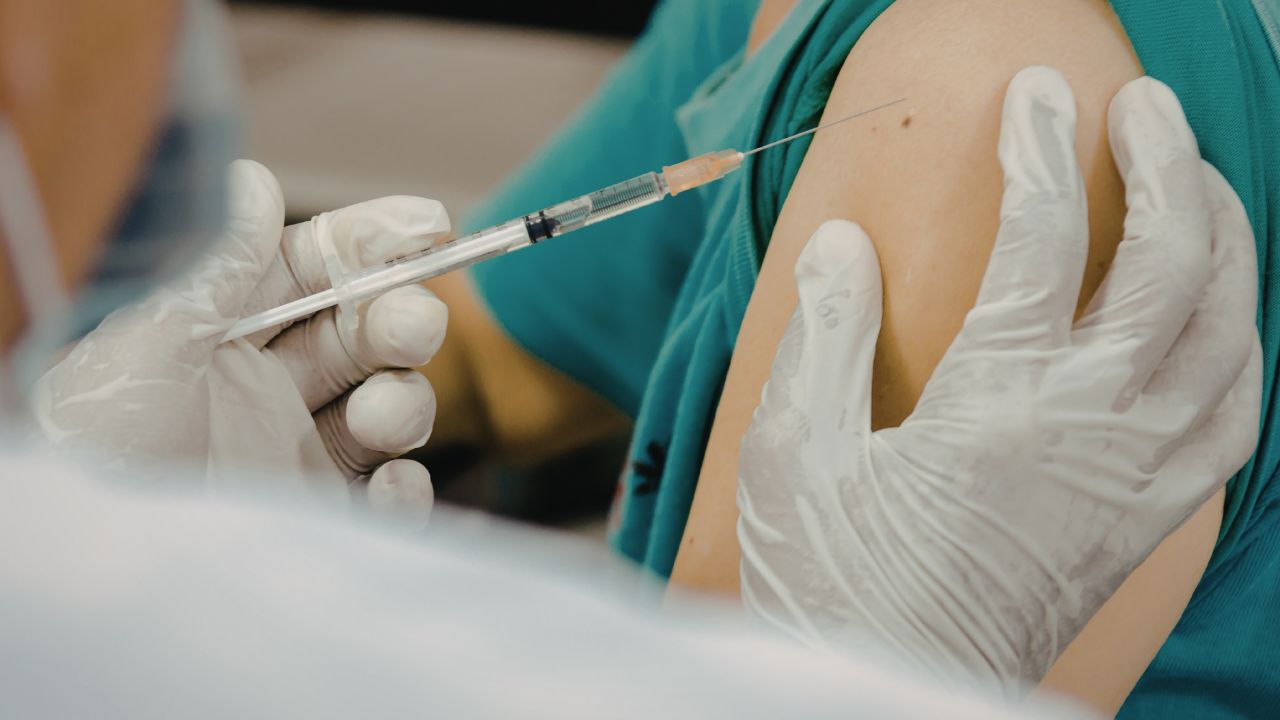
Injection into the Affected Area: The physician draws concentrated PRP into a syringe and uses ultrasound guidance for precise delivery. The injection targets the exact location of tissue damage, joint space, tendon insertion, or ligament, for optimal therapeutic effect.
Is The PRP Injection Painful?
Most patients experience mild discomfort or pressure as the PRP enters the tissue. The sensation is comparable to a standard cortisone injection. Pain levels vary based on injection site, joints typically cause less discomfort than dense tendons.
How Long Does The PRP Injection Procedure Take?
The complete procedure takes 45 to 60 minutes from blood draw to injection. Blood collection requires 5 minutes, centrifugation takes 15-20 minutes, and the injection itself lasts 5-10 minutes. The remaining time covers preparation, ultrasound positioning, and post-procedure instructions.
What Happens After A PRP Injection?
PRP recovery unfolds in three distinct biological phases over 3 to 6 months. Each phase requires specific activity modifications and self-care protocols to optimize tissue regeneration and prevent treatment failure.
What Should I Expect During The Recovery Period?
Weeks 1–2: The Inflammatory Phase
Expect mild to moderate soreness, swelling, and stiffness at the injection site for 3 to 5 days. This temporary pain increase is a necessary inflammatory response confirming the healing cascade has begun. Maintain strict rest with limited mobility, short, gentle walks are acceptable if pain-free. Do not take NSAIDs, avoid strenuous exercise, and keep the injection site dry (no baths or hot tubs for 48 hours).
Weeks 3–6: The Proliferation Phase
Pain noticeably decreases as newly formed tissue begins organizing and strengthening. Mobility gradually returns during this critical window. Begin structured physical therapy immediately, gentle stretching and range-of-motion exercises align new collagen fibers and prevent scar tissue formation. High-impact activities (running, jumping) remain restricted. Our pain management solutions team can guide you through optimal recovery protocols.
Weeks 7–12+: The Remodeling Phase
Joint function substantially improves with a significant decrease in baseline pain. Most patients experience first noticeable improvement around week 6, with full benefits peaking between 3 to 6 months. Gradually return to full pre-injury activities and sports as cleared by your medical team. Continue strength training to support long-term joint stability.
Recovery timelines vary by condition. Knee osteoarthritis shows first improvement at week 6, substantial improvement at week 12, and full benefit at week 24. Patellar tendinopathy improves by week 4, substantially by week 12, with full benefit at week 34. Lateral epicondylitis follows a similar 4-12-26 week pattern. Rotator cuff partial tears require longer recovery, first improvement at week 6, substantial at week 16, full benefit at week 52.
Chronic lateral ankle instability recovers fastest: week 4 for initial improvement, week 8 for substantial gains, week 12 for full benefit. Achilles tendinopathy shows improvement at week 6, substantial progress at week 16, and full benefit at week 26.
What Are The Common Side Effects After A PRP Injection?
Localized pain, swelling, and stiffness for 3-5 days are normal inflammatory healing responses. Mild redness and bruising at the injection site typically resolve within one week. Infection is extremely rare because PRP uses your own blood, eliminating rejection risk. All side effects listed are temporary and indicate successful healing activation.
How Long Will It Take To See Results From PRP?
Most patients notice initial improvement around week 6. Peak benefits occur between 3 to 6 months post-injection. Condition-specific timelines vary, chronic lateral ankle instability improves fastest (4 weeks), while partial rotator cuff tears require the longest recovery (6 weeks for initial improvement, 52 weeks for full benefit).
When Can I Resume Normal Activities After A PRP Injection?
Maintain strict rest for the first 48 hours, avoiding all high-impact activities. Weeks 1-2 allow limited mobility with short, gentle walks if pain-free. Begin structured physical therapy and gentle stretching during weeks 3-6. Gradually return to full pre-injury activities and sports during weeks 7-12 as cleared by your medical team.
Manage pain with acetaminophen (Tylenol) only, NSAIDs must be strictly avoided for at least two to four weeks post-injection. Apply ice in short intervals (15-20 minutes) for the first two days to manage severe swelling, but avoid excessive icing as it can blunt the inflammatory healing response.
What Are The Benefits And Risks Of PRP Therapy?
PRP delivers concentrated growth factors that promote tissue healing while minimizing risks associated with synthetic treatments. The therapy’s autologous nature, using your own blood, provides inherent safety advantages over cortisone and other pharmaceutical interventions.
What Are The Benefits Of PRP Injections?
PRP promotes tissue healing through concentrated growth factors while reducing inflammation via modulation of the joint’s inflammatory environment. The treatment stimulates cartilage repair by inducing tissue maturation and enhances joint lubrication through increased hyaluronic acid secretion. PRP demonstrates superior safety compared to cortisone injections with sustained long-term relief, up to 30 weeks of pain improvement versus cortisone, which worsens after 15 weeks.
Higher-quality evidence supports PRP effectiveness. The therapy has accumulated more high-level randomized controlled trials than cortisone, validating its clinical superiority. Using the patient’s own blood minimizes rejection risk and eliminates allergic reactions. The minimally invasive outpatient procedure completes in 45-60 minutes, providing 6 to 12+ months of pain relief for knee osteoarthritis with no need for general anesthesia or hospital admission.
What Are The Risks And Potential Side Effects Of PRP Therapy?
| Risk/Side Effect | Severity | Duration | Management |
| Localized pain | Mild to Moderate | 3-5 days | Acetaminophen (Tylenol) |
| Swelling | Mild to Moderate | 3-5 days | Ice packs (15-20 min intervals) |
| Stiffness | Mild | 3-5 days | Gentle range-of-motion exercises (after week 3) |
| Bruising | Mild | 3-7 days | Normal healing process |
| Infection | Very Rare | N/A | Use of patient’s own blood minimizes risk |
| Nerve sensitivity | Rare | Temporary | Typically resolves spontaneously |
Is PRP Therapy Safe For All Patients?
PRP demonstrates a superior safety profile compared to cortisone injections. The autologous nature, using the patient’s own blood, minimizes rejection risk, eliminates allergic reactions, and prevents disease transmission. Patients should consult their physician to determine suitability based on individual medical history and specific contraindications.
How Effective Is PRP Therapy?
PRP effectiveness depends on multiple clinical and procedural factors. Success rates vary significantly based on condition severity, tissue type, preparation method, and patient compliance with post-procedure protocols.
What Factors Affect The Success Of PRP Therapy?
Condition type and severity directly influence outcomes. Rotator cuff patients with >50% partial tears show the best results, while severe “bone-on-bone” arthritis demonstrates limited PRP effectiveness. Tissue type matters; lateral epicondylitis achieves 70-100% success rates, but Achilles tendinopathy shows mixed results.
PRP preparation method significantly impacts efficacy. Leukocyte-poor PRP formulations show superior results for knee osteoarthritis, and the double-spin manual method yields optimal platelet concentration. Patient compliance with post-procedure protocols, particularly NSAID avoidance and structured physical therapy during weeks 3-6, determines treatment success. Earlier intervention for mild-to-moderate conditions typically yields better outcomes than delayed treatment of advanced degeneration.
How Long Do The Effects Of PRP Therapy Last?
PRP provides reliable pain relief for 6 to 12+ months across most conditions. Knee osteoarthritis specifically shows efficacy lasting up to one year. Cortisone peaks at 6 weeks and worsens after 15 weeks, while PRP demonstrates sustained improvement for up to 30 weeks with statistically significant superiority over cortisone at the 1-year follow-up mark.
What Is The Expected Outcome After A PRP Injection?
| Condition | Expected Outcome |
| Knee Osteoarthritis | 60-70% of patients report significant pain reduction and improved mobility lasting 6-12 months |
| Lateral Epicondylitis (Tennis Elbow) | Success rates ranging from 70% to 100%; substantial long-term reductions in DASH (disability) scores |
| Patellar Tendinopathy | 86% of athletes return to pre-symptom sporting levels |
| Rotator Cuff (Partial-Thickness Tears) | Significant improvements in VAS pain scores and global rating scores over 2-year follow-up; best results in patients with >50% partial tears |
| Chronic Lateral Ankle Instability | 100% satisfactory functional result rate; 85% of patients return to pre-injury activity levels |
| Achilles Tendinopathy | Mixed results; current evidence does not support routine use as superior to placebo or standard conservative therapies |
Meta-analyses encompassing over 25,000 participants demonstrate that leukocyte-poor PRP consistently achieves the Minimal Clinically Important Difference (MCID) in WOMAC and VAS pain scores at 3, 6, and 12 months. A 2025 systematic review analyzing 356 studies and over 24,000 knee osteoarthritis patients noted that PRP studies have surpassed cortisone studies in publication trends since 2020, confirming a clinical preference shift toward regenerative medicine.
How Can I Maximize The Effectiveness Of PRP Therapy?
Treatment success depends on strict adherence to pre- and post-procedure protocols. Patient compliance with NSAID avoidance and structured physical therapy during weeks 3-6 directly determines regenerative outcomes.
What Should I Do Before And After PRP To Improve Results?
Discontinue all NSAIDs (ibuprofen, naproxen, aspirin) at least 5 days before your procedure. Stay well-hydrated and eat a nutritious meal on procedure day to prevent lightheadedness during the blood draw.
Rest the injection site for the first 48 hours, avoiding high-impact activities. Apply ice in short intervals (15-20 minutes) for severe swelling only. Use acetaminophen (Tylenol) for pain relief, continue avoiding NSAIDs for at least 2-4 weeks post-injection to allow the inflammatory healing response to proceed naturally.
Weeks 3-6 represent the critical optimization window. Begin structured physical therapy immediately with gentle stretching and range-of-motion exercises. These activities align new collagen fibers and prevent scar tissue formation, directly determining long-term treatment success. Continue strength training to support the joint during weeks 7-12 and beyond, gradually returning to full activities as cleared by your medical team.
Are There Lifestyle Changes That Can Enhance PRP Effectiveness?
Maintain a nutritious, balanced diet to support tissue healing and stay consistently well-hydrated throughout recovery. Continued strength training provides essential long-term joint support beyond the initial healing phase. Active participation in structured physical therapy during weeks 3-6 is non-negotiable for optimal outcomes.
Modify activities to avoid high-impact stress during the first 6 weeks. Strict NSAID avoidance during the healing period (minimum 2-4 weeks) is the single most important medication management factor determining treatment success or failure.
Is PRP Therapy An Effective Alternative To Surgery?
PRP therapy offers a proven regenerative alternative to surgery and long-term medication for patients with mild to moderate joint pain and tendon injuries. Success requires careful patient selection and strict protocol adherence.
Is PRP Therapy Right For Me?
Choose PRP therapy if:
- You have mild to moderate osteoarthritis seeking long-term relief lasting 6-12 months
- You suffer from tendonitis (tennis elbow, patellar tendinopathy) where success rates reach 70-100%
- You want to avoid or delay surgery with a minimally invasive outpatient option
- You prioritize treatments with superior safety profiles compared to cortisone injections
- You can commit to following post-procedure protocols including NSAID avoidance and structured physical therapy
PRP may not be your best option when:
- You have severe “bone-on-bone” osteoarthritis (consider stem cell therapy or surgical options)
- You suffer from chronic Achilles tendinopathy (mixed evidence; alternative treatments may prove more effective)
- You cannot discontinue NSAIDs or comply with recovery protocols
What Are The Next Steps After Reading This Guide?
Consult with a board-certified orthopedic specialist or regenerative medicine physician to determine if PRP is appropriate for your specific condition. Prepare questions about your individual case, expected outcomes, and timeline. Review your medication list and discuss NSAID discontinuation timing with your physician.
Plan for recovery by arranging time off for the procedure and initial recovery period. Identify a qualified physical therapy provider for the critical weeks 3-6 treatment window. Set realistic expectations, initial improvement typically occurs around week 6, with peak benefits at 3-6 months post-injection.
Ready to explore PRP therapy for your chronic pain? Schedule a consultation with Dr. Khyber Zaffarkhan at the Regenerative Institute of Newport Beach to determine if PRP injections are right for you.

