
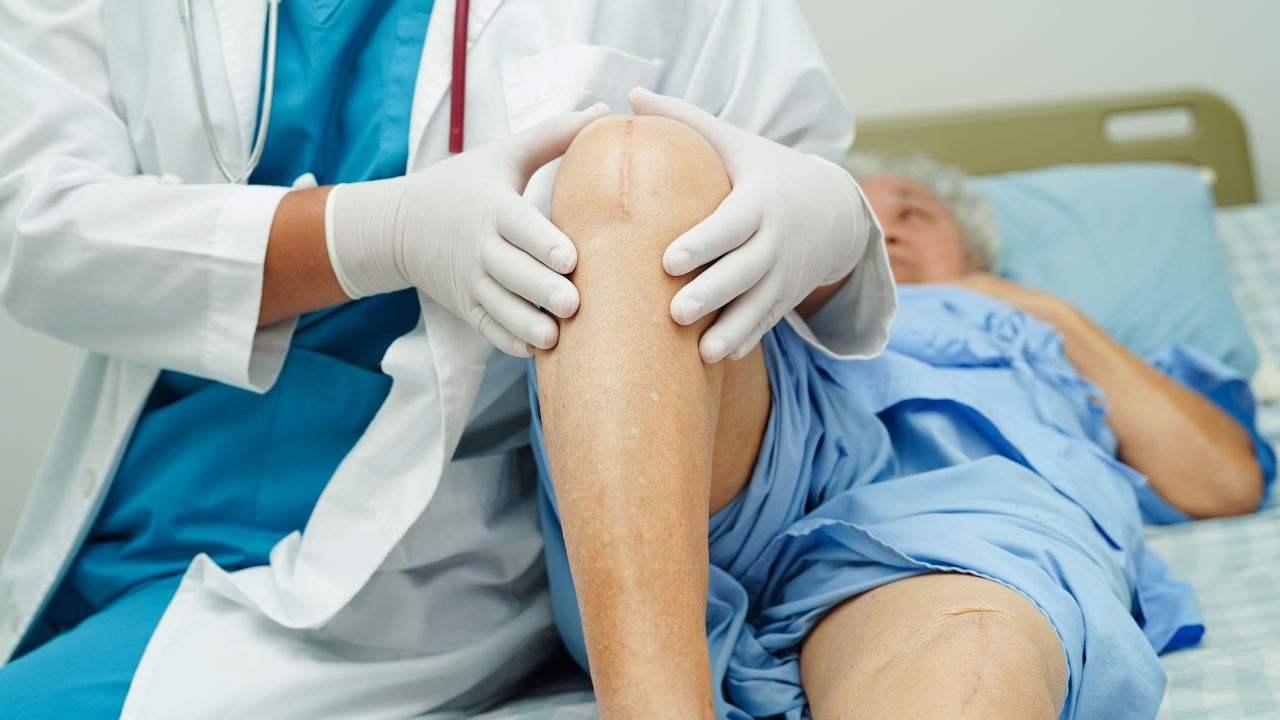
Many people with knee osteoarthritis wonder whether joint injections can help them avoid or postpone knee replacement surgery. Observational research suggests some patients who receive platelet-rich plasma injections may delay surgery by several years, though outcomes depend on arthritis severity, patient health, and treatment protocol. Joint injections cannot reverse advanced structural damage, but for appropriately selected patients, they may reduce pain enough to maintain function and postpone surgical intervention.
The decision to pursue joint injections should be based on thorough evaluation of joint condition, functional goals, and realistic expectations. Injections work well when integrated into a broader joint preservation plan including physical therapy, activity modification, and ongoing monitoring.
Key Takeaways
- Observational research shows 74.1% of knee osteoarthritis patients who received PRP delayed knee replacement by more than 1.5 years
- PRP injections ranked highest for pain and function improvement at six months compared to corticosteroid, hyaluronic acid, and placebo treatments
- Corticosteroid injections provide short-term pain relief lasting up to three months but are not designed for long-term joint preservation
- Joint injections work well as part of a comprehensive treatment plan including physical therapy, activity modification, and weight management
- Patient selection matters: arthritis severity, age, injection protocol, and treatment goals all influence whether injections may help delay surgery
What Are Joint Injections and How Do They Work for Knee Pain?
Joint injections deliver therapeutic substances directly into the knee to reduce pain, calm inflammation, or support tissue healing responses. Different injection types work through distinct mechanisms: corticosteroids suppress inflammation quickly, hyaluronic acid aims to improve joint lubrication, and platelet-rich plasma uses concentrated growth factors to support the body’s healing environment.
Effectiveness depends on patient selection and clinical protocol. Factors like age, arthritis severity, injection preparation method, and post-treatment activity management all influence outcomes. Comprehensive evaluation should include imaging review, functional assessment, and discussion of realistic timelines.
Types of Joint Injections: PRP, Corticosteroids, and Hyaluronic Acid
Platelet-rich plasma injections use your own blood, processed to concentrate platelets and growth-factor signaling molecules that may support healing. The preparation involves drawing blood, spinning it in a centrifuge, and injecting the concentrated platelet layer into the affected joint. PRP protocols vary significantly across clinics in platelet concentration, activation method, and whether imaging guidance is used.
Corticosteroid injections deliver anti-inflammatory medication directly into the joint space to calm acute inflammation and reduce pain quickly. Hyaluronic acid injections, also called viscosupplementation, aim to restore joint lubrication by supplementing the gel-like fluid normally present in healthy cartilage. Bone marrow aspirate concentrate represents another regenerative medicine approach that concentrates cells and growth factors from bone marrow for injection into damaged joints.
The table below summarizes how each injection type works and its primary treatment goal.
| Injection Type | How It Works | Primary Goal |
| Corticosteroid | Anti-inflammatory medication delivered into the joint space | Fast, short-term pain relief |
| Hyaluronic Acid | Supplements joint lubrication (viscosupplementation) | Improve joint cushioning and comfort |
| Platelet-Rich Plasma (PRP) | Concentrated platelets and growth factors from your own blood | Support a healing environment and reduce inflammation |
| Bone Marrow Aspirate Concentrate (BMAC) | Concentrated cells and growth factors from bone marrow | Support tissue repair signaling |
Goals of Joint Injections: Pain Relief vs Regenerative Support
The primary goal of corticosteroid injections is immediate pain relief to help patients participate in physical therapy or resume daily activities. These injections are not designed to repair tissue or alter disease progression. They address symptoms temporarily.
Platelet-rich plasma and bone marrow aspirate concentrate injections aim to create a healing environment that may support longer-term symptom improvement. The goal is not to regrow lost cartilage but to potentially slow degeneration and reduce inflammatory signals within the joint. Success depends on whether enough healthy tissue remains to respond to growth factors and whether the patient commits to complementary therapies.
How Injection Protocols and Patient Selection Affect Outcomes
Patient outcomes vary widely based on age, osteoarthritis severity, number of injection cycles, and administration technique. According to AAOS patient education materials, PRP effectiveness is influenced by which body area receives treatment, whether the injury is acute or chronic, and how the PRP preparation is processed and activated.
A 2024 systematic review of post-PRP protocols examined 187 studies and found major inconsistency in recommendations for NSAID restrictions, activity limitations, and rehabilitation exercises following injection. Variables influencing knee replacement delay in observational research included arthritis grade at baseline, patient age, total number of PRP cycles received, and whether injections were guided by ultrasound.
Why Might Joint Injections Help Delay Knee Replacement Surgery?
Joint injections may help delay surgery by reducing pain enough to restore function, allowing patients to participate in physical therapy and daily activities. When pain improves, patients can strengthen supporting muscles, maintain mobility, and potentially slow functional decline without immediate surgical intervention. This does not mean the underlying arthritis disappears. Symptoms become manageable enough to postpone surgery.
The decision to proceed with knee replacement typically occurs when pain and loss of function remain unacceptable despite comprehensive nonsurgical care. If injections provide sustained relief that allows meaningful participation in work, exercise, and social activities, surgery timing can be reconsidered.
The Relationship Between Pain Management and Surgery Timing
Effective pain management creates space for other joint preservation strategies to work. When knee pain prevents walking, climbing stairs, or completing physical therapy exercises, muscle weakness and joint stiffness can accelerate functional decline. Reducing pain through injections may break this cycle by allowing patients to rebuild strength and maintain cardiovascular fitness.
Surgery timing depends on arthritis severity and on how symptoms affect quality of life and independence. Some patients with moderate arthritis on imaging experience severe limitations, while others with advanced structural changes maintain reasonable function.
Observational Evidence Supporting PRP for Surgery Delay
A retrospective study of 1,084 initial patients examined knee replacement delay following PRP injections, with 667 ultimately meeting inclusion criteria. Among patients who eventually underwent total knee arthroplasty, 74.1% delayed surgery by more than 1.5 years after receiving PRP. The median delay to knee replacement after PRP treatment was 5.3 years.
In a separate survival analysis within the same study, 85.7% of PRP-treated patients did not undergo knee replacement during five-year follow-up. Variables that influenced delay included baseline osteoarthritis severity, patient age at first injection, total number of PRP cycles received, and administration route.
Limitations of Current Research on Surgery Prevention
The PRP knee replacement delay study was observational rather than randomized, meaning it cannot prove PRP alone caused the surgery delay. Patients who chose PRP may have differed from those who proceeded directly to surgery in terms of arthritis severity, pain tolerance, activity level, or willingness to pursue multiple conservative treatments.
The study authors explicitly noted that observational design limits causal inference and called for controlled trials with longer follow-up. No current randomized trial has been powered to measure knee replacement as a primary endpoint, so existing evidence remains suggestive rather than definitive.
How Do PRP, Corticosteroid, and Hyaluronic Acid Injections Compare?
A 2024 network meta-analysis compared common knee osteoarthritis injections using data from 48 randomized studies involving 9,338 knees. The analysis ranked treatments by probability of improving pain and function at a minimum six-month follow-up using SUCRA scores. PRP had the highest overall ranking, followed by bone marrow aspirate concentrate, hyaluronic acid, corticosteroid, and placebo.
Different professional organizations weigh this evidence differently, causing variation in guideline support. AAOS assigns PRP a limited-strength recommendation, does not recommend routine hyaluronic acid use, and supports corticosteroids for short-term relief.
The table below shows how each injection type ranked in the 2024 network meta-analysis, along with current AAOS guideline support.
| Injection Type | SUCRA Ranking | AAOS Guideline Support |
| PRP | 91.54 | Limited-strength recommendation |
| Bone Marrow Aspirate Concentrate | 76.46 | Not separately addressed |
| Hyaluronic Acid | 53.12 | Recommends against routine use |
| Corticosteroid | 15.18 | Supports short-term use only |
| Placebo | Lowest ranking | Not applicable |
PRP’s Medium-Term Benefits and AAOS Recommendations
The 2024 network meta-analysis found that PRP significantly improved both pain and function compared with placebo at a minimum of six months. PRP achieved an overall SUCRA ranking of 91.54, indicating the highest probability of superior outcomes among injection types analyzed. PRP also ranked higher than bone marrow aspirate concentrate, hyaluronic acid, and corticosteroid for both pain relief and functional improvement.
Despite favorable comparative data, AAOS assigns PRP only a limited-strength recommendation for symptomatic knee osteoarthritis because of protocol heterogeneity and moderate-quality evidence. The guideline states that PRP vs cortisone knee injections may reduce pain and improve function, but the limited recommendation reflects ongoing uncertainty about optimal preparation methods and patient selection.
Corticosteroid Injections for Short-Term Pain Relief
Corticosteroid injections received a SUCRA ranking of just 15.18 in the comparative network analysis, indicating lower probability of sustained benefit. AAOS guideline rationale notes that pain and function effects from corticosteroid injections lasted only up to three months in reviewed studies. The recommendation was downgraded due to potential risk of accelerating osteoarthritis progression with repeated injections, though the guideline still supports short-term use for symptom flares.
Corticosteroids remain reasonable when the primary goal is rapid inflammation control to facilitate physical therapy or bridge to another treatment. They are not designed to support tissue healing or provide long-term symptom modification.
The Mixed Role of Hyaluronic Acid in Knee Osteoarthritis
Hyaluronic acid injections achieved a SUCRA ranking of 53.12, placing them between PRP and corticosteroids in comparative effectiveness. The 2024 network meta-analysis found that hyaluronic acid improved both pain and function versus placebo at a minimum of six months. Despite this evidence, AAOS does not recommend routine hyaluronic acid use for symptomatic knee osteoarthritis, assigning a moderate-strength recommendation against widespread use.
The discrepancy between some trial data and guideline recommendations reflects how different organizations weigh factors like cost-effectiveness, protocol variation, and clinical significance thresholds. Hyaluronic acid may help selected patients, particularly those who do not respond to other conservative measures.
When Are Joint Injections Not Enough to Avoid Surgery?
Joint injections are less likely to provide meaningful benefit when severe bone-on-bone arthritis exists with major joint deformity or instability. Patients who have lost the ability to complete basic daily functions like dressing, bathing, or walking short distances may need urgent surgical consultation. Advanced structural damage leaves little healthy tissue for regenerative injections to support.
Realistic expectations are essential when considering injections as a surgery-delay strategy rather than a permanent solution. Patients expecting a single injection to regrow cartilage or reverse decades of wear will likely be disappointed.
Identifying Severe Joint Degeneration and Structural Issues
Severe bone-on-bone arthritis with major deformity, gross instability, or complete loss of joint space represents a lower-fit scenario for injection therapy. Imaging that shows bone spurs, subchondral cysts, and near-complete cartilage loss suggests limited substrate for regenerative healing responses.
Patients experiencing rapidly worsening function, inability to bear weight, or severe disability despite multiple conservative interventions need prompt surgical evaluation. Delaying appropriate surgery when the joint is severely compromised can lead to further muscle atrophy, bone changes, and increased surgical complexity. The goal of joint preservation strategies is to postpone surgery when the joint remains salvageable, not to avoid inevitable replacement indefinitely.
Coordinating Injection Timing with Surgical Planning
Injection timing matters if knee replacement may be needed within several months, particularly with corticosteroid injections. Shoulder surgery meta-analysis data has raised infection-risk concerns when corticosteroids are administered shortly before arthroplasty procedures. Though knee-specific timing guidelines vary, many orthopedic surgeons prefer a minimum interval between corticosteroid injection and joint replacement surgery.
Questions to ask before proceeding include how timing affects surgical planning if conservative treatment fails. Understanding your surgeon’s policy on pre-operative injection intervals helps avoid scheduling conflicts or unnecessary delays. Some patients benefit from knowing what to expect during a PRP injection so they can coordinate timing with work schedules and surgical backup plans.
Setting Realistic Expectations for Injection Outcomes
Patients expecting a single injection to regrow cartilage or permanently reverse advanced osteoarthritis represent a lower-fit scenario for injectable therapies. Current research does not support claims that PRP or other biologics can reliably regenerate lost cartilage in human knees. The goal is to reduce inflammatory signaling, improve the cellular environment, and potentially slow further degeneration, not restore the joint to a pre-arthritic condition.
Realistic outcomes include pain reduction that allows better participation in physical therapy, decreased reliance on oral pain medications, and potential delay of surgery by months to years. Success should be measured by functional improvement, such as returning to walking, golf, or daily activities, rather than imaging changes.
Can Joint Injections Used for Shoulders Inform Knee Treatment?
Shoulder injection research provides useful context for understanding how regenerative treatments may work in different joints with different biomechanics. Rotator cuff tendinopathy and glenohumeral arthritis represent distinct pathologies from knee osteoarthritis, so direct comparison has limits. However, shoulder studies help illustrate how injection effectiveness depends on diagnosis, tissue quality, and whether the goal is symptom control or tissue healing.
PRP for Rotator Cuff Tendinopathy and Short-Term Pain Relief
A 2025 systematic review and meta-analysis of rotator cuff tendinopathy included 30 randomized controlled trials with approximately 2,500 participants. PRP reduced pain and improved function in the short term compared with both placebo and corticosteroid injections. However, long-term benefits beyond 12 months were limited, with retear rates and function scores similar to control groups.
A separate 2023 meta-analysis of 36 randomized trials involving 2,443 patients with rotator cuff disorders found similar patterns. PRP for rotator cuff tears showed promise for short-term symptom relief but did not consistently improve clinical outcomes when used to augment surgical repair.
Shoulder Arthritis and Injection Evidence Compared to Knee OA
A 2025 systematic review of shoulder arthritis injections analyzed 1,125 patients and 1,126 shoulders across multiple studies. Hyaluronic acid and corticosteroids were the most commonly studied injection types for glenohumeral osteoarthritis. Surgery for persistent shoulder symptoms occurred in just 3.2% of reported procedures, though this low rate may reflect shorter follow-up or different surgical thresholds than knee arthritis.
The overall complication rate for shoulder injections was 7.2%, mostly consisting of temporary pain flares or minor reactions.
Differences in Treatment Goals Between Shoulder and Knee
Shoulder tendinopathy or partial rotator cuff pathology where nonsurgical management remains appropriate represents a better-fit scenario for injection therapy. The treatment goal may be reducing pain enough to complete physical therapy exercises that restore rotator cuff strength and shoulder mechanics.
Knee osteoarthritis differs because the underlying pathology is cartilage degeneration rather than tendon inflammation or partial tearing. Knee injections aim to reduce arthritic pain and maintain function despite ongoing structural changes that cannot be fully reversed.
How Should Patients Approach Decision-Making About Joint Injections?
Approaching joint injection decisions requires understanding your specific diagnosis, arthritis severity, and realistic treatment goals. Patients should ask their physician to review imaging findings, explain whether pain originates from arthritis or another source like meniscus or ligament damage, and clarify whether the goal is short-term relief or longer-term function.
Injections work well as part of a comprehensive joint preservation approach that includes physical therapy, weight management when applicable, and activity modification. No injection replaces the need for strengthening exercises, movement pattern correction, or addressing systemic inflammation through lifestyle changes.
Questions to Ask Your Doctor Before Choosing Injections
Before proceeding with any injection, ask what your arthritis grade or imaging severity shows on X-rays or MRI. Understanding whether you have mild, moderate, or severe osteoarthritis helps set realistic expectations. Also clarify whether your pain comes primarily from arthritis, a meniscus or ligament issue, tendinopathy, or another source.
Ask whether the goal is short-term pain relief to facilitate physical therapy, longer-term function improvement, or potential surgery delay. Discuss how many injections are recommended, the expected timeline for improvement, and how progress will be measured. Finally, ask what is the best injection for knee pain given your specific diagnosis and what activities you should limit after PRP or other regenerative injections.
Combining Injections With Physical Therapy and Lifestyle Changes
Patients willing to combine injections with physical therapy, activity modification, weight management, and regular follow-up care represent a strong-fit scenario for joint preservation. Physical therapy strengthens muscles that support the knee, corrects movement patterns that accelerate wear, and improves overall function beyond what injections alone can provide.
Activity modification does not mean complete rest. It means choosing exercises that maintain fitness without aggravating symptoms. Swimming, cycling, and elliptical training often work better than high-impact running or jumping for people with knee arthritis.
The Role of Joint Preservation Before Surgery
Mild to moderate knee osteoarthritis with pain that limits walking, climbing stairs, or recreational activities like golf or tennis represents an ideal scenario for joint preservation strategies. Patients in this category often retain enough healthy tissue to respond to regenerative injections and complementary therapies.
Knee osteoarthritis patients who are not ready for surgery emotionally or medically, or who are not ideal surgical candidates due to other health conditions, may benefit from PRP knee injections in Orange County as a bridge strategy. Active adults who want to reduce reliance on repeated medications or short-lived corticosteroid shots may find platelet-rich plasma offers a more sustained symptom-management option.
What Is the Role of Regenerative Medicine in Delaying Knee Replacement?
Regenerative medicine represents a broader approach to joint preservation that uses the body’s own healing mechanisms to reduce pain and support tissue health. Platelet-rich plasma, bone marrow aspirate concentrate, and emerging cellular therapies aim to create an anti-inflammatory environment and deliver growth factors directly to damaged tissue. These treatments do not regrow cartilage in the sense of restoring normal joint anatomy, but they may slow degeneration and improve symptoms for appropriately selected patients.
The role of regenerative medicine in delaying knee replacement depends on careful patient selection, protocol optimization, and integration with physical therapy and lifestyle modification. When stem cell therapy vs. knee replacement is considered, good candidates typically have mild to moderate arthritis, good overall health, and realistic expectations.
PRP as Part of a Comprehensive Non-Surgical Treatment Plan
PRP should be viewed as one component of a personalized treatment plan that begins with thorough evaluation including diagnosis confirmation, imaging review, movement assessment, and functional goal-setting. The evaluation identifies whether pain originates from arthritis alone or whether meniscus tears, ligament instability, or biomechanical problems contribute.
A comprehensive plan combines PRP injections with targeted physical therapy to strengthen supporting muscles and correct movement patterns that accelerate joint wear. Activity modification, weight management where applicable, and anti-inflammatory nutrition strategies support the cellular environment PRP aims to improve.
Stem Cell Therapy and Other Emerging Options
Bone marrow aspirate concentrate achieved a SUCRA ranking of 76.46 in the 2024 network meta-analysis, placing it between PRP and hyaluronic acid. BMAC concentrates cells and growth factors from bone marrow for injection into damaged joints, using a procedure similar to PRP but with a different source tissue.
Other emerging regenerative options include adipose-derived cell preparations, amnion-based products, and combination protocols that mix multiple cell sources. These treatments remain investigational with limited high-quality comparative data.
Managing Expectations Around Cartilage Regrowth Claims
Patients should be cautious about claims that regenerative injections can regrow cartilage or reverse advanced osteoarthritis completely. Current research does not support the assertion that PRP or stem cell therapy reliably regenerates lost cartilage in human knees. Some animal studies and small human trials show changes in cartilage thickness or composition on advanced imaging, but these findings have not translated to consistent clinical outcomes.
The more accurate framing is that regenerative injections may create a favorable healing environment, reduce inflammatory signaling, and support remaining healthy tissue. Success should be measured by functional improvement, pain reduction, and potential surgery delay rather than imaging evidence of cartilage regrowth.
Joint Injections and Knee Replacement Surgery Delay: A Balanced Perspective
Joint injections cannot guarantee prevention of knee replacement surgery, but observational evidence suggests they may help appropriately selected patients delay surgery by reducing pain and improving function. The strongest data comes from a retrospective study showing 74.1% of patients who eventually needed knee replacement delayed surgery by more than 1.5 years after PRP, with a median delay of 5.3 years. This represents a meaningful extension of nonsurgical management, though individual outcomes vary based on arthritis severity, age, protocol, and commitment to complementary therapies.
Patients considering joint injections should understand that different injection types serve different purposes: corticosteroids provide short-term relief, hyaluronic acid offers moderate symptom improvement with mixed guideline support, and PRP shows the strongest medium-term comparative data for pain and function. The decision to pursue injections should be based on comprehensive evaluation, realistic expectations, and integration with physical therapy and lifestyle modification rather than as a standalone treatment. For patients with mild to moderate knee osteoarthritis who want to maintain active lifestyles and postpone major surgery, joint injections combined with joint preservation strategies represent a credible approach worth discussing with a qualified physician.
The Regenerative Institute of Newport Beach specializes in helping active adults evaluate whether their joints remain candidates for nonsurgical treatment using regenerative medicine and comprehensive pain management strategies. Their approach emphasizes thorough diagnosis, personalized protocols, and realistic goal-setting to determine whether injections may help you maintain function and delay surgery.
Take the Next Step With the Regenerative Institute of Newport Beach
If knee pain is keeping you off the golf course, the walking trail, or the floor with your grandkids, our team can help you find out whether joint injections fit your situation. Dr. Khyber Zaffarkhan, DO, FAAPMR, and the clinical team review your imaging, symptoms, and goals before recommending PRP, corticosteroid, hyaluronic acid, or another regenerative option. Call (949) 438-1888 or request a consultation online to learn whether joint injections could help you delay or avoid knee replacement surgery. To live better, contact the Regenerative Institute of Newport Beach today!
Frequently Asked Questions
Q1. How long do PRP injections delay knee replacement surgery?
A. In a retrospective study of patients who eventually underwent total knee arthroplasty, 74.1% delayed surgery by more than 1.5 years after receiving PRP, with a median delay of 5.3 years. A separate survival analysis found that 85.7% of PRP-treated patients had not undergone knee replacement within five years of treatment. Individual results vary based on arthritis severity, age, and how many injection cycles a patient receives. These figures come from observational research, so they describe a pattern rather than a guarantee for any one patient.
Q2. Are joint injections for knee osteoarthritis covered by insurance?
A. Coverage varies by insurer, plan, and injection type, and many regenerative treatments such as PRP are billed as cash-pay procedures rather than insurance-covered services. Corticosteroid injections are more commonly covered because they are an established, FDA-approved treatment for joint inflammation. Patients should confirm coverage details directly with their insurance provider and ask the clinic for a cost breakdown before scheduling treatment. A consultation is the most reliable way to understand what a specific treatment plan will cost.
Q3. How many PRP injections are typically needed for knee osteoarthritis?
A. Injection protocols vary across clinics and patients, and research has not established a single standardized number of PRP cycles for every case. Some patients receive a single injection, while others follow a series of two or three injections spaced weeks apart. The number of cycles a patient receives is one of the variables that has been linked to how long surgery may be delayed. A physician determines the right protocol after reviewing imaging, symptom severity, and how a patient responds to initial treatment.
Q4. Can PRP or stem cell injections regrow lost cartilage in the knee?
A. Current research does not support the claim that PRP, bone marrow aspirate concentrate, or other regenerative injections reliably regrow lost cartilage in human knees. Some small studies and animal research show changes in cartilage thickness on advanced imaging, but these findings have not consistently translated into confirmed clinical outcomes. The more accurate way to think about these treatments is that they may reduce inflammatory signaling and support the healthy tissue that remains. Success is better measured by pain reduction and functional improvement than by imaging changes alone.
Q5. When is knee replacement surgery necessary instead of joint injections?
A. Surgery becomes the more appropriate option when imaging shows severe bone-on-bone arthritis with major joint deformity or instability, or when a patient can no longer complete basic daily tasks like dressing, bathing, or walking short distances. Advanced structural damage leaves little healthy tissue for injections to support, which limits how much benefit a patient can expect. Patients experiencing rapid functional decline or severe disability despite conservative treatment should seek prompt surgical evaluation. A physician can review imaging and functional status to determine whether injections remain a reasonable option or whether surgical consultation should move forward.

