
Hip injuries and chronic pain limit your favorite activities and diminish your quality of life. Traditional joint replacement surgery remains the standard treatment, yet regenerative medicine now offers proven alternatives that preserve natural anatomy while addressing underlying tissue damage.
Stem cell therapy and platelet-rich plasma treatments represent a fundamental shift in orthopedic care. These biological therapies harness your body’s innate healing mechanisms to repair damaged articular cartilage and reduce inflammation without operating room intervention.
Key Takeaways
- Regenerative medicine uses stem cells and PRP to repair hip joint damage without invasive surgery
- Mesenchymal stem cells demonstrate superior pain reduction compared to other regenerative treatments
- PRP therapy costs $500-$2,500 per injection, while stem cell treatments range from $5,000-$50,000+
- Clinical success rates for stem cell cartilage regeneration exceed 68% in controlled studies
- North America accounts for over 50% of the global stem cell therapy market adoption
What Is Regenerative Medicine in Orthopedics?
Regenerative medicine applies biological materials to stimulate tissue repair within damaged joints. These treatments use concentrated growth factors and stem cells to trigger natural healing processes that conventional medicine cannot replicate.
The field focuses on joint preservation rather than symptom management alone. Orthopedic applications include cartilage regeneration, meniscus repair, and inflammatory condition management through minimally invasive injections.
How Does Stem Cell Therapy Work for Joint Preservation?
Mesenchymal stem cells are the most extensively studied cell types for orthopedic applications due to their immunomodulatory properties and capacity to differentiate into the chondrogenic lineage. These master cells respond to local tissue signals and transform into specialized cartilage-producing cells at the injection site.
Autologous material means using a patient’s own blood or cells to minimize rejection risk. A patient’s guide to regenerative stem cell treatments explains how physicians harvest cells from bone marrow or adipose tissue before processing and concentrating them for therapeutic injection.
What Is Platelet-Rich Plasma (PRP) Therapy?
PRP therapy involves drawing a patient’s blood, concentrating the platelets, and injecting them into the injured area to accelerate healing. The concentrated platelets release growth factors that stimulate collagen production and tissue remodeling at the molecular level.
The treatment protocol begins with a standard blood draw from your arm. Concentrated platelets are then injected directly into the damaged hip joint under imaging guidance, and most patients require a series of 3-5 PRP treatments spaced weeks apart for optimal results.
How Do These Treatments Differ from Hip Replacement?
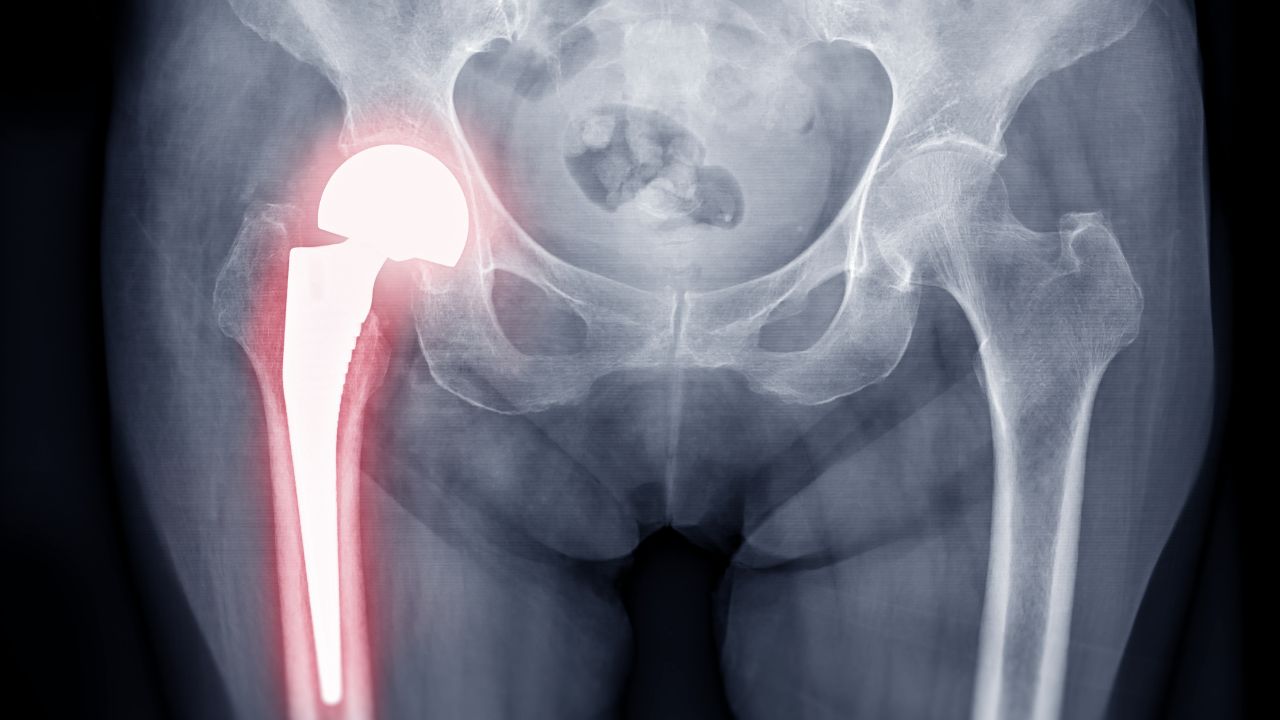
Surgical replacement removes damaged bone and cartilage before installing artificial components. Total hip replacement requires an orthopedic surgeon to implant a prosthetic joint, while regenerative therapies preserve existing anatomy through targeted biological injections.
Recovery from joint replacement requires months of physical therapy and activity restriction. Regenerative treatments typically allow return to normal activities within days, though full tissue remodeling continues for several months.
Why Are Patients Seeking Alternatives to Hip Replacement?
Patients increasingly prioritize treatments that avoid surgical risks and preserve natural joint function. The desire to maintain active lifestyles without extended recovery periods drives interest in hip replacement alternatives that address pain while protecting long-term mobility.
Younger individuals with hip pain particularly resist traditional surgery that may require revision procedures decades later. Regenerative options offer the possibility of delaying or preventing artificial joint placement through early intervention.
What Factors Influence Consumer Preference for Regenerative Therapies?
PRP is frequently preferred for milder conditions due to lower cost and faster recovery timelines. Efficacy remains the primary concern for 95% of patients, yet financial accessibility heavily influences final treatment decisions.
Stem cell therapies are preferred for more severe damage despite higher costs when patients prioritize long-term joint preservation. Recovery time ranks as the fourth most important factor, with 82% of patients valuing a quick return to work and daily activities.
How Do Age and Demographics Affect Treatment Choice?
Older adults between 55 and 75 represent the largest consumer segment for joint preservation therapies. These individuals actively maintain sports and recreational activities while seeking alternatives to surgical intervention that might limit future mobility.
Advanced age can impair autologous stem cell function, reducing regenerative potential in patients over 75. Middle-aged patients between 35 and 55 demonstrate high adoption rates for early intervention strategies that prevent progressive joint degeneration.
Which Regions Are Leading in the Adoption of Regenerative Treatments?
North America accounts for 50.67% of the stem cell therapy market share in 2024 due to regulatory support and concentrated biotech investment. The United States leads global adoption through established reimbursement pathways and extensive clinical research infrastructure.
Countries like China and Japan are streamlining regulatory approval processes to accelerate market expansion throughout Asia-Pacific. Rural patients face limited access to specialized treatments, while urban centers demonstrate adoption rates exceeding 60% among eligible candidates.
How Are Stem Cell Therapies Applied to Hip Joint Issues?
Physicians inject concentrated stem cells directly into damaged hip joints under ultrasound or fluoroscopic guidance. The cells migrate to areas of articular cartilage loss and inflammation, where they release healing factors and differentiate into specialized tissue types.
Stem cell therapy for hip arthritis targets the root cause of pain by regenerating damaged cartilage tissue. Treatments typically combine single high-dose injections with structured rehabilitation protocols that optimize cellular integration and tissue remodeling.
What Types of Stem Cells Are Used for Cartilage Regeneration?
Bone marrow-derived mesenchymal stem cells remain the gold standard for orthopedic applications. Adipose tissue harvested through mini-liposuction provides an alternative cell source with higher yields but potentially different differentiation characteristics.
Umbilical cord-derived allogeneic cells offer ready availability without patient harvesting procedures. These donor cells demonstrate strong immunomodulatory properties, though long-term integration patterns differ from autologous sources.
What Are the Clinical Outcomes and Limitations?
Clinical success rates for stem cell-based cartilage regeneration exceed 68% in properly selected patients. MSC therapy shows β = 8.45, p < 0.05 for pain reduction in meta-regression analysis comparing multiple regenerative approaches.
MSC therapy proves most effective for pain reduction compared to PRP, peptide-based treatments, and biomimetic materials. Treatment limitations include variable regulatory oversight, high out-of-pocket expenses, and the requirement for specialized clinical expertise in cell processing and injection techniques.
How Is Stem Cell Therapy Combined with Other Procedures?
Core decompression combined with stem cell injections for avascular necrosis addresses bone death before complete joint collapse. Surgeons drill into the affected bone to reduce pressure while simultaneously injecting stem cells to promote revascularization.
Arthroscopic debridement followed by stem cell injection addresses cartilage defects and removes loose cartilage fragments before biological augmentation. This combination approach prepares the joint environment for optimal stem cell engraftment and tissue regeneration.
How Does PRP Therapy Support Hip Joint Health?
PRP delivers concentrated growth factors directly to damaged hip cartilage and inflamed synovial tissue. The platelets release bioactive proteins that reduce inflammation, stimulate collagen synthesis, and promote blood vessel formation within degenerative tissue.
The science behind PRP injections demonstrates measurable improvements in pain scores and physical function within weeks of treatment. The therapy works best for early to moderate hip arthritis where functional cartilage remains to respond to growth factor stimulation.
What Conditions Are Most Responsive to PRP?
Hip labral tears and early osteoarthritis show the strongest clinical responses to PRP treatment. Mild to moderate cartilage loss responds well when patients maintain adequate joint space on imaging studies.
PRP proves less effective for severe bone-on-bone arthritis where cartilage has completely eroded. Hip bursitis, tendon injuries, and tendinopathy demonstrate rapid improvement following targeted PRP injections around the greater trochanter.
What Are the Advantages and Drawbacks of PRP for Hip Treatment?
PRP reduces re-tear and failure rates to 18.2% when used as surgical augmentation for hip labral repairs. The autologous nature eliminates disease transmission risk and allergic reactions common with synthetic medications.
PRP may require multiple injections spaced several weeks apart to achieve sustained results. Variable platelet concentrations between PRP preparations create inconsistent outcomes across different preparation systems and processing protocols.
How Is PRP Used as an Adjunct to Surgery or Alone?
Surgeons inject PRP during hip arthroscopy to enhance tissue healing around repaired labrum and cartilage. The growth factors accelerate post-operative recovery and reduce inflammatory complications during rehabilitation.
PRP vs hip replacement as a standalone treatment works best for patients with mild degenerative changes seeking to delay surgical intervention. Serial injections every 6-12 months maintain symptom control in appropriately selected candidates.
What Are the Cost Considerations Between Regenerative Options and Hip Replacement?
Financial accessibility significantly influences treatment selection between regenerative therapies and traditional surgery. Insurance coverage patterns create substantial out-of-pocket cost differences that impact patient decision-making regardless of clinical appropriateness.
Understanding pricing structures helps patients make informed choices aligned with medical needs and financial capacity. Geographic location, facility type, and provider expertise contribute to significant price variation within each treatment category.
How Do Pricing Ranges Compare for PRP, Stem Cell Therapy, and Surgery?
PRP injections range from $500 budget options to $2,500 premium preparations using advanced concentration systems. Standard PRP treatments cost $600-$800 per injection, with most patients requiring 3-5 treatments for sustained results.
Stem cell hip treatment costs span from a $5,000 budget bone marrow aspirate concentrate to $50,000+ premium adipose-derived preparations. Hip replacement surgery ranges from $18,175 budget facilities to $53,750+ premium hospitals, with standard costs between $35,000-$40,400, including post-operative care.
What Financial Factors Affect Patient Access and Decisions?
High out-of-pocket costs for regenerative therapies create financial barriers despite clinical benefits. Patients often finance treatments through healthcare credit cards or payment plans offered by specialized regenerative medicine clinics.
Geographic disparities limit treatment access in rural areas lacking specialized providers. Urban patients benefit from competitive pricing and multiple provider options that reduce average treatment costs.
Are Regenerative Therapies Covered by Insurance?
Many regenerative therapies are not fully covered by insurance plans due to experimental designation. Insurance coverage for regenerative medicine varies significantly between carriers, with most covering diagnostic imaging but denying biological injection costs.
Medicare and commercial insurers typically cover traditional hip replacement as medically necessary treatment. Some plans provide partial PRP coverage for specific conditions, while stem cell therapy remains largely self-pay across all major carriers.
How Is Clinical Evidence Shaping the Use of Regenerative Medicine?
Peer-reviewed research increasingly validates regenerative hip therapy for appropriately selected patients. Meta-analyses comparing treatment outcomes demonstrate measurable improvements in pain and function that guide evidence-based clinical protocols.
Leading medical institutions now integrate regenerative options into standard orthopedic care pathways. The growing body of Level II and III evidence supports broader insurance coverage discussions and mainstream medical acceptance.
What Do Meta-Analyses Say About the Efficacy of Stem Cells and PRP?
Systematic reviews confirm PRP significantly reduces knee pain and improves function in meniscal injury patients. The most comprehensive 2025 meta-analysis identified mesenchymal stem cell therapy as superior for pain reduction with statistical significance at p < 0.05.
Comparative effectiveness studies rank treatment modalities by clinical outcomes and safety profiles. MSC therapy outperforms PRP, peptide-based treatments, and biomimetic materials for pain management in degenerative joint conditions.
What Success Stories Demonstrate Real-World Outcomes?
A competitive athlete with a degenerative meniscus tear received three PRP injections over eight weeks. MRI imaging showed no visible tear after PRP treatment, allowing return to full competition without surgical intervention.
A 36-year-old patient with knee osteoarthritis received adipose-tissue-derived stem cells and PRP combination therapy. Post-treatment MRI showed evidence of cartilage regeneration alongside significant improvements in pain scores and physical function.
How Are Leading Medical Institutions Advancing These Therapies?
Stanford Medicine researchers published findings on inhibiting aging-related proteins to reverse naturally occurring cartilage loss. The breakthrough represents potential pharmaceutical enhancement of natural regenerative capacity in older patients.
Mayo Clinic is conducting trials of the RECLAIM procedure using advanced stem cell techniques for knee cartilage repair. Hip joint regeneration research at major academic centers continues to expand our understanding of optimal cell types and delivery methods.
What Are the Main Challenges and Future Directions in Regenerative Treatments?
Variable regulatory oversight creates inconsistent treatment standards across different states and countries. Establishing standardized protocols for cell processing and quality control remains essential for ensuring consistent clinical outcomes.
The need for specialized clinical expertise limits widespread adoption outside major metropolitan areas. Non-surgical hip repair requires advanced injection techniques and imaging guidance that many general orthopedists have not mastered.
Alternatives to Hip Replacement: Integrating Regenerative Medicine Into Orthopedic Care
Regenerative medicine represents a proven alternative for patients seeking hip joint preservation without surgical intervention. Clinical evidence demonstrates measurable improvements in pain and function that allow many individuals to maintain active lifestyles while avoiding artificial joint placement.
The field continues evolving as researchers refine cell processing techniques and identify optimal patient selection criteria. Future advancements in growth factor delivery and tissue engineering will further expand treatment applications for degenerative joint conditions.
Regenerative therapies offer hope for patients told surgery is their only option. Board-certified specialists at facilities like Regenerative Institute of Newport Beach combine advanced regenerative techniques with personalized rehabilitation protocols to help patients return to cherished activities without operating room risks.
Take the Next Step Toward a Pain-Free Life at Regenerative Institute of Newport Beach
Hip injuries, articular cartilage damage, and chronic joint pain do not have to end your active lifestyle. At Regenerative Institute of Newport Beach, Dr. Khyber Zaffarkhan combines advanced stem cell therapy and PRP treatments with personalized rehabilitation protocols to address the root cause of your pain—without the risks of total hip replacement surgery. Whether you are managing tendon injuries, cartilage defects, or progressive hip arthritis, our board-certified specialists build a treatment plan designed around your condition and goals. Schedule a comprehensive evaluation today and discover whether regenerative medicine is the right path for you.

