Stem cell injection pain concerns rank among the top factors when patients consider regenerative medicine treatments. The actual patient experience of injections delivered varies based on the injection site, anesthesia protocols, and individual pain tolerance. Understanding pain levels during the procedure and recovery helps patients set realistic expectations and prepare for treatment.
Most patients report mild discomfort rather than severe pain during stem cell therapy procedures. Recovery typically involves temporary post-injection soreness that resolves within days to weeks.
Key Takeaways
- Stem cell injections involve minimal pain during the procedure when local anesthetics are used properly
- Post-injection soreness typically resolves within 2-14 days and varies by injection site and patient health
- Success rates for stem cell therapy range from 50-90%, with orthopedic applications showing 70-80% effectiveness
- Recovery timelines extend from 1-12 months, with peak benefits appearing after tissue regeneration completes
- Patient selection, realistic expectations, and choosing qualified providers significantly impact treatment outcomes
What Are Stem Cell Injections and How Do They Work?
Stem cell injections deliver undifferentiated cells directly into damaged tissue to promote natural healing and repair. These cells can differentiate into specific tissue types, potentially regenerating cartilage, tendons, ligaments, and bone structures.
The therapy harnesses the body’s innate regenerative capacity to address underlying tissue damage. Concentrated stem cells release growth factors that reduce inflammation and accelerate tissue repair processes.
What Types of Stem Cells Are Used in Therapy?
Autologous cells are derived from the patient’s own body, typically bone marrow or adipose tissue. This approach minimizes immune system rejection risk since the cells come from the patient’s own biological material.
Allogeneic cells are derived from donors and processed in specialized laboratories for clinical use. These donor-sourced cells offer standardized therapeutic potential but require careful screening and processing.
How Are Stem Cells Harvested and Prepared?
The harvesting process begins by extracting cells from the patient’s bone marrow or adipose tissue. Bone marrow aspirate concentrate procedures typically involve needle insertion into the hip bone under local anesthesia.
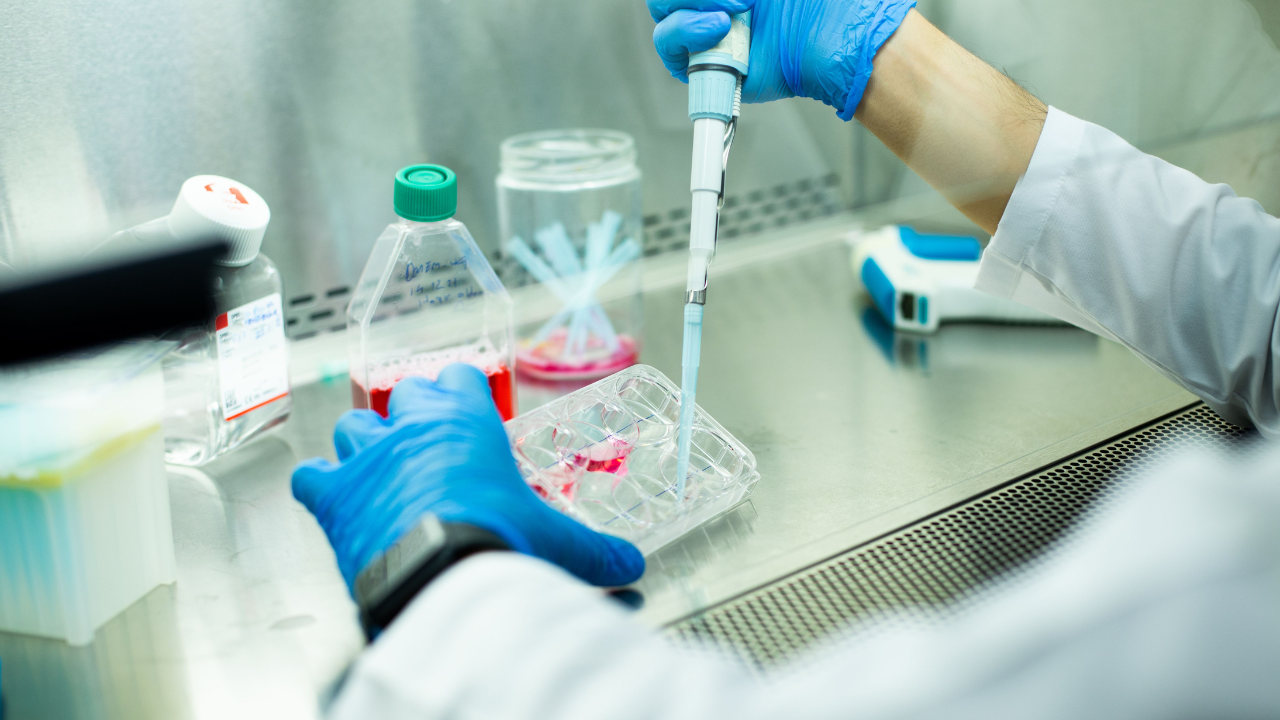
Processing occurs in a centrifuge to concentrate the stem cells and remove unnecessary components. The concentrated cells are then injected into the target area under ultrasound guidance for precision.
What Conditions Can Stem Cell Therapy Treat?
Bone marrow aspirate concentrate therapy effectively addresses osteonecrosis of the femoral head and other degenerative bone conditions. A Mayo Clinic femoral head study demonstrated that 90% of treated hips avoided collapse at two years.
Stem cell therapy supports joint repair in knees, shoulders, hips, and spine affected by osteoarthritis. The treatment shows particular promise for patients seeking alternatives to total joint replacement surgery.
How Do Stem Cell Injections Compare to Other Regenerative Therapies?
Stem cell therapy represents one of several regenerative medicine approaches available to patients today. Each treatment category offers distinct mechanisms, cost structures, and clinical outcomes that influence patient selection decisions.
Understanding these differences helps patients and providers determine the most appropriate therapeutic approach. Standard-of-care treatments still account for 65% of patient selections following comprehensive regenerative medicine consultations.
How Do Stem Cells Differ from PRP Therapy?
PRP therapy utilizes a concentration of a patient’s own platelets to accelerate healing processes. The comparison between PRP and stem cell therapy reveals different mechanisms and applications for each treatment.
Stem cell therapy involves the use of undifferentiated cells to repair or replace damaged tissues. The PRP process involves drawing the patient’s blood, placing it in a centrifuge to separate platelets, and injecting the resulting platelet-rich plasma directly into injured tissue.
What Are the Benefits and Drawbacks Compared to Tissue Engineering?
Tissue engineering combines scaffolds, cells, and biologically active molecules into functional tissues through complex manufacturing. This approach allows the creation of complex tissue structures but faces high development and manufacturing costs.
Significant regulatory hurdles delay tissue engineering product approvals and market availability for patients. Variable outcomes compared to traditional surgery remain a consideration when evaluating tissue engineering applications.
How Do Costs and Insurance Coverage Compare?
Stem cell therapy costs range from $5,000 to $50,000 or more, while PRP therapy costs $500 to $2,500. Insurance coverage for regenerative medicine remains limited, with most treatments considered experimental by insurance providers.
Most patients pay out-of-pocket for regenerative treatments due to coverage limitations across the industry. High costs compared to traditional treatments represent a significant decision factor for many patients.
What Factors Influence the Pain Level During Stem Cell Injections?
Multiple variables affect pain during stem cell therapy, including procedure complexity and injection location. Patient-specific factors such as pain tolerance, anxiety levels, and previous injection experiences also influence perceived discomfort.
The harvesting phase typically causes more discomfort than the actual injection into the treatment area. Providers use various pain management strategies to minimize patient discomfort throughout the procedure.
How Does the Injection Procedure Cause Discomfort?
The harvesting process involves needle insertion through skin and tissue layers to reach bone marrow. Pressure sensations and brief, sharp pain may occur when the needle penetrates the bone surface.
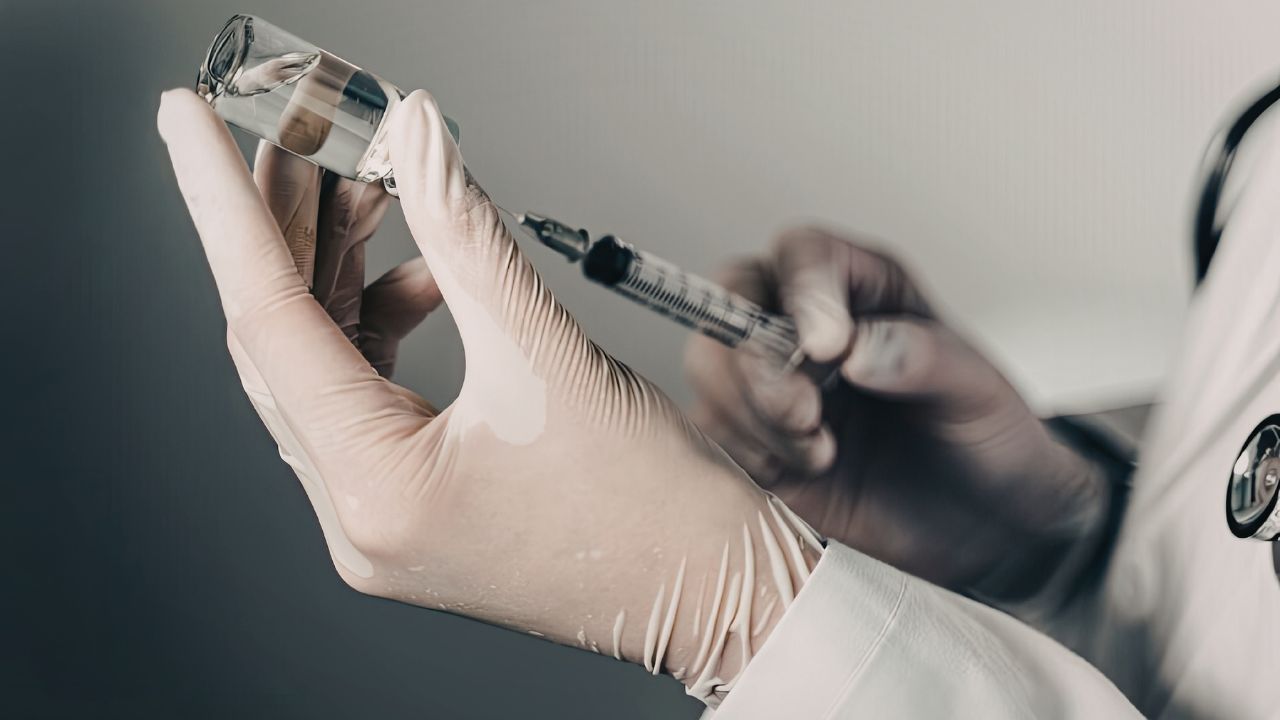
The injection phase produces stretching sensations as fluid enters the joint space or soft tissue. Most patients describe this as pressure or fullness rather than sharp pain.
Does Patient Health or Injection Site Affect Pain?
Joint injections typically cause less discomfort than bone marrow harvesting procedures from the hip. Deeper injection sites and areas with dense nerve networks may produce more noticeable sensations.
Patients with existing inflammation or acute injuries may experience heightened sensitivity during the procedure. Overall health status, including factors like tissue integrity and hydration, influences individual pain responses.
Are Anesthetics or Pain Management Strategies Used?
Local anesthesia for stem cell procedures numbs the harvesting and injection sites effectively for most patients. Providers may offer oral sedation or intravenous conscious sedation for patients with high anxiety.
The choice of anesthesia for stem cell treatments depends on procedure complexity and patient preferences. Post-procedure pain management may include ice application, over-the-counter pain relievers, and activity modification.
What Is the Typical Recovery Experience After a Stem Cell Injection?
Recovery from stem cell therapy follows a predictable pattern across most patients and treatment areas. Initial post-injection soreness represents a normal inflammatory response as the body begins tissue repair.
Most patients resume light activities within days while avoiding strenuous exercise for several weeks. The recovery process extends from one to twelve months as tissue regeneration progresses.
What Kind of Pain or Side Effects Are Common Post-Injection?
Post-procedure discomfort is typically mild, with minor swelling or tenderness at the injection site occurring in most patients initially. The harvesting site may feel sore or bruised for several days following the procedure. Some patients report temporary stiffness or reduced range of motion in the treated joint. These effects typically resolve as initial inflammation subsides and healing begins.
How Long Does Discomfort Usually Last?
Post-injection soreness generally peaks within 24-48 hours and gradually diminishes over subsequent days. Most patients experience significant improvement in procedural discomfort within one to two weeks.
The harvesting site typically heals faster than the injection site, with soreness resolving within days. Recovery optimization strategies can minimize discomfort duration and support better outcomes.
When Can Patients Expect to See Benefits and Functional Improvement?
Overall success rates for regenerative medicine range from 50% to 90%, depending on the condition. Stem cell orthopedic success rates typically fall between 70-80% for appropriate patient candidates.
Results often remain temporary, lasting 6-12 months for PRP and potentially longer for stem cell therapy. Patients may require multiple injections over time to maintain therapeutic benefits.
How Do Patient Preferences and Expectations Affect Treatment Outcomes?
Patient decision-making in regenerative medicine involves balancing multiple factors beyond clinical efficacy alone. Comprehensive consultations help patients understand realistic outcomes and align expectations with evidence-based possibilities.
Following specialized evaluation, 35% of patients choose regenerative therapies while 65% opt for standard treatments. This distribution reflects informed decision-making when patients receive complete risk-benefit information.
What Role Does Pain Concern Play in Choosing Stem Cell Therapy?
Pain concerns during and after procedures rank as a priority for 20% of patients. As a minimally invasive procedure, stem cell therapy appeals to patients seeking alternatives to surgical procedures.
Fear of surgical pain and lengthy rehabilitation drives many patients toward regenerative options. Understanding that stem cell injection pain remains manageable helps patients overcome procedural anxiety.
How Are Expectations Managed by Providers?
Qualified providers clearly communicate that regenerative treatments may not provide permanent cures for all conditions. Choosing an experienced stem cell doctor ensures patients receive accurate information about anticipated outcomes.
Providers emphasize that results may not be permanent and multiple treatments may be necessary. Setting realistic timelines for improvement helps patients maintain appropriate expectations throughout recovery.
What Are Common Patient Decision Factors Beyond Pain?
Effectiveness ranks as the top priority for 28% of patients, followed by recovery time at 22%. Pain levels during procedures account for 20% of decision weight, while cost considerations represent 18%.
Safety concerns influence 12% of patient decision-making in regenerative medicine selections. These priorities reflect the complex calculus patients perform when evaluating treatment options.
What Are Expert Recommendations for Patients Considering Stem Cell Injections?
Pain specialists delivering evidence-based care require a comprehensive evaluation before recommending regenerative therapies to any patient. Leading institutions emphasize realistic expectations, proper patient selection, and tracking outcomes using validated measures.
Understanding stem cell treatments in California helps patients navigate the regulatory and clinical landscape. Patients should seek treatment at reputable facilities that prioritize safety and transparent outcome reporting.
Who Is an Ideal Candidate for Stem Cell Therapy?
Variable efficacy depending on patient age and condition severity affects candidacy for regenerative treatments. Patients with mild to moderate degenerative conditions typically achieve better outcomes than those with severe disease.
Therapies prove less effective for severe degenerative conditions where significant structural damage already exists. Ideal candidates have failed conservative treatments but retain enough healthy tissue to support regeneration.
How Should Patients Weigh Pain Against Potential Benefits?
Procedural pain remains minimal and temporary compared to potential long-term pain relief benefits. Patients should consider whether short-term discomfort justifies the possibility of sustained functional improvement.
The trade-off between brief injection discomfort and avoiding major surgery appeals to many patients. Understanding potential side effects and risks helps patients make informed risk-benefit assessments.
What Precautions Should Patients Take Regarding Clinics and Claims?
Patients should avoid clinics making guaranteed success claims or market unapproved stem cell therapies. Reputable providers clearly explain that outcomes vary and no treatment guarantees specific results.
Verification of provider credentials, facility certifications, and outcome tracking protocols protects patient safety. Board-certified physicians with specialized training in regenerative medicine deliver the most reliable patient care.
Pain and Recovery: A Closer Look at Stem Cell Injection Experiences
The reality of stem cell injection pain falls below most patients’ expectations when proper protocols are followed. Comprehensive pain management, from local anesthesia during procedures to supportive aftercare, ensures patient comfort throughout treatment. Recovery experiences vary based on individual healing rates, treatment areas, and adherence to post-procedure protocols. Most patients find the temporary discomfort manageable when measured against the quality of life improvements achieved after treatment.
Regenerative medicine represents a promising option for patients seeking alternatives to traditional surgical interventions. While not appropriate for everyone, carefully selected candidates often achieve meaningful pain reduction and functional improvements. The Regenerative Institute of Newport Beach combines advanced regenerative protocols with personalized care to help patients return to active lifestyles with minimal disruption.
If you’re considering stem cell therapy and want to understand whether you’re a good candidate, schedule a consultation to discuss your specific condition and treatment options.
Start Your Recovery at the Regenerative Institute of Newport Beach
The Regenerative Institute of Newport Beach brings together board-certified pain specialists and an evidence-based approach to give every patient a clear, personalized path forward. Whether your concern is post-procedure discomfort, the recovery process, or the long-term impact on your quality of life, our team delivers the patient care you deserve. Contact us today to schedule your consultation and take the first step toward lasting relief.