
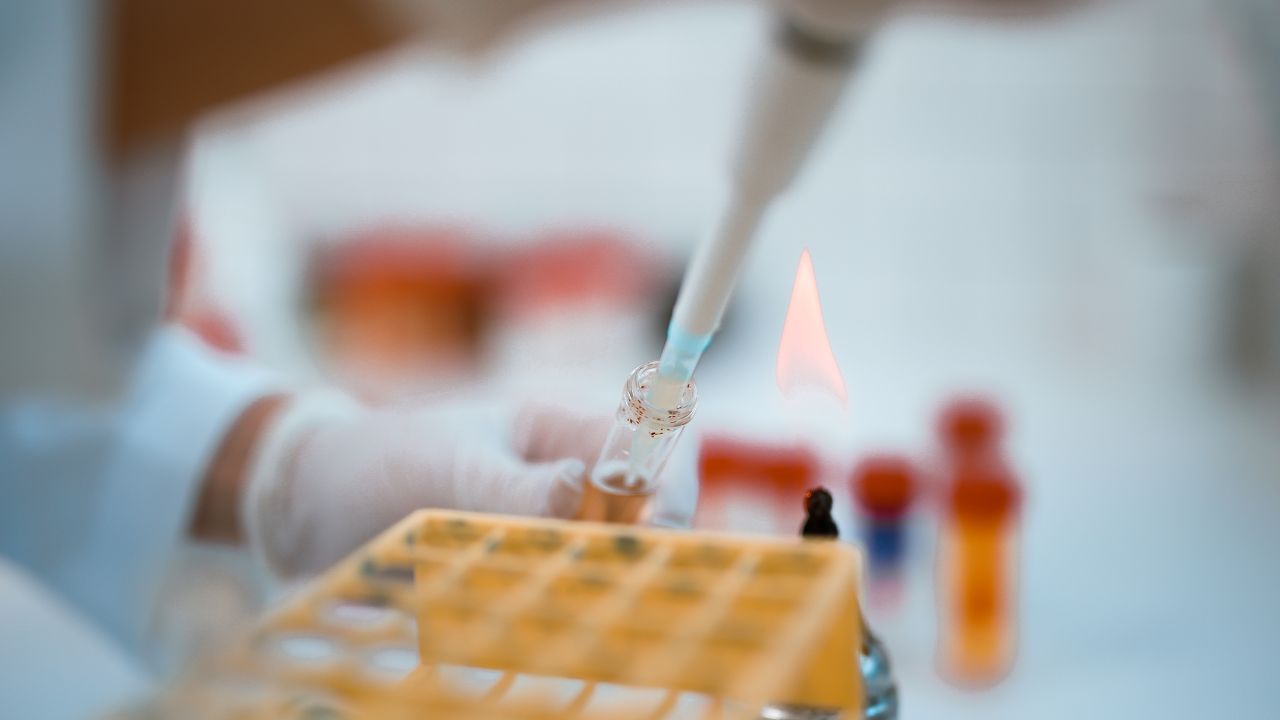
Stem cell therapy begins with a consultation, not a guaranteed outcome. Patients experience a minimally invasive procedure involving local anesthetic, bone marrow harvest, on-site cell processing, and targeted injection with temporary soreness afterward. The decision to proceed depends on understanding what the patient experience truly involves: sensations during treatment, recovery expectations, and the gradual timeline for potential improvement.
Many Orange County patients consider stem cell therapy after frustration with temporary pain relief or fear of surgical downtime. The procedure itself is not instant or painless, but it offers a non-surgical option with less recovery disruption than major joint surgery. Honest expectations about discomfort, flare risk, and gradual results help patients decide whether regenerative stem cell treatments in California align with their goals and tolerance for uncertainty.
Key Takeaways
- Stem cell therapy uses autologous bone marrow cells concentrated and injected into injured areas, requiring a same-day procedure with local anesthetic
- Patients feel pressure during bone marrow harvest and temporary soreness after injection, not sharp pain, with activity restrictions for the first few days
- Recovery includes possible inflammatory flare for one to two weeks, followed by gradual functional improvement assessed at six to twelve months
- A large clinical trial found no cell injection type superior to corticosteroid at one year, indicating results vary significantly by patient and condition
- Consultation determines candidacy through physical exam, imaging review, and discussion of realistic goals, risks, and alternative treatments
What Is Stem Cell Therapy and Who Is It For?
Stem cell therapy is a regenerative medicine procedure that uses concentrated autologous cells to support tissue repair in injured joints or tendons. The treatment targets patients seeking non-surgical pain relief when traditional options like physical therapy or medication have provided only temporary improvement.
Candidates typically include active adults aged 45 to 65 and busy professionals who want to postpone or avoid surgery. The goal is to reduce chronic pain, improve function, and minimize reliance on repeated steroid injections or long-term medication use.
What Are Adult Stem Cells and How Are They Used?
Adult stem cells are harvested from the patient’s own bone marrow, usually at the pelvis or iliac crest. The sample is processed and concentrated on site to create bone marrow aspirate concentrate, or BMAC, which contains growth factors and cells.
The concentrated cells are then precisely injected into the painful or injured area using image guidance when appropriate. Because the cells come from the patient’s own body, this autologous approach reduces immune-reaction concerns compared to donor-derived or cultured products.
Who Makes a Good Candidate for Stem Cell Therapy?
A good candidate is an active adult in Newport Beach or Orange County experiencing chronic joint or spine pain. They must have realistic expectations, acceptable joint structure on imaging, and willingness to follow post-procedure activity restrictions for optimal healing.
Busy professionals who cannot afford surgical downtime but seek root-cause treatment often explore this option. The consultation determines whether the patient’s diagnosis, severity, and goals align with what stem cell therapy can realistically offer.
What Conditions Can Stem Cell Therapy Address?
Stem cell therapy addresses chronic joint pain from osteoarthritis, tendon injuries, and degenerative spine conditions. Common treatment sites include knees, shoulders, hips, neck, and back where inflammation and tissue damage limit daily activity.
Sports injuries and overuse conditions that have not responded fully to physical therapy may also qualify. What conditions can stem cell therapy treat depends on diagnosis, severity, and whether the joint structure remains salvageable for regenerative support.
What Leads Patients to Consider Stem Cell Therapy?
Patients consider stem cell therapy after years of temporary relief from steroid injections or frustration with medication side effects. They want to avoid or postpone major surgery while addressing the root cause of pain rather than masking symptoms.
Fear of surgical risks, recovery downtime, and desire to return to golf, hiking, or work without pain drive the decision. Many have already tried physical therapy and anti-inflammatory medications with limited long-term success, leading them to explore regenerative options.
What Are Common Motivations and Concerns Before Treatment?
Common motivations include returning to active hobbies, reducing flare frequency, and avoiding joint replacement surgery. Patients want lasting improvement and natural healing that does not depend on ongoing medication or repeated injections.
Concerns include cost uncertainty, lack of guaranteed results, and fear of procedure discomfort or post-injection flare. Many also worry about regulatory status, safety, and whether the clinic uses credible techniques with transparent evidence.
How Does Stem Cell Therapy Compare to Surgery, Steroids, and Physical Therapy?
Stem cell therapy offers less downtime than major surgery for many patients, with same-day procedures and gradual return to activity. However, a large randomized trial found cell injections were not superior to corticosteroid injections at one year, tempering claims of universal superiority.
Alternatives to compare include platelet-rich plasma, steroid injections, physical therapy, and surgery, each with different timelines and evidence bases. Stem cell therapy for arthritis may appeal to patients seeking options beyond repeated steroids, but it is not guaranteed to outperform them.
| Treatment | Typical Downtime | Evidence Base | Common Role |
| Stem Cell Therapy (BMAC) | Same-day, light activity restriction | Growing, mixed results in trials | Root-cause option before surgery |
| Platelet-Rich Plasma | Same-day, minimal downtime | Established for soft-tissue injuries | Lower-cost regenerative option |
| Corticosteroid Injections | None | Long-standing, fast anti-inflammatory effect | Short-term symptom relief |
| Physical Therapy | None | Strong evidence for many conditions | First-line conservative care |
| Surgery | Weeks to months | Well-established for structural damage | Reserved for advanced cases |
What Questions Should Patients Ask Before Scheduling a Consult?
Patients should ask what exact cell source the clinic uses and whether it is autologous bone marrow aspirate concentrate. They should confirm the physician’s credentials, experience with regenerative procedures, and typical patient outcomes for their specific diagnosis.
Questions about recovery restrictions, success criteria, safety protocols, and alternative treatments help set realistic expectations. Understanding whether the procedure is investigational, off-label, or part of a standardized protocol clarifies regulatory and evidence considerations.
What Happens During the Stem Cell Therapy Consultation?
The consultation begins with a physical exam and review of imaging to determine candidacy. The physician assesses pain history, prior treatments, daily activity limits, and patient goals before recommending stem cell therapy or alternative approaches.
Not every patient is a candidate, and the consult decides whether the diagnosis, joint condition, and expectations align. Discussion of risks, benefits, and alternatives ensures informed decision-making before scheduling the procedure.
How Is Patient Evaluation and Candidacy Determined?
Patient evaluation includes physical examination, imaging review, and discussion of diagnosis severity and treatment goals. The physician checks joint stability, range of motion, signs of inflammation, and whether tissue damage is too advanced for regenerative support.
Imaging such as MRI or X-ray helps determine arthritis grade, structural integrity, and injection target viability. Patients with severe bone-on-bone arthritis or unstable joints may not benefit and should consider surgical consultation instead.
What Information Should Be Discussed About Risks, Benefits, and Alternatives?
Consent forms explain risks including infection, inflammatory flare, and possibility of no response. The physician should describe what success looks like for the patient’s condition and clarify that results are not guaranteed or immediate.
Alternative treatments such as physical therapy, corticosteroid injections, platelet-rich plasma, and surgery should be compared transparently. Patients should understand that credible clinical literature is mixed, with some studies showing improvement and others finding no superiority over standard injections.
How Does the Consult Shape Treatment Expectations?
The consult shapes expectations by clarifying that improvement is gradual, not instant, and assessed at six to twelve months. Patients learn what sensations to expect during harvest, injection, and recovery, reducing anxiety about procedure day.
Realistic goal-setting helps patients decide whether the experience, uncertainty, and cost are acceptable for their situation. Understanding that stem cell therapy is part of a personalized plan, not a guaranteed cure, empowers better decision-making.
What Is the Stem Cell Therapy Procedure Like?
The procedure begins with a sterile setup and application of local anesthetic to the harvest site. Patients remain awake and may feel pressure, deep aching, or brief stinging during numbing, but not sharp pain once anesthetic takes effect.
Bone marrow aspiration and cell injection occur on the same day, with on-site processing in between. What to expect during stem cell injections includes realistic sensations and activity restrictions that vary by clinic protocol.
How Is Bone Marrow Harvested and What Does It Feel Like?
Local anesthetic is applied to the pelvis or iliac crest before bone marrow aspiration begins. Patients typically feel a sting during numbing, followed by pressure or deep ache as the needle enters bone.
The sensation is not usually sharp pain after numbing, but a pushing or pulling pressure that can be uncomfortable. The harvest takes several minutes, and patients wait while the sample is processed and concentrated on site.
What Sensations Occur During Cell Processing and Injection?
Patients wait while the bone marrow sample is concentrated in an on-site lab, which may take 30 to 60 minutes. During this time, anxiety or anticipation is more common than physical discomfort since the harvest phase is complete.
The injection into the joint, tendon, or spine region feels like pressure or fullness at the target site. Temporary soreness follows, and patients should not judge the outcome immediately since post-injection inflammation is a normal part of healing.
What Should Patients Expect on Treatment Day Logistics and Comfort?
Treatment day involves sterile setup, local anesthetic, bone marrow harvest, cell processing, and targeted injection, typically completed in a few hours. A bandage is applied at the harvest and injection sites, with instructions to limit strenuous activity the same day.
Most patients can leave the clinic after a brief observation period and return home to rest. How stem cell therapy works step by step includes preparation, procedure, and post-care phases that require patient cooperation for a smooth outcome.
What Is the Recovery Experience After Stem Cell Therapy?
Recovery begins with rest and modified activity for the first 24 to 72 hours after injection. Patients should expect soreness, possible swelling, and an inflammatory response that does not automatically indicate something went wrong.
The timeline for return to normal activity depends on the injected site, patient compliance, and clinic-specific protocols. Gradual improvement over weeks to months is typical when benefit occurs, rather than immediate pain relief.
What Does the First 24 to 72 Hours Feel Like?
The first 24 to 72 hours involve soreness at both the harvest site and the injection area. Patients may feel swelling, stiffness, and the urge to protect the treated joint or region from movement.
This early inflammatory flare is a normal part of the body’s healing response and should not be mistaken for failure. Following clinic instructions about rest, ice, and activity restriction helps manage discomfort and supports optimal tissue response.
How Does Soreness or Flare-Up Affect Early Recovery?
Post-injection pain can increase for one to two weeks in some regenerative injection cases, similar to platelet-rich plasma experiences. This flare does not mean the procedure failed; it reflects the inflammatory healing cascade the body initiates.
Patients should differentiate normal soreness from red flags such as fever, severe swelling, or increasing pain beyond two weeks. A stem cell therapy recovery timeline provides week-by-week guidance for typical recovery phases and when to contact the clinic.
What Is the Typical Timeline for Gradual Improvement?
Gradual return to normal activity occurs over the first weeks as inflammation subsides and tissue begins to respond. Patients may resume light activity once cleared by their physician, increasing intensity slowly based on comfort and function.
Outcome assessment happens at six to twelve months, as improvement unfolds gradually rather than instantly. Functional gains such as walking farther, climbing stairs with less hesitation, or sleeping better signal success more than a single pain-free moment.
| Timeframe | What Patients Typically Experience |
| Day of procedure | Local anesthetic, harvest pressure, injection fullness, brief observation before discharge |
| 24 to 72 hours | Soreness at the harvest and injection sites, possible swelling and stiffness |
| 1 to 2 weeks | Possible inflammatory flare as part of the healing response, gradual easing of soreness |
| Several weeks | Light activity resumes as inflammation subsides and comfort improves |
| 6 to 12 months | Functional outcome assessed: gains in mobility, activity tolerance, and confidence using the joint |
How Can Patients Recognize Improvement and Results?
Improvement often appears as increased confidence using the joint rather than complete pain elimination. Patients notice they trust the knee, shoulder, or hip more during daily activities and resume hobbies they had avoided.
Reduction in flare frequency, better sleep quality, and extended walking or standing tolerance are common success markers. These functional changes accumulate over months and reflect tissue healing rather than symptom masking.
What Functional Changes Indicate Success?
Functional changes include walking farther without rest breaks, climbing stairs with less hesitation, and returning to golf or hiking. Patients may reduce reliance on pain medication and experience fewer nighttime flare-ups that disrupt sleep.
Trusting the joint during weight-bearing activities and resuming previously avoided movements signal meaningful improvement. Success is measured by quality-of-life gains and sustained activity tolerance rather than perfect pain elimination.
How Long Does It Usually Take to Notice Benefits?
Benefits usually become noticeable over weeks to months, with outcome assessment at six to twelve months. Some patients report early improvements in function, while others experience a slower, uneven progression before stabilizing.
The timeline varies by diagnosis, severity, patient age, and adherence to post-procedure protocols. Patience is essential, as stem cell therapy does not provide instant relief the way some corticosteroid injections can.
Why Is Improvement Often Gradual Rather Than Instant?
Improvement is gradual because regenerative medicine supports the body’s natural tissue repair process, which takes time. Cells must integrate, signal healing pathways, and recruit additional repair factors before functional gains become apparent.
Unlike steroid injections that reduce inflammation immediately, stem cell therapy relies on biological remodeling over weeks and months. This slower timeline requires realistic patient expectations and consistent follow-up to assess progress accurately.
How Should Patients Decide If Stem Cell Therapy Is Worth Trying?
Patients should decide based on their tolerance for uncertainty, cost considerations, and desire to avoid or postpone surgery. Is stem cell therapy right for you depends on whether the patient values exploring non-surgical options before committing to major intervention.
Weighing the evidence, risks, and realistic outcome expectations helps determine whether the patient experience aligns with personal priorities. Not every patient will respond, and credible clinical literature shows mixed results across different conditions and cell sources.
What Factors Influence the Decision to Proceed?
Factors include the patient’s activity goals, willingness to accept gradual improvement, and financial capacity for a non-guaranteed treatment. Desire to avoid surgical risks and downtime often outweighs uncertainty about outcomes for motivated patients.
Physician recommendation, candidacy evaluation, and transparent discussion of alternatives also shape the decision. Patients who need immediate relief or have advanced structural damage may benefit more from other interventions.
What Are Common Reasons to Delay or Choose Alternative Treatments?
Common reasons to delay include cost uncertainty, preference for treatments with more standardized long-term evidence, or advanced joint damage. Patients who cannot tolerate any procedure discomfort or activity restriction may prefer conservative management first.
Results are not guaranteed, and not every patient experiences universal response to stem cell therapy. Some may choose platelet-rich plasma, physical therapy, or steroid injections as lower-cost alternatives before exploring regenerative options.
How Should Cost, Risk, and Evidence Affect Patient Choices?
Cost should be weighed against the value of avoiding surgery and potential long-term pain relief. Patients must accept that insurance may not cover the procedure and that out-of-pocket investment does not guarantee success.
Evidence base for bone marrow aspirate concentrate is growing but limited, with a 480-patient randomized trial finding no cell injection type superior to corticosteroid at one year. No procedure-related serious adverse events were reported during the study period, supporting a balanced safety profile without overstating efficacy.
What Does a Realistic Stem Cell Therapy Patient Experience Look Like
A realistic patient experience begins with a thorough consultation to determine candidacy through physical exam and imaging review. The procedure day involves local anesthetic, bone marrow harvest with pressure or aching, on-site cell concentration, and targeted injection followed by temporary soreness.
Recovery includes rest, possible inflammatory flare for days to weeks, and gradual return to activity over the first month. Improvement is assessed at six to twelve months based on functional gains, not instant pain elimination, with outcomes varying significantly by patient and condition.
Patients who succeed often report increased confidence using the joint, reduced flare frequency, and return to previously avoided activities. However, credible clinical literature shows mixed results, and no guarantee exists that every patient will experience meaningful improvement or avoid eventual need for surgery.
For patients in Newport Beach and Orange County, stem cell therapy offers a non-surgical option with less downtime than major joint replacement but requires realistic expectations about discomfort, recovery, and gradual outcomes. The most valuable part of the process may be the consultation, where understanding what is realistic for the patient’s joint, condition, and goals empowers informed decision-making.
Take the Next Step With the Regenerative Institute of Newport Beach
Knowing what stem cell therapy actually feels like is only useful once it helps you make a decision. The next step is a consultation with our team, where a physical exam, imaging review, and honest conversation about your goals determine whether this approach fits your condition.
To live better, contact the Regenerative Institute of Newport Beach today! Call (949) 438-1888 or request your consultation online to speak with our Newport Beach team about your treatment options and get a personalized quote for your care.
Frequently Asked Questions About Stem Cell Therapy
Q1. Does Stem Cell Therapy Hurt?
A. Most patients feel pressure and a brief sting during the local anesthetic, followed by a deep ache during bone marrow harvest rather than sharp pain. The injection itself typically feels like pressure or fullness at the treatment site. Soreness commonly follows for a day or two, and some patients experience an inflammatory flare that lasts one to two weeks. This discomfort is a normal part of the healing response, not a sign that the procedure failed.
Q2. How Long Does Recovery From Stem Cell Therapy Take?
A. Initial soreness and swelling usually settle within the first 24 to 72 hours after treatment. Many patients resume light activity within a few weeks as inflammation eases. Full functional improvement is typically assessed at six to twelve months, since regenerative healing happens gradually rather than overnight. Recovery speed varies by the joint treated, patient health, and adherence to activity restrictions.
Q3. Is Stem Cell Therapy Covered by Insurance?
A. Stem cell therapy using bone marrow aspirate concentrate is generally considered elective and is not routinely covered by insurance. Patients should plan for out-of-pocket investment and discuss payment options during their consultation. Cost varies based on the joint treated, the extent of the procedure, and the patient’s overall care plan. Our team can walk through pricing and financing options before you schedule.
Q4. Who Is a Good Candidate for Stem Cell Therapy?
A. Good candidates are typically active adults with chronic joint or spine pain who want to avoid or postpone surgery. Imaging must show that the joint structure is still salvageable, and candidates need realistic expectations about a gradual timeline. Patients with severe bone-on-bone arthritis or unstable joints are usually better suited to a surgical consultation. A physical exam and imaging review during consultation confirm candidacy before treatment is scheduled.
Q5. What Is the Difference Between Stem Cell Therapy and PRP?
A. Stem cell therapy uses concentrated cells harvested from a patient’s own bone marrow, while PRP uses concentrated platelets drawn from the patient’s blood. Both are autologous and minimally invasive, and both aim to support tissue repair, but they differ in cell source and typical cost. PRP is often used for tendon and soft-tissue injuries, while stem cell therapy is more commonly considered for joint and spine conditions. A consultation helps determine which option, or combination, fits a specific diagnosis.

