
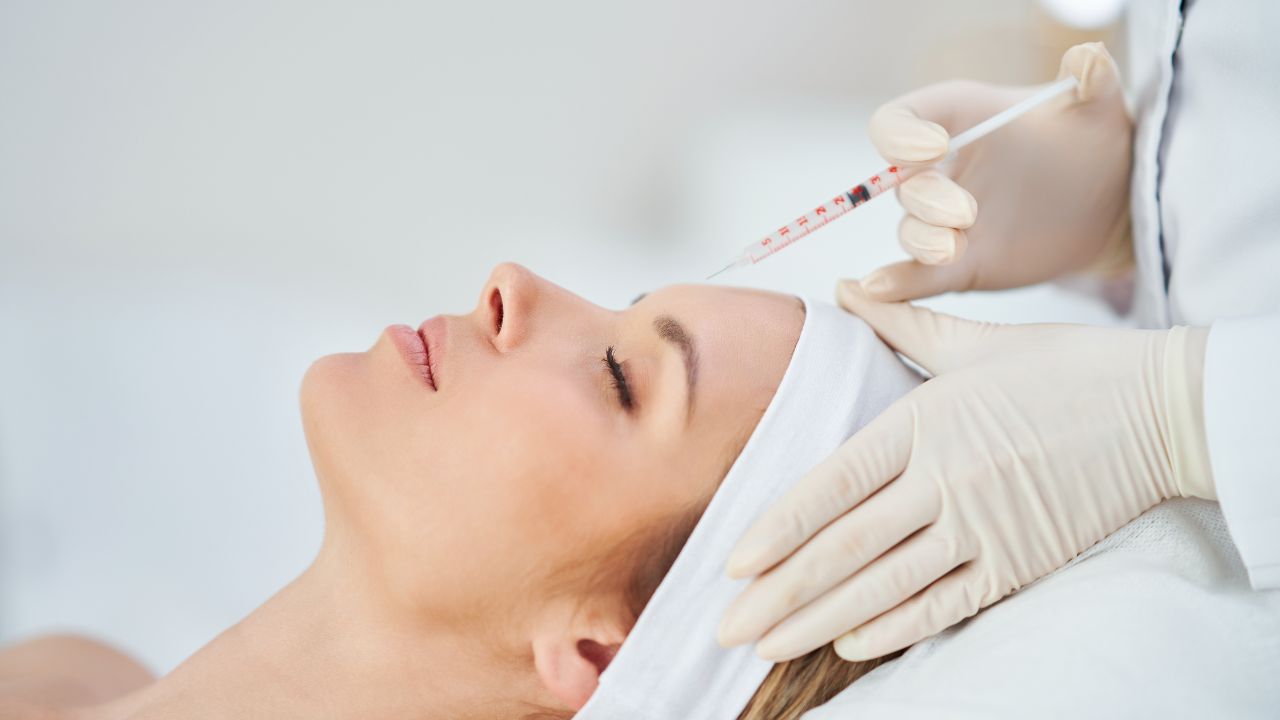
Botox for TMJ pain is a non-surgical option for jaw pain driven by clenching or muscle tension. Jaw pain from temporomandibular disorders affects 10% to 15% of adults but remains undertreated. TMD can cause discomfort in the jaw, face, neck, and head, along with clicking sounds and difficulty chewing. At the Regenerative Institute of Newport Beach, Dr. Khyber Zaffarkhan evaluates whether muscle overactivity drives these symptoms before recommending injection therapy.
Below, you’ll find how Botox for pain management works in selected TMD cases, who makes a good candidate, what influences pricing, and how long patients can expect relief to last. We also cover side effects, what happens during a consultation, and how Botox treatment in Newport Beach fits within a broader, minimally invasive care plan.
Key Takeaways
- TMJ refers to the temporomandibular joint itself, while TMD describes over 30 disorders affecting the jaw joint and surrounding muscles.
- Botox temporarily blocks nerve signals that cause muscle contraction, making it most relevant for pain driven by overactive jaw muscles or clenching.
- A 2024 systematic review found mixed evidence, with botulinum toxin not definitively superior to placebo for TMD pain overall.
- Cost varies based on units needed, muscles treated, provider expertise, geography, and insurance coverage for off-label use.
- Relief is temporary rather than permanent, with treatment planning often following three-month intervals similar to approved migraine protocols.
What Is TMJ Pain and How Does It Relate to TMD?
TMJ pain is a common phrase patients use to describe jaw discomfort. The National Institute of Dental and Craniofacial Research defines TMJ as the temporomandibular joint itself. TMD refers to more than 30 disorders causing pain and dysfunction in the jaw joint and muscles. Understanding this distinction helps clarify which symptoms may respond to muscle-focused treatments like Botox.
What Is the Difference Between TMJ and TMD?
NIDCR defines TMJ as the temporomandibular joint connecting your jawbone to your skull. TMDs are disorders affecting that joint and the muscles controlling jaw movement. Many people say “TMJ pain” when they actually mean TMD symptoms involving muscle tension or joint problems. Recognizing the difference helps guide appropriate treatment decisions.
What Are Common Symptoms and Causes of TMJ Pain?
The American Academy of Family Physicians describes TMD as a major cause of nondental pain in the orofacial region. Population-based studies show TMD affects 10% to 15% of adults, yet only about 5% seek treatment. Symptoms include jaw, face, and neck pain, along with headaches, earache, clicking, popping, and impaired jaw function. These varied presentations explain why diagnosis and treatment planning require careful evaluation.
Which Types of TMD Symptoms Involve Muscles Versus Joints?
NIDCR groups TMDs into three categories: joint disorders, chewing muscle disorders, and TMD-associated headaches. Muscle-driven symptoms include jaw tightness, clenching, and bruxism-related soreness that may respond to Botox for TMJ pain treatment. Joint clicking or popping without significant muscle pain involves different mechanics less directly addressed by muscle relaxation. Understanding which system drives your symptoms helps determine whether Botox may fit your situation.
The table below shows how each TMD category relates to Botox treatment.
| TMD Category | Common Symptoms | Botox Relevance |
|---|---|---|
| Chewing muscle disorders | Jaw tightness, clenching, bruxism-related soreness, muscle fatigue | Most relevant; Botox reduces the force of muscle contraction |
| Joint disorders | Clicking, popping, disc displacement, jaw locking | Limited; joint mechanics need separate evaluation and care |
| TMD-associated headaches | Temple and jaw tension headaches | May help when jaw muscle tension drives the headaches |
How Does Botox Work to Relieve TMJ-Related Pain?
Botox reduces muscle activity by temporarily blocking the signals that cause contraction. This mechanism makes it potentially useful when overactive jaw muscles contribute to pain. The treatment does not address joint mechanics or structural problems directly. The same mechanism supports Botox for tension headaches linked to tight jaw and scalp muscles.
What Is the Mechanism of Botox in Muscle Relaxation?
Mayo Clinic explains Botox as shots using a toxin to prevent muscle movement for a limited time. The medication blocks chemical nerve signals that cause muscles to contract. This temporary relaxation can reduce the force of clenching and may decrease pain from muscle overload. The effect is localized to the injected muscles rather than systemic throughout the body.
Why Is Botox More Relevant for Muscle-Driven Symptoms?
Botox targets muscle activity, making it generally discussed for muscle-driven TMD symptoms rather than joint mechanics. Patients with significant jaw muscle tension, clenching, or bruxism-related soreness represent the most relevant candidates. Joint clicking, disc displacement, or structural bite problems require different diagnostic and treatment approaches. Your provider should clarify whether muscle overactivity contributes meaningfully to your specific pain pattern.
What Are the Safety Considerations for Botox Use?
Mayo Clinic states Botox must be used by licensed, skilled health care providers. The prescription medication requires proper dosing, injection technique, and patient assessment before treatment. While many patients tolerate Botox well, understanding potential side effects and provider qualifications remains important. Choosing an experienced pain management specialist ensures appropriate candidate selection and injection technique.
Who Is a Good Candidate for Botox Treatment for TMJ Pain?
Candidacy depends on which symptoms you experience and whether conservative treatments have been tried. Botox may help selected patients with muscle-driven pain but is not appropriate for every jaw problem. A thorough evaluation determines whether this treatment aligns with your diagnosis and goals.
Which Symptoms Suggest Botox May Be Helpful?
Jaw muscle tightness, frequent clenching, and bruxism-related soreness represent symptoms that may respond to Botox. Headaches associated with jaw tension and muscle fatigue from overuse also suggest muscle involvement. Patients seeking non-surgical TMJ relief in Newport Beach often experience these patterns after trying conservative measures. Your provider should confirm that muscle hyperactivity contributes meaningfully to your discomfort before recommending injection therapy.
When Is Botox Not Recommended for Jaw Pain?
Botox is not appropriate for red flags like jaw locking, recent trauma, severe bite changes, or signs of infection. These situations require urgent medical or dental evaluation rather than muscle relaxation. Joint-only symptoms without significant muscle pain may need different interventions. The American Academy of Family Physicians states noninvasive therapies should be used first, with referral indicated for refractory cases.
What Should Be Assessed During a Medical Evaluation?
A comprehensive evaluation should identify which structures contribute to your pain and whether conservative options have been tried. Your provider will assess muscle tenderness, jaw range of motion, bite alignment, and associated symptoms. They should discuss whether dental guards, physical therapy, stress management, or other approaches remain appropriate. This personalized assessment ensures Botox fits within a broader regenerative injections jaw disorders treatment plan when muscle-driven pain persists.
How Much Does Botox Treatment for TMJ Pain Typically Cost?
Cost varies significantly based on treatment details and local market factors. No single national price exists because TMJ Botox dosing, insurance coverage, and provider fees differ widely. Understanding cost variables helps you ask the right questions during consultation.
What Factors Influence the Price of Botox for TMJ Pain?
Cost variables include the number of units used, which muscles are treated, and whether one or both sides receive injections. Provider examination fees, injection technique, and geographic location also affect pricing. No reliable official national price for Botox for TMJ pain exists because treatment plans are individualized. Your provider should explain what their quote includes before you commit to treatment.
How Does Insurance Coverage Affect Cost and Access?
Insurance coverage may be limited or require documentation because TMJ and TMD use is not listed in FDA-approved BOTOX indications. This off-label clinical option requires diagnosis and provider judgment to justify medical necessity. Some insurers cover muscle-related TMD treatments while others consider them investigational. Patients should verify coverage details and appeal processes with their insurer before scheduling treatment. Patients can also compare Botox with traditional pain management options their plan may cover first.
What Questions Should Patients Ask About Treatment Pricing?
Patients should ask whether the quoted price includes consultation, medication, injection fees, follow-up visits, and possible retreatment. The American Society of Plastic Surgeons reports an average cost of $435 for cosmetic botulinum toxin injections. This cosmetic average serves only as a benchmark, not TMJ pricing, since therapeutic use often requires different unit counts and techniques. Clarifying what each fee covers prevents surprise bills and helps you plan for potential follow-up treatments.
Use this checklist to compare quotes and understand what drives your total cost.
| Cost Factor | Why It Matters | Question to Ask |
|---|---|---|
| Units used | More units raise medication cost | How many units does my plan require? |
| Muscles treated | Masseter, temporalis, or both change dosing | Which muscles will you inject and why? |
| One or both sides | Bilateral treatment increases total units | Will you treat one side or both? |
| Exam and injection fees | Some quotes list these separately | Does the price include the consultation? |
| Insurance coverage | TMJ use is off-label and may need documentation | Will you help with prior authorization? |
| Follow-up and retreatment | Relief is temporary, so costs recur | What does a follow-up visit cost? |
How Long Can Patients Expect Relief After Botox Injections?
Relief from Botox is temporary rather than permanent. Treatment duration varies based on individual response, dosing, and the severity of muscle overactivity. Understanding realistic timelines helps set appropriate expectations for planning and follow-up care.
What Is the Typical Duration of Botox Effects for Muscle Relaxation?
A 2024 meta-analysis found pain-score differences at one month (MD = -1.71, 95% CI -2.87 to -0.5) and three months (MD = -1.53, 95% CI -2.80 to -0.27). At six months, evidence becomes less certain (MD = -1.33, 95% CI -2.74 to 0.77). The BOTOX label for chronic migraine retreatment recommends intervals of every 12 weeks. While this migraine protocol does not dictate TMJ dosing, it provides context for temporary effect duration.
Here is how the 2024 meta-analysis results break down over time.
| Timepoint | Pain-Score Difference (MD) | What It Suggests |
|---|---|---|
| 1 month | -1.71 (95% CI -2.87 to -0.5) | Measurable short-term pain reduction |
| 3 months | -1.53 (95% CI -2.80 to -0.27) | Benefit often persists near the retreatment window |
| 6 months | -1.33 (95% CI -2.74 to 0.77) | Evidence becomes less certain; reassessment advised |
How Does Individual Response Influence Treatment Longevity?
Patient response and dosing vary based on muscle mass, activity levels, and pain severity. Some individuals notice effects diminishing sooner while others maintain benefit longer. Relief from the duration of Botox jaw pain results reflects your unique physiology rather than a guaranteed timeline. Your provider should establish follow-up intervals based on your initial response and symptom patterns.
What Are Common Scheduling Practices for Follow-Up Treatments?
Migraine retreatment protocols use 12-week intervals, while TMD studies often evaluate outcomes at one, three, and six months. Your provider may suggest reassessment around three months to determine whether retreatment is appropriate. Planning for temporary benefit helps you coordinate care and budget for ongoing management. Discussing scheduling expectations during your initial consultation ensures you understand the commitment involved.
What Are the Risks and Potential Side Effects of Botox for TMJ?
Like any medical treatment, Botox carries potential side effects ranging from minor to serious. Understanding risks helps you make informed decisions and recognize when to seek follow-up care. Provider skill significantly influences both effectiveness and safety outcomes.
What Are Common Localized Side Effects?
Possible side effects include injection-site pain, bruising, headache, and flu-like symptoms that typically resolve quickly. Unwanted effects may include muscle weakness, facial asymmetry, or temporary chewing weakness if nearby muscles are affected. These localized issues usually improve as the medication’s effect wears off. Your provider should explain which muscles will be treated and what functional changes you might notice.
What Rare but Serious Symptoms Should Patients Know About?
Rare risk includes spread-of-toxin symptoms requiring urgent medical care. These may involve difficulty swallowing, breathing problems, or weakness spreading beyond the treatment area. While uncommon with proper dosing and technique, recognizing these signs ensures prompt intervention. Patients should contact their provider immediately if they experience side effects beyond expected localized discomfort or notice changes in breathing or swallowing.
How Important Is Provider Skill and Experience?
Provider skill directly affects both outcomes and safety in Botox administration. Experienced practitioners understand jaw anatomy, appropriate dosing, and injection placement to minimize unwanted effects. Choosing a board-certified pain management specialist with specific training in non-aesthetic Botox applications reduces complication risk. Your provider’s qualifications and experience with TMD patients should be discussed during your initial consultation.
What to Expect During a Botox Consultation for TMJ Pain
Your consultation should clarify whether Botox fits your specific situation. A thorough evaluation ensures appropriate candidate selection and realistic goal-setting. Understanding what the consultation covers helps you prepare questions and participate in treatment decisions.
How Is the Treatment Plan Personalized?
The consultation should clarify which muscles may be injected and why they were selected. Your provider will assess muscle tenderness, jaw movement patterns, and pain triggers to customize treatment. They should explain how Botox fits within your broader pain management strategy. This personalized approach ensures treatment targets the actual drivers of your symptoms rather than applying a generic protocol. Patients who have had Botox treatment for migraines will recognize a similar injection process.
What Are the Goals and Limitations Discussed?
The consultation should clarify expected benefits like less jaw tension, reduced clenching force, and possible pain reduction. Your provider should explain timing: when to assess response and when retreatment could be discussed. Botox is not a universal treatment for every jaw-joint problem. A 2024 review found botulinum toxin was not significantly better than placebo for pain-score reduction at one, three, and six months overall, with low-to-moderate quality evidence.
How Is Follow-Up Care Coordinated?
Your provider should establish follow-up intervals to monitor response and address any side effects. Scheduled reassessment allows adjustment of treatment plans if initial results fall short of goals. Understanding how long relief typically lasts helps coordinate follow-up visits with your work and personal schedule. Clear communication about follow-up expectations ensures continuity of care and timely intervention if problems arise.
Integrating Botox Within a Personalized, Minimally Invasive Pain Management Approach for TMJ Pain
Botox represents one option within comprehensive TMD care rather than a standalone cure. The 2024 PLOS One review notes that current research on botulinum toxin for TMD has not yielded definitive conclusions. This evidence context supports careful patient selection and integration with other conservative treatments when appropriate.
A personalized approach considers muscle-driven symptoms alongside joint mechanics, bite alignment, stress factors, and lifestyle contributors. When platelet-rich plasma vs. Botox jaw pain comparisons arise, your provider should explain which treatment addresses your specific pain drivers. Conservative measures like dental guards, physical therapy, stress management, and trigger-point therapy remain important components of comprehensive care.
The Regenerative Institute of Newport Beach emphasizes minimally invasive, evidence-based pain management that addresses root causes rather than masking symptoms. This philosophy aligns with careful candidate selection for Botox, ensuring treatment fits your diagnosis, goals, and overall health strategy. By integrating Botox appropriately within a broader care plan, you may achieve meaningful relief while avoiding unnecessary surgical intervention.
Schedule Your Botox for TMJ Pain Consultation in Newport Beach
Jaw pain that keeps coming back deserves a clear diagnosis, not guesswork. At the Regenerative Institute of Newport Beach, Dr. Khyber Zaffarkhan, DO, FAAPMR, evaluates whether muscle overactivity drives your TMJ symptoms and whether Botox, PRP, or conservative care fits your goals. Our team focuses on minimally invasive, non-surgical pain management for patients across Newport Beach and Orange County.
Call (949) 438-1888 or request a consultation to discuss your symptoms, treatment options, and pricing. To live better, contact the Regenerative Institute of Newport Beach today!
Frequently Asked Questions About Botox for TMJ Pain
Is Botox for TMJ Pain FDA Approved?
No. TMJ and TMD use is not listed among the FDA-approved BOTOX indications, so it is considered an off-label clinical option. Approved uses include chronic migraine, cervical dystonia, and certain muscle spasticity conditions. Licensed providers can still use Botox off-label when a diagnosis and clinical judgment support it. Because of this status, insurers may require documentation or deny coverage.
How Many Units of Botox Are Used for TMJ?
No standard national dose exists for Botox for TMJ pain. The number of units depends on which muscles are treated, muscle size, clenching severity, and whether one or both sides receive injections. The masseter and temporalis muscles are the most common targets. Your provider should state the planned unit count before treatment so you can understand the cost and expected effect.
How Soon Does Botox Start Working for Jaw Pain?
Most patients notice reduced jaw tension within several days of treatment. The full muscle-relaxing effect usually develops over about two weeks. Pain relief may lag behind the drop in clenching force, especially when soreness has built up over months. Your provider may schedule a check-in a few weeks after injection to assess response.
Can Botox for TMJ Change the Shape of My Face?
Botox injected into the masseter muscles can reduce muscle bulk over time, which may make the lower face look slimmer. Some patients view this as a welcome side effect, while others prefer to avoid it. The change is temporary and fades as the medication wears off. Discuss dosing and injection sites with your provider if facial appearance is a concern.
What Happens If Botox Does Not Relieve My TMJ Pain?
Limited relief often means muscle overactivity is not the main pain driver. Your provider may reassess for joint problems, disc displacement, or bite issues, and imaging or dental referral may be needed. Conservative options such as dental guards, physical therapy, stress management, and trigger-point therapy remain available. Some patients also discuss regenerative options like PRP when joint or soft-tissue damage contributes to pain.

