
Chronic pain from conditions like sciatica, radiculopathy, or complex regional pain syndrome can limit daily life long after other treatments stop working. A spinal cord stimulator offers an option for patients who haven’t found relief through medication, physical therapy, or less invasive procedures. But the cost and insurance process raise real questions for California patients.
Read on for how spinal cord stimulation manages pain, what it typically costs, and how insurance coverage works in California, so patients can walk into a consultation with the Regenerative Institute of Newport Beach’s spinal cord stimulator program prepared instead of guessing.
Key Takeaways
- Spinal cord stimulation manages pain signals through an implanted device. It doesn’t repair the underlying spine or nerve problem.
- Treatment happens in two stages. A short trial comes first, and a permanent implant follows only if the trial provides meaningful relief.
- Costs vary widely. Public cost guides place uninsured SCS in the tens of thousands, but the real number depends on insurer, facility, diagnosis, and network status.
- Insurance approval depends on documentation. Diagnosis, prior treatments, and trial outcomes all factor into whether Medicare or commercial insurance covers SCS.
- Confirming network status and coverage details before scheduling, not after, is the clearest way to avoid a surprise bill.
What Is a Spinal Cord Stimulator and Who Is It For?
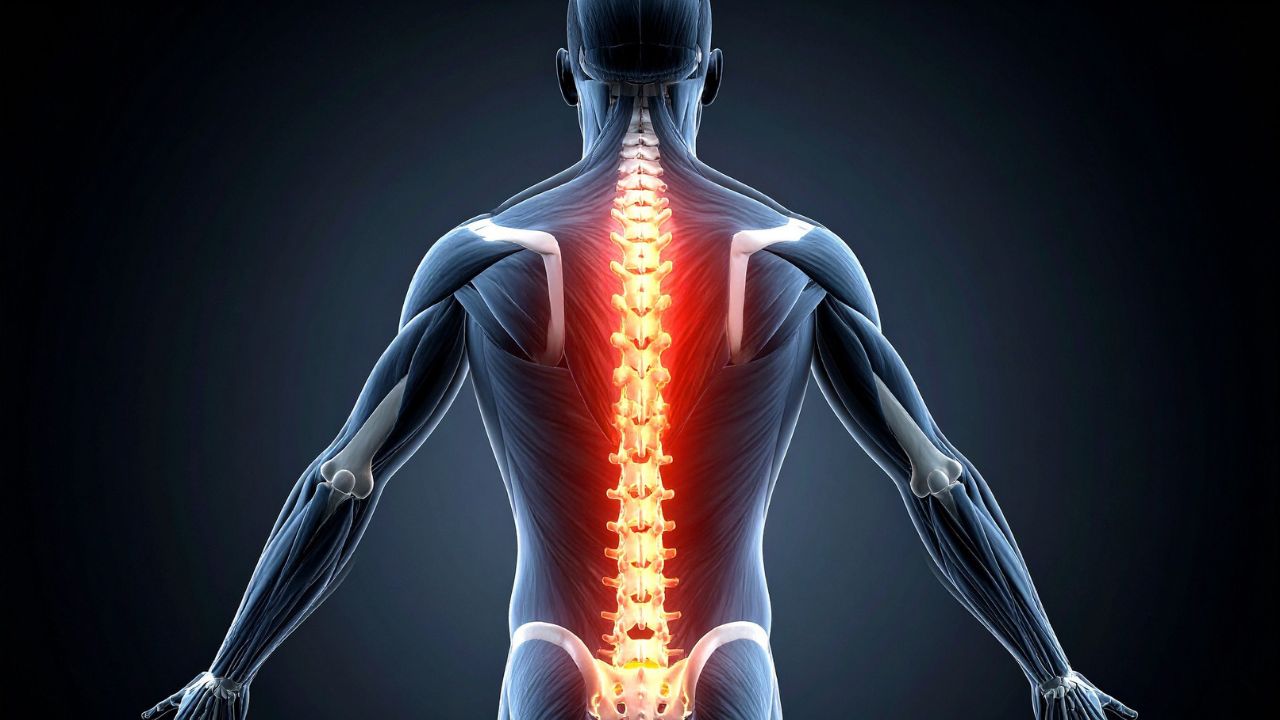
A spinal cord stimulator (SCS) is an implanted device that changes how the body handles pain signals. It doesn’t fix the source of the pain. It interrupts the signal before it reaches the brain. Doctors reserve SCS for specific chronic pain conditions, and only after other treatments fail.
How Does Spinal Cord Stimulation Manage Chronic Pain?
An SCS is an implanted neuromodulation device. It sends controlled electrical pulses near the spinal cord to change how pain signals travel. Cleveland Clinic compares this to white noise. The device doesn’t remove the source of the pain. It helps the brain tune out the signal instead.
SCS manages pain. It doesn’t repair the underlying spine or nerve problem causing it.
Which Conditions Qualify for Spinal Cord Stimulation?
SCS treats chronic pain conditions like complex regional pain syndrome, persistent spinal pain after laminectomy, postherpetic neuralgia, peripheral neuropathy, radiculopathy, and sciatica.
Most providers try nonsurgical treatment first. Physical therapy and medication typically come before SCS enters the conversation.
Who Are Ideal Candidates in California?
SCS candidates have tried conservative treatment without enough relief. Once less invasive options fail, a doctor may recommend SCS as the next step.
SCS isn’t a universal next step. It’s a treatment option reserved for select patients after a full medical evaluation.
At the Regenerative Institute of Newport Beach, Dr. Khyber Zaffarkhan, DO, FAAPMR, brings more than 15 years of experience evaluating candidates for spinal cord stimulation and other advanced pain treatments across Orange County. Patients can review our candidate eligibility guide for a closer look at qualifying conditions.
How Does the Two-Stage Spinal Cord Stimulator Process Work?
SCS placement happens in two stages. A trial phase comes first. A permanent implant follows only if the trial works.
What Happens During the Trial Phase?
During the trial, temporary leads are placed near the spinal cord. They connect to an external generator worn outside the body. This short evaluation period shows whether SCS actually relieves the patient’s pain before committing to a permanent device.
What Does the Permanent Implant Procedure Involve?
If the trial provides meaningful relief, the permanent implant follows. Leads and a pulse generator, essentially a battery, get implanted under the skin. This device replaces the external trial equipment.
What Follow-Up Care and Device Maintenance Are Needed?
Follow-up care includes programming visits. Doctors adjust the device settings as needed to keep pain relief consistent.
The battery or generator will eventually need replacement. Timing depends on the device type and how much it gets used.
The table below compares the two stages side by side.
| Aspect | Trial Phase | Permanent Implant |
| Leads | Temporary, placed near the spinal cord | Permanent, implanted under the skin |
| Generator | External, worn outside the body | Implanted along with the leads |
| Duration | Short evaluation period | Long-term, ongoing use |
| Purpose | Tests whether SCS relieves pain | Delivers ongoing pain relief |
What Costs Are Involved in Spinal Cord Stimulation Treatment?
SCS costs add up across two procedures and several separate bills. Understanding where those costs come from helps patients plan ahead.
How Do Trial and Implant Costs Differ?
SCS requires two separate procedures. One covers the trial phase. The other permanently implants the device. Each generates its own bill, and each bill breaks down further into facility, anesthesia, device, imaging, and follow-up programming charges. A battery replacement down the road adds another billing event.
What Are the Key Cost Drivers for Patients?
Multiple entities bill separately for SCS. The table below breaks down what each one typically covers.
| Billing Entity | What It Typically Covers |
| Physician | Professional fee for performing the trial and/or implant procedure |
| Facility or Surgery Center | Use of the operating suite, staff, and equipment |
| Anesthesia | Anesthesia provider fee for sedation during either procedure |
| Device Supplier | Cost of the trial equipment and permanent implant hardware |
| Imaging | Imaging used to guide lead placement |
| Follow-Up Programming | Visits to adjust device settings after implant |
| Battery Replacement | Future cost if the generator eventually needs replacing |
Where the procedure happens matters too. Hospital outpatient departments and ambulatory surgery centers negotiate different rates and charge different facility fees.
Costs don’t stop after implantation. Infection, lead migration, inadequate relief, or eventual battery replacement can all add expenses beyond the original procedure.
How Should California Patients Approach Financial Estimates?
Cost estimates vary widely depending on the source. The table below shows typical ranges reported by consumer cost guides.
| Source | Estimated Range (Uninsured) |
| Consumer cost guides | $15,000-$50,000+ |
| Marketplace-style cash bundles | $40,000-$52,000 |
| Broader consumer cost guide ranges | $20,000-$60,000+ |
These numbers only tell part of the story. Billed charges, negotiated rates, and what a patient actually owes are three different figures. A precise 2026 California cost depends on the patient’s insurer, benefits, facility, diagnosis, trial plan, and network status. No number is accurate until those details are confirmed.
How Does Insurance Coverage for Spinal Cord Stimulation Work in California?
Insurance coverage for SCS depends on documentation, approval, and plan details. None of it is automatic.
What Documentation and Medical Necessity Criteria Are Required?
Approval requires a documented case. Insurers want the diagnosis and pain duration, prior conservative treatments and their results, relevant imaging or diagnostic findings, a clinical rationale for SCS, and the trial plan with its outcome.
Medicare may cover SCS when policy criteria are met. Coverage isn’t automatic. Documentation determines the outcome.
The team at the Regenerative Institute of Newport Beach prepares this documentation for every SCS candidate and works directly with insurers to support the request.
How Do Prior Authorization and Network Status Affect Coverage?
Patient responsibility depends on several plan factors. Deductible, coinsurance, copays, network status, and the out-of-pocket maximum all determine what a patient actually pays with insurance.
What Consumer Protections Exist for Surprise Medical Bills?
I don’t have sourced facts for this section yet. This needs a research pass on California’s surprise billing protections (e.g., the No Surprises Act and state-level rules) before I draft it. Let me know if you’d like me to research this, or if you have source material to provide.
How Do Medicare and Commercial Insurance Differ in Covering Spinal Cord Stimulation?
Medicare and commercial insurance evaluate SCS coverage differently. Each follows its own rules for what counts as medically necessary.
What Are Medicare’s Reasonable and Necessary Coverage Rules?
Medicare coverage in California falls under CMS LCD L35136. This local coverage determination frames SCS approval around “reasonable and necessary” standards, meaning the documented medical need has to justify the treatment.
What Should Patients Know About Medicare Advantage Plans?
I don’t have sourced facts for this section yet. This needs a research pass on how Medicare Advantage plans handle SCS coverage compared to original Medicare before I draft it.
How Does Spinal Cord Stimulation Compare to Decompression and Regenerative Medicine?
SCS is one option among several for chronic pain. Regenerative medicine, decompression surgery, and interventional injections each target pain differently.
How Does SCS Differ from Regenerative Therapies?
Regenerative medicine, including stem cell therapy and PRP, supports tissue repair and healing in select musculoskeletal conditions. It’s not the same approach as SCS. SCS modulates nerve pain signals. It doesn’t repair tissue.
When Is Decompression Surgery a Suitable Option?
Minimally invasive lumbar decompression and Vertiflex-type procedures target spinal stenosis or nerve compression directly. These are anatomically targeted fixes, not signal modulation. Doctors consider lumbar decompression when compression is the primary driver of pain.
What Role Do Other Pain Management Options Play?
Radiofrequency ablation, nerve blocks, and injections offer another layer of options. These interventional treatments can diagnose or reduce pain from specific structures, and doctors often try them before advanced implants, depending on diagnosis.
SCS enters the picture when chronic pain remains function-limiting, and a neuromodulation approach fits after evaluation.
The table below summarizes how these options differ.
| Treatment | How It Works | Typically Used For |
| Spinal Cord Stimulator | Modulates pain signals through an implanted device | Function-limiting chronic nerve pain after conservative treatment fails |
| Regenerative Medicine (PRP/Stem Cell) | Supports tissue repair and healing | Select musculoskeletal conditions |
| Minimally Invasive Decompression | Targets spinal stenosis or nerve compression directly | Compression-driven pain |
| Radiofrequency Ablation/Nerve Blocks | Interventional pain reduction or diagnosis | Pain from specific structures, often before implants |
What Questions Should You Ask Before Scheduling Spinal Cord Stimulation?
A short list of questions before scheduling can save real money and confusion later. Insurer, provider, and billing office each need their own check-in.
What Should You Confirm with Your Insurer?
Confirm the trial is covered for your diagnosis, and that the permanent implant is covered if the trial succeeds. Ask what documentation prior authorization requires. Check remaining deductible, applicable coinsurance, and the out-of-pocket maximum. Ask what happens if authorization is denied, and who helps submit records or file an appeal.
What Should You Ask Your Provider About Treatment and Costs?
Ask whether the cost estimate includes both professional and facility fees, not just one. Confirm which procedure categories will be billed. Ask if device programming visits get billed separately from the main procedure, and whether a psychological evaluation or other screening applies to your plan. If you’re paying without insurance, ask for a Good Faith Estimate covering the trial, implant, device, facility, and anesthesia.
How Can You Prepare to Avoid Billing Surprises?
Confirm network status for every party involved: physician, facility, anesthesia group, and device supplier. A single out-of-network provider on an otherwise in-network case can trigger a surprise bill. Federal law and California law both limit surprise balance billing at in-network facilities, but the protection applies to specific situations, not every scenario. If a bill looks wrong, patients can contact the provider’s billing office and, depending on plan type, the Department of Managed Health Care or the California Department of Insurance. Confirming details before the procedure, not after, is what actually prevents the surprise.
Spinal Cord Stimulator Cost and Insurance in California: Navigating Your Options in 2026
Spinal cord stimulation offers real relief for chronic, function-limiting pain, but the path there involves a trial, a permanent implant, and an insurance process with its own documentation requirements. Costs vary widely and depend on your specific diagnosis, facility, device, and network status. No number is accurate until those details are confirmed.
The clearest next step is a conversation, not a guess. A pain management specialist can review your history, walk you through whether SCS fits your condition, and help you understand what your plan actually covers before you commit to anything.
Talk With an Orange County Pain Management Specialist About Your Options
Chronic pain deserves a clear plan, not a guess. Dr. Khyber Zaffarkhan and the team at the Regenerative Institute of Newport Beach can review your diagnosis, walk you through whether spinal cord stimulation fits your condition, and help you understand what your insurance actually covers before you schedule anything.
Call (949) 438-1888 to schedule a consultation. To live better, contact the Regenerative Institute of Newport Beach today!
Frequently Asked Questions
Q1. How much does a spinal cord stimulator cost in California?
A. Uninsured costs typically fall in the tens of thousands of dollars, with public cost guides reporting ranges from about $15,000 to $60,000 or more. The exact number depends on the trial, the permanent implant, the facility, the device, and insurance details. Billed charges, negotiated rates, and what a patient actually owes are three different figures. A firm estimate requires confirming insurance and facility details in advance.
Q2. Does insurance cover spinal cord stimulator implants?
A. Many insurance plans, including Medicare, may cover SCS when specific medical necessity criteria are met. Coverage is never automatic. Approval depends on documented diagnosis, prior conservative treatments, and a successful trial outcome. Patients should confirm coverage details with their specific plan before scheduling.
Q3. How long does the spinal cord stimulator trial last?
A. The trial phase typically runs about a week or more. Temporary leads connect to an external generator during this period so the patient and physician can evaluate whether the device provides meaningful pain relief. A permanent implant follows only if the trial succeeds.
Q4. What conditions does spinal cord stimulation treat?
A. SCS treats chronic pain conditions such as complex regional pain syndrome, persistent spinal pain after laminectomy, postherpetic neuralgia, peripheral neuropathy, radiculopathy, and sciatica. Providers typically try nonsurgical treatments like physical therapy and medication first. SCS becomes an option after conservative approaches haven’t provided enough relief.
Q5. How is spinal cord stimulation different from stem cell therapy?
A. SCS modulates pain signals through an implanted neuromodulation device. Stem cell therapy supports tissue repair and healing in select musculoskeletal conditions. These are different approaches for different problems, and a physician can help determine which fits a specific diagnosis.

