
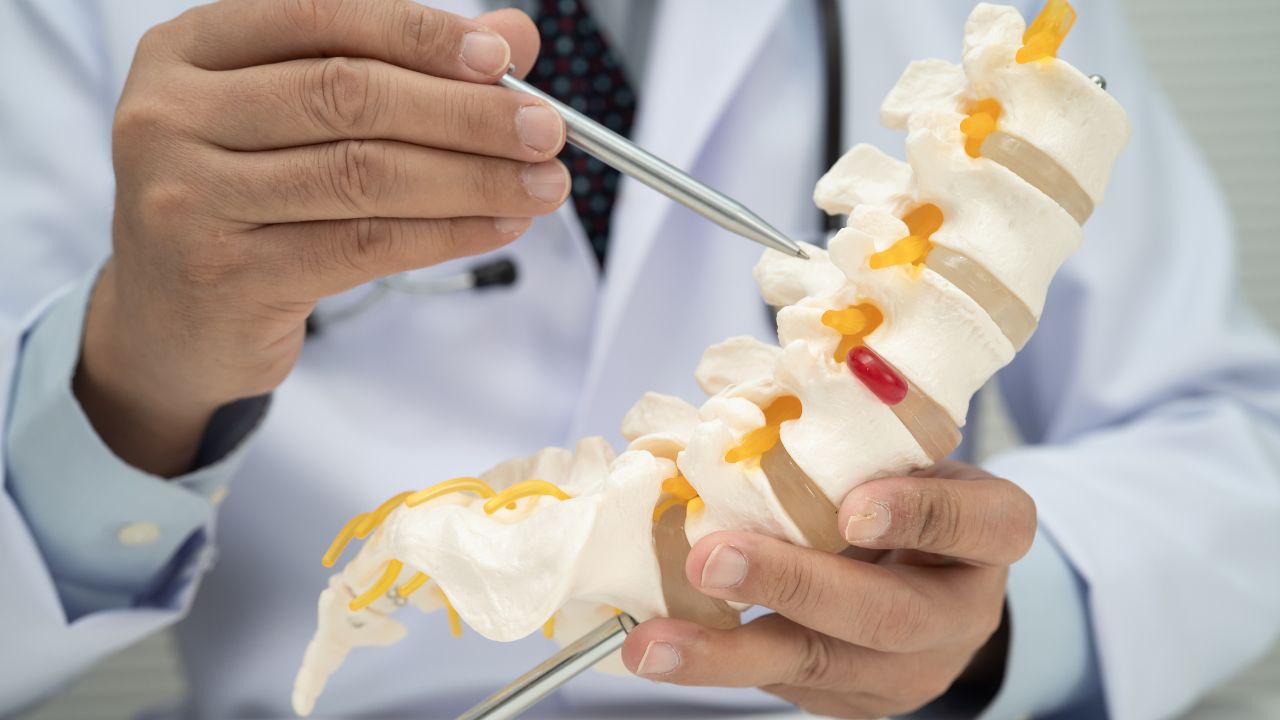
The MILD procedure cost in California varies because patients receive separate bills for the physician, facility, imaging, anesthesia or sedation, and follow-up care. Insurance coverage is plan-specific and depends on medical policy, diagnosis documentation, and prior authorization requirements. Medicare coverage for percutaneous image-guided lumbar decompression follows CMS National Coverage Determination 150.13 and its Coverage with Evidence Development requirements, while Medicare Advantage and commercial plans apply their own criteria. The safest approach is to confirm your diagnosis, verify ligamentum flavum hypertrophy on imaging, request the CPT code your provider will use, and have the office check plan-specific benefits before scheduling.
Below, you’ll find how MILD procedure costs break down by component, what Medicare and commercial insurance plans require for approval, which symptoms and imaging findings support medical necessity, and the questions to ask your provider and insurer before scheduling in 2026.
Key Takeaways
- MILD procedure cost includes physician fees, facility charges, imaging, anesthesia, and follow-up care billed separately
- Medicare covers PILD through Coverage with Evidence Development when beneficiaries enroll in approved clinical studies per CMS NCD 150.13
- Commercial and Medicare Advantage plans vary in coverage, requiring prior authorization and documented conservative treatment failure
- Lumbar spinal stenosis with ligamentum flavum hypertrophy documented on imaging supports medical necessity for MILD
- Patients should verify billing codes, site of service, deductible, and prior authorization requirements before scheduling
What Is the MILD Procedure and What Condition Does It Treat?
The MILD procedure is a minimally invasive lumbar decompression performed to treat symptomatic lumbar spinal stenosis with thickened ligamentum flavum contributing to nerve compression. The procedure is designed for patients whose symptoms have not responded to conservative care like physical therapy, medication, or injections.
MILD addresses narrowing in the spinal canal that compresses nerves traveling from the lower back into the legs. Candidates typically experience neurogenic claudication, a symptom pattern where standing and walking worsen leg pain while sitting or bending forward provides relief.
How Does MILD Work to Relieve Lumbar Spinal Stenosis?
MILD removes excess ligament tissue to restore space in the spinal canal without significantly altering structural anatomy. The procedure uses specially designed instruments to percutaneously remove a portion of the lamina and debulk the ligamentum flavum.
Lumbar spinal stenosis is narrowing of the spinal canal in the lower back that can compress nerves traveling into the legs. PILD is generally described as using X-ray guidance, commonly fluoroscopy or CT, with contrast media to identify and monitor the compressed area via epiduragram.
Who Is a Candidate for the MILD Procedure?
Lumbar spinal stenosis typically affects people age 60 and older, though spinal stenosis is common in people over age 50. CMS defines PILD as proposed for symptomatic LSS unresponsive to conservative therapy such as physical therapy, medication, and activity modification.
MILD is not a general back-pain procedure but a targeted decompression for documented ligamentum flavum hypertrophy. Severe instability, major spondylolisthesis, or symptoms requiring open surgery may shift treatment away from MILD to more invasive options.
How Does MILD Differ from Other Lumbar Decompression Options?
PILD is posterior decompression of the lumbar spine performed under indirect image guidance without direct visualization of the surgical area. MILD is different from open laminectomy or laminotomy, which require larger incisions and direct surgical exposure.
MILD can be performed through a single midline incision as an outpatient procedure. Patients are typically discharged within 24 hours, making it distinct from inpatient surgical decompression with longer hospital stays.
What Factors Affect the Cost of the MILD Procedure in California?
The MILD procedure cost in California reflects multiple billable components rather than a single fixed price. Understanding each cost driver helps patients request accurate estimates from their insurance plan and the facility.
Cost components include the physician fee for performing the decompression, the facility charge, imaging services, anesthesia, and both pre- and post-procedure care. Each component may be billed separately and covered at different rates depending on your insurance contract.
Which Components Make Up the Total Procedure Cost?
Pre-procedure requires evaluation, imaging review, and medical clearance to confirm diagnosis and candidacy. The procedure itself uses X-ray guidance, commonly fluoroscopy or CT, to visualize the treatment area.
Contrast media is used to identify and monitor the compressed area via epiduragram during the decompression. Post-procedure includes a follow-up visit and recovery monitoring to assess symptom improvement and detect complications.
| Cost Component | What It Typically Covers |
| Physician Fee | Payment for the physician performing the percutaneous decompression |
| Facility Fee | Charge from the hospital outpatient department, surgery center, or office suite where the procedure takes place |
| Imaging and Guidance | Fluoroscopy or CT guidance and contrast media used to visualize the treatment area during the procedure |
| Anesthesia or Sedation | Sedation services administered during the procedure, billed separately from the physician and facility fees |
| Pre and Post Procedure Care | Evaluation, imaging review, medical clearance, and follow up visits to monitor recovery and symptom improvement |
How Does the Site of Service Impact Pricing?
Sites of service include hospital outpatient departments, ambulatory surgery centers, and office-based procedure suites. Facility fees vary significantly across these settings due to overhead costs and payer contract differences.
Hospital outpatient departments typically charge higher facility fees than ambulatory surgery centers or office-based suites. Patients should ask where the procedure will be performed and whether the facility is in-network.
Why Does Insurance Coverage Influence Out-of-Pocket Expenses?
Coverage does not mean zero cost because deductibles and coinsurance still apply after the plan approves the procedure. The allowed amount the payer negotiates with the facility determines the base calculation for patient responsibility.
If the plan has not met its deductible for the year, the patient pays the full allowed amount until the deductible is satisfied. After the deductible, coinsurance typically requires the patient to pay a percentage of the remaining allowed charges.
How Does Insurance Coverage for the MILD Procedure Vary?
Insurance coverage for the MILD procedure in 2026 varies by payer type, plan year, and medical policy language. Medicare, Medicare Advantage, and commercial plans each apply different criteria and documentation requirements.
Coverage decisions depend on how the payer classifies percutaneous image-guided lumbar decompression and whether medical necessity criteria are met. Patients should verify coverage and prior authorization requirements before scheduling to reduce denial risk.
| Payer Type | Coverage Approach | Key Requirement |
| Traditional Medicare | Covers PILD only through Coverage with Evidence Development under CMS NCD 150.13 | Enrollment in an approved clinical study using CPT code 0275T |
| Medicare Advantage | Applies plan specific network rules that may differ from traditional Medicare | Prior authorization and in network facility verification |
| Commercial Plans | Treats MILD as medically necessary, investigational, or covered only under specific criteria depending on the policy | Documented conservative treatment failure and imaging evidence of ligamentum flavum hypertrophy |
What Are Medicare Coverage Rules under CMS NCD 150.13?
CMS National Coverage Determination 150.13 has an effective date of December 7, 2016, and governs Medicare coverage for PILD. Medicare covers PILD through Coverage with Evidence Development when the beneficiary is enrolled in an approved clinical study.
CMS determined PILD for lumbar spinal stenosis is not reasonable and necessary under section 1862(a)(1)(A) outside the specified context. CMS determined PILD can be covered under section 1862(a)(1)(E) through Coverage with Evidence Development for qualifying beneficiaries enrolled in an approved clinical study.
CPT code 0275T is referenced for PILD when performed within a CED-approved clinical trial. Patients should ask their provider whether the procedure meets current Medicare coverage requirements and whether the required study enrollment or documentation applies.
How Do Commercial and Medicare Advantage Plans Handle Coverage?
Commercial plans may treat MILD or PILD as medically necessary, investigational, or only covered under specific criteria depending on the plan and policy year. Each payer applies its own medical policy language and may require prior authorization, imaging evidence, and failed conservative care.
Medicare Advantage plans can have network and prior authorization requirements that differ from traditional Medicare. Patients enrolled in Medicare Advantage should call the plan with the procedure code, facility name, and diagnosis to verify coverage and network status.
What Documentation and Prior Authorization Are Typically Required?
Many policies require failed conservative treatment first, including physical therapy, medication, epidural steroid injections, and activity modification. Documented lumbar spinal stenosis with ligamentum flavum hypertrophy visible on MRI or CT imaging supports medical necessity.
Medical necessity often depends on documented lumbar spinal stenosis and ligamentum flavum hypertrophy confirmed by a radiologist’s report. The treating physician must also confirm that symptoms match neurogenic claudication or radicular pain consistent with nerve compression.
What Symptoms and Medical History Support Medical Necessity for MILD?
Medical necessity for the MILD procedure depends on documented symptoms consistent with lumbar spinal stenosis and failed conservative care. Imaging evidence showing narrowing and ligament thickening strengthens the case for insurance approval.
Payers evaluate whether symptoms, physical exam findings, imaging results, and treatment history align with clinical indications for percutaneous lumbar decompression. Comprehensive documentation reduces the likelihood of denial or delayed authorization.
Which Symptoms Indicate Lumbar Spinal Stenosis Suitable for MILD?
Neurogenic claudication is a symptom pattern associated with lumbar spinal stenosis where standing and walking worsen leg pain. Relief occurs when sitting, bending forward, or leaning on a shopping cart reduces pressure on the spinal canal.
Patients may also experience back pain, buttock discomfort, numbness, or weakness in the legs during prolonged standing. Documenting these symptom patterns in the medical record helps clarify the need for lumbar decompression rather than alternative pain management.
Why Is Imaging Evidence Important for Insurance Approval?
Image guidance types include fluoroscopy or CT with contrast media to identify the compressed area via epidurogram during the procedure. Pre-procedure MRI or CT imaging confirms the diagnosis and shows ligamentum flavum hypertrophy contributing to canal narrowing.
Payers require radiologist reports documenting spinal stenosis severity, affected levels, and ligament thickening before approving the procedure. Imaging evidence distinguishes lumbar stenosis from other causes of lower back pain that may not require decompression.
How Does Prior Conservative Care Influence Candidacy and Coverage?
Conservative care examples include physical therapy, medication, epidural steroid injections, and activity modification attempted over at least six to twelve weeks. Documented failure of conservative treatment demonstrates that less invasive options did not provide adequate symptom relief.
Insurers typically require evidence that patients tried non-surgical treatments before authorizing minimally invasive or surgical decompression. Maintaining records of physical therapy visits, prescription medications, and injection dates strengthens the prior authorization request.
What Questions Should Patients Ask Their Insurance and Provider Before Scheduling?
Patients should verify billing codes, prior authorization status, site of service, and expected out-of-pocket costs before scheduling the MILD procedure in 2026. Asking the right questions reduces financial surprises and ensures the practice submits accurate documentation to the payer.
Working with the provider’s billing team to confirm coverage details and obtain written estimates helps patients make informed decisions. Confirming network status, deductible responsibility, and coinsurance percentages before the procedure date protects against unexpected bills.
How to Confirm the Correct Billing Codes and Procedure Naming?
Ask the provider’s billing team which CPT code will be submitted for the procedure. Confirm whether the code is 0275T or another code, as payers base coverage decisions on specific billing codes.
Request the exact procedure name and diagnosis codes the office will use on the claim. Verifying this information allows patients to call their insurance plan and ask whether that specific code and diagnosis combination are covered.
What Should You Know About Prior Authorization and Deductibles?
Ask whether the office will submit prior authorization and how long the approval process typically takes. Confirm whether prior authorization is required by your specific plan before scheduling the procedure.
Request an estimate of your deductible remaining for the year and your coinsurance percentage after the deductible is met. Understanding these figures helps patients budget for the procedure and avoid unexpected costs after billing.
How to Verify Site of Service and Follow-Up Care Billing?
Ask where the procedure will be performed and whether the facility is in your plan’s network. Out-of-network facilities may result in higher patient responsibility even if the physician is in-network.
Confirm whether follow-up visits and post-procedure imaging are included in the procedure fee or billed separately. Understanding the billing structure for recovery monitoring helps patients plan for the total cost of care.
How Does MILD Compare to Other Back Pain and Spinal Stenosis Treatments?
The MILD procedure is one option among several treatments for lumbar spinal stenosis and chronic neck and back pain affecting active adults. Understanding how MILD compares to conservative care, injections, implants, and surgery helps patients make informed decisions.
Each treatment option carries different cost structures, recovery timelines, and coverage requirements. Comparing these factors allows patients to weigh risks, benefits, and financial implications before committing to a treatment plan.
What Are the Roles of Conservative Treatments Like Physical Therapy and Injections?
MILD vs epidural steroid injections: MILD decompresses the canal by removing ligament tissue, while injections provide symptom relief but may not decompress the canal. Epidural steroid injections are typically less expensive and covered more broadly than minimally invasive decompression procedures.
MILD vs physical therapy or medication: conservative care is often required before authorization for MILD or other interventional procedures. Demonstrating that pain management services like therapy and medication failed supports medical necessity for decompression.
How Does MILD Compare to Implant-Based and Surgical Options?
MILD vs interspinous spacer or Vertiflex: implant-based procedures use a device to maintain space between vertebrae and follow separate coverage rules. Interspinous spacers may have different FDA approval status, prior authorization requirements, and cost structures than percutaneous decompression.
MILD vs open decompression surgery: open procedures are more invasive, involve hospital admission, and require surgeon, facility, and anesthesia costs with a different recovery profile. Open laminectomy or laminotomy typically has broader insurance coverage but longer downtime and higher complication risk.
When Is Neuromodulation Considered as an Alternative?
MILD vs spinal cord stimulation: neuromodulation treats chronic pain through electrical impulses rather than decompressing the spinal canal. Spinal cord stimulation has a trial phase and implant costs, with separate prior authorization and medical necessity criteria.
Neuromodulation is typically considered when decompression or conservative care has failed, and pain is chronic and neuropathic. Patients exploring advanced pain procedures should understand that each modality addresses different mechanisms of pain and stenosis.
How Can Patients in Southern California Navigate MILD Procedure Costs and Coverage?
Patients in Southern California seeking the MILD procedure in 2026 should understand that local market pricing varies across facility types and insurance contracts. Newport Beach, Orange County, and Riverside patients benefit from asking regional providers for transparent cost estimates before scheduling.
Active adults in Orange County often seek minimally invasive options to avoid surgery and return to activities like golf, hiking, and tennis. Understanding cost, coverage, and candidacy allows patients to make confident decisions aligned with their health and financial goals.
Why Is Local Market Pricing Important to Consider?
California service areas including Newport Beach, Orange County, Riverside, and Southern California may have higher facility and physician fees than national averages. Local pricing reflects contracted rates with payers, facility overhead, and regional cost-of-living factors.
Target audiences include active Orange County and Southern California adults, often age 45 to 65 and older, who seek solutions that preserve mobility. Requesting cost estimates from nonsurgical treatment providers in your region helps compare options and plan financially.
How Does Orthorepair Support Patient Education and Cost Understanding?
A Cleveland Clinic 1-year study cited by the manufacturer showed average standing time increased from 8 minutes to 56 minutes after MILD. The same study reported walking distance increased from 246 feet to 3,956 feet, demonstrating functional improvement in select patients.
The manufacturer cites 76.8% patient satisfaction, though these outcome claims are vendor-cited and not independent proof of universal results. Patients considering regenerative and interventional options should ask providers about specific success rates and realistic expectations.
What Steps Should Patients Take to Prepare for Insurance Discussions?
Gather imaging reports, conservative treatment records, and symptom diaries before calling your insurance plan or scheduling a consultation. Having diagnosis codes, CPT codes, and treatment dates ready helps the plan representative provide accurate coverage information.
Request a written estimate from the provider’s billing team and a benefits breakdown from your insurer before the procedure. Understanding coverage, deductibles, coinsurance, and network status reduces financial surprises and allows patients to budget appropriately.
MILD Procedure Cost and Insurance Coverage: Understanding the Financial and Treatment Landscape
The MILD procedure cost in California depends on multiple billable components, site of service, and your insurance plan’s coverage rules. Medicare covers percutaneous image-guided lumbar decompression only under Coverage with Evidence Development requirements, while commercial and Medicare Advantage plans apply individual medical policies and prior authorization criteria.
Patients benefit from verifying diagnosis documentation, confirming imaging evidence of ligamentum flavum hypertrophy, and requesting billing codes before scheduling. Understanding cost drivers, coverage rules, and candidacy requirements allows patients in Southern California to make informed decisions about minimally invasive lumbar decompression in 2026.
Before committing to any procedure, patients should confirm that their symptoms, imaging, and treatment history align with medical necessity criteria. Working with a practice that provides transparent cost education and personalized evaluations helps ensure realistic expectations and financial preparedness.
Regenerative Institute of Newport Beach offers comprehensive consultations that review symptoms, imaging, insurance coverage, and treatment options for patients seeking minimally invasive solutions for spine-related pain. Our team helps Southern California patients understand their options, verify insurance benefits, and prepare for informed conversations with their payer before scheduling any intervention.
Ready to Understand Your MILD Procedure Costs and Coverage?
Confirming your MILD procedure cost and insurance coverage should not feel confusing. Our specialists at the Regenerative Institute of Newport Beach review your imaging, conservative care history, and insurance benefits so you understand your options before you schedule. Call (949) 438-1888 to speak with our team about your MILD procedure candidacy and cost estimate.
You can also request a consultation online to review your imaging, discuss coverage requirements with our billing team, and get a written estimate before you commit to any procedure. To live better, contact the Regenerative Institute of Newport Beach today!
Frequently Asked Questions About MILD Procedure Cost and Coverage
Q1. How much does the MILD procedure cost without insurance in California?
A. Self-pay pricing for the MILD procedure in California varies by facility, physician fee, and site of service, so patients should request a written estimate that separates physician, facility, and imaging charges. Ambulatory surgery centers and office-based suites generally carry lower facility fees than hospital outpatient departments. Ask the billing team for an itemized quote that includes pre-procedure imaging review and the post-procedure follow-up visit.
Q2. Does Medicare cover the MILD procedure?
A. Traditional Medicare covers percutaneous image-guided lumbar decompression only through Coverage with Evidence Development under CMS National Coverage Determination 150.13. This requires enrollment in an approved clinical study and billing under CPT code 0275T. Medicare Advantage plans may apply different network and prior authorization rules, so beneficiaries should confirm coverage with their specific plan before scheduling.
Q3. What documentation supports medical necessity for MILD?
A. Medical necessity typically requires imaging that confirms lumbar spinal stenosis with ligamentum flavum hypertrophy, along with documented symptoms such as neurogenic claudication. Payers also look for records showing that conservative treatments, including physical therapy, medication, and epidural steroid injections, were tried first and did not provide lasting relief. A radiologist report and a clear symptom history strengthen the prior authorization request.
Q4. How long does prior authorization for MILD typically take?
A. Prior authorization timelines depend on the payer and the completeness of the submitted documentation, and can range from several days to a few weeks. Practices that submit complete imaging reports, conservative treatment records, and accurate billing codes on the first request tend to see faster turnaround. Patients should ask the scheduling team when prior authorization will be submitted and how they will be notified of the outcome.
Q5. Is the MILD procedure covered by commercial insurance plans?
A. Commercial plan coverage for the MILD procedure varies because each insurer applies its own medical policy, and some classify the procedure as medically necessary while others consider it investigational. Coverage usually depends on documented conservative care failure, imaging confirmation of ligamentum flavum hypertrophy, and prior authorization approval. Patients should call their insurer with the specific CPT code and diagnosis their provider plans to submit to confirm coverage before scheduling.

