
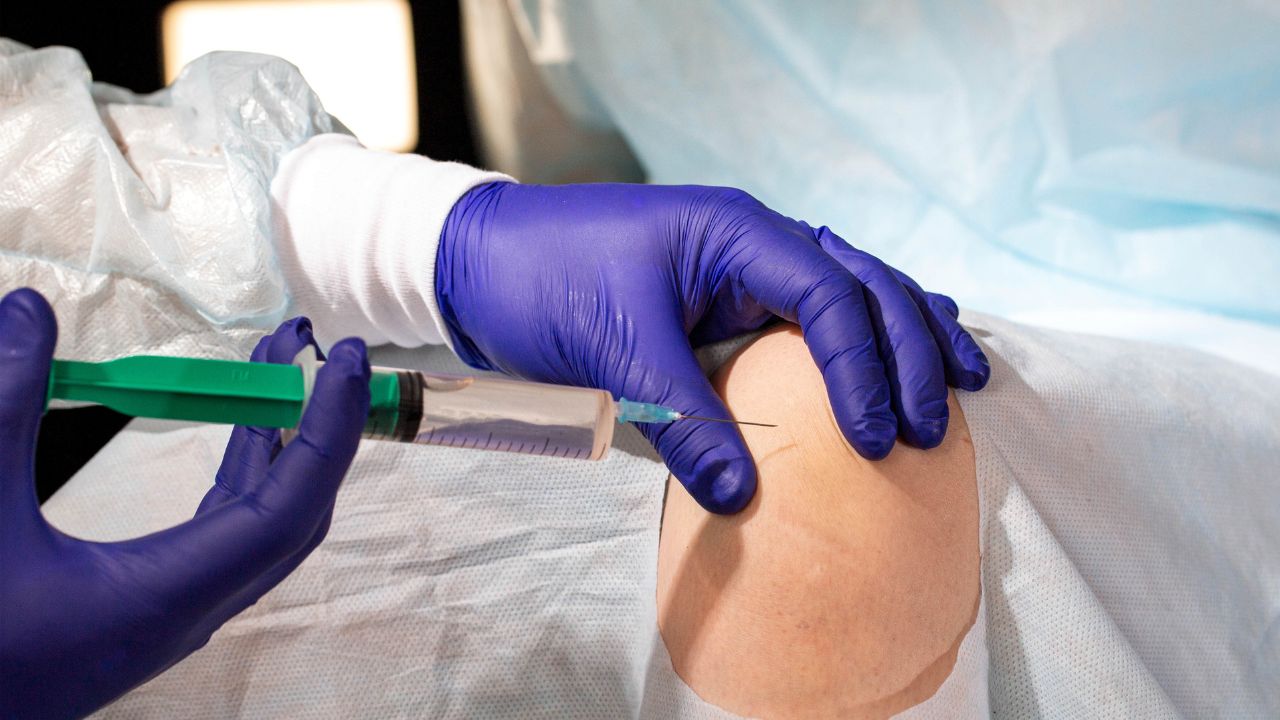
Joint injection cost in Orange County varies significantly based on the type of injection you receive and the treatment plan your physician recommends. A basic corticosteroid injection may cost $100-$300, while regenerative medicine options like PRP or stem cell therapy can range from $500 to $25,000 depending on complexity and session requirements.
Understanding 2026 estimates helps patients make informed decisions about pain management and joint injection options. Orange County pricing reflects the medication or biologic used, plus imaging guidance, facility fees, physician expertise, and whether your insurance will cover the procedure.
Key Takeaways
- Joint injection cost varies by type: corticosteroid injections cost $100-$300, hyaluronic acid $500-$1,500, PRP $500-$2,500 per session, and stem cell therapy $3,500-$25,000 per knee
- Insurance typically covers corticosteroid injections when medically necessary, but most orthopedic PRP and stem cell treatments are self-pay
- Orange County pricing depends on imaging guidance, facility setting, medication preparation, and number of sessions required
- Regenerative medicine therapies cost more upfront but may offer longer-lasting relief compared to short-term steroid injections
- Transparent quotes should include exam, imaging, guidance method, biologic preparation, facility fees, and follow-up care
What Types of Joint Injections Are Available and How Do They Differ?
Joint injections are not interchangeable treatments, and each type serves different therapeutic goals with distinct cost structures. Corticosteroid injections reduce inflammation quickly, hyaluronic acid lubricates osteoarthritic joints, and regenerative medicine options use your body’s own healing mechanisms.
The preparation, clinical indications, and expected outcomes differ substantially between injection categories. Patient costs reflect these differences in medication sourcing, biologic processing, physician time, and treatment complexity.
What Is a Corticosteroid Injection and When Is It Used?
Corticosteroid injections use medication specifically designed to reduce inflammation in painful joints, tendons, muscles, or the spine. These steroid injections address inflammatory musculoskeletal conditions and provide relatively fast symptom relief.
Patients typically experience relief lasting 6-12 weeks after a cortisone shot. The lower upfront cost makes corticosteroid injections accessible for short-term pain control and diagnostic purposes.
How Does Hyaluronic Acid Injection Support Joint Health?
Hyaluronic acid injections deliver a gel-like lubricant directly into the knee joint to treat osteoarthritis symptoms. This naturally occurring substance serves as a shock absorber in synovial fluid and can improve joint lubrication when cartilage has deteriorated.
Hyaluronic acid joint injections are often recommended for mild-to-moderate knee osteoarthritis in selected patients. The series structure and specific product used affect the total treatment cost.
What Are PRP and Stem Cell Therapies in Regenerative Medicine?
PRP uses the patient’s own blood, which is processed through a centrifuge to concentrate platelet-rich plasma before reinjection into damaged tissue. This regenerative medicine approach harnesses natural growth factors found in your blood cells to promote healing in joints, tendons, and ligaments.
Stem cell therapy involves harvesting cells from bone marrow or adipose tissue, followed by specialized processing before injection. PRP side effects remain limited because the treatment uses your own blood, while PRP therapy for joint pain builds therapeutic benefits over several weeks rather than acting immediately like a steroid injection.
How Do Costs Vary by Injection Type in Orange County?
Injection type determines the baseline price range before additional factors like imaging or facility fees are included. Corticosteroid injections represent the most economical option, while regenerative medicine therapies carry higher upfront costs due to biologic preparation and more complex protocols.
Orange County pricing reflects both the injection substance and the clinical expertise required for each procedure. Self-pay patients should request itemized estimates that break down every component of the quoted price.
Joint Injection Cost Comparison, Orange County (2026)
| Injection Type | Typical Cost Range | Insurance Coverage | Typical Relief Duration |
| Corticosteroid Injection | $100 – $300 | Often covered when medically necessary | 6-12 weeks |
| Hyaluronic Acid Injection | $500 – $1,500 | Coverage varies by plan | Several months |
| PRP Injection (per session) | $500 – $2,500 | Typically self-pay | Builds over several weeks |
| Stem Cell Therapy (per knee) | $3,500 – $25,000 | Self-pay | Long-lasting, varies by patient |
What Is the Price Range for Corticosteroid and Hyaluronic Acid Injections?
Corticosteroid injections typically cost between $100 and $300 in Orange County, though imaging guidance or facility fees may increase the total. This represents the most accessible price point among joint injection options.
Hyaluronic acid gel injections for knee osteoarthritis generally range from $500 to $1,500 depending on the product and series length. Coverage varies by insurance plan and specific medical indication.
What Are the Estimated Costs for PRP Treatments Including Full Plans?
PRP injections cost $500 to $2,500 per individual session depending on the joint treated and preparation method. A complete knee osteoarthritis PRP plan including 1-3 sessions, imaging, physical therapy recommendations, and follow-up care typically ranges from $1,500 to $11,000.
Insurance coverage for PRP injections remains limited, with most patients paying out of pocket. PRP add-on costs for imaging, advanced processing, or combination therapies can add $1,000 to $3,500 to the base injection price.
How Much Does Stem Cell Therapy Typically Cost and Why Is It Higher?
Stem cell therapy for knee pain costs between $3,500 and $25,000 per knee in 2026 based on cell source and protocol complexity. Same-day autologous stem cell treatments commonly fall in the $4,000 to $8,000 range.
The higher price reflects the harvesting process from bone marrow or adipose tissue and specialized cell processing after collection. Stem cell therapy cost for knees includes surgical facility fees, physician expertise, and more extensive follow-up protocols compared to simpler injection procedures.
What Additional Factors Influence Joint Injection Prices?
Beyond the injection substance itself, several procedural elements affect the final bill patients receive. Imaging guidance improves precision but adds technical fees to the procedure.
Treatment setting choices and the number of sessions required substantially change total patient costs. Understanding these variables helps you compare quotes accurately across different providers.
How Does Imaging Guidance Affect the Cost and Outcome?
Ultrasound or fluoroscopic guidance allows physicians to visualize needle placement in real time during injection procedures. This precision tool may increase procedure costs compared to landmark-only injections.
Imaging guidance improves injection accuracy for certain joints and diagnoses, potentially maximizing therapeutic benefits. The added technical fee reflects equipment costs and the additional expertise required for image-guided procedures.
What Role Does the Treatment Setting Play in Pricing?
Hospital outpatient departments, ambulatory surgery centers, and physician offices can generate significantly different bills for similar procedures. Facility fees vary substantially based on the treatment location you choose.
Medicare pricing data confirms that procedure costs do not include separate physician fees and may vary considerably by geographic location. Orange County patients should request setting-specific estimates rather than relying solely on national procedure code averages.
How Does the Number of Sessions and Follow-Up Care Impact Total Cost?
Single-visit pricing differs substantially from comprehensive treatment plans that include multiple injections and rehabilitation support. PRP recovery typically requires 24-48 hours before resuming normal activities, while stem cell procedures may need 3-7 days of modified activity.
Multi-session protocols increase total investment but may be necessary for optimal results in certain conditions. Comparing a one-time steroid injection against a three-session PRP plan requires evaluating both immediate costs and expected treatment duration.
How Does Insurance Affect Your Joint Injection Expenses in 2026?
Insurance coverage dramatically influences what patients actually pay out of pocket for joint injections. Traditional corticosteroid and some hyaluronic acid injections may be covered when medically necessary, while regenerative medicine typically requires self-pay.
Understanding coverage patterns before scheduling helps patients avoid surprise bills and plan treatment budgets accurately. Verification with both the provider and your insurance plan prevents costly misunderstandings.
Which Injections Are Often Covered by Insurance?
CPT 20610 represents the Medicare procedure code commonly used for joint injection billing. Insurance plans more frequently cover corticosteroid injections when they are medically necessary for documented inflammatory conditions.
Coverage approval depends on diagnosis, prior conservative treatment, and specific plan benefits. Even when an injection type is potentially covered, copayments, deductibles, and coinsurance vary significantly across different insurance products.
Why Are PRP and Stem Cell Therapies Usually Self-Pay?
Most insurance plans classify orthopedic PRP as experimental or investigational, resulting in an estimated 85-95% denial rate for these applications. Medicare generally excludes PRP for musculoskeletal conditions under current coverage policies.
The FDA has not approved regenerative medicine therapies for orthopedic conditions including osteoarthritis, tendonitis, disc disease, tennis elbow, back pain, hip pain, knee pain, neck pain, or shoulder pain. This regulatory status influences insurer coverage decisions and requires most patients to budget for full self-pay pricing.
What Should Patients Confirm About Coverage Before Treatment?
Patients should verify whether the specific injection substance, not just the office visit, falls under their plan benefits. Pre-authorization requirements and medical necessity documentation vary substantially across insurers.
HSA and FSA accounts offer tax-advantaged payment options for self-pay regenerative procedures when insurance denies coverage. Confirming these details before scheduling prevents financial surprises and allows time to explore payment alternatives.
What Are the Key Differences Between Short-Term Relief and Regenerative Medicine?
Treatment goals fundamentally differ between fast-acting anti-inflammatory injections and regenerative medicine approaches that promote tissue healing over time. Corticosteroid injections provide rapid symptom relief lasting weeks to a few months.
Regenerative therapies require more patient investment upfront but may deliver longer-lasting functional improvements. The choice depends on your condition severity, timeline expectations, and whether you prioritize immediate relief or sustained healing.
How Do Steroid Shots Compare to PRP and Stem Cell Therapies in Duration and Effect?
Corticosteroid injections deliver faster short-term relief for inflammatory flares, commonly providing benefit for weeks to a few months. Recent evidence suggests PRP may produce longer positive effects than hyaluronic acid specifically for knee osteoarthritis.
Combination approaches using PRP plus hyaluronic acid may prove more effective than either treatment alone in selected patients. Stem cell therapy for joint pain addresses underlying tissue damage rather than temporarily suppressing inflammation.
What Should Patients Consider When Evaluating Investment Versus Value?
A single steroid injection costing $200 cannot be directly compared to a multi-session PRP protocol with physical therapy support totaling several thousand dollars. The meaningful comparison includes expected relief duration, functional improvement goals, and whether the treatment helps delay or avoid surgery.
PRP costs $500-$2,500 per treatment while stem cell procedures range from $3,000-$8,000 per session, reflecting different biologic complexity. Value calculation should weigh total treatment plan costs against quality of life improvements and potential surgical cost avoidance.
How Does Treatment Goal Influence Injection Choice?
Patients seeking immediate relief for an acute inflammatory flare may benefit most from corticosteroid injections despite shorter effect duration. Those wanting to address underlying tissue damage and potentially extend the time before joint replacement may consider regenerative medicine worth the higher investment.
Understanding how stem cell therapy works helps clarify whether your condition and expectations align with regenerative approaches. Your physician can determine which option matches your diagnosis, activity goals, and realistic outcome expectations.
What Questions Should Patients Ask Before Scheduling a Joint Injection in Newport Beach?
Informed patients request detailed cost breakdowns before committing to any injection procedure. Understanding exactly what your quote includes prevents surprise charges and helps you compare providers accurately.
The consultation visit represents your opportunity to confirm candidacy, expected outcomes, and complete pricing transparency. Planning your pain treatment for the year requires clear communication about all financial and clinical expectations.
What Should Be Included in a Transparent Price Quote?
A complete estimate should specify whether consultation fees, examination, imaging review, new diagnostic imaging, ultrasound or fluoroscopy guidance, medication or biologic preparation, facility fees, and follow-up visits are included or billed separately. Patients deserve itemized quotes that break down each component rather than a single bundled number.
Ask whether the price assumes one injection or a multi-session protocol and whether physical therapy or rehabilitation guidance is part of the plan. Financing options, HSA/FSA eligibility, and payment timing should be clarified before you schedule.
How to Verify Imaging, Medication, and Follow-Up Care in Your Estimate?
Confirm whether ultrasound or fluoroscopic guidance is included in the procedure fee or billed as a separate technical charge. The medication type, brand, preparation method, and dosing all influence the final cost.
Follow-up visit policies vary across practices, with some including post-injection evaluations in the initial quote and others charging separately. Understanding the complete care pathway prevents budget surprises during your recovery period.
Why Is a Personalized Consultation Important Before Treatment?
Not every patient qualifies as an ideal candidate for every injection type, and a consultation allows your physician to assess whether your specific condition matches the treatment benefits. Cookie-cutter pricing without examination cannot account for individual complexity factors that affect both cost and outcomes.
The consultation protects your investment by ensuring you select the injection type most likely to benefit your diagnosis and activity goals. Physicians can also identify whether conservative care like physical therapy should precede injection therapy or whether you need diagnostic imaging before proceeding.
How to Navigate Joint Injection Options in Orange County for Your Needs
Joint injection decisions require balancing immediate patient costs against expected relief duration, functional goals, and insurance coverage realities. Orange County residents benefit from comparing multiple treatment tiers rather than assuming the lowest upfront price delivers the greatest value.
Understanding 2026 estimates for corticosteroid, hyaluronic acid, PRP, and stem cell injections empowers you to make informed choices aligned with your health priorities. Regenerative medicine costs more initially but addresses tissue healing rather than temporarily masking inflammation.
Regenerative Institute of Newport Beach provides personalized consultations that clarify which injection type matches your diagnosis, activity goals, and budget considerations. Transparent pricing discussions during your evaluation ensure you understand total treatment costs before committing to any procedure.
Schedule a consultation at Regenerative Institute of Newport Beach to receive a personalized joint injection cost estimate based on your specific condition and treatment goals.
Call (949) 438-1888 or request your personalized quote online to discuss which joint injection option fits your diagnosis, budget, and goals. To live better, contact the Regenerative Institute of Newport Beach today!
Frequently Asked Questions
Q1. How much does a joint injection cost in Orange County?
A. Joint injection cost in Orange County depends on the type of injection your physician recommends for your condition. Corticosteroid injections generally cost $100 to $300, hyaluronic acid injections range from $500 to $1,500, and PRP sessions run $500 to $2,500 per visit. Stem cell therapy carries the highest price point, from $3,500 to $25,000 per knee, reflecting the cell harvesting and processing involved. A personalized consultation gives you an exact estimate based on your diagnosis and treatment goals.
Q2. Does insurance cover joint injections?
A. Coverage depends heavily on the injection type you receive. Corticosteroid injections are often covered when your physician documents medical necessity for an inflammatory condition, though copayments and deductibles still apply. Hyaluronic acid coverage varies by plan and diagnosis. PRP and stem cell therapy are usually self-pay because most insurers, including Medicare, classify these regenerative treatments as experimental for orthopedic conditions.
Q3. What is the cost difference between PRP and stem cell therapy?
A. PRP injections cost $500 to $2,500 per session, while stem cell therapy for the knee ranges from $3,500 to $25,000 depending on cell source and protocol complexity. PRP uses your own blood platelets and requires less processing, which keeps the price lower. Stem cell therapy involves harvesting cells from bone marrow or adipose tissue and additional laboratory preparation, which raises the cost. Your physician can help you weigh this cost difference against expected relief duration for your specific condition.
Q4. What factors affect the total cost of a joint injection?
A. Several elements combine to determine your final price beyond the injection substance itself. Imaging guidance, such as ultrasound or fluoroscopy, adds a technical fee but improves needle placement accuracy for certain joints. The treatment setting, whether a physician office, ambulatory surgery center, or hospital outpatient department, also changes facility fees. The number of sessions in your treatment plan and any follow-up care further affect your total investment.
Q5. How can I get an accurate joint injection price quote near Newport Beach?
A. The most accurate way to receive a joint injection cost estimate is a personalized consultation with our team. During your visit, we review your diagnosis, discuss which injection type fits your goals, and provide an itemized quote covering the exam, imaging, biologic preparation, and follow-up care. Call (949) 438-1888 or contact us online to schedule your consultation at the Regenerative Institute of Newport Beach.

