
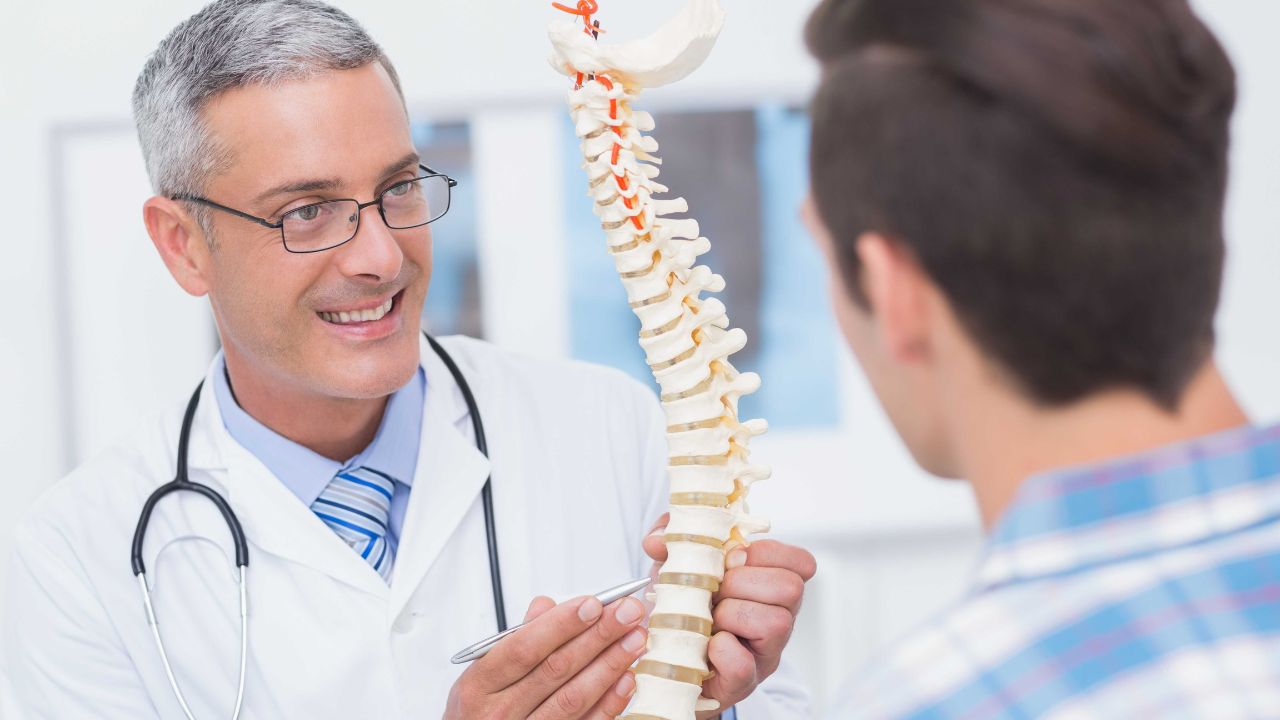
Spinal stenosis affects millions of adults worldwide, creating debilitating pain that limits daily activities and quality of life. The condition occurs when the spinal canal narrows and compresses nerves traveling to the lower extremities. Treatment options range from conservative physical therapy to advanced surgical interventions, each with distinct benefits and tradeoffs. Understanding the complete spectrum of available treatments empowers patients to make informed decisions aligned with their health goals and lifestyle priorities.
Key Takeaways
- Conservative management successfully resolves over 90% of lower back pain cases without surgery
- Minimally invasive spine surgery reduces recovery time from 6-12 weeks to 2-4 weeks
- Physical therapy costs $1,000-$3,500 compared to spinal fusion at $80,000-$150,000
- Motion-preserving technologies like the TOPS System offer alternatives to traditional spinal fusion
- Rural patients face 34% lower access to specialist care and longer wait times
What Is Spinal Stenosis and How Does It Affect the Spine?
Lumbar spinal stenosis is the narrowing of the spinal canal that compresses nerves to the lower extremities. This compression creates pain, numbness, and weakness that progressively limit mobility and independence. The condition typically develops gradually as aging causes degenerative changes in spinal structures. Bone spurs, thickened ligaments, and bulging discs collectively reduce the space available for nerves.
What Are the Common Symptoms of Lumbar Spinal Stenosis?
Neurogenic claudication is leg pain, numbness, and cramping brought on by walking and relieved by sitting or bending forward. This distinctive symptom pattern differentiates spinal stenosis from vascular claudication and other lower extremity conditions. Patients often describe feeling like their legs are “giving out” after walking short distances. Forward bending provides relief because it opens the spinal canal and reduces nerve compression.
What Causes the Narrowing of the Spinal Canal?
Age-related degeneration is the primary driver of spinal canal narrowing in most adults over 50. Facet joint arthritis, thickened ligamentum flavum, and disc bulges progressively reduce canal diameter over years or decades. Congenital factors occasionally contribute when individuals are born with naturally narrower spinal canals. Previous spinal injuries or surgeries can accelerate degenerative changes that lead to stenosis development.
What Are the Main Treatment Categories for Spinal Stenosis?
Treatment options fall into three primary categories: conservative management, interventional procedures, and surgical interventions. Each category offers distinct approaches to reducing pain and improving function while varying significantly in invasiveness and cost. Conservative management forms the foundation of care for the majority of patients. Only a small percentage ultimately require surgical intervention after conservative approaches fail.
How Does Physical Therapy and Conservative Care Help?
Physical therapy includes core stabilization exercises, stretching, manual therapy, and aerobic conditioning. These interventions strengthen supporting muscles, improve spinal flexibility, and reduce mechanical stress on compressed nerve structures. Over 90% of lower back pain cases are successfully resolved with conservative management alone. Physical therapy addresses pain while improving overall physical conditioning and preventing future recurrences.
Only 16% of acute low back pain patients receive physical therapy within 90 days despite clinical guidelines. This underutilization represents a missed opportunity for early intervention that prevents chronic pain development. Research shows 98.3% of patients are managed with non-operative care alone without requiring surgery. Studies demonstrate no significant difference in 2-year outcomes between surgery and physical therapy for spinal stenosis.
What Role Do Epidural Steroid Injections Play?
Epidural steroid injections are performed under fluoroscopic X-ray guidance to ensure accurate medication placement. These minimally invasive procedures deliver powerful anti-inflammatory corticosteroids directly into the epidural space surrounding compressed nerves. Epidural injections provide temporary relief lasting weeks to months while facilitating participation in active rehabilitation. The procedure carries small risks of dural puncture or infection when performed by experienced physicians.
Repeated steroid exposure can weaken surrounding bone and soft tissue over time with frequent injections. Most physicians limit injection frequency to prevent cumulative tissue damage and systemic steroid effects. Conditions requiring epidural injections include acute radiculopathy, disc herniations, and moderate spinal stenosis causing leg pain. Insurance carriers often require documented trials of conservative care before approving surgical interventions.
What Surgical Options Are Available?
Only 1.7% of patients with degenerative conditions require surgery after failing conservative management approaches. Spinal fusion surgery is permanent joining of two or more vertebrae using bone grafts, pedicle screws, rods, and interbody fusion cages. The procedure eliminates motion at painful segments while providing long-term stabilization for severe structural instability. Minimally invasive spine surgery is surgical intervention performed through small incisions using specialized tubular retractors and endoscopic visualization.
Traditional laminotomy procedures remove bone and ligament to decompress compressed nerves without fusion hardware. Minimally invasive alternatives to spinal fusion preserve spinal motion while addressing nerve compression effectively. Surgical candidates include patients with progressive neurological deficits or intractable pain despite comprehensive conservative treatment. Advanced imaging and diagnostic testing confirm structural compression matching clinical symptoms before surgical planning.
How Do Surgical Treatments for Spinal Stenosis Differ?
Surgical approaches vary dramatically in invasiveness, recovery requirements, and long-term outcomes for treating spinal stenosis. Understanding structural differences between open fusion, minimally invasive surgery, and motion-preserving technologies helps patients evaluate appropriate options. Cost and complication profiles differ substantially across surgical categories despite similar decompression goals. Patient selection criteria determine which surgical approach optimizes outcomes while minimizing risks.
What Are the Benefits and Risks of Spinal Fusion Surgery?
Spinal fusion holds 58.23% of the spinal implants market due to its proven long-term stabilization capabilities. Laminectomy decompression surgery achieves 71-90% clinical success rates for severe stenosis with structural instability or deformity. The procedure permanently eliminates motion at fused levels while protecting against further degenerative progression. Fusion provides reliable outcomes for patients with spondylolisthesis or severe multi-level canal narrowing.
Spinal fusion carries 5-20% complication rates including infection, hardware failure, and nerve injury during surgery. Adjacent segment disease is accelerated wear of spinal segments next to fused levels caused by increased mechanical stress. Studies show 70% of fusion patients incur additional claims within two years averaging $9,383 in costs. The procedure requires 6-12 weeks recovery with restricted activities and intensive rehabilitation protocols.
How Does Minimally Invasive Spine Surgery Compare?
Minimally invasive surgery represents 43.8% of the spine pain treatment segment with rapid adoption growth. Traditional surgery requires 4-6 inch incisions while minimally invasive surgery uses 1-2 inch incisions for identical decompression results. Open surgery necessitates 2-4 day hospital stays compared to same-day outpatient discharge for minimally invasive approaches. Open surgery requires 6-12 week recovery periods while minimally invasive surgery allows return to activities within 2-4 weeks.
Minimally invasive surgery reduces blood loss by up to 80% compared to open surgery during procedures. Specialized tubular retractors dilate back muscles without cutting or stripping tissue from bone surfaces. Advanced endoscopic visualization provides high-definition views of neural structures through tiny access ports. The approach works best for single-level decompressions in patients without severe spinal deformity or instability.
What Are Motion-Preserving Technologies and Their Advantages?
Motion-preserving implants stabilize the spine after decompression while maintaining natural bending and twisting capabilities. The TOPS System by Premia Spine is a facet joint replacement alternative to fusion for lumbar stenosis. This innovative device preserves multi-directional spinal motion while preventing bone-on-bone contact at arthritic joints. LimiFlex Dynamic Sagittal Tether received FDA approval in February 2026 for stenosis treatment without fusion rigidity.
These technologies address adjacent segment disease risks by maintaining normal load distribution across spinal levels. Clinical trials demonstrate non-inferior outcomes compared to fusion while preserving quality of life through motion preservation. Patients maintain the ability to bend, twist, and perform athletic activities without permanent mobility restrictions. The devices work best for patients with single or two-level stenosis without severe listhesis or deformity.
When Is Spinal Cord Stimulation Recommended for Pain Relief?
Spinal cord stimulation serves as an advanced option for chronic neuropathic back and leg pain unresponsive to conservative treatments. The technology provides completely reversible pain management without destructive tissue changes or permanent structural modifications. Ideal candidates include patients who failed previous back surgeries or cannot tolerate major reconstructive procedures. Understanding how neuromodulation works helps patients evaluate whether this treatment aligns with their pain management goals.
How Does Neuromodulation Work to Manage Symptoms?
Spinal cord stimulation is the implantation of a device that delivers electrical impulses to interrupt pain signals before reaching the brain. Thin wires called leads are positioned in the epidural space along the spinal cord at specific levels. The pulse generator delivers mild electrical currents that create a tingling sensation, replacing pain perception. Spinal cord stimulation includes a temporary trial phase before permanent implantation to verify effectiveness for individual patients.
The trial phase typically lasts 5-7 days while patients perform normal daily activities with external equipment. Successful trials achieve at least 50% pain reduction and improved function, warranting permanent device implantation. Modern systems offer rechargeable batteries lasting up to 10 years before replacement procedures become necessary. Advanced programming allows patients to adjust stimulation intensity and patterns throughout the day, matching activity levels.
Who Are Ideal Candidates for This Treatment?
Failed back surgery syndrome refers to patients with persistent pain after back surgery despite technically successful procedures. These individuals experience chronic neuropathic pain in the back and legs that doesn’t respond to medications or injections. Candidates for spinal cord stimulation must have completed comprehensive conservative treatment trials without adequate relief. Psychological screening ensures patients have realistic expectations and can manage device programming responsibilities.
Spinal cord stimulation treatment works best for neuropathic pain rather than mechanical back pain from structural problems. Patients must be medically stable without active infections or uncontrolled bleeding disorders before implantation. The technology offers hope for individuals seeking non-opioid pain management after exhausting other options. Successful candidates often reduce or eliminate daily opioid medications while improving quality of life substantially.
How Do Costs and Recovery Times Compare Across Treatment Options?
Financial considerations significantly influence treatment decisions, especially with rising healthcare deductibles and out-of-pocket maximums. Understanding total episode costs, including hidden expenses, helps patients make realistic budgeted choices for their care. Recovery timelines directly impact work schedules, family responsibilities, and return to desired activities and hobbies. Comparing these factors across treatment categories reveals dramatic differences in patient investment and disruption.
What Are Typical Cost Ranges for Conservative vs. Surgical Care?
Spinal fusion costs range from $80,000-$150,000 while physical therapy costs $1,000-$3,500 for complete treatment courses. Epidural injections cost $500-$2,000 per injection, while spinal cord stimulation costs $30,000-$50,000, including device and implantation. Geographic variation significantly impacts pricing, with Denver fusion averaging $86,182 compared to Mississippi at $40,113. Implants and hardware account for 44% of fusion costs, representing the single largest expense category.
Insurance coverage, deductibles, and out-of-pocket maximums create wide variation in actual patient financial responsibility for procedures. Ambulatory surgery centers typically charge 40-60% less than hospital-based facilities for identical minimally invasive procedures. Many patients exhaust annual deductibles with major surgeries requiring additional conservative care at full out-of-pocket cost. Choosing the right pain treatment requires balancing cost with expected outcomes and personal circumstances.
How Much Recovery Time Should Patients Expect?
Physical therapy requires 6-8 weeks of consistent sessions before achieving maximum therapeutic benefit and pain reduction. Epidural injections provide relief within 3-5 days with minimal activity restrictions following the procedure. Minimally invasive surgery allows return to desk work within 2-3 weeks and physical activities within 4-6 weeks. Traditional open fusion requires 6-12 weeks before returning to work and 6 months before unrestricted activities.
Surgery complications occur in 25% of patients compared to 10% for physical therapy approaches in stenosis treatment. Complication rates increase with patient age, obesity, diabetes, and tobacco use affecting tissue healing capacity. Younger patients with healthy lifestyles typically experience faster recovery across all treatment categories. Realistic recovery expectations prevent disappointment and help patients plan work accommodations and family support appropriately.
How Do Patient Demographics and Preferences Influence Treatment Choices?
Age, activity level, occupation, and lifestyle priorities strongly influence which treatments patients prefer and physicians recommend. Understanding demographic patterns helps patients see how others in similar situations typically approach their care decisions. Access to quality spine care varies dramatically based on geographic location, insurance coverage, and local specialist availability. These social determinants of health create disparities that affect treatment outcomes and patient satisfaction.
What Treatments Are Preferred by Different Age Groups?
Millennials and Gen X patients strongly favor physical therapy and minimally invasive options over traditional fusion surgery. These younger cohorts prioritize rapid recovery enabling quick return to work, athletics, and active family responsibilities. Baby Boomers show balanced acceptance of conservative care and surgical interventions depending on stenosis severity. They prioritize maintaining independence and mobility for travel, golf, and grandparenting activities.
The Silent Generation frequently requires surgery due to advanced multi-level stenosis and severe mobility limitations from disease. They favor low-risk procedures with shorter anesthesia times given increased medical comorbidities affecting surgical candidacy. Younger patients often pursue regenerative treatments like stem cell therapy before accepting surgical interventions. Stem cell therapy for back pain represents an emerging option for patients seeking biologic healing approaches.
How Do Geographic and Access Factors Affect Care?
Rural areas experience 34% reduction in physical therapy utilization compared to urban areas due to limited local availability. Urban spine care wait times average 2.5 weeks while rural wait times extend to 8.2 weeks for specialist consultations. Rural patients face 34% lower access to specialist care requiring travel to distant regional medical centers. This geographic disparity creates delays in diagnosis and treatment initiation affecting long-term outcomes.
Telemedicine physical therapy programs help bridge access gaps for rural patients unable to attend in-person sessions regularly. Ambulatory surgery centers in suburban areas provide high-quality care at lower costs than academic medical centers. Insurance networks increasingly narrow provider options, limiting patient choice regardless of geographic location. Transportation challenges compound access problems for elderly rural patients without reliable vehicles or family support.
What Are the Latest Advances and Emerging Treatments in Spinal Stenosis Care?
Medical device innovation continues to reshape the spinal stenosis treatment landscape with motion-preserving technologies and outpatient surgical approaches. These advances address long-standing limitations of traditional fusion surgery while reducing costs and recovery burdens. Understanding emerging options helps patients recognize when waiting for newer technologies might benefit their specific situations. Regulatory approvals signal shifting treatment standards that will define spine care over the coming decade.
How Are New Implants Like the TOPS System Changing Outcomes?
The TOPS System by Premia Spine is a facet joint replacement alternative to fusion, preserving natural spinal motion. This FDA-approved device decompresses nerves while allowing flexion, extension, lateral bending, and axial rotation at treated levels. LimiFlex Dynamic Sagittal Tether received FDA approval in February 2026 as another motion-preserving stabilization option. Pivotal trials showed non-inferior clinical outcomes compared to fusion, with superior patient satisfaction regarding mobility preservation.
These technologies represent paradigm shifts from traditional thinking that stenosis always requires complete motion elimination. Motion preservation reduces adjacent segment disease by maintaining normal biomechanical load distribution across spinal levels. Younger active patients particularly benefit from maintaining flexibility for sports, yoga, and physical hobbies. Long-term registry data will determine whether these devices match fusion’s proven 20-year durability records.
What Is the Impact of Ambulatory Surgery and Outpatient Procedures?
Spinal surgeries in ambulatory surgery centers show 8% annual growth rates, reflecting the outpatient shift in spine care. Advanced anesthesia techniques and minimally invasive approaches enable same-day discharge for procedures previously requiring hospital admission. Patients recover more comfortably at home, avoiding hospital-associated infection risks and sleep disruption from vital sign checks. Ambulatory centers specialize in spine care, providing focused expertise and streamlined surgical protocols.
Cost savings from ambulatory procedures reduce total healthcare spending while maintaining equivalent safety profiles for appropriate patient selection. Specialized centers can perform routine decompressions at 40-60% lower costs than traditional hospital operating rooms. Patients appreciate personalized attention and reduced bureaucracy in smaller, focused surgical facilities. The outpatient model works best for healthy patients undergoing single-level decompressions without complex medical comorbidities.
Comparing Your Options for Spinal Stenosis Treatment: Balancing Effectiveness, Risks, and Recovery
Choosing among spinal stenosis treatment options requires carefully weighing effectiveness, cost, recovery time, and personal priorities together. Evidence strongly supports starting with conservative management, given that 98.3% of patients improve without surgery. Physical therapy, weight management, and activity modification form the foundation of care for nearly all patients. When conservative approaches fail after 12 weeks, interventional injections provide temporary relief, facilitating continued rehabilitation efforts.
Minimally invasive surgery offers faster recovery and lower complication rates compared to traditional fusion for appropriate surgical candidates. Motion-preserving technologies address fusion’s main drawback by maintaining spinal flexibility and reducing adjacent segment disease risk. Spinal cord stimulation provides non-destructive pain management for patients with failed surgeries or medical conditions preventing major procedures. Geographic access, insurance coverage, and individual health status significantly influence which options remain practically available.
The Regenerative Institute of Newport Beach helps patients navigate these complex decisions through comprehensive evaluations and personalized treatment planning. Their multidisciplinary approach integrates conservative care, regenerative medicine, and advanced interventional techniques, optimizing outcomes before considering surgery.
Is Spinal Stenosis Stopping You From Living the Life You Want?
You do not have to choose between surgery and living with pain. Dr. Khyber Zaffarkhan, DO, FAAPMR, at the Regenerative Institute of Newport Beach offers proven, non-surgical treatments for spinal stenosis — from PRP and stem cell therapy to minimally invasive procedures designed to address the root cause of your pain. Take the next step toward a more active, comfortable life. Contact the Regenerative Institute of Newport Beach today to schedule your consultation today!

