
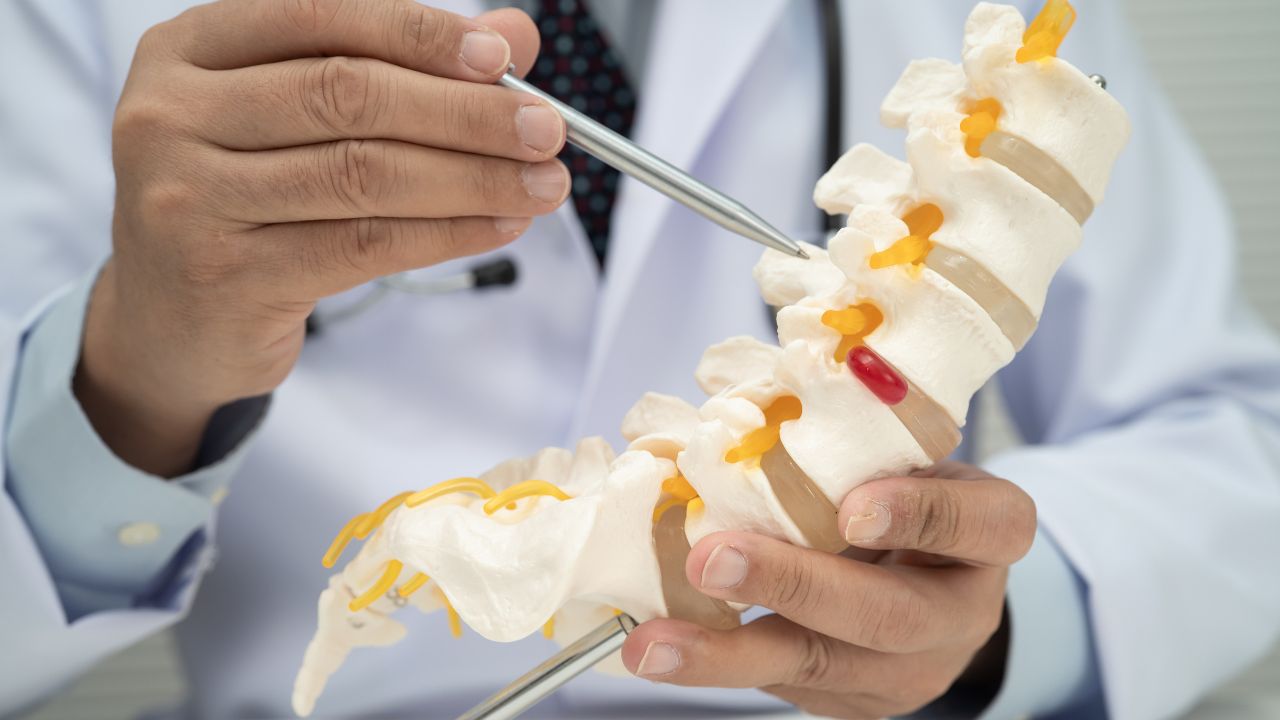
Spinal fusion remains a common surgical treatment, but patients increasingly seek spinal fusion alternatives that preserve mobility and reduce recovery time. Advanced spine treatment options now include minimally invasive procedures, regenerative therapies, and comprehensive conservative protocols. Understanding these alternatives helps patients make informed decisions about managing chronic back and neck pain.
The shift toward minimally invasive spine options reflects both technological advancement and changing patient priorities. Evidence shows that 80% of patients prefer less invasive approaches when effective alternatives exist. This article examines the full spectrum of treatment options, comparing costs, recovery timelines, and clinical outcomes.
Key Takeaways
- Minimally invasive spine surgery reduces recovery time to weeks instead of months while lowering complication risks
- Regenerative medicine targets disc degeneration at the cellular level without eliminating natural spinal motion
- Conservative management provides the lowest-risk approach for many neck and spine conditions before considering surgery
- Treatment costs vary dramatically from $1,000 annually for conservative care to $150,000+ for spinal fusion
- Patient preferences strongly favor minimally invasive approaches, with 80% choosing them over traditional open surgery
What Is Spinal Fusion and Why Consider Alternatives?
What Does Spinal Fusion Involve?
Spinal fusion joins two or more vertebrae to eliminate painful motion between unstable segments. The procedure uses bone grafts combined with metal hardware, including screws, rods, and cages, to create permanent stability. Common techniques include Posterior Lumbar Interbody Fusion (PLIF), Transforaminal Lumbar Interbody Fusion (TLIF), and Anterior Lumbar Interbody Fusion (ALIF).
What Are the Limitations and Risks of Spinal Fusion?
Traditional spinal fusion eliminates natural spinal motion permanently at the treated levels. Adjacent segment disease (ASD), or deterioration at spinal levels next to a fusion, develops at approximately 6% per year. Recovery time extends up to 12 weeks with significant restrictions on activity and movement.
Why Are Patients Seeking Minimally Invasive Options?
Patients perceive open surgery as more painful (83.8%), riskier (78.5%), and requiring longer recovery (89.3%). Traditional fusion involves significant muscle disruption and extended hospital stays that disrupt daily life. Research shows 68.1% of patients consider open surgery more expensive than less invasive alternatives.
How Do Minimally Invasive Spine Surgery Techniques Work?
What Are the Main Minimally Invasive Procedures?
Minimally invasive spine surgery utilizes specialized retractors, endoscopic cameras, and advanced imaging to access the spine through small incisions. Surgeons employ tubular retractors or endoscopes that preserve surrounding muscle tissue and soft structures. These techniques allow targeted treatment of disc herniations, stenosis, and instability without extensive tissue damage.
What Are the Advantages of Minimally Invasive Techniques?
Minimally invasive surgery produces reduced blood loss and lower infection rates compared to traditional open procedures. Patients experience faster return to work and normal activities with significantly shorter hospital stays. Total healthcare costs often decrease despite higher equipment expenses because complications occur less frequently and recovery periods shorten substantially.
What Are the Challenges and Limitations?
Minimally invasive surgery requires surgeons to complete a steep learning curve with specialized training programs. These techniques have limited applicability for complex spinal deformities requiring extensive reconstruction or multiple-level corrections. Initial equipment costs remain higher for facilities implementing advanced imaging systems and specialized instruments.
What Role Does Regenerative Medicine Play in Spine Care?
What Are Common Regenerative Therapies for Spine Conditions?
Regenerative therapies include Platelet-Rich Plasma (PRP) and Mesenchymal Stem Cell (MSC) injections that aim to address the biological root cause of disc degeneration. The approach involves intradiscal injection of concentrated biologics designed to restore extracellular matrix and reduce inflammatory signaling. These outpatient procedures attempt to reverse cellular depletion rather than simply managing mechanical symptoms.
How Do Biologics Target Disc Degeneration?
Regenerative medicine preserves natural spinal anatomy, unlike fusion procedures that eliminate motion permanently. Stem cell therapy for back pain targets the underlying cellular environment responsible for progressive disc breakdown and inflammatory pain. The treatment seeks to halt the degenerative cascade by replenishing viable cells and supporting tissue repair mechanisms.
What Is the Current Clinical Evidence for Regenerative Medicine?
Approximately 50% of patients experience significant pain relief following regenerative therapy for disc conditions. Currently, 13 low-to-moderate quality trials exist examining regenerative medicine applications in spine care with variable outcomes. Current regenerative trials show modest improvements without compelling imaging proof of biological repair or disc height restoration.
How Does Conservative Care Manage Neck and Spine Pain?
What Treatments Are Included in Conservative Management?
Conservative management includes physical therapy, NSAIDs, targeted injections, and lifestyle modifications as first-line treatment. Non-surgical spinal manipulation along with epidural and facet joint injections provides symptom relief for many patients. This multidisciplinary approach empowers patient self-management while avoiding surgical complications and permanent anatomical changes.
When Is Conservative Care Recommended Over Surgery?
Conservative care serves as the universally recommended first-line treatment before considering surgical intervention for most conditions. Mild to moderate degenerative changes, disc bulges without severe nerve compression, and early cervical spondylosis respond well to structured conservative protocols. Patients with acceptable pain levels and functional capacity should exhaust conservative options before pursuing irreversible surgical procedures.
What Are the Patient Benefits of Conservative Approaches?
Conservative care has the lowest risk profile compared to all surgical options available for spine conditions. The approach costs $1,000 to $5,000 annually depending on therapy frequency and injection requirements. Conservative care may not provide permanent relief for severe structural issues requiring mechanical stabilization or decompression.
How Do Patient Preferences Influence Treatment Choices?
What Factors Do Patients Prioritize When Choosing Treatment?
Rush University Medical Center surveyed 326 patients, revealing that long-term outcomes rank as the highest priority. Surgeon recommendations and complication risks follow closely as key decision factors influencing treatment selection. Patients weigh recovery time, pain levels, and ability to return to valued activities when evaluating options.
How Does Awareness Affect Procedure Selection?
Public awareness remains high for spinal fusion (76.9%) and disc replacement (79.3%) compared to other procedures. Only 19.7% recognize laminectomy terminology, and 10.9% understand AR-assisted spine surgery as treatment options. Marketing terms like “minimally invasive” and “laser spine surgery” generate the strongest patient appeal and interest.
What Is the Public Perception of Minimally Invasive Versus Traditional Surgery?
Patients overwhelmingly prefer back pain minimally invasive approaches when surgical intervention becomes necessary for their condition. The perception centers on reduced pain, faster recovery, lower costs, and decreased complication risks. This preference drives market growth for stem cell injections versus traditional surgery as patients actively seek alternatives.
What Are the Economic and Recovery Implications of Each Option?
How Do Costs Compare Between Spinal Fusion and Alternatives?
Spinal fusion costs range from $80,000 to $150,000+ without insurance coverage, making it the most expensive option. Minimally invasive surgery ranges from $45,000 to $90,000, with lower total healthcare costs due to reduced complications. Regenerative medicine costs $15,000 to $35,000 as an often out-of-pocket expense, while conservative care requires $1,000 to $5,000 annually.
What Are the Typical Recovery Timelines?
Spinal fusion recovery extends up to 12 weeks with significant activity restrictions and a gradual return to function. Minimally invasive procedures allow faster return, measured in weeks rather than months, with less postoperative pain. Regenerative therapies require minimal recovery time of days to weeks without surgical trauma or extensive tissue healing.
How Do Complication Risks Differ Among Treatments?
Spinal fusion achieves an 85-95% success rate for stabilizing the spine but carries risks from extensive surgical exposure. Open surgery has a higher complication risk than minimally invasive approaches due to significant muscle disruption and tissue trauma. Joint pain and mobility restrictions occur more frequently following traditional fusion compared to motion-preserving alternatives.
How Does Demographic and Geographic Variation Impact Treatment Adoption?
What Are the Age and Gender Trends in Spine Pain?
The global age-standardized incidence rate for neck pain reaches 519 per 100,000 population annually. Neck pain peaks between the ages of 40 and 44 for both sexes, with women bearing consistently higher burden. Years Lived with Disability (YLDs) reach their highest points between ages 55 and 59, reflecting accumulated degenerative changes.
How Do Regional and Socioeconomic Factors Affect Access to Care?
Adults in rural and suburban areas are 60% more likely to experience chronic pain than urban counterparts. The Islamic Republic of Iran reports the highest age-standardized incidence rates globally, while New Zealand reports the lowest. Non-white, low-income zip codes have reduced access to conservative care options, including physical therapists and chiropractors.
What Disparities Exist in Surgical Versus Conservative Treatment Rates?
Lower Sociodemographic Index countries exhibit higher incidence rates, but high-SDI countries maintain higher disability rates despite lower incidence. Geographic variations in provider availability drive differences in surgical versus conservative treatment patterns across regions. Cervical spondylosis incidence increases with age up to 50 years, then decreases after 60 years.
Integrating Minimally Invasive Alternatives Into Spine Care Strategies
The global spine pain market reached $13.7 billion in 2025 and is projected to reach $17.5 billion by 2030. The spinal fusion market alone is valued at $11.28 billion in 2025, with projections reaching $18.70 billion by 2035. Regenerative medicine represents the fastest-growing segment with a projected CAGR of 16.83%, reflecting strong patient demand.
Treatment selection requires balancing multiple factors, including condition severity, patient goals, and evidence-based outcomes. Non-surgical spinal surgery alternatives continue expanding as technology improves and clinical evidence accumulates across multiple treatment modalities. Patients benefit from a comprehensive evaluation examining all appropriate options before committing to irreversible surgical procedures.
The Regenerative Institute of Newport Beach provides personalized evaluation of all available treatment pathways for spine conditions. Evidence-based decision-making considers individual anatomy, lifestyle requirements, and long-term functional goals when determining optimal care strategies. Advanced pain management services help patients explore the full spectrum of treatment options from conservative care through minimally invasive procedures.
Ready to Explore Your Alternatives to Spinal Fusion?
Surgery is not the only path forward. At the Regenerative Institute of Newport Beach, Dr. Khyber Zaffarkhan evaluates each patient’s unique anatomy, pain history, and functional goals to identify the least invasive, most effective route to lasting relief. Whether PRP, stem cell therapy, or another minimally invasive approach is right for you, a personalized consultation is the first step.

