
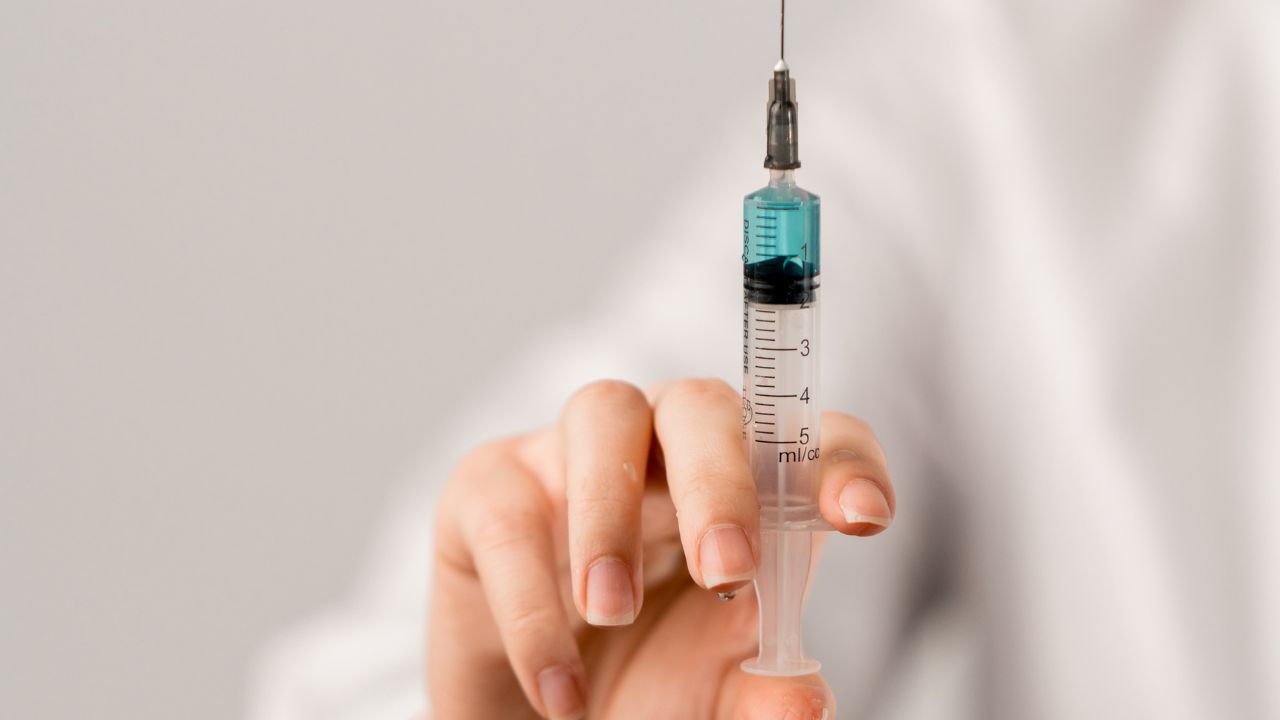
Chronic wrist pain affects millions of individuals, limiting work productivity and disrupting everyday activities. Modern medicine offers alternatives beyond traditional surgery, including injection-based treatments and regenerative therapies that target pain at its source.
These approaches aim to reduce inflammation, repair damaged tissue, and restore joint function with minimal downtime. Understanding available options helps patients make informed decisions about their care pathway.
Key Takeaways
- Chronic wrist pain stems from conditions like arthritis, tendonitis, and ligament injuries diagnosed through imaging and clinical evaluation.
- Injection therapies, including corticosteroids, PRP, and stem cells, offer non-surgical relief by reducing inflammation and promoting tissue repair.
- Regenerative medicine uses biological therapies like MSC and PRP to harness the body’s natural healing processes.
- Treatment selection depends on degeneration severity, patient priorities, and factors like age, cost, and recovery time.
- PRP injections range from $500-$2,500 per session, while stem cell therapy costs $5,000-$50,000+, with limited insurance coverage.
What Causes Chronic Wrist Pain and How Is It Diagnosed?
Common Underlying Conditions Leading to Wrist Pain
Chronic wrist pain typically results from osteoarthritis, tendonitis, ligament injuries, or carpal tunnel syndrome. These conditions develop gradually through repetitive stress, trauma, or age-related degeneration affecting joint cartilage and soft tissues.
Rheumatoid arthritis and ganglion cysts also contribute to persistent discomfort in the wrist. Accurate identification of the underlying cause determines the most appropriate treatment strategy.
Diagnostic Methods for Chronic Wrist Pain
Physicians diagnose wrist conditions through physical examination, medical history review, and imaging studies. X-rays reveal bone abnormalities and arthritis, while MRI scans detect soft tissue damage, including ligament tears and inflammation.
Ultrasound imaging provides real-time visualization of tendons and joint structures during movement. Blood tests may be ordered when inflammatory or autoimmune conditions are suspected.
What Are Injection-Based Treatments for Wrist Pain?
Types of Injections: Corticosteroids, PRP, and Anesthetics
Wrist pain injections include corticosteroids for rapid inflammation reduction, anesthetics for diagnostic and pain relief purposes, and biologic treatments. PRP therapy involves drawing a patient’s blood, concentrating the platelets, and injecting them into the injured area. These PRP injections deliver growth factors directly to damaged tissues.
Each injection type serves distinct therapeutic purposes based on the underlying pathology and treatment goals. Physicians select approaches according to patient symptoms, diagnostic findings, and expected outcomes.
How Do Injections Alleviate Pain and Inflammation?
Corticosteroid injections suppress inflammatory pathways, reducing swelling and discomfort within days of administration. Anesthetic agents block pain signals temporarily, providing immediate symptom relief and helping confirm the pain source.
Platelet-rich plasma wrist injections release growth factors that stimulate cellular repair and tissue regeneration. This biological response reduces chronic inflammation while promoting healing over several weeks to months.
Advantages and Limitations of Injection Therapies
Injection treatments offer quick relief, minimal downtime, and avoid surgical risks and prolonged recovery periods. They can be performed in an outpatient setting with most patients resuming normal activities shortly afterward.
However, PRP is less effective for severe bone-on-bone arthritis and may require multiple injections to achieve optimal results. Variable platelet concentrations between PRP preparations can influence treatment consistency and outcomes.
How Does Regenerative Medicine Work for Wrist Pain?
Overview of Stem Cell Therapy and Its Mechanisms
Regenerative medicine focuses on biological therapies that harness the body’s innate healing capabilities to repair damaged tissue. Mesenchymal stem cells (MSCs) are master cells that can differentiate into chondrogenic (cartilage) lineage and other tissue types.
These cells also release anti-inflammatory molecules and growth factors that modulate the immune response. Stem cell therapy aims to restore joint function by addressing degeneration at the cellular level.
Role of Platelet-Rich Plasma (PRP) in Tissue Repair
PRP for wrist pain delivers concentrated growth factors, including PDGF, TGF-β, and VEGF to injured tissues. These bioactive proteins accelerate healing by promoting cell proliferation, collagen synthesis, and blood vessel formation.
Clinical studies demonstrate that PRP reduces meniscus repair failure rates to 18.2% compared to higher rates without augmentation. This regenerative approach enhances natural repair mechanisms while reducing re-injury risk.
Comparison Between Regenerative Options and Traditional Treatments
MSC therapy proves most effective for pain reduction versus PRP, peptide-based treatments, and biomimetic materials in clinical trials. Research shows MSC therapy delivers pain reduction with a coefficient β = 8.45, p < 0.05.
Traditional joint replacement is often covered by insurance, whereas regenerative options are not fully covered by most plans. Non-surgical wrist treatment alternatives avoid surgical complications but require out-of-pocket investment.
When Should Patients Consider Injection Versus Regenerative Therapies?
Severity and Stage of Wrist Joint Degeneration
Early-stage arthritis and mild cartilage damage respond well to corticosteroid or PRP injections with good outcomes. Moderate degeneration may benefit from multiple PRP sessions or combination approaches, including physical therapy.
Advanced bone-on-bone arthritis typically requires stem cell therapy or surgical intervention for meaningful improvement. Diagnostic imaging helps physicians assess degeneration severity and recommend appropriate treatment pathways.
Patient Priorities: Efficacy, Cost, Recovery Time, and Invasiveness
Efficacy remains the primary concern for 95% of patients evaluating regenerative wrist therapy options. Cost considerations matter to 88% of patients given limited insurance coverage for these treatments.
Long-term outcomes drive decisions for 85% of patients, while recovery time matters to 82%. Invasiveness concerns affect 78% of patients who prefer injection-based approaches over surgical alternatives.
Factors Influencing Personalized Treatment Decisions
Patient age, activity level, medical history, and financial resources all influence treatment selection and expected outcomes. Advanced age can impair autologous stem cell function, potentially reducing therapeutic effectiveness.
Younger, active individuals may prioritize rapid return to sports and physical activities, favoring PRP injections. Older patients with advanced degeneration may accept higher costs for stem cell therapy to delay joint replacement.
What Is the Procedure for Administering Stem Cell and PRP Therapies?
Preparation and Sourcing of Stem Cells and PRP
Autologous material means using the patient’s own blood or cells, minimizing rejection risk and immune complications. Stem cell processing involves cell source extraction from bone marrow, adipose tissue, or umbilical cord tissue.
For PRP therapy, blood is drawn and centrifuged to concentrate platelets to 3-5 times baseline levels. The concentrated plasma is then prepared for injection into targeted areas of injury or degeneration.
Injection Techniques Specific to Wrist Conditions
Physicians use ultrasound or fluoroscopic guidance to ensure precise needle placement into affected joint spaces or soft tissues. This imaging improves accuracy, reduces complications, and enhances therapeutic outcomes by delivering biologics directly to damaged areas.
Local anesthesia minimizes discomfort during the procedure, which typically takes 30-60 minutes, including preparation time. Patients remain awake throughout the outpatient procedure and can leave the clinic shortly after completion.
Post-Procedure Care and Expected Recovery Timelines
Patients should rest the treated wrist for 48-72 hours, avoiding strenuous activities that could disrupt healing. Ice application and over-the-counter pain relievers manage mild post-injection discomfort during the initial recovery period.
PRP often requires a series of 3-5 treatments spaced 2-4 weeks apart for optimal results. Stem cell therapy typically involves single or dual injections, with improvement noticed gradually over 3-6 months.
What Are the Risks, Benefits, and Long-Term Outcomes of These Treatments?
Clinical Efficacy and Success Rates of Injections and Regenerative Options
Clinical success rates for stem cell cartilage procedures exceed 68% across multiple studies and patient populations. MSC therapy demonstrates superior pain reduction with a coefficient β = 8.45, p < 0.05, compared to alternatives.
A competitive athlete with a degenerative meniscus tear treated with three PRP injections showed no visible tear on follow-up MRI. A 36-year-old patient with knee osteoarthritis received autologous adipose-tissue-derived stem cells and PRP, showing MRI evidence of cartilage regeneration.
Potential Complications and Safety Considerations
Injection-based treatments carry minimal risk, with possible complications including temporary pain, swelling, or infection at injection sites. Serious adverse events remain rare, particularly when using autologous materials that eliminate rejection concerns.
Variable regulatory oversight for stem cell therapies exists across different jurisdictions and treatment facilities. Patients considering regenerative treatments should verify provider credentials and facility accreditation before proceeding.
Durability of Results and Impact on Delaying Surgery
PRP and stem cell treatments may delay or eliminate the need for joint replacement surgery in appropriate candidates. Studies document sustained pain relief and functional improvement lasting 12-24 months or longer after successful treatment.
Results vary based on individual healing capacity, condition severity, and adherence to rehabilitation protocols following treatment. Younger patients with earlier-stage disease typically achieve more durable outcomes than those with advanced degeneration.
How Do Costs Compare Between Injection, Regenerative, and Surgical Options?
Typical Price Ranges for PRP and Stem Cell Therapies
PRP injections range from $500 for budget options to $600-$800 for standard treatments and $1,500-$2,500 for premium preparations. Multiple sessions increase total treatment costs, with full courses ranging from $1,500 to $12,500.
Stem cell therapy costs vary from $5,000 for budget approaches to $12,000-$30,000 for standard protocols and $50,000+ for premium treatments. Price differences reflect cell source complexity, processing methods, facility overhead, and physician expertise.
Financial Considerations of Wrist Surgery Alternatives
Hip replacement surgery costs $18,175 for budget procedures, $35,000-$40,400 for standard operations, and $53,750+ for premium facilities. Knee replacement ranges from a $15,000 budget to a $35,000 standard and a $50,000+ premium.
Surgical alternatives involve additional expenses, including hospital stays, anesthesia, physical therapy, and lost work productivity during recovery. Total surgical costs often exceed initial procedure prices when factoring in these secondary expenses.
Insurance Coverage and Out-of-Pocket Expenses
High out-of-pocket costs for regenerative therapies present financial barriers for many patients seeking these innovative treatments. Many regenerative therapies are not fully covered by insurance, requiring patients to self-fund their care.
Some providers offer payment plans or financing options to make treatments more accessible to qualified candidates. Patients exploring treatment options should request detailed cost breakdowns and discuss financial arrangements before committing to care.
Integrating Injection and Regenerative Options in Managing Chronic Wrist Pain
Injection and regenerative therapies represent significant advances in treating chronic wrist pain without invasive surgical procedures. The global regenerative medicine market was USD 35.47 billion in 2024 and is projected to reach USD 90.01 billion by 2030.
This rapid growth reflects increasing patient demand for biological treatments that address root causes rather than masking symptoms. Evidence-based protocols now guide physicians in selecting optimal approaches based on individual patient characteristics and treatment goals.
Successful outcomes require proper patient selection, accurate diagnosis, precise injection technique, and comprehensive post-treatment rehabilitation. Combining these therapies with physical therapy, activity modification, and nutritional support maximizes healing potential and functional improvement.
The future of wrist pain management lies in personalized treatment plans that integrate traditional and regenerative approaches. As clinical evidence expands and technologies advance, more patients will benefit from these innovative, minimally invasive options.
The Regenerative Institute of Newport Beach offers comprehensive evaluation and advanced regenerative treatments for chronic wrist conditions. Patients seeking to avoid surgery while addressing pain at its source can benefit from expert guidance.
Ready to Treat Your Chronic Wrist Pain Without Surgery?
At the Regenerative Institute of Newport Beach, Dr. Khyber Zaffarkhan and our team specialize in PRP and stem cell therapies that target wrist pain at its source — no operating room required. If injections or regenerative options sound right for you, we’ll build a personalized treatment plan around your condition, goals, and timeline. Schedule your consultation today.

