
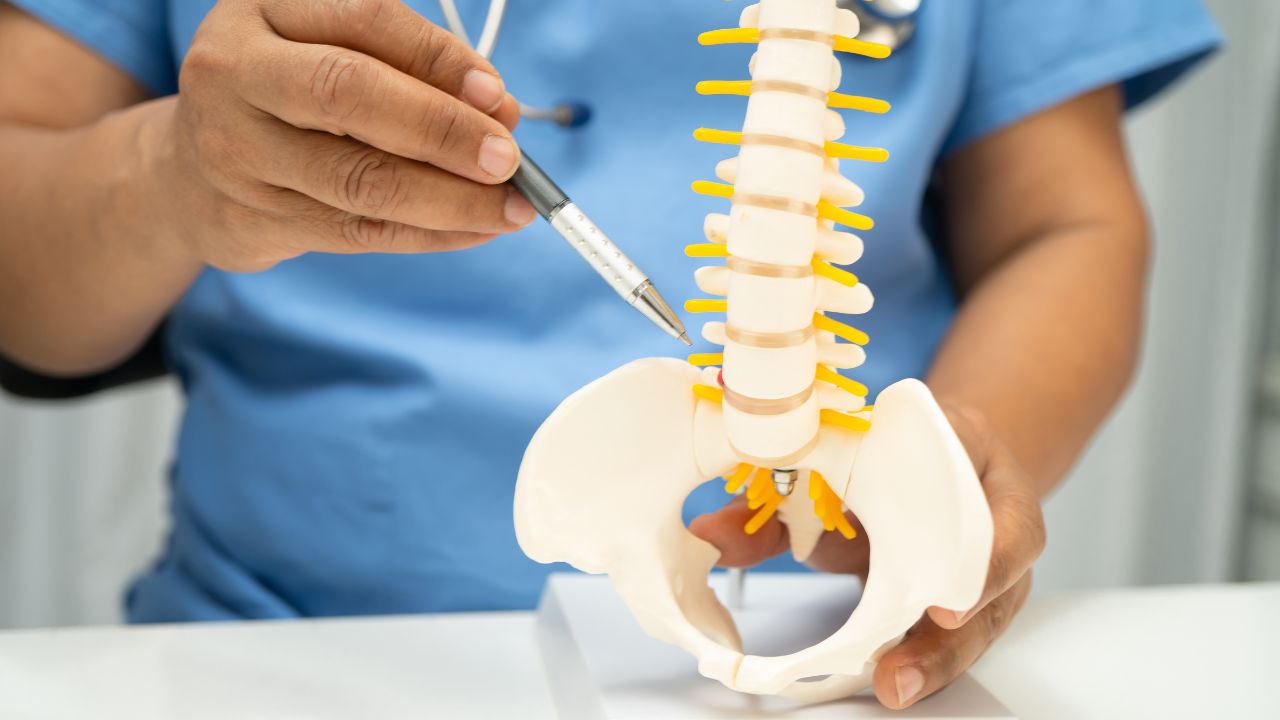
Fast sciatica relief requires understanding modern treatment options that address both pain intensity and functional limitations. Non-opioid approaches now dominate the chronic pain market, growing at 7.12% annually to reach $96.25 billion by 2034. These treatments include targeted pharmaceuticals, advanced neuromodulation devices, ketamine therapy, and evidence-based physical therapies that reduce pain without addiction risk.
Modern sciatica treatment integrates multiple therapeutic modalities to achieve sustained pain reduction. The global chronic pain treatment market reached $72.10 billion in 2024, with device-based solutions capturing 53.92% of the market share. Patients prioritize effectiveness (78%), safety (72%), and cost (65%) when selecting pain management for sciatica.
Key Takeaways
- Suzetrigine, approved January 2025, blocks NaV1.8 sodium channels without addiction risk
- Ketamine therapy demonstrates 20-46% clinically meaningful improvement with 86.1% protocol adherence
- Spinal cord stimulators provide 50-70% pain reduction in properly selected patients
- At-home ketamine costs $54-$200 per session versus $400-$1,400 for IV infusions
- 48.4% of consumers prefer non-opioid pharmaceuticals for pain management
What Is Sciatica and What Causes the Pain?
Sciatica occurs when the sciatic nerve becomes compressed or irritated along its pathway. This compression typically results from herniated discs, spinal stenosis, degenerative disc disease, or piriformis muscle spasm. The sciatic nerve extends from the lower back through the hips and down each leg.
Pain intensity varies from mild discomfort to debilitating episodes that limit basic mobility. Common triggers include sudden movements, prolonged sitting, or lifting heavy objects incorrectly. Understanding chronic back pain begins with identifying mechanical causes versus neurological compression.
How Does Sciatica Affect the Nervous System?
Sciatic nerve compression triggers inflammatory cascades that amplify pain signals traveling to the brain. Nerve Growth Factor (NGF) is a critical mediator in pain sensitization, binding to TrkA receptors on nociceptive neurons. This process creates central sensitization, where the nervous system becomes hypersensitive to stimuli.
Prolonged nerve compression causes structural changes in pain-processing pathways within the spinal cord. These neuroplastic changes explain why acute sciatica can transition to chronic pain syndromes. Modern treatments target both mechanical compression and neurochemical sensitization occurring in the peripheral and central nervous systems.
What Are Common Symptoms and Diagnosis Methods?
Typical symptoms include sharp shooting pain radiating from the lower back down the leg. Numbness, tingling, and muscle weakness in the affected leg occur in moderate to severe cases. Pain often worsens with coughing, sneezing, or prolonged sitting.
Diagnosis begins with a physical examination assessing nerve function, muscle strength, and reflex responses. MRI imaging reveals structural abnormalities like disc herniation or spinal stenosis, causing nerve compression. Electromyography (EMG) tests measure electrical activity in muscles to confirm nerve damage severity.
Which Non-Opioid Treatments Are Available for Sciatica Relief?
Non-opioid pharmaceuticals now represent 48.4% of consumer treatment adoption for a quick sciatic pain solution. NSAIDs, acetaminophen, and newer targeted therapies reduce inflammation and block pain signals without activating opioid receptors. Anticonvulsants like gabapentin modulate nerve activity, reducing neuropathic pain intensity in 30-50% of patients.
Physical therapies address biomechanical dysfunctions contributing to nerve compression through targeted exercise and manual techniques. Neuromodulation devices deliver electrical impulses that interrupt pain signals before reaching the brain. Combined approaches achieve better outcomes than single-modality treatments for moderate to severe sciatica.
How Do Non-Opioid Pharmaceuticals Target Sciatica Pain?
NSAIDs, acetaminophen, and newer targeted therapies work through distinct mechanisms to reduce pain intensity. Generic NSAIDs cost $5 to $20 monthly, providing accessible first-line treatment for inflammatory pain. Branded anticonvulsants range from $30 to $100 monthly, targeting nerve hyperexcitability.
Suzetrigine selectively inhibits the NaV1.8 voltage-gated sodium channel expressed exclusively on peripheral pain-sensing neurons. Suzetrigine (Journavx), approved by the FDA in January 2025, represents the first new non-opioid class in over 20 years. This mechanism provides opioid-equivalent analgesia without addiction potential, respiratory depression, or cognitive impairment.
What Role Do Physical Therapies Play in Managing Sciatica?
Physical therapy addresses the root mechanical causes of nerve compression through strengthening and flexibility programs. Standard physical therapy costs $50 to $75 per session, making it accessible for most patients. Specialized PT modalities cost $100 to $150 per session, incorporating advanced techniques.
Aquatic therapy and dry needling serve as advanced physical therapy modalities for treatment-resistant cases. Concierge physical therapy ranges from $200 to $300 per session, offering intensive one-on-one care. Physical therapy requires a significant time commitment but provides lasting benefits by correcting biomechanical dysfunction.
How Are Neuromodulation Devices Used for Sciatica?
Spinal Cord Stimulation involves implanting electrodes in the epidural space to deliver controlled electrical impulses. These impulses mask pain signals before they reach the brain, providing sustained relief. Failed Back Surgery Syndrome (FBSS) represents a primary neuromodulation indication for patients experiencing persistent post-surgical pain.
Complex Regional Pain Syndrome (CRPS) serves as another treatment indication for advanced neuromodulation therapy. Intrathecal pumps demonstrate 99% mechanical survival rate after one year, delivering medication directly to the spinal fluid. Closed-loop systems adjust stimulation in real-time based on neural feedback, optimizing pain relief throughout daily activities.
How Does Ketamine Infusion Therapy Provide Sciatica Relief?
Ketamine therapy offers rapid relief for treatment-resistant sciatica by targeting central pain processing mechanisms. The US ketamine clinic market reached $5.35 billion in 2025, projected to grow at 11.4% annually. Ketamine for chronic pain provides alternative pathways when conventional treatments fail to achieve adequate pain reduction.
Clinical studies demonstrate sustained improvements lasting up to 6 months following ketamine treatment protocols. This duration exceeds typical pharmaceutical interventions requiring daily dosing. Non-surgical sciatica care through ketamine avoids procedural risks while addressing neuroplastic changes perpetuating chronic pain.
What Is the Mechanism of Action of Ketamine in Pain Management?
Ketamine acts primarily as an NMDA receptor antagonist, blocking glutamate neurotransmitter binding in the central nervous system. This mechanism disrupts central sensitization, where pain pathways become amplified independent of peripheral nerve stimulation. NMDA receptor blockade essentially “reboots” maladaptive pain processing occurring in the spinal cord and brain.
Ketamine promotes neuroplasticity, allowing the nervous system to form new, healthier pain-processing pathways. This neuroplastic effect explains why benefits extend beyond the drug’s pharmacological half-life. The treatment addresses both immediate pain experience and underlying neurological dysfunction perpetuating chronic sciatic pain.
Who Are Ideal Candidates for Ketamine Therapy?
A Cleveland Clinic study involved 1,034 patients evaluating the safety and efficacy of ketamine for chronic pain conditions. The research demonstrated 86.1% adherence rate to the 5-day ketamine protocol, indicating excellent patient tolerance. Between 20% to 46% of ketamine patients achieved clinically meaningful improvements in pain intensity and functional capacity.
Ketamine improvements sustained for up to 6 months following treatment completion in responsive patient populations. A Cleveland Clinic study reported no serious adverse events with ketamine administered in sub-anesthetic doses under medical supervision. Ideal candidates include patients aged 30-70 with treatment-resistant neuropathic pain, failed conservative therapies, or comorbid depression.
What Is the Safety and Cost Profile of Ketamine Treatments?
At-home ketamine costs $54 to $200 per session through telehealth providers offering supervised oral or sublingual administration. IM ketamine injections range from $275 to $400 per session in psychiatric offices requiring less monitoring. IV ketamine infusions cost $400 to $1,400 per session in dedicated medical facilities with continuous vital sign monitoring.
An 8-session at-home ketamine protocol totals $599 to $1,600, providing the most budget-friendly option. An 8-session IV ketamine protocol ranges from $3,200 to $11,200, representing premium care with maximum medical oversight. The resurgence in ketamine reflects growing recognition of its unique mechanism and favorable safety profile.
What Are the Emerging Advanced Therapies for Sciatica?
Novel sodium channel blockers represent a paradigm shift in non-opioid analgesic development targeting peripheral pain pathways. These medications cost $150+ monthly but eliminate addiction risks associated with traditional opioid therapy. Digital therapeutics and wearable devices constitute 4.6% of the market, offering accessible at-home pain management.
Advanced therapies focus on specific molecular targets involved in pain signal generation and transmission. This precision approach minimizes systemic side effects while maximizing therapeutic benefit. Emerging treatments complement established modalities like nerve blocks when rapid, localized pain control is required.
How Do Novel Sodium Channel Blockers Work for Sciatica Pain?
Sodium channel blockers like Suzetrigine target NaV1.8 channels expressed almost exclusively on peripheral nociceptive neurons. This selectivity prevents pain signals from initiating rather than suppressing them centrally. The mechanism provides analgesia equivalent to opioids without interacting with brain opioid receptors.
Patients experience significant pain reduction without cognitive impairment, respiratory depression, or addiction potential. This safety profile makes sodium channel blockers ideal for opioid-naive patients or those at high substance use disorder risk. The technology represents the first genuinely novel non-opioid mechanism approved in over two decades.
What Is the Potential of Nerve Growth Factor Inhibitors?
Tanezumab and Fasinumab serve as NGF inhibitor examples currently in late-stage clinical development. These monoclonal antibodies bind NGF, preventing activation of TrkA receptors on pain-sensing neurons. Phase III trials demonstrated significant improvements in osteoarthritis and chronic low back pain, often outperforming traditional NSAIDs.
NGF inhibitors cause rapidly progressive osteoarthritis as a serious adverse event in clinical trials. Studies reveal NGF inhibitors increase the risk of total joint replacements, particularly at higher therapeutic doses. NGF inhibitors cause abnormal peripheral sensations, raising concerns about masking protective pain signals warning of tissue damage.
How Are Digital Therapeutics and Wearable Devices Integrated?
Digital therapeutics and wearable devices make up 4.6% of market share but demonstrate rapid adoption growth. Pain management apps cost $10 to $20 monthly, providing guided exercises, meditation, and symptom tracking. Basic TENS units range from $200 to $300, delivering electrical nerve stimulation for at-home pain relief.
Advanced FDA-cleared wearables cost $400 to $500, offering programmable stimulation patterns and biofeedback capabilities. These devices complement pharmaceutical and procedural treatments by providing continuous, patient-controlled pain management. Integration with smartphone apps allows real-time treatment adjustments based on activity levels and symptom patterns.
How Do Patient Preferences Influence Sciatica Treatment Choices?
Patient priorities fundamentally shape treatment selection, with 48% ranking pain intensity reduction as their absolute top priority. Effectiveness determines whether patients continue or abandon specific treatment protocols. Safety concerns have intensified following the opioid crisis, making addiction potential a decisive factor.
Cost considerations affect treatment accessibility, particularly for device-based therapies requiring substantial upfront investment. Geographic location influences available treatment options, with rural patients facing limited access to specialized pain clinics. Best non-surgical treatments for back pain vary based on individual patient profiles and resource availability.
What Factors Do Patients Prioritize for Rapid Relief?
Effectiveness receives 78% patient priority ranking when evaluating pain management options for sciatica. Safety ranks second at 72% priority as patients seek treatments without long-term physiological damage. Cost priority reaches 65%, reflecting financial burden concerns associated with chronic pain management.
Accessibility receives 58% priority ranking, emphasizing the importance of obtaining treatments without excessive barriers. These priorities demonstrate patients’ value tangible pain reduction over theoretical mechanistic advantages. The 48% absolute top priority for reducing pain intensity drives initial treatment selection.
How Do Demographics and Geography Affect Treatment Adoption?
Ages 18-29 experience 12.3% chronic pain prevalence, with 3.0% reporting high-impact functional limitations. Ages 30-44 show 18.5% chronic pain and 5.2% high-impact pain affecting daily activities. Ages 45-54 demonstrate 26.8% chronic pain prevalence with 8.1% high-impact pain.
Ages 55-64 report 31.2% chronic pain and 11.3% high-impact pain interfering with work and personal life. Ages 65+ show the highest prevalence at 36.0% chronic pain and 13.5% high-impact pain. Millennials demonstrate twice the likelihood of avoiding opioids compared to older generations, preferring non-pharmacological interventions.
How Does Treatment Accessibility Impact Rural and Urban Patients?
Large central metropolitan areas demonstrate 20.5% chronic pain prevalence among residents with excellent healthcare access. Metropolitan areas show 23.8% chronic pain prevalence with good but somewhat limited specialist availability. Micropolitan areas report 27.1% chronic pain prevalence as access to advanced treatments becomes restricted.
Rural areas demonstrate the highest prevalence at 31.4% chronic pain, reflecting both demographic factors and healthcare accessibility barriers. This disparity highlights the critical need for telehealth-based treatments like at-home ketamine therapy. Remote patient monitoring and digital therapeutics help bridge the gap in areas lacking specialized pain management facilities.
What Are the Cost Considerations for Modern Sciatica Treatments?
Treatment costs vary dramatically based on modality, delivery method, and geographic location. Novel targeted therapies cost $150+ monthly but provide mechanism-specific benefits unavailable from generic medications. Intranasal esketamine ranges from $100 to $1,200+ per session, depending on compounded versus FDA-approved formulations.
Standard spinal cord stimulators cost $20,000 to $25,000 for complete implantation, including device and surgical fees. Closed-loop spinal cord stimulators range from $30,000 to $35,000, offering advanced real-time adjustment capabilities. How do I choose the right pain treatment depends partly on budget constraints and insurance coverage.
How Do Costs Compare Among Pharmaceuticals, Ketamine, and Devices?
Generic NSAIDs cost $5-$20 monthly, representing the most economical pharmaceutical option for mild inflammation. Branded anticonvulsants range from $30 to $100 monthly for nerve pain management in moderate cases. Novel targeted therapies exceed $150 monthly but offer unique mechanisms unavailable from traditional medications.
At-home ketamine provides a budget-conscious option at $54-$200 per session through telehealth platforms. IV ketamine infusions cost $400-$1,400 per session in medical facilities with continuous monitoring. Neuromodulation devices require a $20,000-$35,000 upfront investment but eliminate ongoing pharmaceutical costs for responsive patients.
What Are Budget-Friendly Options for Effective Pain Management?
Generic pharmaceuticals combined with standard physical therapy provide accessible first-line treatment for most sciatica patients. This combination addresses both inflammation and biomechanical dysfunction at a reasonable monthly cost. Is physical therapy right for me depends on pain severity and willingness to commit to exercise protocols.
At-home ketamine therapy through telehealth platforms offers advanced treatment at a fraction of IV infusion costs. Basic TENS units at $200-$300 provide patient-controlled electrical stimulation for symptom management. Pain management apps at $10-$20 monthly deliver guided exercises and cognitive behavioral therapy techniques.
How Do Insurance and Treatment Protocols Affect Overall Expenses?
Insurance coverage varies significantly across treatment categories, with established pharmaceuticals receiving the broadest reimbursement. Neuromodulation devices require prior authorization demonstrating failed conservative treatments before approval. Spravato requires 2-hour facility monitoring, substantially increasing per-session costs beyond the medication price.
Ketamine therapy coverage remains limited, with most patients paying out-of-pocket. Physical therapy typically receives 6-12 sessions of coverage annually, requiring additional authorization for extended care. Out-of-network providers charge premium rates but offer scheduling flexibility unavailable through insurance-contracted facilities.
How to Choose the Best Modern Treatment for Fast Sciatica Relief?
Treatment selection requires matching patient characteristics with appropriate therapeutic modalities based on pain severity and functional limitations. Non-opioid pharmaceuticals receive 48.4% consumer adoption, providing a familiar first-line approach. Physical therapies achieve 39.2% consumer adoption, appealing to those preferring active participation in recovery.
Neuromodulation devices capture 3.5% consumer adoption among patients with severe, treatment-resistant pain. Ketamine therapy reaches 1.6% consumer adoption but grows rapidly among younger demographics seeking innovative approaches. Millennials demonstrate twice the likelihood to avoid opioids compared to older generations, prioritizing non-addictive alternatives.
What Patient Profiles Align with Different Treatment Modalities?
Non-opioid pharmaceuticals suit patients with mild to moderate pain responding well to anti-inflammatory medications. Physical therapy benefits those with mechanical dysfunction willing to commit to 8-12 week exercise protocols. Neuromodulation devices serve patients with localized neuropathic pain who have exhausted conservative treatments.
Ketamine therapy fits patients with treatment-resistant pain, comorbid depression, or those requiring rapid symptom improvement. Ages 30-70 with complex regional pain syndrome or severe sciatica demonstrate the best response rates. Post-surgical patients experiencing persistent pain represent another ideal candidate group.
How Can Multimodal Approaches Enhance Treatment Outcomes?
Properly selected neuromodulation patients achieve 50-70% pain reduction when combined with physical therapy and medication optimization. Ketamine therapy produces 45% reduction in pain-related medical visits when integrated into comprehensive treatment plans. Studies demonstrate 78% of ketamine patients required less postoperative opioid analgesia following surgical procedures.
Multimodal approaches address pain through complementary mechanisms, providing synergistic benefit exceeding single-modality results. Physical therapy corrects biomechanical dysfunction while pharmaceuticals reduce inflammation and nerve hyperexcitability. Device-based treatments interrupt pain signals while behavioral interventions modify pain perception and coping strategies.
What Are the Risks and Benefits to Consider for Each Option?
Spinal cord stimulators risk infection at the surgical site and hardware malfunction requiring revision procedures. These devices provide reversible, adjustable pain relief without systemic medication side effects. Ketamine’s mild side effects include dissociation, which resolves within hours following treatment.
Ketamine’s rare side effects include hallucinations, managed through dosage adjustment and clinical monitoring. Pharmaceutical treatments risk gastrointestinal bleeding with NSAIDs and sedation with anticonvulsants. Physical therapy carries minimal risk but requires patient commitment and tolerance for temporary symptom exacerbation.
Integrating Modern Treatment Options for Effective and Fast Sciatica Relief
Modern sciatica treatment combines evidence-based pharmaceuticals, advanced device therapies, and innovative approaches like ketamine to achieve sustained pain reduction. The integration of multiple modalities addresses both peripheral nerve compression and central pain processing dysfunction. Patients now access personalized treatment protocols matching their specific pain mechanisms, functional goals, and risk tolerance.
The Regenerative Institute of Newport Beach offers comprehensive pain management solutions addressing the root causes of sciatica through non-surgical interventions. Their approach combines advanced therapeutics with personalized care protocols designed for active individuals seeking lasting relief. Fast sciatica relief becomes achievable when proper patient selection meets appropriate treatment modality selection.
Modern treatment options provide hope for patients who previously faced limited choices between chronic pain and surgical intervention. The continued expansion of non-opioid alternatives ensures safer, more effective care for diverse patient populations. Success requires partnership between patients and healthcare providers committed to evidence-based, multimodal pain management strategies.
Ready to Find Lasting Sciatica Relief? Contact the Regenerative Institute of Newport Beach
Chronic sciatica doesn’t have to define your daily life. At the Regenerative Institute of Newport Beach, Dr. Khyber Zaffarkhan and his team deliver evidence-based, non-surgical treatment protocols — from PRP and regenerative injections to ketamine therapy and spinal cord stimulation — tailored to the specific nerve compression patterns and lifestyle demands of each patient. If you’re done managing symptoms and ready to treat the source, schedule a consultation today and take the first step toward sustained, meaningful relief.

