
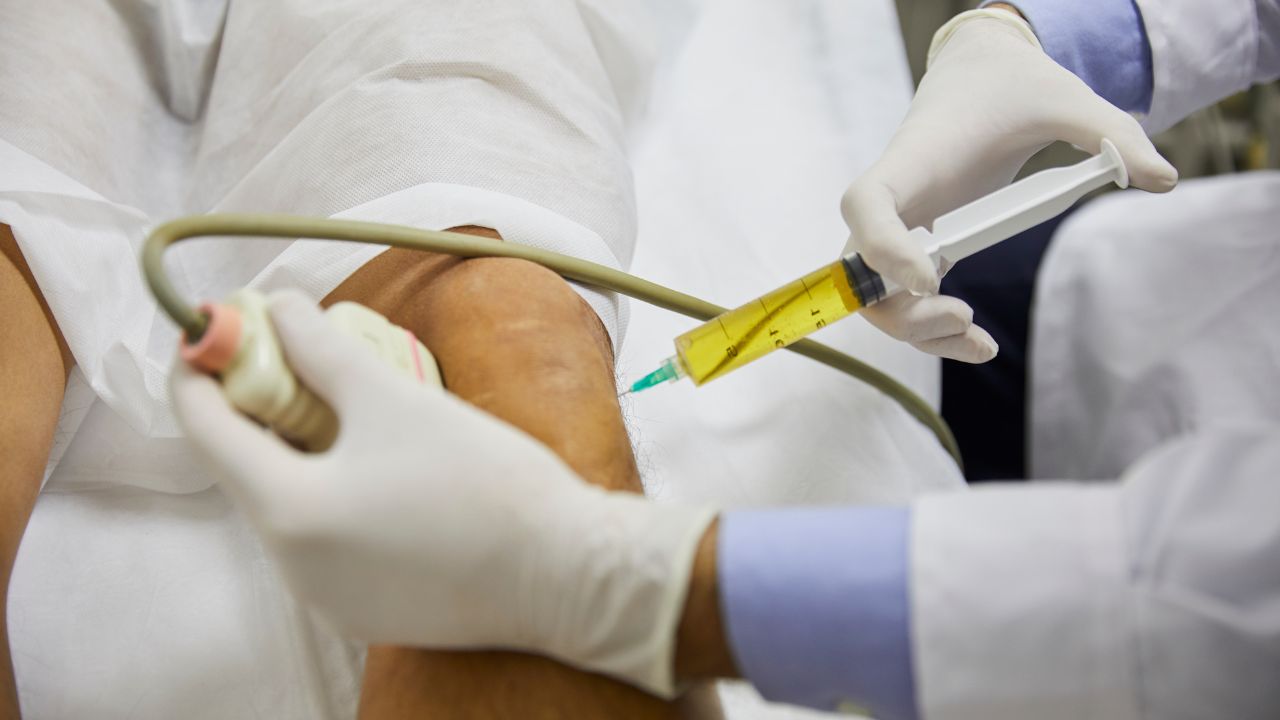
The global stem cell therapy market reached USD 18.13 billion in 2025, reflecting growing demand for non-surgical alternatives. Understanding stem cell therapy cost requires examining procedure complexity, cell sourcing, and laboratory standards that directly impact a patient’s treatment plan and overall regenerative therapy outcomes.
North America dominates with 54.0% market share, driven by advanced clinical facilities and regulatory frameworks. Treatment costs vary significantly based on whether patients choose autologous harvesting or allogeneic donor cells, with pricing factors extending beyond the injection itself.
Key Takeaways
- Median patient age seeking stem cell consultations is 68 years, with equal gender distribution nationwide
- Treatment efficacy ranks highest in patient priorities, scoring 95/100 compared to cost at 90/100
- Single joint injections represent a cost range of $5,000-$10,000, while systemic treatments exceed $20,000-$50,000
- Autologous treatments require surgical harvesting, while allogeneic options use donor-derived cells
- The global regenerative medicine market reached USD 48.17 billion in 2025, with a projected 25.56% annual growth
What Is Stem Cell Therapy and How Does It Work?
Stem cell therapy uses specialized cells to promote tissue repair and reduce inflammation in damaged areas. These cells differentiate into specific tissue types needed for healing while modulating the body’s immune response.
Autologous treatments extract cells from the patient’s own bone marrow or adipose tissue through minor surgical procedures performed under medical supervision. Allogeneic treatments use donor-derived umbilical cord or placental MSCs processed under GMP-grade standards in accredited laboratories.
Who Seeks Stem Cell Therapy and What Influences Their Choices?
Patients exploring regenerative medicine typically seek alternatives to surgery for joint pain, chronic back pain, and systemic health challenges. The median age of patients seeking consultations is 68 years, with equal representation across genders and diverse geographic locations.
Information sourcing significantly influences patient decisions, with 39.8% finding treatments through independent online research. Primary healthcare providers refer 19.3% of patients, while friend recommendations account for 19.9% of referrals.
What Are the Typical Patient Demographics and Locations?
Patient age ranges from 18 to 93 years, though most consultations occur within the 55-75 age bracket. Gender distribution remains perfectly balanced at 50% male and 50% female across clinical populations.
Rural patients represent 19.4% of clinical trial participants but face geographic barriers to care. These patients often reside more than 30 minutes from accredited facilities, requiring additional travel planning and virtual consultation options.
How Do Patients Prefer to Receive Consultations?
In-person consultations are preferred by 64.7% of patients seeking comprehensive regenerative stem cell treatments and physical evaluations. Virtual consultations or declined appointments account for 35.3%, often reflecting convenience needs or initial cost concerns.
Physical examinations enable precise joint diagnostics and range-of-motion testing during in-person visits. Virtual formats eliminate travel requirements but cannot provide hands-on clinical assessments or establish the same provider-patient connection.
Where Do Patients Get Information About Stem Cell Treatments?
Online research dominates information gathering, with 39.8% of patients independently discovering treatment options digitally. Social media and television stories influence 9.2% of potential patients exploring regenerative medicine.
Educational seminars attract 5.4% of patients seeking direct provider interaction before committing to consultations. Family and friend recommendations remain influential at 19.9%, demonstrating the importance of personal testimonials in healthcare decisions.
What Factors Influence Patient Decisions Beyond Cost?
Treatment efficacy scores 95/100 in patient priority rankings, surpassing out-of-pocket cost at 90/100. Patients prioritize long-term clinical outcomes and scientific validity when evaluating what conditions stem cell therapy can treat effectively.
Consultation quality ranks third at 85/100, reflecting the importance of provider expertise and clear explanations. For patients considering PRP therapy or platelet-rich plasma injections alongside stem cell options, educational accessibility scores 80/100 while convenience and location rank lowest at 70/100 among decision factors.
How Do Consultation Types Affect Treatment Planning and Costs?
Consultation format directly impacts patient conversion rates, follow-up compliance, and overall treatment planning accuracy. In-person visits enable comprehensive physical assessments while virtual options expand access for geographically distant patients.
Higher conversion rates occur following in-person consultations where providers establish trust through direct interaction. Virtual consultations reduce scheduling friction but demonstrate higher follow-up attrition rates compared to traditional appointments.
What Happens During In-Person Consultations?
Physicians compile recent imaging reports, including MRIs, X-rays, and CT scans, during initial evaluations. Blood work review ensures patients meet safety requirements for surgical cell harvesting or systemic administration.
Physical assessment includes joint range-of-motion testing, palpation, and functional movement screens to identify damage severity. Educational discussions compare autologous versus allogeneic options, helping patients understand stem cell therapy sources and their implications.
What Are the Benefits and Limitations of Virtual Consultations?
Virtual consultations offer scheduling flexibility and eliminate travel costs for patients residing outside metropolitan areas. However, these appointments cannot provide the physical examinations necessary for accurate joint condition assessment.
Patient connection quality decreases without face-to-face interaction, impacting trust building and treatment commitment. Higher attrition rates in follow-up appointments suggest virtual consultations work best for initial information gathering.
How Should Patients Prepare for Their First Consultation?
Preparing for stem cell therapy requires gathering complete medical histories, imaging results, and medication lists. Patients should document specific pain patterns, activity limitations, and previous treatment attempts with outcome details.
Questions about cell processing standards, laboratory accreditation, and realistic outcome expectations ensure informed decision-making. Asking for cost estimates upfront prevents unexpected expenses and allows patients to explore medical financing options that align with their treatment plan and budget.
What Are the Common Methods of Patient Education in Stem Cell Therapy?
Digital delivery, printed materials, and in-person seminars represent the three primary patient education channels in regenerative medicine. Each method serves distinct demographic preferences, with digital formats growing rapidly among younger patient populations.
Educational accessibility ranks fourth in patient priority factors at 80/100, emphasizing clear scientific explanations. Provider transparency about cell sources, processing methods, and outcome probabilities builds trust and reduces unrealistic expectations.
How Is Digital Education Delivered and Who Does It Benefit?
Digital education delivery captures approximately 45% market share through webinars, microlearning videos, and downloadable guides. Interactive video modules explain complex biological processes using visual demonstrations accessible 24/7.
These platforms require internet literacy and favor younger demographics comfortable with technology-based learning. Scalability advantages enable providers to educate large patient populations without geographic limitations or scheduling constraints.
What Role Do Printed Materials Play in Patient Understanding?
Printed materials maintain approximately 35% market share, particularly among older patient populations preferring tangible references. High-quality brochures and comparative treatment matrices provide detailed information that patients can review with family members.
Physical materials are difficult to update when new research emerges and offer limited space for explanations. However, patients aged 68 and older often prefer printed guides they can annotate and reference repeatedly.
How Do In-Person Seminars Support Patient Engagement?
In-person workshops capture approximately 20% market share through hotel seminars and clinic open houses. Live Q&A sessions enable immediate clarification of concerns and direct trust building with clinical teams.
Resource intensity and geographic limitations restrict seminar accessibility compared to digital alternatives. However, immediate consultation scheduling opportunities following seminars demonstrate strong conversion advantages for participating providers.
What Are the Main Components That Determine Stem Cell Therapy Costs?
Multiple pricing factors combine to create final treatment costs, with procedure complexity serving as the primary determinant. Cell sourcing methods, laboratory processing standards, and clinical standards aligned with FDA guidelines significantly impact patient billing structures for both injections or infusions.
Most regenerative treatments remain excluded from insurance coverage, making out-of-pocket costs a critical barrier. Understanding specific cost components helps patients evaluate value propositions and avoid ultra-low-cost providers compromising safety standards.
How Does Procedure Type and Complexity Affect Pricing?
Simple knee pain and back pain cases treated with regenerative cell therapy or platelet rich therapy typically cost far less than complex Multiple Sclerosis treatments requiring systemic administration. Single joint injections using BMAC represent a cost range of $5,000-$10,000 for straightforward outpatient procedures.
Mid-range options span $10,000-$30,000 for multi-joint treatments with advanced laboratory processing and follow-up protocols. Premium systemic treatments exceed $20,000-$50,000+ when addressing neurological or autoimmune conditions requiring billions of expanded cells.
How Do Cell Sources Impact Cost Differences?
Autologous sourcing requires surgical harvesting procedures, adding clinical costs for sedation, sterility protocols, and facility fees. The success of budget options relies heavily on aging cell quality, which declines progressively over time.
Allogeneic treatments use donor cells processed through extensive laboratory expansion and cryopreservation under strict quality control. Simple amniotic fluid injections marketed as regenerative medicine often contain no living stem cells despite lower pricing.
What Role Do Clinic Location and Accreditation Play?
Ultra-low-cost clinics under $3,000 frequently operate with unaccredited laboratories lacking proper sterility testing and cell viability verification. Patients managing spine injuries or chronic back pain require procedures performed under consistent medical supervision, and bargain providers may use insufficient cell counts that fail to produce therapeutic effects.
Rural patients face significant geographic access barriers, often requiring travel to metropolitan areas for accredited facilities. Stem cell therapy cost for knees varies substantially based on regional cost-of-living differences and regulatory compliance requirements.
Stem Cell Therapy Cost Insights and Considerations for Patients
The global regenerative medicine market reached USD 48.17 billion in 2025, projected to expand dramatically to USD 360.84 billion by 2034. This extraordinary 25.56% annual growth reflects increasing clinical adoption and broadening regulatory approvals for advanced therapies.
Treatment costs may decrease by 20% to 30% over the next five years due to standardized manufacturing scales. However, most regenerative treatments remain excluded from insurance coverage, making medical financing a practical option for patients requiring careful financial planning and value assessment.
Understanding pricing factors empowers patients to distinguish between legitimate high-quality providers and unregulated clinics compromising safety standards. The Regenerative Institute of Newport Beach offers transparent pricing structures and comprehensive consultations to help patients evaluate what to expect during stem cell therapy while maintaining strict GMP-grade laboratory protocols.
Live Better. Start with a Consultation at the Regenerative Institute of Newport Beach.
Chronic joint pain, knee pain, back pain, and spinal conditions do not have to define your daily life. At the Regenerative Institute of Newport Beach, Dr. Khyber Zaffarkhan, DO, FAAPMR, builds a personalized treatment plan for each patient, drawing on advanced regenerative therapy options including stem cell procedures and PRP therapy. Every protocol meets strict FDA guidelines and is delivered under direct medical supervision, so you know exactly what you are receiving and why. Medical financing options are available to help you access the care you need. To live better, contact the Regenerative Institute of Newport Beach today.

