
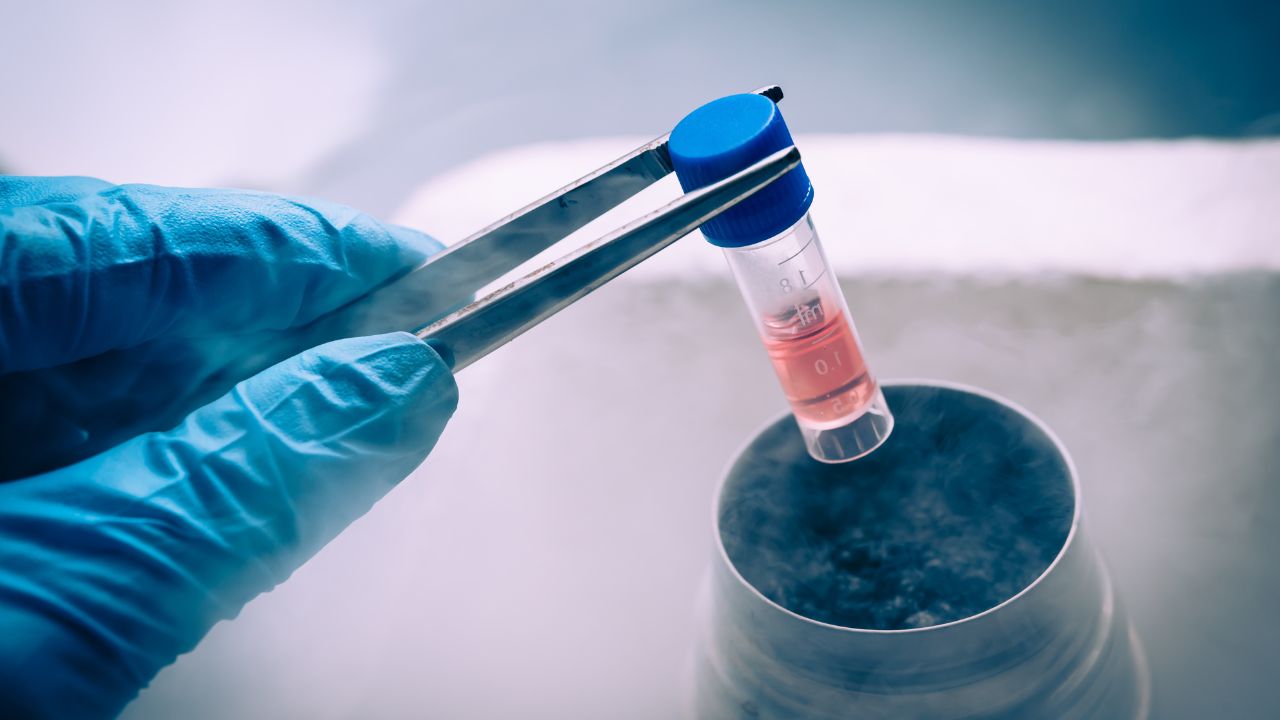
Stem cell therapy offers a faster alternative to surgery for joint pain and tissue damage. The stem cell therapy timeline typically spans 2-6 weeks for initial recovery, with continued improvements extending to six months or beyond.
Understanding what to expect during regenerative medicine recovery helps patients prepare mentally and physically for treatment. This guide explains each recovery stage, pain reduction milestones, and activity recommendations based on documented clinical outcomes.
Key Takeaways
- Stem cell therapy recovery takes 2-6 weeks compared to 3-6 months for traditional surgery
- Patients typically achieve 30-50% pain reduction by weeks 4-6 and 70-90% relief by six months
- 87.5% of patients report sustained improvement at the three-month mark across multiple functional metrics
- Recovery progresses through five distinct phases from immediate post-treatment to long-term stabilization
- Choosing a board-certified specialist with image-guided precision techniques significantly impacts treatment success
What Is Stem Cell Therapy and How Does It Work?
Stem cell therapy uses living cells to repair damaged tissues and reduce inflammation. Regenerative medicine utilizes cells capable of differentiating and self-renewing to restore function in joints, tendons, and other injured areas.
The treatment involves extracting or sourcing stem cells, processing them to concentrate healing factors, and injecting them precisely into damaged tissue. These cells then signal the body to initiate repair mechanisms that reduce pain and improve mobility.
Types of Stem Cells Used in Therapy
Mesenchymal stem cells derived from umbilical cord tissue offer strong differentiation potential for tissue repair. MSCs actively build new tissue and modulate immune responses to control inflammation during healing.
PRP therapy leverages the patient’s own blood, concentrating platelets and growth factors through centrifugation. Exosomes are non-living nanoparticles that carry proteins, lipids, and genetic material (RNA) from stem cells to target cells.
How Stem Cells Promote Tissue Regeneration
Stem cells differentiate into specialized cells needed to replace damaged tissue in joints and soft structures. This differentiation process allows the body to rebuild cartilage, ligaments, and tendons that traditional treatments cannot restore.
Angiogenesis refers to new blood vessel formation during healing, improving nutrient delivery to injured areas. Increased blood flow accelerates tissue repair and helps sustain long-term regeneration after initial treatment.
Advantages and Limitations Compared to Other Treatments
Stem cell recovery requires 2-6 weeks versus traditional surgery recovery of 3-6 months. This shortened timeline allows patients to return to normal activities faster with less disruption to daily life.
Zero risk of disease transmission exists with PRP since it uses the patient’s own blood components. No risk of cell replication or malignant transformation occurs with exosomes because they are non-living particles, though higher costs and limited insurance coverage remain common limitations.
What Are the Common Applications of Stem Cell Therapy?
Stem cell treatments address orthopedic injuries, degenerative conditions, and chronic pain syndromes. Musculoskeletal applications represent 32.86% of the regenerative medicine market, reflecting strong clinical demand for joint and tissue repair.
Success rates ranging from 75% to 90% have been documented for various regenerative treatments. A 90% patient satisfaction rate among knee-pain patients within six months demonstrates the therapy’s effectiveness for common orthopedic complaints.
Orthopedic and Musculoskeletal Treatments
Joint pain, cartilage damage, and ligament injuries comprise the primary orthopedic applications for stem cell therapy. MACI, a cartilage repair procedure, achieves success rates consistently around 80% for qualified patients.
Knee, hip, shoulder, and spine conditions respond well to targeted stem cell injections. Patients who previously faced joint replacement surgery often find relief through stem cell therapy as a less invasive alternative with faster recovery.
Chronic Pain and Degenerative Disease Management
Degenerative disc disease, osteoarthritis, and tendinitis benefit from the anti-inflammatory properties of stem cells. Long-standing chronic conditions that failed to respond to conventional treatments often improve with regenerative approaches.
Stem cell therapy reduces reliance on pain medications and helps patients avoid surgical interventions. The treatment addresses root causes rather than merely masking symptoms with temporary pharmaceutical solutions.
Emerging Aesthetic and Anti-Aging Uses
Exosome therapy is gaining traction for skin rejuvenation and hair restoration applications. The exosome market is projected to reach $307.04 billion by 2035, reflecting growing interest beyond traditional orthopedic uses.
Facial aesthetics, scar reduction, and tissue volume restoration represent expanding treatment categories. These applications leverage the same regenerative mechanisms used in orthopedic medicine to stimulate collagen production and cellular renewal.
How Does the Stem Cell Therapy Recovery Process Unfold?
Recovery progresses through distinct physiological phases as stem cells integrate and begin tissue repair. Understanding recovery stages helps patients recognize normal healing responses versus complications requiring medical attention.
Most patients experience gradual functional improvement rather than immediate pain relief after injection. The body requires time to complete cellular differentiation, angiogenesis, and tissue remodeling before significant clinical benefits appear.
Physiological Healing Stages After Treatment
Stem cells integrate into damaged tissue during the first week, triggering a controlled inflammatory response. This initial inflammation releases growth factors that signal the body to begin active repair processes.
Tissue regeneration accelerates between weeks 4 and 6 as cells differentiate into specialized structures. Cartilage and soft tissue rebuild at the cellular level while immune modulation continues to reduce chronic inflammation.
Typical Patient Experiences During Recovery
87.5% of patients report sustained improvement at the three-month mark across multiple health metrics. 75% report stamina gains at three months, while 51.4% note energy level improvements, and 44% experience balance improvements.
Pain reduction follows a predictable pattern, with 30-50% relief commonly occurring at weeks 4-6. Functional capacity increases progressively, allowing patients to reduce pain medications and return to activities they previously avoided.
Recommended Activity Levels and Restrictions
Patients should rest the treated area for 24-48 hours after the injection before resuming light daily activities. Strenuous exercise and high-impact movements should be avoided during the first week to prevent disrupting early cellular integration.
Gentle physical therapy may begin during weeks 2-3 as initial soreness resolves. Moderate activities and light strength training can resume at weeks 4-6 once significant tissue regeneration is underway.
What Happens Week by Week During Recovery?
Week-by-week healing follows a predictable progression from initial inflammation to active tissue regeneration. Tracking these phases helps patients set realistic expectations and avoid premature return to strenuous activities.
Each recovery stage involves specific physiological processes that determine appropriate activity levels. Adhering to recommended restrictions during early phases optimizes long-term outcomes and prevents setbacks.
Week 1: Immediate Post-Treatment Phase
Mild soreness, swelling, and redness at the injection site are normal during the first week. A temporary pain flare-up indicates the healing response has begun as the body initiates controlled inflammation.
Patients should rest the treated area for 24-48 hours and avoid strenuous exercise during this phase. Light daily activities are generally acceptable, but high-impact movements can disrupt early cellular integration.
Weeks 2-3: Early Healing Phase
Swelling and injection-site soreness typically disappear during weeks 2-3 as acute inflammation resolves. Pain levels stabilize or begin slight improvement as stem cells differentiate and start tissue repair.
Patients can gradually increase activity levels as tolerated while avoiding high-impact exercise. Gentle physical therapy may begin to restore the range of motion without stressing newly regenerating tissues.
Weeks 4-6: Active Regeneration Phase
A 30-50% reduction in pain is commonly reported during weeks 4-6 as tissue regeneration accelerates. Marked increases in range of motion and flexibility occur as cartilage and soft tissue repair become substantial.
Patients can return to moderate activities and light strength training if cleared by their physician. Physical therapy intensity increases during this phase to capitalize on improved tissue function and reduced pain.
How Does Recovery Progress in the Longer Term?
Long-term recovery extends beyond the initial six weeks as tissue maturation and stabilization continue. Pain reduction accelerates during months 2-3, with most patients achieving their maximum benefit by six months.
Results typically last 2-5 years or more once tissue regeneration is complete. Some patients experience permanent resolution of symptoms, particularly when combining treatment with appropriate physical therapy and lifestyle modifications.
Weeks 7-12: Continued Improvement Phase
Pain reduction of 50-75% is common during weeks 7-12 as stem cells fully integrate into damaged tissue. Most normal activities, including recreational sports, become possible with minimal to no discomfort.
Functional improvements accelerate during this phase as inflammatory markers normalize. Understanding what to expect during stem cell therapy helps patients recognize when their recovery aligns with typical clinical outcomes.
Months 4-6: Long-Term Healing Phase
Pain reduction reaches 70-90% for most patients by the six-month mark as tissue regeneration plateaus. An 80% or higher overall success rate is documented at six months across various orthopedic applications.
Newly formed tissue matures and strengthens during this phase, providing durable structural support. Patients often perform activities that were severely limited before treatment without significant pain or functional restrictions.
Months 7-12 and Beyond: Stabilization
Sustained pain relief of 75-90% persists during months 7-12 as tissue regeneration completes. Structural integrity of joints and soft tissues significantly improves, supporting long-term functional capacity.
Results typically last 2-5 years or more, with many patients maintaining benefits indefinitely. Some individuals experience permanent symptom resolution, while others may require periodic maintenance treatments to sustain optimal outcomes.
How Can Patients Prepare for and Support Recovery?
Proper preparation before treatment and diligent aftercare significantly impact recovery outcomes. Preparing for stem cell therapy includes medical evaluations, imaging studies, and lifestyle adjustments to optimize healing potential.
Post-treatment care involves following activity restrictions, attending follow-up appointments, and completing prescribed physical therapy. These steps ensure stem cells integrate properly and maximize long-term tissue regeneration.
Pre-Treatment Considerations and Evaluations
Comprehensive medical evaluations determine if patients are suitable candidates for stem cell therapy. Imaging studies like MRI or X-ray help specialists assess damage severity and identify precise injection sites.
Patients should disclose all medications, supplements, and health conditions during consultations. Certain anti-inflammatory drugs may need to be discontinued before treatment to avoid interfering with the healing response.
Post-Treatment Care and Lifestyle Adjustments
Patients should avoid anti-inflammatory medications for several weeks post-treatment unless specifically approved by their physician. These medications can suppress the beneficial inflammatory response necessary for tissue regeneration.
Adequate hydration, balanced nutrition, and sufficient sleep support cellular healing during recovery. Optimizing recovery after treatment requires consistent adherence to recommended lifestyle practices.
Role of Physical Therapy and Follow-Up
Physical therapy begins gently during weeks 2-3 and intensifies as tissue regeneration progresses. Guided exercises restore strength, flexibility, and functional movement patterns without overloading healing tissues.
Follow-up appointments allow specialists to monitor progress and adjust treatment protocols if needed. Regular assessments ensure recovery is proceeding as expected and identify any complications requiring intervention.
How to Choose the Right Specialist for Stem Cell Therapy?
Selecting a qualified specialist significantly impacts treatment success and safety. Choosing a stem cell therapy doctor requires evaluating credentials, training, and clinical experience rather than relying solely on marketing claims.
Board certification in relevant specialties indicates rigorous training and ongoing competency. Specialists with dedicated regenerative medicine training deliver better outcomes than general practitioners offering injections as an add-on service.
Key Credentials and Certifications to Look For
Board certification in Physical Medicine and Rehabilitation, Pain Management, or Orthopedics demonstrates core competency. Triple board certification represents the highest level of credentialing, indicating expertise across multiple relevant disciplines.
Fellowship training in regenerative medicine or certification from the American Board of Regenerative Medicine indicates specialized knowledge. Physicians with 10+ years dedicated to stem cell research bring valuable clinical experience to complex cases.
Importance of Image-Guided Precision Techniques
Image-guided injections using fluoroscopy or ultrasound ensure precise delivery to damaged tissue. This precision is non-negotiable for maximizing treatment effectiveness and minimizing the risk of off-target injection.
Facilities with on-site surgery centers or CLIA-certified laboratories maintain higher sterility and quality standards. Advanced imaging capabilities allow specialists to visualize tissue damage and confirm accurate stem cell placement during procedures.
Evaluating Clinic Reputation and Treatment Protocols
Established clinics with consistent five-star patient reviews demonstrate reliable outcomes and quality care. A patient’s guide to regenerative stem cell treatments helps individuals understand what to expect from reputable providers.
The Goswami Clinic, led by Dr. Gaurav Goswami, a triple board-certified physician, offers precision image-guided treatments. Orange County Regenerative Medicine, directed by Dr. Khyber Zaffarkhan, provides comprehensive regenerative care with an on-site surgery center, while Newport Regenerative Medicine, directed by Dr. Sonny Rubin, offers diverse modalities including bone marrow therapies and PRP.
Stem Cell Therapy Recovery Timeline and Patient Outcomes Synthesis
Stem cell therapy recovery unfolds through five distinct phases, from immediate post-treatment to long-term stabilization. Most patients achieve 30-50% pain reduction by weeks 4-6, 50-75% relief by three months, and 70-90% improvement by six months.
Success rates ranging from 75% to 90% make regenerative medicine a viable alternative to surgery for many conditions. Comparing stem cell therapy vs. PRP helps patients understand which treatment best addresses their specific needs and goals.
Patient expectations should align with documented recovery timelines to avoid premature activity resumption. Understanding that tissue regeneration requires months, not weeks, prevents setbacks and optimizes long-term outcomes.
Recovery success depends on specialist qualifications, treatment precision, and patient adherence to post-treatment protocols. Choosing a board-certified physician with image-guided techniques and comprehensive follow-up care maximizes the likelihood of achieving sustained pain relief and functional restoration.
Ready to Plan Your Stem Cell Recovery With a Board-Certified Newport Beach Specialist?
At Integrated Spine, Pain, and Wellness in Newport Beach, Dr. Khyber Zaffarkhan, DO, FAAPMR, brings more than 15 years of regenerative medicine research and image-guided injection expertise to every stem cell consultation. Our on-site surgery center and dedicated osteopathic philosophy mean your recovery is guided week by week, with clear milestones and direct access to the specialist responsible for your care.
If chronic pain or a recent surgery recommendation has you weighing your options, schedule a consultation with Dr. Zaffarkhan to map out a regenerative recovery plan built around your specific condition and the active life you want to return to.

