
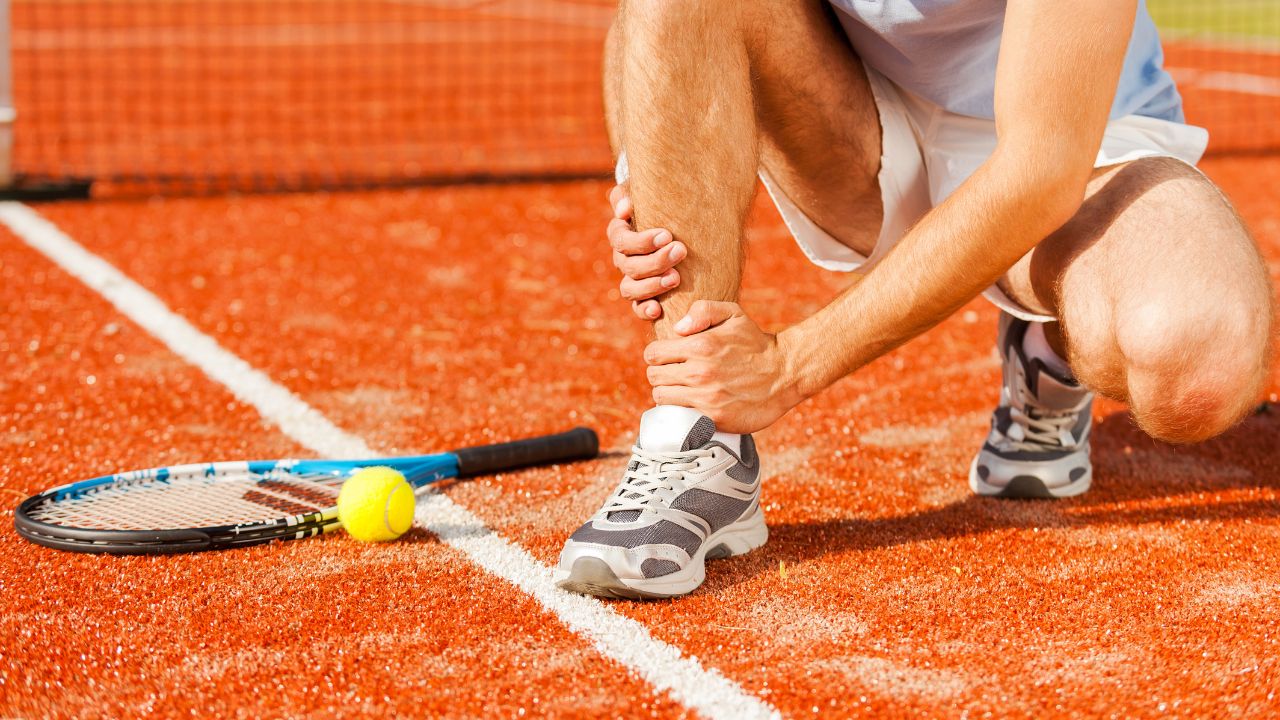
Athletic participation among individuals over 40 continues to grow as people prioritize active lifestyles and longevity. However, age-related physiological changes create unique challenges that require specialized prevention strategies and treatment approaches. Sports medicine after 40 demands a proactive regenerative medicine approach that addresses declining tissue quality and extended recovery periods. Modern biological therapies now enable aging athletes to maintain performance while minimizing the risk of career-ending injuries.
Key Takeaways
- Recovery timelines for athletes over 60 are 1.5 times longer than those under 40
- PRP therapy market reached USD 652.4 million in 2024, with projected growth to USD 2.0 billion by 2033
- 86.1% of patients prefer cell-based therapies over surgical intervention when available
- PRP costs range from USD 500 to USD 2,500 compared to stem cell therapy at USD 3,000 to USD 8,000
- Wearable technology and AI-enhanced physical therapy provide real-time data for personalized training adjustments
What Are Sports Injuries and Why Do Risks Increase After 40?
How Does Aging Affect Tissue and Recovery?
Aging fundamentally alters the body’s ability to repair damaged tissue and respond to physical stress. Collagen production decreases, muscle elasticity declines, and cellular regeneration slows significantly after age 40. Recovery timelines for athletes over 60 are 1.5 times longer than those under 40. Athletes over 40 represent a rapidly growing market segment seeking specialized care solutions.
Reduced anabolic hormone levels and decreased blood flow to tendons and ligaments compound these challenges. The natural inflammatory response that initiates healing becomes less efficient with age. Understanding these biological limitations helps athletes and physicians develop realistic training schedules. Biological age affects tissue healing capacity more than chronological age in many cases.
What Are Common Injuries in Athletes Over 40?
Tendinopathies, rotator cuff tears, and osteoarthritis account for the majority of injuries in aging athletes. Overuse injuries from repetitive motions often develop slowly before becoming debilitating conditions requiring intervention. In 2024, 4.4 million individuals were treated in emergency departments for sports injuries, representing a 17% increase from the previous year. Males generally sustain more injuries than females across most sports categories.
Chronic conditions, like most common athletic injuries, require different treatment strategies than acute tears. Knee osteoarthritis, Achilles tendinopathy, and medial epicondylitis frequently affect middle-aged recreational athletes. Early intervention with regenerative treatments prevents minor inflammations from progressing to structural damage. Prevention strategies must address both acute injury risks and cumulative tissue degradation.
What Is Regenerative Medicine in Sports Injury Prevention?
How Do Platelet-Rich Plasma (PRP) Therapies Work?
PRP therapy involves extracting a patient’s blood, centrifuging to concentrate platelets, and injecting plasma into injured tissue. This concentrated solution delivers growth factors that stimulate the body’s natural healing cascade. The procedure utilizes autologous tissue, eliminating rejection risks associated with synthetic or donor materials. PRP for athletes has become standard practice in professional sports medicine.
Common PRP applications include knee osteoarthritis, lateral epicondylitis, medial epicondylitis, rotator cuff injuries, and Achilles tendinopathy. The PRP therapy market reached USD 652.4 million in 2024 with a projected CAGR of 10.6% to 15.3%. Market projections indicate PRP potentially exceeding USD 2.0 billion by 2033 as adoption increases. Multiple injection protocols may be required depending on injury severity and patient response.
What Role Do Stem Cell Therapies Play in Injury Prevention?
Stem cell therapy utilizes undifferentiated cells from bone marrow or adipose tissue to promote tissue regeneration. These cells can differentiate into specific tissue types, offering true regenerative potential beyond simple healing acceleration. Primary applications include severe cartilage damage, advanced joint degeneration, and complex ligament tears. The stem cell therapy market reached USD 456.0 million globally in 2024.
Stem cell treatments in California show a projected CAGR of 25.23% between 2025 and 2030. The harvesting procedure is more invasive than PRP extraction, requiring bone marrow aspiration or liposuction. Regulatory bodies largely consider stem cell therapy experimental despite promising clinical outcomes. Cost and regulatory uncertainty limit widespread adoption compared to more established PRP protocols.
How Do Regenerative Treatments Compare to Traditional Methods?
What Are the Benefits and Limitations of PRP Versus Stem Cell Therapy?
PRP costs range from USD 500 to USD 2,500 compared to stem cell therapy at USD 3,000 to USD 8,000. The minimally invasive nature of PRP extraction makes it more accessible for outpatient settings. PRP has FDA-cleared devices for preparation, while stem cell applications remain largely experimental. PRP therapy benefits include lower cost, faster procedures, and established safety profiles.
PRP may require multiple injections spaced weeks apart to achieve optimal results. Stem cell therapy involves more invasive harvesting procedures but potentially offers longer-lasting tissue regeneration. Insurance coverage remains limited for both modalities, creating financial barriers for many patients. The choice between therapies depends on injury severity, patient budget, and physician expertise.
How Does Physical Therapy Complement Regenerative Medicine?
Physical therapy remains the foundation of sports injury recovery, holding 45.2% market share. Structured rehabilitation programs restore functional movement patterns that prevent reinjury after biological healing. The combination of regenerative injections and targeted exercises produces superior outcomes compared to either approach alone. Physical therapy protocols require significant time commitment and patient compliance for success.
Physical therapy addresses biomechanical imbalances that contribute to overuse injuries in aging athletes. Strengthening exercises protect healing tissues while improving overall athletic performance and resilience. Traditional rehabilitation methods excel at restoring function but cannot reverse degenerative tissue changes. Integrating regenerative medicine with physical therapy creates a comprehensive treatment strategy.
When and How Should Wearable Technology Be Used for Injury Prevention?
What Types of Wearables Help Monitor Risks in Aging Athletes?
Wearable technology monitors biomechanical stress, heart rate variability, and recovery metrics in real time. The wearable technology sector reached USD 82.33 billion, with sports medicine applications capturing 8.7% market share. Devices track cumulative training load to prevent overtraining injuries common in aging athletes. Consistent use and data interpretation expertise are required to maximize wearable device effectiveness.
Accelerometers detect abnormal movement patterns that indicate fatigue or compensatory mechanics. GPS tracking quantifies training volume, enabling coaches to adjust intensity before tissue breakdown occurs. Wearable devices require athletes to maintain consistent usage habits and understand data trends. Many older athletes lack the technical expertise to interpret complex biometric feedback without professional guidance.
How Does Real-Time Data Improve Training and Recovery Decisions?
AI in physical therapy was valued at USD 178 million in 2025, projected to reach USD 1.06 billion by 2033. Machine learning algorithms analyze training data to predict injury risk based on individual baselines. Real-time feedback allows immediate adjustments to training intensity, preventing the cumulative damage that leads to chronic injuries. Younger demographics prefer wearable technology and traditional physical therapy more than older age groups.
Personalized recovery recommendations based on sleep quality, heart rate, and movement patterns optimize adaptation. Data-driven training modifications reduce injury rates by identifying early warning signs of tissue stress. Athletes can objectively measure readiness rather than relying solely on subjective fatigue assessments. The integration of wearable data with clinical assessment creates comprehensive injury prevention strategies.
How Can Training and Recovery Be Adapted for Aging Athletes?
What Is the Training-Injury Prevention Paradox?
The training-injury prevention paradox states that adequate training volume protects against injury while excessive volume causes it. Finding the optimal dose becomes increasingly difficult as recovery capacity declines with age. High training loads can be protective when progression is carefully managed, and recovery is prioritized. Abrupt increases in training volume create the highest injury risk for athletes over 40.
Progressive overload must be balanced against diminished tissue resilience in aging athletes. Periodization strategies that cycle intensity prevent chronic overuse while maintaining fitness adaptations. The paradox highlights the importance of individualized programming rather than standardized training templates. Recovery adaptations lag behind cardiovascular adaptations, creating vulnerability windows where athletes feel capable but tissues remain stressed.
What Multidisciplinary Strategies Optimize Performance and Safety?
Multidisciplinary treatment plans combine athletic training, musculoskeletal physical therapy, imaging, and regenerative medicine. This comprehensive approach addresses biomechanical, nutritional, and biological factors simultaneously for optimal outcomes. Regular movement screening identifies asymmetries before they develop into compensatory injury patterns. Coordination between specialists prevents conflicting treatment recommendations that undermine recovery.
Nutritional interventions support collagen synthesis and reduce inflammation that accelerates tissue degradation. Sleep optimization enhances growth hormone production critical for tissue repair and adaptation. Imaging technology enables early detection of tissue changes before symptoms limit athletic participation. Personalized care plans account for individual injury history, training goals, and physiological limitations.
What Are the Best Regenerative Approaches for Specific Injuries Like Golfer’s Elbow?
How Effective Is PRP Therapy for Medial Epicondylitis?
Medial epicondylitis, commonly called golfer’s elbow, involves degenerative changes to the flexor tendon origin. PRP injections for elbow pain demonstrate comparable outcomes to surgical intervention with significantly shorter recovery periods. PRP patients achieved VAS pain scores of 3.7 versus surgical patients at 4.7 in comparative studies. No statistically significant differences in success rates between PRP and surgical groups were found for medial epicondylitis.
The concentrated growth factors directly stimulate collagen remodeling in degenerative tendon tissue. PRP therapy avoids surgical risks, including infection, nerve damage, and prolonged immobilization. Most patients receive between one and three injections spaced four to six weeks apart. Clinical outcomes improve when PRP therapy is combined with eccentric strengthening exercises targeting forearm flexors.
What Does Recovery Look Like Compared to Surgical Options?
Patients experience 24-48 hours of localized soreness following PRP injection before gradual symptom improvement. Light activities can resume within days, while full return to sports occurs at six to twelve weeks. Surgical intervention requires immobilization for weeks, followed by months of structured rehabilitation. The minimally invasive nature of PRP allows athletes to maintain conditioning throughout recovery.
Progressive loading protocols gradually restore tendon capacity without risking re-injury during healing phases. Pain reduction typically begins at four to six weeks as new collagen forms. Complete tissue remodeling continues for several months after symptoms resolve. Athletes can adjust training volume during recovery rather than accepting complete activity cessation.
What Factors Influence Patient Choice in Regenerative Treatments After 40?
How Do Safety, Cost, and Convenience Affect Decisions?
Patient surveys indicate 86.1% prefer cell-based therapies over surgery when presented with both options. Efficacy scores 95% importance, safety and minimal risks score 88%, and recovery time scores 82%. Cost affordability influences decisions at 75% importance, while convenience scores 68% among patient priorities. Perception data shows 82.4% of patients believe regenerative medicine is safe.
The desire to avoid surgical complications drives preference for biological treatments among aging athletes. Out-of-pocket costs create barriers despite strong patient interest in regenerative approaches. Limited insurance coverage forces patients to weigh financial investment against potential quality-of-life improvements. Convenience factors include minimal downtime and the ability to receive treatment without general anesthesia.
What Are Regional Differences in Treatment Adoption and Pricing?
Rural medical practices show adoption rates of 56% versus urban practices at 49% for regenerative treatments. Price variations create significant medical tourism with PRP costing $1,800 in the USA, $2,200 in Germany, $600 in Mexico, $500 in Thailand, and $400 in Turkey. Stem cell therapy ranges from $5,500 in the USA to $2,500 in Turkey for comparable procedures. Physical therapy costs $150 per session in the USA compared to $50 in Turkey.
Access to specialized surgical centers in rural areas may drive adoption of in-office regenerative procedures. International price differences reflect varying regulatory environments, labor costs, and healthcare system structures. Quality standards and physician expertise vary significantly across international treatment destinations. Patients must balance cost savings against travel expenses, language barriers, and continuity of care concerns.
Integrating Regenerative Medicine Into Sports Injury Prevention for Athletes Over 40
A comprehensive prevention strategy combines biological therapies with smart training modifications and ongoing monitoring. Proactive use of regenerative treatments addresses early tissue changes before injuries become debilitating. The integration of PRP therapy, stem cell applications, physical rehabilitation, and wearable technology creates layered protection. Success requires commitment to long-term maintenance rather than reactive crisis management after injuries occur.
Athletes who embrace regenerative approaches can extend their competitive years and maintain quality of life. Understanding individual tissue capacity through regular assessment enables precise training adjustments that prevent sports injuries. The Regenerative Institute of Newport Beach specializes in personalized protocols combining advanced diagnostics with cutting-edge biological treatments. Evidence-based regenerative medicine represents the future of sports injury prevention for aging athletes.
Ready to Train Smarter and Recover Faster After 40?
At Integrated Spine, Pain, and Wellness, Dr. Khyber Zaffarkhan, DO, FAAPMR, builds personalized regenerative protocols that address the underlying tissue changes behind chronic sports injuries, not just the symptoms. From PRP therapy and stem cell treatments to recovery planning guided by wearable data, the goal stays the same: keep you doing what you love without the downtime of surgery or the side effects of long-term medication.
Schedule a consultation with our regenerative medicine team to map out a prevention and recovery plan built around your sport, your training load, and your performance goals.

