
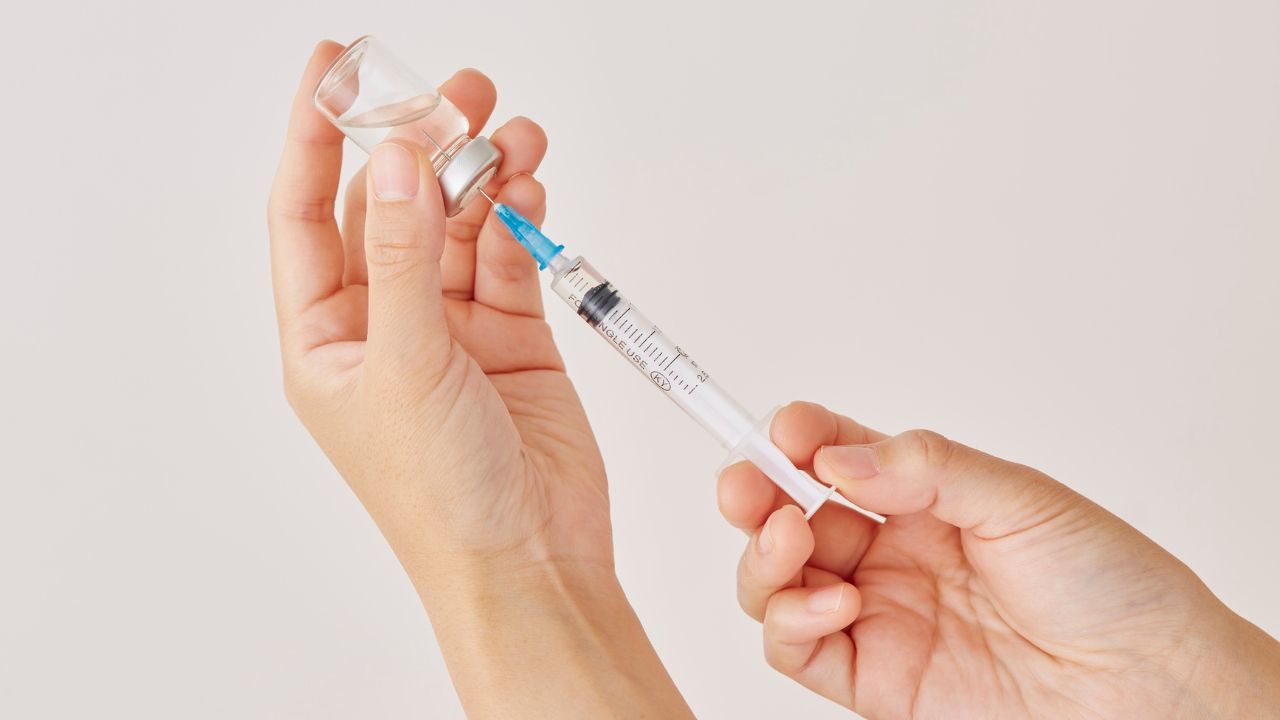
Epidural steroid injections represent a cornerstone interventional treatment for spinal nerve inflammation and radicular pain. These procedures target the epidural space surrounding spinal nerves to reduce inflammation and provide pain relief for conditions including herniated discs and spinal stenosis.
Understanding the safety profile, potential complications, and clinical effectiveness of epidural steroid injections helps patients make informed decisions about their pain management. This comprehensive analysis examines technique variations, success rates, side effects, and how ESIs compare to alternative treatment modalities.
Key Takeaways
- Epidural steroid injections deliver corticosteroids directly to inflamed spinal nerves, with 74.4% of patients experiencing clinically significant pain reduction at six months
- Common side effects include temporary pain increases and localized tenderness, while rare complications involve nerve damage, infection, or spinal headaches
- Three injection approaches exist: transforaminal for targeted nerve relief, interlaminar for broader coverage, and caudal for lower spine conditions
- Most providers limit patients to 2-3 epidural steroid injections annually due to cumulative steroid effects on bone density
- Alternative treatments like physical therapy, PRP therapy, and facet joint injections offer comparable outcomes for specific pain conditions
What Are Epidural Steroid Injections and How Do They Work?
Epidural steroid injections involve delivering corticosteroid medication combined with local anesthetic into the epidural space surrounding spinal nerves. This targeted approach reduces nerve inflammation and provides pain relief without the systemic effects of oral medications.
The epidural space contains fat and blood vessels that cushion spinal nerve roots as they exit the spinal cord. Injecting anti-inflammatory medication directly into this area addresses the inflammation-causing radicular pain more effectively than systemic treatments.
What Is the Purpose of Epidural Steroid Injections?
An epidural steroid injection primarily treats nerve inflammation causing radiating pain down the arms or legs. The corticosteroid component suppresses inflammatory mediators around compressed or irritated nerve roots, while the local anesthetic provides immediate pain relief.
The procedure serves both diagnostic and therapeutic purposes for patients with suspected nerve compression. Temporary pain relief following the injection confirms the targeted nerve as the pain source before considering more invasive interventions.
What Are the Different Injection Techniques?
Transforaminal epidural steroid injections (TFESI) target the specific neural foramen where an individual nerve exits the spinal column. This approach requires precise fluoroscopic guidance but delivers medication directly to the affected nerve root for maximum therapeutic effect.
Interlaminar epidural steroid injections (ILESI) deliver medication more broadly into the posterior epidural space between vertebral laminae. Caudal injections enter through the sacral hiatus at the spine’s base, providing coverage for lower lumbar conditions.
Which Conditions Are Treated with Epidural Steroid Injections?
Herniated discs causing nerve root compression represent the most common indication for epidural steroid injections. The procedure effectively addresses radiating pain from disc material pressing against spinal nerves in the cervical, thoracic, or lumbar regions.
Spinal stenosis patients experiencing leg pain from nerve compression often benefit from epidural steroid injections before considering surgical decompression. Degenerative disc disease, facet joint arthritis, and post-laminectomy syndrome also respond to targeted steroid delivery.
How Safe Are Epidural Steroid Injections?
Epidural steroid injections demonstrate a favorable safety profile when performed by experienced practitioners using imaging guidance. Most patients experience only minor, self-limiting side effects that resolve within days of the procedure.
Understanding both common side effects and rare serious complications allows patients to make informed decisions about injection safety. Proper patient selection and adherence to frequency guidelines minimize cumulative steroid risks over time.
What Are Common Side Effects and Risks?
Temporary pain increases at the injection site occur in approximately 10-15% of patients following epidural steroid injections. Localized tenderness typically resolves within 48-72 hours as the steroid medication begins reducing nerve inflammation.
Transient elevations in blood sugar affect diabetic patients for several days post-injection due to systemic corticosteroid absorption. Blood pressure may temporarily increase in susceptible individuals, requiring monitoring in patients with poorly controlled hypertension.
What Are the Rare but Serious Complications?
Dural puncture resulting from needle placement through the protective membrane surrounding the spinal fluid causes severe positional headaches. This complication occurs in less than 1% of procedures and typically resolves with conservative management or a blood patch.
Epidural abscess, nerve damage, and bleeding leading to hematoma represent extremely rare but serious complications requiring immediate intervention. Cumulative steroid side effects, including bone density reduction and adrenal suppression, develop with repeated injections over time.
How Often Can Epidural Steroid Injections Be Safely Administered?
Most pain management providers limit patients to 2-3 epidural steroid injections within a 12-month period. This frequency restriction minimizes cumulative corticosteroid exposure while allowing adequate time to assess treatment response.
Spacing injections at least 6-8 weeks apart prevents excessive steroid accumulation and associated side effects. Patients requiring more frequent interventions should explore alternative treatments or consider advanced interventional procedures.
What Are the Benefits and Effectiveness of Epidural Steroid Injections?
Clinical research demonstrates substantial benefits of epidurals for appropriately selected patients with nerve-related spinal pain. Evidence-based outcomes show significant pain reduction and functional improvement exceeding conservative treatment alone.
The procedure offers targeted relief without surgery’s risks and recovery requirements for many patients. Success rates vary based on underlying pathology, injection technique, and individual patient factors.
How Effective Are ESIs for Pain Relief?
Clinically significant pain reduction, defined as ≥50% pain relief, represents the standard efficacy benchmark for interventional procedures. Research indicates 74.4% of epidural steroid injection patients demonstrate clinically significant pain reduction at 6-month follow-up.
Functional improvement measured by disability scores shows 62.8% of patients experience meaningful activity enhancement at six months. These outcomes support ESIs as effective intermediate interventions between conservative care and surgical consideration.
How Long Does Pain Relief Typically Last?
Onset of relief from epidural steroid injections typically occurs within 2 to 7 days following the procedure. The corticosteroid requires time to suppress inflammatory mediators before patients experience maximum benefit.
Relief duration ranges from several days to several months, depending on underlying pathology and inflammation severity. Variable response duration reflects individual differences in disease progression and healing capacity.
How Do ESIs Compare to Other Pain Management Modalities?
Epidural steroid injections provide superior short-term relief compared to oral medications for radicular pain without systemic side effects. Physical therapy combined with injections produces better long-term outcomes than either intervention alone.
Compared to surgical intervention, ESIs offer lower risk and faster recovery while delaying or avoiding invasive procedures. Success rates approach surgical outcomes for carefully selected patients with specific diagnostic criteria.
How Do Epidural Steroid Injections Compare to Facet Joint Injections?
Epidural and facet joint injections target different pain generators within the spinal column using distinct anatomical approaches. Understanding these differences helps clinicians match treatment to the underlying pain source.
Both procedures demonstrate similar safety profiles but address separate pathological processes causing spinal pain. Patient selection based on symptom patterns determines which intervention provides optimal outcomes.
What Are Facet Joint Injections and Their Purpose?
Facet joints are small stabilizing joints located between and behind adjacent vertebrae throughout the spinal column. These synovial joints provide stability during movement but frequently develop degenerative changes, causing localized back pain.
The facet joint injections market reached USD 2.97 billion in 2025, with projections indicating USD 4.1 billion by 2030. Market growth reflects increasing recognition of facet-mediated pain and expanding procedural volume.
What Are the Differences in Clinical Uses Between the Two?
Transforaminal epidural steroid injections prove superior for unilateral radicular pain following nerve distribution patterns down the extremities. The targeted approach delivers medication directly to the inflamed nerve root, causing radiating symptoms.
Interlaminar epidural steroid injections suit bilateral or central pain patterns from spinal stenosis affecting multiple nerve levels. Facet injections specifically address axial back pain without extremity radiation originating from arthritic facet joints.
How Do Their Safety and Efficacy Profiles Differ?
Facet-mediated pain prevalence ranges from 27-67% of chronic spinal pain cases, depending on spinal region examined. This substantial prevalence supports the clinical utility of diagnostic facet blocks in comprehensive pain evaluation.
Facet injection therapeutic success rates approximate 52% for achieving ≥50% pain reduction, comparable to epidural outcomes. Relief duration varies similarly between procedures, with both potentially requiring repetition for sustained benefit.
What Alternative and Complementary Pain Management Options Exist?
Patient preference increasingly favors non-pharmacological approaches addressing pain management risks without medication dependency concerns. Multiple evidence-based alternatives provide comparable or complementary outcomes to injection-based interventions.
Understanding the full spectrum of treatment options empowers patients to select approaches aligning with individual values and circumstances. Multimodal strategies combining several modalities often produce superior outcomes to single interventions.
How Does Physical Therapy Support Pain Management?
Survey data reveals 68.2% of patients receiving both physical therapy and pain medication believed physical therapy was more effective for long-term recovery. This patient perception reflects growing recognition that functional restoration addresses underlying movement dysfunction causing pain.
Physical therapy as first-line treatment prevents progression to more invasive interventions for many neck and back pain conditions. Structured exercise programs improve strength, flexibility, and neuromuscular control, reducing mechanical stress on pain-generating structures.
What Role Do Regenerative Therapies Like PRP and Prolotherapy Play?
Platelet-Rich Plasma therapy concentrates healing growth factors from the patient’s blood to stimulate tissue repair in damaged structures. This approach aims to restore tissue integrity rather than simply suppressing inflammation like traditional steroid injections.
Prolotherapy treatment involves injecting irritant solutions to trigger controlled inflammation and collagen deposition in weakened ligaments or tendons. Evidence continues to emerge for these regenerative treatment options compared to established steroid protocols, with promising results for degenerative conditions.
Why Are Patients Choosing Non-Pharmacological Approaches?
National surveys indicate 78% of US adults prefer trying non-pharmacological pain management approaches before medication is prescribed by physicians. This preference reflects concerns about medication side effects, dependency risks, and the desire for treatments addressing root causes.
Complementary and Alternative Medicine usage averages 40.3% among chronic pain patients seeking holistic healing approaches. Growing acceptance of integrative strategies demonstrates shifting patient values, prioritizing natural healing mechanisms over pharmaceutical interventions.
What Factors Influence Patient Decisions About Epidural Steroid Injections?
Multiple interconnected factors shape patient treatment decisions beyond purely clinical considerations when evaluating epidural steroid injections. Understanding these decision drivers helps clinicians address patient concerns and facilitate informed choice.
Individual circumstances, including financial resources, geographic access, and personal values, significantly impact treatment selection. Demographic patterns reveal distinct preferences across age groups, socioeconomic strata, and regional populations.
How Do Safety Concerns Shape Patient Choices?
Consumer surveys consistently rank safety as the highest priority at 95% importance when evaluating pain management interventions. This paramount concern reflects widespread awareness of opioid risks and complications from invasive surgical procedures.
Efficacy considerations follow closely at 92% importance as patients seek meaningful functional improvement, justifying intervention risks. Cost factors rate 78% importance, representing a significant but secondary consideration after safety and effectiveness.
What Role Do Cost and Accessibility Play?
Epidural steroid injection costs range from $193-$597 for budget facilities to $1,100-$1,484 for premium medical centers. Mid-range pricing typically falls between $671-$869 depending on geographic location and imaging requirements.
Facet joint injection costs span $261-$560 at budget facilities, $630-$744 mid-range, and $1,391-$1,526 at premium centers. Regenerative treatment options like PRP therapy command higher prices from a $500-$800 budget to a $2,000+ premium, reflecting newer technology costs.
How Do Demographics and Geography Affect Adoption?
Prescription pain medication use demonstrates clear age-related patterns: 5.4% among ages 20-39, 12.7% ages 40-59, and 15.1% ages 60+. This gradient reflects cumulative degenerative changes and chronic condition prevalence increasing with age.
Rural chronic pain prevalence reaches 30.9% compared to 30.8% suburban and 19.6% urban populations. Southern states demonstrate the highest epidural injection procedure rates while Northeastern states show the lowest utilization, reflecting regional practice pattern variations.
What Is the Procedure for Receiving an Epidural Steroid Injection?
Understanding procedural steps reduces patient anxiety and establishes realistic expectations about the treatment experience. Most epidural steroid injections occur in outpatient settings requiring minimal preparation.
The entire procedure typically requires 15-30 minutes, including positioning, sterile preparation, and post-procedure observation. Patients usually return home the same day with specific activity restrictions for 24-48 hours.
What Should Patients Expect During the Procedure?
Patients lie prone on a fluoroscopy table, allowing real-time X-ray visualization of needle placement into targeted spinal structures. Local anesthetic numbs the skin and deeper tissues before advancing the epidural needle under continuous imaging guidance.
Contrast dye injection confirms accurate needle position within the epidural space before delivering therapeutic medication. Most patients experience pressure sensation during injection, but minimal pain due to local anesthesia.
How Are Different Injection Approaches Performed?
Transforaminal epidural steroid injections require precise fluoroscopic guidance to safely approach the neural foramen without nerve injury. The oblique needle trajectory passes through the safe triangle, avoiding vascular structures and nerve roots.
Interlaminar approaches prove technically less demanding than transforaminal techniques while providing broader medication distribution. The needle enters perpendicular to the skin through the ligamentum flavum into the posterior epidural space.
What Are Post-Procedure Care and Follow-Up Steps?
Patients rest in recovery for 15-30 minutes while staff monitors vital signs and lower extremity function. Temporary leg numbness from local anesthetic typically resolves within 2-4 hours post-procedure.
Activity restrictions include avoiding strenuous exercise, heavy lifting, and prolonged sitting for 24-48 hours following injection. Follow-up appointments are scheduled 2-4 weeks post-procedure to assess treatment response and determine the need for additional interventions.
Integrating Epidural Steroid Injections Into Comprehensive Pain Management Strategies
The global pain management drugs market, valued at USD 87.19 billion in 2025, is projected to reach USD 130.80 billion by 2035. This growth reflects aging populations and increasing chronic pain prevalence, driving demand for effective interventions.
Spinal injectable markets demonstrate even stronger expansion from USD 27.3 billion in 2025 to projected USD 57.8 billion by 2035. Epidural steroid injections account for 47.9% of the spinal injectable market revenue, reflecting their established clinical role.
Effective pain management requires individualized treatment plans combining multiple evidence-based modalities addressing specific patient needs. Epidural steroid injections function optimally as part of comprehensive strategies, including physical therapy, lifestyle modifications, and targeted exercise programs.
Patients unresponsive to conservative care benefit from staged interventional approaches beginning with less invasive procedures before surgical consideration. This algorithmic strategy maximizes functional outcomes while minimizing unnecessary surgical exposure and associated complications.
Alternative approaches, including regenerative therapies, offer promising options for patients preferring biologic healing mechanisms over corticosteroid suppression. Shared decision-making incorporating patient values, clinical evidence, and practitioner expertise optimizes treatment selection and satisfaction.
The evolving pain management landscape increasingly emphasizes multimodal care addressing physical, psychological, and functional dimensions simultaneously. This holistic approach recognizes that optimal outcomes require treating the whole person rather than isolated pathology.
At Regenerative Institute of Newport Beach, we recognize that each patient’s pain journey is unique and requires personalized treatment planning. Our comprehensive approach evaluates all available options to develop strategies aligned with your goals and lifestyle priorities.
Choosing the right pain treatment requires expert guidance through the complex decision framework, balancing safety, efficacy, and personal circumstances. Our experienced team helps you understand how injection safety considerations, potential risks, and expected benefits apply to your specific condition.
Ready to Discuss Whether an Epidural Steroid Injection Is Right for You?
Choosing the right path through spinal nerve pain takes more than a quick procedure recommendation. It takes a physician who can read your imaging, weigh your prior treatments, and explain how an epidural steroid injection fits alongside options like PRP, facet joint injections, or physical therapy in a long-term plan. At Integrated Spine, Pain, and Wellness, Dr. Khyber Zaffarkhan, DO, FAAPMR, draws on fellowship training in interventional spine medicine and years of fluoroscopy-guided injection experience to match each patient to the approach most likely to deliver durable relief.
If radiating pain from a herniated disc, spinal stenosis, or another nerve-related condition is limiting your daily life, schedule a personalized consultation with our team to review your imaging, discuss the safety and effectiveness data behind every option, and build a treatment plan aligned with your goals.

