
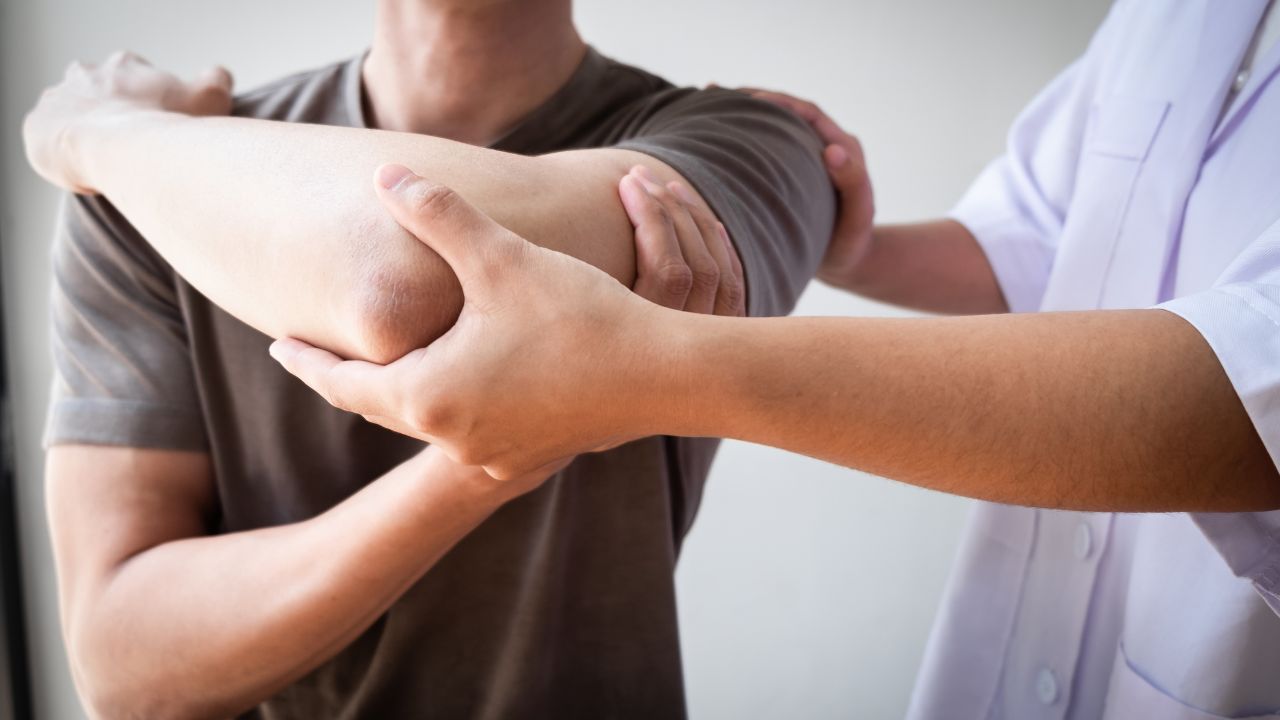
Rotator cuff tears represent one of the most common causes of shoulder pain in adults over 40. Stem cell therapy and other regenerative medicine approaches have emerged as potential alternatives to surgery, with growing research evidence supporting their role in tendon healing and functional recovery.
Bone marrow aspirate concentrate, platelet-rich plasma, and bioinductive implants each offer distinct mechanisms for supporting tissue repair. Understanding the clinical data behind these treatments helps patients and physicians make informed decisions about rotator cuff tear management.
Key Takeaways
- Rotator cuff tears cause progressive tendon degeneration and muscle atrophy, limiting shoulder function and range of motion
- BMAC harvests autologous mesenchymal stem cells from hip bone marrow to promote tissue regeneration at injury sites
- Clinical research shows 72.4% complete healing with PRP compared to 52.5% with standard physical therapy alone
- Bioinductive implants reduce rotator cuff re-tear rates by 50% to 70% when used during surgical repair
- Market data shows 84.5% of patients believe stem cell therapies have convincing scientific evidence, though regulatory approval varies
What Are Rotator Cuff Tears and How Do They Impact Shoulder Function?
Rotator cuff tears occur when tendons connecting shoulder muscles to the bone become partially or completely severed. These injuries limit overhead movement, cause persistent pain, and gradually weaken the shoulder’s stabilizing muscles.
The severity of functional impairment depends on tear size and location. Full-thickness tears typically produce more pronounced weakness, while partial tears may cause chronic pain without significant strength loss.
What Types of Rotator Cuff Tears Exist?
Partial-thickness tears affect less than 50% of tendon depth and may respond to conservative treatment. Full-thickness tears penetrate the entire tendon, creating a complete separation between muscle and bone attachment sites.
Acute tears result from sudden trauma like falls or lifting heavy objects. Chronic degenerative tears develop gradually through repetitive overhead motion and age-related tendon weakening.
How Do Rotator Cuff Tears Affect Tendon and Muscle Health?
Torn tendons retract away from their bone attachments, reducing blood flow to the injury site. This diminished circulation slows natural healing and allows fatty infiltration into surrounding muscles.
Progressive muscle atrophy begins within weeks of a complete tear. Chronic tears also cause tendon tissue quality to deteriorate, making delayed surgical repair more challenging.
What Are Conventional Treatment Options?
Physical therapy focuses on strengthening intact muscles to compensate for torn tendons. Anti-inflammatory medications and corticosteroid injections provide temporary pain relief but do not promote tissue healing.
Surgical repair reattaches torn tendons to bone using suture anchors during arthroscopic or open procedures. PRP for rotator cuff tears represents an emerging non-surgical option that supports tendon regeneration without invasive intervention.
What Is Stem Cell Therapy and How Does It Work for Orthopedic Injuries?
Stem cell therapy delivers concentrated regenerative cells to damaged tissues, stimulating natural repair processes. These treatments reduce inflammation while promoting new blood vessel formation and collagen production at injury sites.
Mesenchymal stem cells differentiate into multiple tissue types, including tendon, cartilage, and bone. Their anti-inflammatory signaling also modulates the immune response to prevent chronic inflammation that impairs healing.
What Types of Stem Cells Are Used in Therapy?
BMAC utilizes autologous mesenchymal stem cells harvested from the patient’s own bone marrow. PRP concentrates growth factors from the patient’s blood to accelerate tissue repair.
Leukocyte-rich PRP contains white blood cells that enhance healing in chronic tendinopathies. Leukocyte-poor PRP reduces inflammatory components for acute injuries, while bioinductive implants use purified collagen scaffolds to guide new tissue formation.
How Is Bone Marrow Aspirate Concentrate (BMAC) Harvested and Prepared?
Physicians administer local anesthesia and conscious sedation before bone marrow extraction. The procedure involves aspirating 30-60 mL of marrow from the posterior superior iliac spine.
Centrifugation separates cellular components by density, isolating mononuclear cells containing stem cells. How stem cell therapy helps treat rotator cuff and shoulder injuries demonstrates how ultrasound-guided injection delivers concentrated cells directly to torn tendons.
What Is the Role of Stem Cells in Tissue Regeneration?
Stem cells secrete bioactive molecules that recruit additional repair cells to injury sites. These paracrine signals enhance collagen synthesis, improving tendon strength and elasticity.
The regenerative cells also promote angiogenesis, forming new blood vessels that deliver oxygen and nutrients. This improved vascular supply accelerates healing timelines and supports long-term tissue remodeling.
How Does Stem Cell Therapy Compare to Other Regenerative Treatments for Rotator Cuff Tears?
Regenerative treatments vary in cellular composition, delivery methods, and clinical applications for rotator cuff injuries. PRP dominates non-surgical regenerative interventions with 60% market share, while stem cell therapy holds 25% of orthopedic regenerative applications.
Treatment selection depends on tear severity, patient age, and activity level. Each modality offers distinct advantages for specific clinical scenarios and patient preferences.
What Are the Differences Between Stem Cell Therapy and Platelet-Rich Plasma (PRP)?
PRP provides concentrated growth factors without living cells, making preparation faster and less invasive. Physicians prefer PRP over corticosteroids because steroid injections accelerate tendon degeneration and increase rupture risk.
Leukocyte-rich PRP shows superior outcomes for chronic tendinopathies compared to leukocyte-poor formulations. Double centrifugation produces higher platelet concentrations than single-spin protocols, improving clinical results.
How Do Bioinductive Implants Support Tendon Healing Compared to Stem Cells?
REGENETEN represents the most studied bioinductive patch, manufactured from highly purified bovine Achilles tendon collagen. Clinical trials demonstrate 50% to 70% reduction in rotator cuff re-tear rates when surgeons augment repairs with bioinductive scaffolds.
Bioinductive implants represent 15% of the regenerative sports medicine market and require surgical intervention for placement. Stem cell therapy for shoulders, knees, and hips can be performed through office injections, unlike implants that necessitate arthroscopic delivery.
What Are the Advantages and Limitations of Each Treatment Modality?
Most commercial insurance and Medicare plans do not cover regenerative treatments, creating significant out-of-pocket expenses. Strict FDA regulations limit cell expansion in the United States, requiring same-day minimal manipulation of harvested cells.
Variable PRP preparation methods produce inconsistent clinical outcomes across providers. Surgical regenerative approaches offer mechanical support but involve greater recovery time compared to non-surgical injections.
When Is Stem Cell Therapy Recommended in Rotator Cuff Tear Management?
Physicians recommend stem cell interventions for partial-thickness tears unresponsive to physical therapy after three months. Non-surgical regenerative treatments also benefit patients with medical conditions that increase surgical risks.
Treatment timing significantly influences outcomes, as chronic tears develop muscle atrophy and fatty infiltration. Early intervention preserves tissue quality and optimizes regenerative potential before degenerative changes become irreversible.
Which Patients Benefit From Non-Surgical Stem Cell Interventions?
Patients with partial tears affecting less than 50% of tendon thickness often achieve satisfactory healing without surgery. Active individuals seeking to avoid surgical downtime while maintaining shoulder function represent ideal candidates.
Older patients with medical comorbidities may not tolerate anesthesia or extensive rehabilitation programs. PRP vs stem cell therapy for arthritis helps patients understand which regenerative approach suits their specific condition and health status.
How Is Stem Cell Therapy Used to Augment Surgical Repair?
Surgeons perform rotator cuff repair augmentation by applying REGENETEN implants over repaired tendons during arthroscopy. The arthroscopic approach delivers bioinductive scaffolds through small incisions, minimizing soft tissue disruption.
Bioabsorbable anchors secure the implant to bone, providing mechanical reinforcement during healing. The collagen matrix gradually absorbs over six months while stimulating new tendon tissue formation.
What Clinical Factors Influence Treatment Selection?
Tear size directly impacts treatment recommendations, with full-thickness tears typically requiring surgical intervention. Patient age affects healing capacity, as younger individuals demonstrate better regenerative responses.
Activity level and return-to-sport goals shape treatment plans for competitive athletes versus recreational participants. Stem cell therapy sources explained provides detailed information about different cell sources and their optimal clinical applications.
How Is Stem Cell Therapy Administered for Rotator Cuff Tears?
Stem cell administration begins with BMAC harvesting from the patient’s hip bone under local anesthesia. The entire procedure typically requires 60 to 90 minutes from initial preparation through final injection.
Ultrasound guidance ensures precise delivery to damaged tendon fibers, maximizing therapeutic effect. Post-procedure protocols emphasize controlled movement rather than strict immobilization to optimize healing.
What Are the Procedural Steps for BMAC Harvesting and Injection?
Venipuncture draws 15-60 mL of peripheral blood for platelet concentration during combined PRP-BMAC procedures. Centrifugation separates blood components by density, allowing extraction of the platelet-rich buffy coat.
Recovery from bone harvest site pain typically resolves within three to five days. Post-procedure immobilization complications include stiffness and adhesive capsulitis, making early mobilization protocols essential.
How Is Ultrasound Guidance Utilized During Injection?
Real-time ultrasound imaging identifies target tendon anatomy and visualizes needle placement during injection. Physicians direct the needle tip to areas of maximal tissue damage visible on ultrasound imaging.
Dynamic visualization confirms proper distribution of injected material throughout torn fibers. What types of stem cells are used for pain treatment explores how different cellular preparations affect injection protocols and outcomes.
What Is the Post-Treatment Rehabilitation Protocol?
Physical therapy begins within 48 hours, focusing on passive range-of-motion exercises to prevent stiffness. Progressive loading starts at week two, with gradual introduction of active movement and light resistance.
Approximately 75% of runners return to pre-injury mileage within 12-16 weeks following regenerative treatment for tendon injuries. How to prepare for stem cell therapy outlines essential steps patients should take before treatment to optimize results.
What Are the Outcomes and Risks Associated With Stem Cell Therapy for Rotator Cuff Tears?
Clinical research demonstrates promising healing rates with regenerative treatments for rotator cuff pathology. Patient satisfaction reaches 90% at six months for combined PRP and BMAC joint treatments according to recent clinical registries.
Complications remain minimal compared to surgical interventions, though temporary side effects occur. Understanding both efficacy data and potential adverse events helps patients set realistic expectations.
What Does Clinical Research Show About Efficacy and Healing Rates?
Mayo Clinic retrospective reviews report 60% to 70% success rates for PRP treatment of chronic tendinopathies. Autologous stem cell treatments achieve 78% overall success rates across multiple clinical registries.
PRP achieves 72.4% complete healing rates compared to 52.5% for standard therapy in comparative trials. Tennis elbow patients experience significant pain relief by 12 weeks in 70% of cases following regenerative injection.
What Are the Potential Complications or Side Effects?
Corticosteroid injections increase tendon rupture risk and cause accelerated tissue degeneration. Temporary post-injection pain flare-ups with PRP typically resolve within 48-72 hours.
Bone marrow harvesting produces localized soreness at the hip extraction site lasting several days. Stem cell injection safety, side effects, and risks provide comprehensive information about potential complications and how board-certified physicians manage them.
How Do Outcomes Vary by Patient Demographics?
Elite athletes prioritize recovery time over cost when selecting treatment approaches. Recreational athletes balance efficacy expectations with financial considerations and schedule flexibility.
Regular runners experience injury rates of 50% to 65% annually, with one injury occurring per 100 hours of running on average. Patient age, activity level, and baseline tissue quality all influence regenerative treatment outcomes.
How Do Consumer Perceptions and Market Trends Influence Stem Cell Therapy Adoption?
Patient beliefs about stem cell therapy often exceed current regulatory approval and scientific validation. Survey data reveals 84.5% of patients believe convincing scientific evidence supports stem cell therapies for orthopedic conditions.
Market expansion reflects growing consumer demand despite limited insurance coverage. Understanding patient misconceptions helps physicians provide accurate education during treatment consultations.
What Are Common Patient Misconceptions About Stem Cell Treatments?
A significant 65.0% of patients incorrectly believe stem cell treatments carry full FDA approval and strict regulation. Three-quarters of respondents believe stem cell therapy can halt arthritis progression entirely.
Approximately 53.5% believe stem cell therapy can completely cure arthritis, exceeding current clinical evidence. Physician recommendations strongly influence decisions, with 63.3% of patients willing to undergo treatment when their doctor advises it.
How Do Demographics Affect Therapy Preference and Accessibility?
Urban populations enjoy significantly better access to regenerative medicine specialists compared to rural communities. Major metropolitan areas concentrate providers offering advanced orthobiologic treatments.
Rural populations face substantial travel distances to reach qualified providers. Lower average incomes in rural areas create additional barriers to adopting out-of-pocket regenerative treatments.
What Are the Current Market and Regulatory Dynamics?
The global regenerative medicine market reached USD 35.47 billion in 2024 and is projected to grow to USD 90.01 billion by 2030. This expansion reflects a compound annual growth rate of 16.83% from 2025 through 2030.
The rotator cuff repair market specifically grows from USD 899.58 million to USD 1,689.40 million by 2033 at 7.58% CAGR. The FDA received 317 RMAT designation requests between 2016 and 2024, signaling active regulatory pipeline development.
Stem Cell Therapy for Rotator Cuff Tears: Integrating Research, Clinical Practice, and Market Insights
Research evidence supports regenerative medicine as a viable option for rotator cuff tear management in appropriately selected patients. Clinical outcomes demonstrate meaningful improvements in pain, function, and healing rates compared to conservative therapy alone.
Market trends indicate continued growth in regenerative treatments despite limited insurance coverage and regulatory restrictions. Patient demand drives expansion as individuals seek alternatives to surgery and long-term medication use.
Regenerative approaches work best when integrated into comprehensive treatment plans that include physical therapy and activity modification. The Regenerative Institute of Newport Beach combines advanced regenerative techniques with personalized rehabilitation protocols to optimize outcomes for active individuals seeking to maintain shoulder function without surgery.
Is Stem Cell Therapy Right for Your Rotator Cuff Tear?
Persistent shoulder pain does not have to end your active life. At the Regenerative Institute of Newport Beach, Dr. Khyber Zaffarkhan, DO, FAAPMR, uses bone marrow aspirate concentrate, PRP, and other advanced regenerative treatments to help patients heal torn rotator cuffs without surgery. If you have been told that surgery is your only option, or if physical therapy and steroid injections have not delivered lasting relief, a personalized consultation can show you what regenerative medicine may offer.
Contact the Regenerative Institute of Newport Beach today to schedule your consultation with Dr. Zaffarkhan and take the first step toward recovering the shoulder strength and range of motion you need to live better.

