
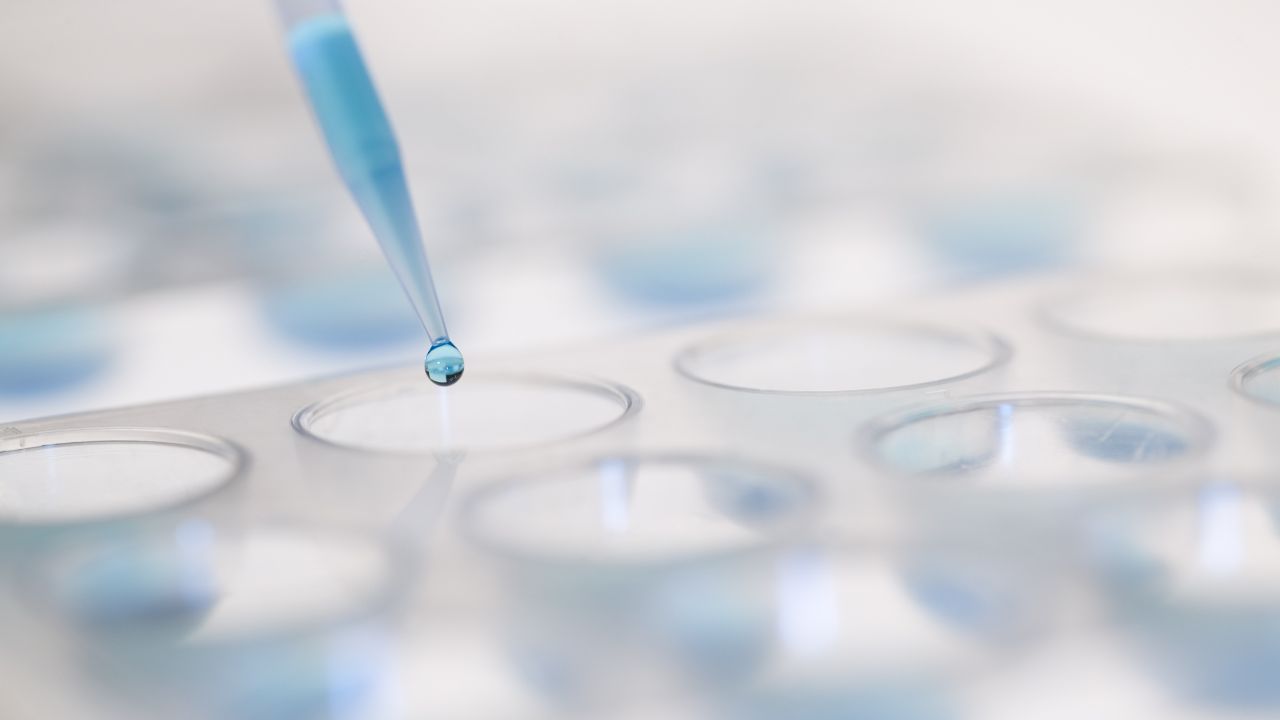
Regenerative medicine represents a fundamental shift in how chronic pain and degenerative conditions are treated. Instead of masking symptoms with medication or replacing damaged joints with artificial implants, these therapies activate your body’s innate repair systems to restore function naturally. Newport beach regenerative medicine specialists offer cutting-edge treatments that help you avoid surgery and return to activities you love.
The decision to pursue regenerative therapy requires careful evaluation of treatment options, recovery expectations, and specialist credentials. Understanding how stem cells, PRP, and exosomes differ in mechanisms and outcomes empowers informed choices. This guide provides comprehensive insights into what regenerative medicine accomplishes and how to identify the best regenerative specialist for your condition.
Key Takeaways
- Regenerative medicine harnesses the body’s natural healing mechanisms to repair damaged tissues without surgery
- Stem cell therapy recovery typically shows 30-50% pain reduction within 4-6 weeks and 70-90% improvement by six months
- Newport Beach offers premium regenerative specialists with advanced certifications and image-guided precision techniques
- The global regenerative medicine market is projected to reach $194.9 billion by 2032, expanding treatment availability
- Patient demographics span Baby Boomers seeking joint relief to Millennials pursuing preventive and sports injury solutions
What Is Regenerative Medicine and How Does It Work?
Regenerative medicine utilizes the body’s innate ability to heal and regenerate tissues through cellular therapies. These treatments deliver concentrated healing signals directly to damaged areas, triggering natural repair mechanisms that reduce inflammation and rebuild functional tissue. Understanding regenerative medicine begins with recognizing how different modalities work at the cellular level to restore mobility and eliminate pain.
What Are the Main Types of Regenerative Therapies?
Stem cells are living cells capable of differentiating and self-renewing to repair damaged tissues. PRP therapy leverages the patient’s own blood, concentrating platelets and growth factors that accelerate healing. Exosomes are non-living nanoparticles that carry proteins, lipids, and genetic material from stem cells to target cells. Tissue engineering involves the development of biological substitutes that restore, maintain, or improve tissue function through scaffold-based approaches.
How Do Stem Cells, PRP, and Exosomes Differ?
PRP contains a lower growth factor concentration than stem cells but offers faster preparation. Exosomes have better tissue penetration than whole stem cells because of their smaller size. Exosomes exhibit lower immunogenicity than whole stem cells, reducing rejection risk. Higher cost for stem cell therapy reflects the complex processing and culturing required for optimal cell viability. Longer processing times for stem cell therapy can delay treatment but may provide more comprehensive tissue repair.
What Conditions Can Regenerative Medicine Treat?
Musculoskeletal applications represent 32.86% of market share, addressing arthritis, tendon tears, and cartilage damage. Conditions treatable with stem cell therapy include degenerative disc disease, rotator cuff injuries, knee osteoarthritis, and chronic joint inflammation. These treatments help patients avoid surgery by rebuilding damaged cartilage and reducing inflammation at the source. Success rates range from 75-90% across various regenerative treatments, particularly for joint repair.
Who Seeks Regenerative Medicine Treatments and Why?
Patients seeking regenerative medicine typically want to avoid surgery and eliminate reliance on pain medications. Active individuals frustrated with temporary relief from steroid injections often turn to cellular therapies for long-term solutions. The decision to pursue regenerative treatment stems from understanding that traditional approaches only mask symptoms without addressing underlying tissue damage.
Which Patient Demographics Are Most Common?
Baby Boomers account for 35-40% of the patient population, primarily seeking relief from osteoarthritis and joint degeneration. Generation X comprises 40-45% of the market, often addressing sports injuries and early-stage arthritis. Millennials represent 15-20% but are the fastest-growing segment, pursuing preventive treatments and sports injury recovery. This demographic shift reflects growing awareness that cellular therapies offer alternatives to invasive procedures with minimal downtime.
What Factors Influence Patient Choices?
Treatment efficacy and documented success rates remain primary drivers for over 75% of patients. 23% of Gen X patients report difficulty paying for medical treatments, making cost a significant consideration. Recovery time influences decisions for professionals who cannot afford the extended surgical downtime of three to six months. Specialist credentials and reputation guide choices for 70% of patients evaluating regenerative options.
How Does Location Affect Access to Specialists?
Urban areas account for 70-75% of the patient base because of higher clinic density and faster adoption. Rural areas represent 25-30% of the market but face barriers, including limited availability and longer travel distances. Newport Beach’s concentration of premium regenerative specialists attracts patients throughout Southern California seeking advanced protocols. The regenerative medicine market expansion is bringing more clinics to suburban areas, improving access outside major metropolitan regions.
What Should Patients Expect During Stem Cell Therapy Recovery?
Recovery from stem cell therapy follows a predictable progression as cells integrate and begin tissue repair. Unlike traditional surgery requiring months of immobilization, most patients resume light activities within days. Understanding the recovery timeline helps set realistic expectations and ensures optimal adherence to post-treatment protocols that maximize healing outcomes.
What Happens in the First Weeks After Treatment?
Week 1 typically brings mild soreness, swelling, or redness at the injection site, similar to muscle ache. Rest the treated area for 24-48 hours while avoiding strenuous exercise to allow initial cell integration. Weeks 2-3: see swelling and injection-site soreness disappear as acute inflammation resolves naturally. Gentle physical therapy exercises may begin as functional capacity gradually increases.
Temporary flare-up or increased pain is common in the first week and indicates a beneficial inflammatory response. This controlled inflammation triggers cellular signaling necessary for the healing cascade. Patients can return to light daily activities immediately, but should listen to their body’s signals. Most report feeling normal by week three as pain levels stabilize and mobility improves.
How Does Functional Improvement Progress Over Months?
Weeks 4-6 bring a 30-50% reduction in pain as robust tissue regeneration occurs at the cellular level. A marked increase in range of motion and flexibility allows patients to resume moderate activities and reduce pain medication. Weeks 7-12 deliver 50-75% pain reduction as stem cells fully integrate into damaged tissue. Return to most normal activities, including recreational sports, becomes possible with minimal discomfort.
Clinical data indicates 87.5% of patients report sustained overall improvement by three months. Specific gains include 75% improvement in stamina, 51.4% increase in energy levels, and 44% enhancement in balance. These functional improvements demonstrate how cellular repair translates into real-world quality of life restoration. PRP recovery timelines typically show faster initial improvement but may require multiple injections for comparable long-term results.
When Are Long-Term Results Typically Achieved?
Months 4-6 see pain reduction reaches 70-90% as newly formed tissue matures and strengthens. Tissue regeneration plateaus during this phase, providing clear picture of treatment’s ultimate success. Months 7-12 deliver sustained pain relief of 75-90% with stable functional improvements allowing pre-injury activity levels. Results typically last 2-5 years or more, with some patients experiencing permanent symptom resolution.
The 80% success rate at six months demonstrates treatment durability across various joint and tissue repair applications. Long-term case studies document patients maintaining active lifestyles six years post-treatment without symptom recurrence. This durability makes regenerative medicine particularly attractive for younger patients seeking to delay or avoid joint replacement. Tissue regeneration completion during months 7-12 represents final stabilization of structural integrity improvements.
How Is the Regenerative Medicine Market Shaping Specialist Availability?
The global regenerative medicine market valued at $51.65 billion in 2025 is driving specialist expansion nationwide. Market projected to reach $194.9 billion by 2032 reflects growing patient acceptance and clinical validation. This explosive growth creates both opportunities and challenges for patients seeking qualified practitioners. Understanding market dynamics helps patients identify specialists who invest in cutting-edge technology versus those offering outdated protocols.
What Does the Competitive Landscape Look Like in Newport Beach?
Newport Beach has emerged as a premier hub for advanced regenerative medicine attracting highly credentialed specialists. The regenerative institute newport beach market segment includes premium clinics serving professional athletes and discerning patients seeking luxury care. Mid-range established clinics offer comprehensive services to local populations with evidence-based protocols backed by academic institutions. Specialized emerging clinics focus on cutting-edge exosome therapies and concierge medicine models.
Premium specialists like doctor z stem cells expert Dr. Khyber Zaffarkhan bring 15+ years of experience in physical medicine and rehabilitation. This concentration of expertise creates competitive environment where innovation and patient outcomes drive clinic differentiation. Patients benefit from access to on-site surgery centers, CLIA-certified laboratories, and image-guided precision techniques. The competitive landscape ensures continuous improvement in treatment protocols and patient care standards.
How Do Market Growth and Technology Impact Patient Care?
CAGR of 19.4% between 2023-2032 demonstrates accelerating adoption of regenerative therapies across medical disciplines. The U.S. market, valued at $23.42 billion in 2025, is projected to surpass $110.00 billion by 2035. This growth enables specialists to invest in advanced imaging equipment and laboratory capabilities that enhance treatment precision. Technology improvements translate to better outcomes through ultrasound-guided injections, delivering cells exactly where tissue damage exists.
Market expansion drives down costs as processing techniques become more efficient and standardized. Increased competition forces clinics to differentiate through superior outcomes rather than just marketing claims. Patients gain access to a broader range of treatment options from PRP to cutting-edge exosome therapies. The maturation of manufacturing standards ensures consistency in cell viability and potency across treatment sessions.
What Are the Emerging Trends in Regenerative Medicine?
Cell therapy constitutes 57% of the regenerative medicine market in 2025, maintaining dominance in clinical applications. The stem cell therapy market, valued at $18.7 billion in 2025, continues growing at 9.2% annually. The PRP market, valued at $962.46 million in 2025, is expanding at 14.98% CAGR through 2035. Exosome therapy market, valued at $58.12 billion in 2025, represents the fastest-growing segment at 18.11% CAGR.
Tissue engineering valued between $22.75-$29.63 billion in 2025 is advancing toward functional organ and tissue replacement. These trends indicate patient demand shifting toward non-cellular options like exosomes that offer lower immunogenicity and better tissue penetration. Precision medicine integration using genetic and biomarker data personalizes treatment selection for individual patient biology. 3D bioprinting and advanced scaffold technologies are moving closer to clinical reality for complex tissue reconstruction.
How Can Patients Evaluate Regenerative Medicine Specialists?
Evaluating specialists requires examining credentials, facility standards, and treatment protocols to ensure safe, effective care. Board certifications in relevant specialties like Physical Medicine and Rehabilitation indicate foundational expertise in musculoskeletal treatment. Triple board certification represents the highest level of credentialing, demonstrating mastery across multiple medical disciplines. Patients should verify specific regenerative training beyond general medical degrees to ensure dedicated expertise.
What Certifications and Training Matter Most?
Board certification in Physical Medicine and Rehabilitation, Pain Management, or Interventional Radiology provides an essential foundation. Fellowship training in orthopedic and interventional spine medicine demonstrates advanced procedural skills beyond residency. Certification from the American Board of Regenerative Medicine indicates dedicated training in cellular therapies. Research experience in stem cell science reflects a commitment to evidence-based protocols.
FAAPMR (Fellow) designation from the American Academy of Physical Medicine and Rehabilitation represents peer recognition of expertise. UCLA residency training or comparable prestigious programs ensure exposure to cutting-edge research during formative years. 15+ years of clinical experience treating regenerative medicine patients demonstrates a proven track record. Ongoing education in emerging therapies like exosomes shows commitment to staying current as the field evolves.
Why Is Image-Guided Injection Important?
Image-guided precision using fluoroscopy or ultrasound ensures orthobiologics reach damaged tissue rather than surrounding areas. Without imaging guidance, injections may miss the target site by several millimeters, drastically reducing effectiveness. Advanced imaging during treatment allows real-time visualization of needle placement for optimal cell delivery. This precision technology separates premium specialists from practitioners who rely solely on anatomical landmarks.
Ultrasound-guided procedures reduce patient discomfort and minimize the risk of complications by avoiding blood vessels and nerves. The difference between blind injection and image-guided technique can mean the difference between treatment success and failure. Specialists investing in this technology demonstrate commitment to maximizing patient outcomes. Choosing qualified specialists who use image guidance should be non-negotiable for patients pursuing cellular therapies.
What Facility Standards Should Patients Verify?
Accredited in-office surgery centers ensure sterile environments that meet stringent safety standards for biological material processing. CLIA-certified laboratories provide quality control for cell harvesting, concentration, and preparation protocols that affect treatment potency. State-of-the-art facilities with modern equipment indicate ongoing investment in patient care. Comprehensive consultation processes that review MRIs and medical history demonstrate personalized evaluation.
On-site surgical capabilities allow specialists to perform procedures in controlled environments without hospital delays. Clinic cleanliness and organization reflect attention to detail that extends to treatment protocols and patient safety. Patient review consistency across multiple platforms indicates genuine satisfaction rather than curated testimonials. Facility location in medical complexes versus standalone offices can indicate integration with broader healthcare resources.
What Are Notable Success Stories and Outcomes from Newport Beach Clinics?
Real patient outcomes provide compelling evidence of regenerative medicine’s ability to restore function and eliminate chronic pain. These cases demonstrate how cellular therapies help patients avoid invasive surgery and return to active lifestyles. Success stories from Newport Beach clinics highlight the durability of results and effectiveness for complex conditions. Understanding actual patient experiences helps set realistic expectations about what regenerative medicine can achieve.
How Have Patients Avoided Surgery Through Therapy?
Michael Spanos II avoided knee replacement after stem cell procedure following complete knee tear from college football. Patient with maximally damaged ankle avoided further surgery despite swelling to twice normal size from previous complications. Stem cell therapy recovery of 2-6 weeks versus traditional surgery requiring 3-6 months represents substantial quality of life difference. These cases demonstrate how regenerative approaches can rescue patients from surgical pathways that carry significant risks.
Patients trending toward total joint replacement successfully restored function through targeted cellular therapies addressing root tissue damage. The ability to avoid complex surgical interventions while achieving comparable or superior functional outcomes validates regenerative medicine’s role. Recovery time differences allow patients to return to work and activities months faster than traditional surgical timelines. Success in avoiding surgery proves particularly valuable for patients with medical conditions that increase surgical complication risk.
What Evidence Supports Long-Term Treatment Durability?
Patient maintained active skiing lifestyle six years after stem cell therapy, demonstrating exceptional long-term durability. 90% satisfaction rate among knee-pain patients within six months validates both immediate and sustained treatment effectiveness. Success rates range from 75-90% for various regenerative treatments across different joint and tissue applications. 80% success rate for joint repair and cartilage repair (MACI) at six months indicates consistent, reproducible outcomes.
Six-year follow-up data showing patients skiing 100+ days annually proves regenerative medicine creates lasting structural improvements. These long-term results challenge the misconception that cellular therapies provide only temporary symptom relief. Durability of 2-5 years or more means many patients never require revision procedures or progress to surgery. The stability of functional improvements over years indicates genuine tissue regeneration rather than temporary inflammatory suppression.
How Are Complex or Chronic Cases Managed?
Patient with eight-year degenerative disc disease experienced pain reduction, demonstrating effectiveness for long-standing chronic conditions. Complex cases involving previous surgical failures and severe bone damage respond to regenerative approaches when conventional options are exhausted. Personalized treatment plans for chronic conditions often combine multiple modalities like stem cells with PRP for synergistic effects. Specialists experienced in complex cases adjust cell dosing and injection techniques based on individual pathology.
Chronic condition management requires patience as tissue that degenerated over years needs time to regenerate meaningfully. Realistic expectations set during comprehensive consultations help patients understand that complex cases may require staged treatments. Life care planning for chronic degenerative conditions can incorporate regenerative medicine as part of long-term management strategy. Success with complex cases reflects specialist expertise in patient selection and treatment customization.
How Does Regenerative Medicine Integration Transform Patient Care in Newport Beach?
Newport Beach’s concentration of premier regenerative specialists creates an ecosystem of innovation and patient-centered care. The Goswami Clinic, led by Dr. Gaurav Goswami, offers triple board-certified expertise in Surgery, Interventional Radiology, and Regenerative Medicine. Orange County Regenerative Medicine, directed by Dr. Khyber Zaffarkhan, provides bench-to-bedside biomedical approaches with on-site surgical capabilities. Newport Regenerative Medicine, directed by Dr. Sonny Rubin, delivers comprehensive modalities including bone marrow therapies, PRP, and prolotherapy.
UCI School of Medicine Regenerative Services brings academic credibility and evidence-based protocols backed by university research. OC Concierge Doctor, specializing in exosome therapies, represents the emerging segment focused on cutting-edge cellular treatments. This diversity ensures patients can find specialists matching their specific needs, whether seeking established stem cell protocols or innovative exosome applications. The competitive environment drives continuous improvement in treatment outcomes and patient experience.
Newport Beach regenerative medicine specialists share a commitment to image-guided precision and personalized treatment planning that maximizes success rates. Access to CLIA-certified laboratories and accredited surgery centers ensures treatments meet the highest safety and efficacy standards. The concentration of expertise in one geographic area creates opportunities for collaboration and knowledge sharing that benefit patients. This integration of technology, research, and clinical excellence positions Newport Beach as a leading destination for regenerative medicine.
Regenerative medicine offers transformative potential for patients frustrated with temporary relief from traditional treatments and seeking to avoid surgery. The evidence supporting cellular therapies continues growing as market expansion drives innovation in treatment protocols and manufacturing standards. Newport Beach patients benefit from access to highly credentialed specialists who combine decades of experience with cutting-edge technology. The Regenerative Institute of Newport Beach, under Dr. Zaffarkhan’s leadership, exemplifies this commitment to evidence-based, personalized regenerative care.
Ready to Find Out If Regenerative Medicine Can Work for You?
The right specialist examines your specific condition, reviews your imaging, and builds a treatment plan around proven cellular therapies instead of generic protocols. At Integrated Spine, Pain, and Wellness, Dr. Khyber Zaffarkhan, DO, FAAPMR brings more than 15 years of experience in physical medicine and regenerative care, delivering stem cell, PRP, and exosome therapies through image-guided precision that targets the source of your pain. Schedule a consultation with our Newport Beach team to find out whether cellular therapy is the right path for your joint pain, sports injury, or chronic condition.

