
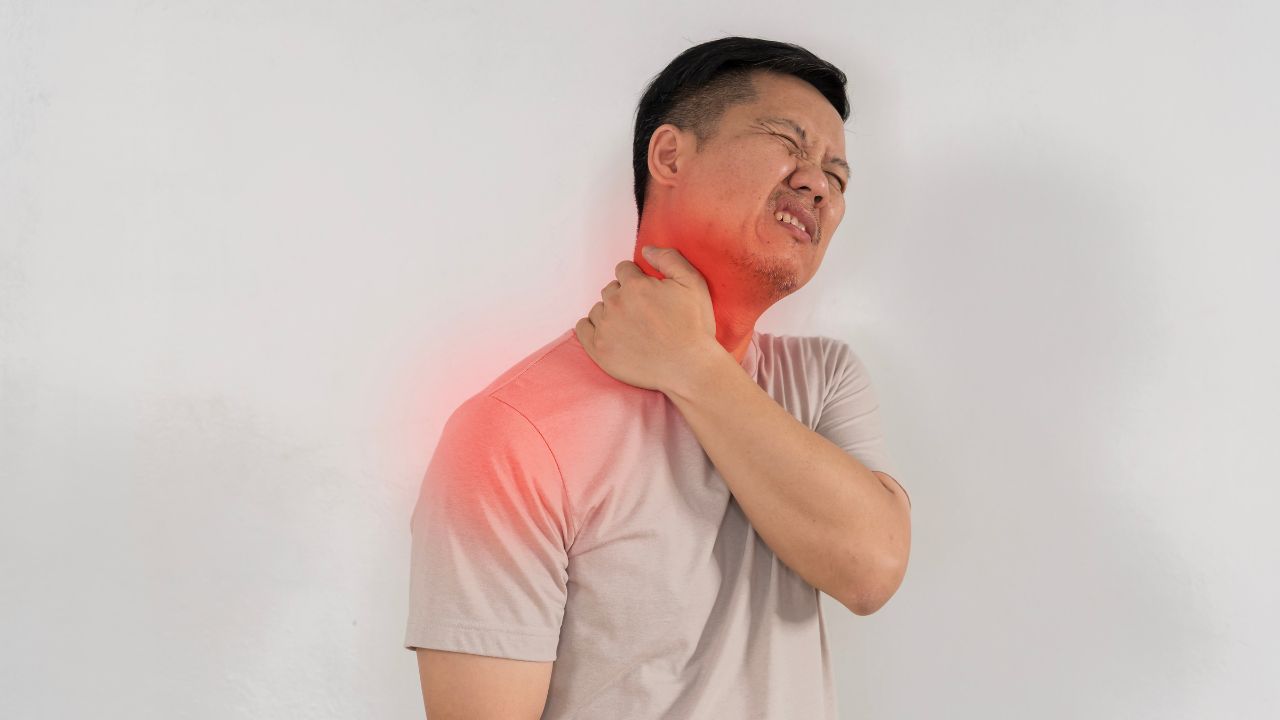
Chronic pain creates a paradox that challenges millions worldwide. Movement often triggers discomfort, yet strategic exercise for chronic pain management offers proven pathways to lasting relief without pharmaceutical dependence or surgical intervention. Understanding how to balance therapeutic movement with evidence-based interventions transforms pain management from symptom suppression into functional restoration.
Scientific consensus increasingly supports integrating physical activity into comprehensive pain care strategies. Research demonstrates that carefully designed pain management workout plan protocols deliver comparable long-term results, whether exercises initially cause discomfort or remain completely pain-free. This evidence empowers informed decisions about therapeutic exercise intensity and progression.
Key Takeaways
- Chronic pain significantly limits daily activities for 51.6 million U.S. adults, with prevalence increasing with age from 12.3% in young adults to 36% in seniors
- Physical therapy achieves 68-72% success rates, with Pilates and McKenzie therapy showing superior effectiveness for chronic low back pain
- Workplace ergonomic interventions combining technical modifications with behavioral changes reduce pain more effectively than equipment alone
- Mental health approaches like cognitive-behavioral therapy produce measurable brain changes that reduce pain perception through distinct neural pathways
- Patient priorities rank serious side effect risks (95%) and treatment effectiveness (88%) higher than cost or convenience factors
What Is Chronic Pain and How Does Exercise Fit Into Its Management?
Chronic pain is defined as discomfort persisting beyond normal healing timeframes that significantly restricts daily activities. High-impact chronic pain specifically describes conditions that severely limit life or work functions, affecting 17.1 million U.S. adults (6.9%) in 2021. Approximately 51.6 million adults (20.9%) experienced some form of chronic pain during this period.
The global burden extends beyond individual suffering to systemic healthcare challenges and economic costs. Chronic pain stands as a primary cause of years lived with disability worldwide, surpassing cardiovascular disease and cancer in functional impairment.
Defining Chronic Pain and Its Impact on Daily Life
Chronic pain fundamentally alters how individuals navigate professional responsibilities, personal relationships, and recreational pursuits. The condition transcends simple discomfort by creating cascading limitations in mobility, sleep quality, mental health, and social engagement.
Statistical analysis reveals stark differences between general chronic pain and high-impact variants. While 20.9% of U.S. adults report chronic pain, the 6.9% experiencing high-impact symptoms face dramatically worse outcomes requiring more intensive interventions.
The Role of Exercise in Conservative Pain Management
Physical therapy for pain represents a cornerstone of non-surgical treatment protocols with documented long-term effectiveness. Surprising research demonstrates that painful exercises produce similar pain intensity reductions as nonpainful exercises over extended timeframes. This finding challenges traditional avoidance strategies and supports gradual exposure approaches under professional supervision.
Addressing chronic pain without the use of surgery increasingly emphasizes movement-based therapies that restore function rather than solely reducing symptoms. Evidence-based protocols combine strength training, resistance training, flexibility exercises, and aerobic activity matched to individual tolerance levels. Progressive loading patterns help nervous systems recalibrate pain responses while rebuilding muscular support around compromised joints. Mobility exercises further ease joint pressure and support a fuller range of motion around affected joints.
Comparing Exercise With Other Treatment Modalities
Exercise interventions occupy a unique position by addressing root mechanical dysfunctions. Unlike pharmaceutical approaches that primarily modulate pain signaling, therapeutic movement improves blood flow, rebuilds tissue resilience, and corrects biomechanical imbalances. This fundamental difference explains why exercise benefits often persist beyond active treatment periods.
Comparative effectiveness research positions structured exercise programs alongside cognitive-behavioral therapy as first-line conservative interventions. Both avoid medication side effects while producing measurable improvements in function and pain perception. Consistent movement can also raise pain thresholds over time, helping the nervous system tolerate daily activity with less discomfort.
How Do Demographics Influence Chronic Pain and Exercise Adoption?
Age represents the strongest predictor of chronic pain prevalence and treatment preferences. Adults aged 18-29 experience chronic pain at a prevalence of just 12.3%, while those aged 60-64 face rates of 32.0%. The percentage continues climbing to 36.0% among adults 65 and older, reflecting cumulative tissue degeneration and injury history.
Generational differences extend beyond prevalence into treatment selection patterns. Baby Boomers demonstrate two times greater likelihood of using opioids compared to Millennials for pain management. Meanwhile, 52% of Millennials with chronic conditions report concurrent mental health diagnoses, suggesting younger cohorts embrace integrated care models.
Age-Related Prevalence and Treatment Preferences
Chronic pain prevalence nearly triples between young adulthood and retirement age. The 12.3% prevalence among 18- 29-year-olds often stems from acute injuries or occupational strain. Conversely, the 36.0% prevalence in seniors typically involves degenerative conditions requiring different intervention strategies.
High-impact chronic pain shows similar age-related escalation from 3.0% in young adults to 13.5% in seniors. This progression emphasizes prevention’s importance during middle age, when intervention can potentially slow disability trajectories.
| Age Group | Chronic Pain Prevalence | High-Impact Chronic Pain |
| 18-29 years | 12.3% | 3.0% |
| 60-64 years | 32.0% | Not reported |
| 65 years and older | 36.0% | 13.5% |
Table 1: Chronic pain prevalence and high-impact chronic pain both climb with age.
Geographic Disparities in Chronic Pain Management
Location significantly impacts both pain prevalence and access to quality treatment resources. Large central metropolitan areas report 20.5% chronic pain prevalence, substantially lower than suburban (26.0%) and rural (31.4%) communities. These disparities reflect differences in occupational hazards, healthcare access, and socioeconomic factors.
Rural residents face 36% higher adjusted odds of chronic pain compared to their urban counterparts. Suburban residents experience even worse outcomes, with 51% elevated odds, potentially due to longer commutes and limited walkability.
Socioeconomic Factors Affecting Access and Adherence
Income level creates dramatic disparities in chronic pain burden and treatment accessibility. Adults with incomes below the federal poverty level suffer chronic pain at four times the rate of higher-income groups. This inequality stems from occupational hazards, limited healthcare access, nutritional deficiencies, and reduced ability for preventive care.
Financial constraints force low-income individuals toward emergency interventions rather than preventive physical therapy or ergonomic workplace modifications. Insurance coverage gaps further restrict access to specialized pain management programs and mental health services.
What Types of Exercise Programs Are Effective for Chronic Pain Relief?
Physical therapy approaches demonstrate consistent success rates between 68% and 72% across diverse patient populations. A value-based care model study revealed 81% completion rates with 69% of members achieving pain-free status at discharge. These outcomes translate into 50% reductions in avoidable musculoskeletal surgeries.
The U.S. physical therapy services market reached USD 50.23 billion in 2024, reflecting growing recognition of conservative care’s value. Understanding if physical therapy is right for you requires evaluating personal goals, time availability, and commitment to active participation.
Physical Therapy Approaches and Their Success Rates
Physical therapists combine manual techniques, resistance exercise, and patient education to restore function. Success rates averaging 68-72% represent meaningful pain reduction and functional improvement rather than complete symptom elimination.
High completion rates of 81% in value-based models demonstrate that proper program design enhances patient adherence. Low-impact exercise benefits accumulate over weeks and months rather than providing immediate relief. The 50% reduction in avoidable surgeries represents substantial healthcare cost savings alongside improved patient outcomes.
Specialized Exercise Modalities Like Pilates and McKenzie Therapy
Network meta-analysis reveals that specific therapeutic exercise types outperform general fitness programs for chronic low back pain. Pilates, McKenzie therapy, and functional restoration demonstrate superior effectiveness in reducing pain intensity and functional limitations. These specialized modalities target specific biomechanical dysfunctions rather than providing generic strengthening or flexibility work.
Pilates emphasizes core stability and controlled movement patterns that protect the spine during daily activities. McKenzie therapy focuses on directional preference movements that centralize radiating pain and restore normal disc mechanics.
Challenges and Patient Adherence Considerations
Physical therapy requires high patient adherence to structured programs demanding significant time investments. Multiple weekly sessions over several months create scheduling challenges for working professionals and caregivers.
Home exercise program compliance represents the primary predictor of long-term success beyond supervised clinical sessions. Muscle strengthening pain relief develops progressively as tissues adapt to increased loading demands over weeks. Consulting a healthcare professional before adjusting the exercise approach helps patients build strength safely and avoid setbacks.
How Can Workplace Ergonomics Complement Exercise in Pain Prevention?
Ergonomic interventions combining technical workstation modifications with practical behavioral education produce the most effective workplace pain reduction. Sit-stand workstations and high-quality ergonomic chairs represent primary equipment solutions for office-based workers. However, equipment alone provides limited benefit without accompanying postural awareness and movement habit modifications.
Managing pain while working from home requires intentional workspace design since home environments typically lack professional ergonomic assessments. Proactive ergonomic setup prevents pain development rather than attempting correction after symptoms emerge.
Key Ergonomic Interventions for Chronic Back and Neck Pain
Technical modifications address workstation geometry through adjustable chairs, monitor positioning, and keyboard placement optimizations. Ergonomic chairs feature adjustable lumbar support, seat depth controls, and dynamic recline mechanisms that maintain spinal curves.
Practical education components teach workers to recognize early warning signs and implement corrective micro-breaks throughout workdays. Sit-stand workstations enable position changes that prevent static loading on spinal discs and surrounding musculature.
Effectiveness of Sit-Stand Desks and Adjustable Chairs
Research demonstrates that sit-stand workstations significantly reduce both current and worst low-back pain in symptomatic office workers. Alternating between sitting and standing positions prevents tissue creep from prolonged static loading patterns.
High-quality ergonomic chairs provide adjustable features that adapt to diverse body types and work tasks. Investment in premium seating ($1,500-$2,500+ for complete bundles) represents cost-effective prevention compared to treatment expenses.
Behavioral Changes to Maximize Ergonomic Benefits
Ergonomic chairs must be paired with proper behavioral habits, including regular movement breaks and posture corrections. Static sitting in even perfectly adjusted chairs still creates cumulative tissue stress over eight-hour workdays.
Ergonomic solutions require behavioral changes to utilize equipment features properly and consistently. Many workers invest in adjustable desks but rarely change positions due to workflow interruption concerns.
What Mental Health Strategies Support Exercise in Chronic Pain Care?
Cognitive-behavioral therapy (CBT) focuses on changing unhelpful thought patterns that amplify pain perception and limit function. Brain imaging studies confirm that mental health interventions produce measurable neurological changes rather than simple placebo effects. These approaches prove particularly valuable for the 59% of Gen Z with chronic conditions reporting mental health diagnoses.
Exploring mental health strategies for injury recovery reveals psychological interventions’ critical role in comprehensive pain management. Mental health support addresses catastrophizing thoughts, fear-avoidance behaviors, and depression that commonly accompany chronic pain.
Cognitive-Behavioral Therapy and Pain Perception
CBT interventions produce small to moderate improvements in functioning and mood for individuals with chronic pain conditions. Therapists help patients identify maladaptive thought patterns like catastrophizing that intensify suffering beyond physical tissue damage.
The high prevalence of mental health diagnoses among younger chronic pain patients (59% Gen Z, 52% Millennials) emphasizes the need for integrated care. Traditional pain management focusing solely on physical interventions often fails when psychological factors maintain symptom severity.
Mindfulness and Acceptance-Based Approaches
Acceptance and Commitment Therapy (ACT) focuses on psychological flexibility rather than pain elimination as the primary goal. Mindfulness-based stress reduction (MBSR) develops present-moment awareness skills that reduce pain-related suffering independent of intensity changes.
Understanding how chronic pain affects mental health helps patients recognize bidirectional relationships between psychological and physical symptoms. Mindfulness practices teach observation of pain sensations without reactive emotional amplification or avoidance behaviors.
Addressing Stigma and Access Barriers
Mental health interventions face access barriers including limited insurance coverage, provider shortages, and persistent cultural stigma. Many chronic pain patients resist psychological referrals due to concerns about pain being dismissed as imaginary.
Mental health interventions require active participation rather than passive treatment receipt, typical of medication approaches. Results develop gradually over weeks rather than providing immediate symptom relief.
How Do Patient Preferences Shape Exercise and Overall Pain Management?
Consumer priorities reveal that 95% rank serious side effect risks as their primary treatment selection concern. Effectiveness follows at 88%, then cost/affordability at 82%, accessibility at 78%, and convenience at 72%. These rankings demonstrate that patients prioritize safety and outcomes over financial or logistical convenience factors.
Choosing the right pain treatment requires balancing multiple competing factors through informed decision frameworks. Discrete choice experiments measure how patients weigh various treatment attributes when making actual clinical decisions.
Factors Influencing Treatment Decisions and Priorities
Stroke risk, heart attack risk, and physical dependence potential represent the most significant side effect deterrents. These serious complications outweigh minor inconveniences in patient decision calculus. Effectiveness ranks second at 88%, indicating patients accept some risk for treatments demonstrating superior pain reduction.
Cost and affordability considerations affect 82% of consumers despite ranking below safety and effectiveness concerns. Accessibility (78%) and convenience (72%) represent important but secondary factors.
| Treatment Selection Factor | Share of Patients Ranking It a Priority |
| Serious side effect risk | 95% |
| Treatment effectiveness | 88% |
| Cost and affordability | 82% |
| Accessibility | 78% |
| Convenience | 72% |
Table 2: Patients weigh safety and effectiveness above cost and convenience when choosing a treatment.
Shared Decision-Making Between Patients and Providers
Shared decision-making frameworks involve patients and healthcare providers collaborating to achieve optimal outcomes. Research indicates chronic pain patients do not appear entirely autonomous in decision-making due to symptom burden. Active involvement in medical decision-making reduces chances of experiencing frequent pain compared to passive recipient approaches.
Provider expertise combined with patient values and preferences creates treatment plans balancing clinical evidence with personal priorities. Discrete choice experiments reveal preferences like favoring temporary peripheral nerve stimulation over radiofrequency ablation or permanent spinal cord stimulation.
Balancing Risks, Effectiveness, and Convenience
Patients demonstrate clear preferences for reversible interventions that preserve future treatment options without permanent alterations. Temporary peripheral nerve stimulation receives higher preference ratings than permanent spinal cord stimulation despite potentially greater effectiveness.
Risk-benefit calculations vary across demographic groups with younger patients typically accepting less risk than seniors. Physical dependence concerns from opioids increasingly drive patients toward exercise-based and psychological interventions despite slower onset. Understanding benefits of non-surgical chronic pain treatment helps patients evaluate conservative options before pursuing invasive procedures.
What Are the Financial Considerations in Balancing Exercise With Other Pain Treatments?
Physical therapy costs range from $20-$55 per session with insurance copays to $75-$150 out-of-pocket for standard care. Specialized urban practices charge $150-$250+ per session for advanced techniques. These recurring expenses accumulate over typical 8-12 week treatment protocols requiring multiple weekly visits.
Ergonomic solutions involve high upfront costs ranging from $200-$400 for basic chairs to $1,500-$2,500+ for premium bundles. Basic ergonomic chairs ($200-$400) provide essential lumbar support, while adjustable standing desks ($400-$800) enable position variety.
Cost Tiers for Physical Therapy and Ergonomic Solutions
Insurance coverage dramatically affects physical therapy accessibility with copays often representing one-quarter of actual treatment costs. Out-of-pocket patients face $75-$150 per session, making 24-session protocols cost $1,800-$3,600 total.
Ergonomic solutions require substantial upfront capital but provide continuous benefits without recurring expenses. Basic ergonomic chairs ($200-$400) offer entry-level postural support for budget-conscious workers. Premium bundles ($1,500-$2,500+) combining motorized sit-stand desks with high-end chairs represent optimal prevention investments.
| Treatment or Solution | Typical Cost Range |
| Physical therapy (insurance copay) | $20-$55 per session |
| Physical therapy (out-of-pocket) | $75-$150 per session |
| Specialized urban PT practice | $150-$250+ per session |
| Basic ergonomic chair | $200-$400 |
| Premium ergonomic bundle (desk and chair) | $1,500-$2,500+ |
| Teletherapy (CBT) | $30-$80 per session |
| In-person CBT | $75-$150 per session |
| OTC NSAIDs | $5-$20 monthly |
| Standard prescription medication | $20-$100 monthly |
Table 3: Ergonomic solutions carry higher upfront costs but no recurring per-session fees, unlike physical therapy or medication.
Price Versus Satisfaction in Pain Relief Devices
TENS units and cold/heat therapy packs achieved median customer satisfaction ratings of 4.5/5.0 across online reviews. Hand/arm massagers received substantially lower median satisfaction ratings of 3.2/5.0 despite higher median prices. Neck stretchers with median prices of $29.99 often outperform expensive hand/arm massagers at a median of $249.50.
Research demonstrates that price is not a significant predictor of customer satisfaction for pain-relief devices. Low-impact exercises for joint pain often provide superior long-term value compared to expensive equipment with disappointing effectiveness.
Economic Impact of Mental Health and Pharmaceutical Options
Teletherapy services range from $ 30 to $ 80 per session, offering affordable access compared to standard in-person CBT ($75-$150). Specialized pain psychology requiring advanced training commands $150-$300+ per session. Mental health intervention costs accumulate similarly to physical therapy over multi-month treatment courses.
Pharmaceutical options span from $5-$20 monthly for OTC NSAIDs to $200-$500+ for novel non-opioid prescriptions. Standard prescription medications fall in the $20-$100 monthly range. The global chronic pain management market, valued at USD 83.02 billion in 2026, is projected to grow to USD 136.84 billion by 2033.
Balancing Exercise With Other Interventions for Effective Chronic Pain Management
Comprehensive chronic pain management requires integrating multiple evidence-based modalities rather than relying on single interventions. Exercise provides foundational benefits by addressing biomechanical dysfunctions while avoiding medication side effects and surgery risks. Combining therapeutic movement with ergonomic modifications, psychological support, and selective pharmaceutical use creates synergistic outcomes exceeding any individual approach.
Patient preferences, demographic factors, and financial constraints shape individualized treatment plans balancing effectiveness with practical feasibility. The 95% of consumers prioritizing serious side effect avoidance drives increasing adoption of conservative therapies. Evidence supporting exercise’s 68-72% success rates positions physical activity as a cornerstone intervention for most chronic pain conditions.
Ready to Move Without Pain?
Chronic pain does not have to control your daily life. The right exercise approach, guided by a healthcare professional, works alongside advanced, non-surgical treatments to restore movement and reduce joint pressure for the long term. Call (949) 438-1888 or contact us online to schedule a consultation. To live better, contact the Regenerative Institute of Newport Beach today!
Frequently Asked Questions
Q1. How does exercise help manage chronic pain without medication?
A. Exercise addresses the biomechanical and neurological drivers of chronic pain rather than masking symptoms the way pharmaceuticals do. Progressive movement improves blood flow, rebuilds tissue resilience, and helps the nervous system recalibrate its pain response over time. Physical therapy protocols built around structured exercise achieve success rates of 68 to 72 percent across diverse patient populations. For many patients, this makes exercise-based care a practical first step before considering medication or surgery.
Q2. Is it safe to exercise when movement already causes pain?
A. Research shows that exercises causing initial discomfort produce pain reduction results comparable to pain-free alternatives over the long term, which supports gradual, supervised exposure rather than avoidance. Working with a healthcare professional helps determine safe starting intensity and appropriate progression for a specific condition. Sudden increases in load or intensity without guidance raise the risk of setbacks, so a structured plan matters more than pushing through pain alone. Patients with high-impact chronic pain or complex conditions should always start under professional supervision.
Q3. Which exercise approaches are recommended for chronic low back pain?
A. Network meta-analysis research identifies Pilates, McKenzie therapy, and functional restoration as more effective than general fitness programs for reducing chronic low back pain intensity and functional limitation. Pilates builds core stability and controlled movement patterns that protect the spine during daily activity, while McKenzie therapy uses directional preference movements to centralize radiating pain. These specialized modalities target specific biomechanical dysfunctions instead of offering generic strengthening or stretching. A physical therapist can determine which modality fits a specific diagnosis and movement pattern.
Q4. How long does it take to see results from an exercise-based pain management program?
A. Home exercise compliance is the strongest predictor of long-term success, and measurable improvement typically builds over weeks and months rather than appearing immediately. Value-based physical therapy programs report 81 percent completion rates, with 69 percent of participants reaching pain-free status by discharge. Standard physical therapy protocols run 8 to 12 weeks with multiple weekly sessions, though timelines vary based on condition severity and consistency with the home program. Patients who stay engaged with their prescribed routine tend to see the most reliable, lasting outcomes.
Q5. Should exercise be combined with other treatments like PRP or stem cell therapy?
A. Yes, in many cases. Comprehensive chronic pain management tends to work most effectively when exercise-based rehabilitation is paired with targeted regenerative treatments that address the underlying tissue damage driving the pain. Combining therapeutic movement with options such as PRP injections or stem cell therapy can support tissue repair while exercise restores strength, mobility, and function around the treated area. A personalized care plan built around a specific diagnosis and goals produces better outcomes than relying on a single intervention. Schedule a consultation to discuss which combination of therapies fits a specific condition.

