
Key Takeaways
- Chronic pain can make holiday cooking physically demanding and emotionally stressful, but with proper planning and adaptive tools, it can become manageable.
- Delegating tasks, utilizing adaptive kitchen tools, and simplifying recipes can significantly reduce strain during meal preparation.
- Pain management techniques such as heat therapy, ergonomics, and frequent breaks help prevent flare-ups while cooking.
- Modifying traditional recipes and involving family in meal preparation ensures a more enjoyable and less exhausting holiday.
- Cooking during the holidays offers emotional and mental benefits, fostering a sense of independence and contributing to a positive holiday experience.
Cooking holiday meals can be one of the most fulfilling experiences of the season, but for those living with chronic pain, it often feels like an insurmountable challenge. The combination of physical exertion, emotional stress, and sensory overload can make even the simplest tasks overwhelming. However, by incorporating practical strategies, adaptive tools, and effective pain management techniques, it’s entirely possible to enjoy preparing holiday meals without putting your health at risk. This article will guide you through the challenges, offer valuable tips, and show you how to make your kitchen work for you, allowing you to celebrate the season without the added burden of pain.
What Are the Challenges of Cooking Holiday Meals with Chronic Pain?
Cooking with chronic pain presents unique obstacles during the holiday season. Understanding these challenges is the first step toward developing effective strategies for pain management cooking.
How Can Chronic Pain Impact Cooking and Meal Preparation?
Chronic pain significantly limits kitchen capabilities. Preparing a holiday meal is physically demanding—it requires hours of standing, chopping, and lifting. For those living with persistent pain, these demands become barriers to participating in celebrations they once enjoyed.
The stress-pain connection makes things worse. Stress increases pain, and pain increases stress. This creates a feedback loop that’s hard to break, especially during high-pressure cooking situations.
Why Are Holiday Meals Particularly Difficult for Those with Chronic Pain?
Holiday meals’ chronic pain challenges extend beyond physical strain. Research shows 64% of people with chronic conditions experience worsened symptoms during the holidays.
Physical factors compound the difficulty: disrupted sleep schedules, dietary changes from increased sugar and alcohol, reduced physical activity, travel demands, and cold weather effects on joints and muscles. Emotional stressors add another layer—planning pressure, financial strain from gift-giving, complex family dynamics, social expectations, and feelings of loneliness or guilt all contribute to heightened pain responses.
What Are Common Types of Chronic Pain That Affect Cooking?
Several conditions make kitchen work particularly challenging. Chronic migraine—defined as headaches occurring 15 or more days per month—can make the bright lights, strong smells, and noise of a busy kitchen unbearable. Arthritis affects grip strength and joint mobility needed for chopping and stirring. Back pain makes standing at counters difficult. Fibromyalgia causes widespread pain that intensifies with physical activity.
When stress becomes chronic, the body releases sustained levels of cortisol. This increases inflammation throughout the body—a key contributor to many pain conditions. Understanding your specific triggers helps you develop targeted chronic pain cooking tips for the holidays.
What Are Some Strategies for Cooking Holiday Meals While Managing Chronic Pain?
Smart strategies transform overwhelming holiday cooking into manageable tasks. These chronic pain cooking tips focus on working smarter, not harder.
How Can Planning and Preparation Ease the Cooking Process?
Advance planning is your strongest tool. Break down the cooking process over several days—chop vegetables on Monday, prepare marinades on Tuesday, assemble casseroles on Wednesday. This approach prevents the exhaustion of doing everything on the main day.
A pain-friendly kitchen prioritizes efficiency and minimizes physical strain. Combine specialized tools with smart planning to create a workspace that works with your body, not against it.
What Are Adaptive Tools and Equipment That Can Help?
The right equipment reduces strain significantly. Invest in tools with large, non-slip handles—ergonomic knives, peelers, and jar openers make gripping easier and require less force.
Electric appliances eliminate repetitive motions that trigger flare-ups. Food processors handle chopping. Stand mixers take over stirring. Electric can openers remove the twisting motion that aggravates wrist and hand pain. These investments pay off every time you cook.
How Can You Simplify Recipes for Ease of Cooking?
Simplification isn’t cutting corners—it’s self-preservation. Purchase pre-cut vegetables and pre-made items like pie crusts to reduce your workload. Holiday recipes for pain relief focus on flavor, not complexity. Nobody notices whether you hand-rolled the dough.
What Role Does Time Management Play in Reducing Strain?
Time management directly impacts pain levels. Meal prep in stages distributes physical demands across multiple days rather than concentrating them into one exhausting marathon. Schedule your most demanding tasks for times when your pain is typically lowest.
How Can You Get Help and Delegate Tasks to Others?
Delegation preserves your energy for what matters most. Assign dishes to guests for a potluck-style meal—most people genuinely want to contribute. Ask family members to handle specific tasks like peeling potatoes or washing dishes. Accepting help isn’t a weakness. It’s strategic pain management cooking that allows you to enjoy the celebration alongside everyone else.
How Can You Manage Pain While Cooking During the Holidays?
Active pain management during cooking prevents flare-ups before they start. These techniques keep you comfortable throughout meal preparation.
What Are Effective Pain Management Techniques Before and During Cooking?
Treat pain proactively, not reactively. Heat and cold therapy offer immediate relief—heating pads warm stiff joints before you begin, portable heated blankets soothe aching muscles during breaks, heated slippers keep feet comfortable, and cooling ice masks calm inflammation.
Pain-relieving devices provide targeted support. TENS units deliver electrical stimulation that interrupts pain signals. Handheld massagers and massage guns loosen tight muscles between tasks. Acupressure mats offer relief during rest periods. Keep these tools accessible in your kitchen.
How Can You Use Ergonomic Practices to Reduce Pain?
Ergonomics dramatically reduces cooking strain. Use a tall stool to sit while chopping or mixing—standing isn’t required for every task. Place cushioned anti-fatigue mats in front of the sink and stove to reduce pressure on your back and legs.
Footwear matters more than most realize. Supportive shoes with good arch support protect your feet, knees, and lower back during extended kitchen time. Save the festive slippers for after dinner.
How Can Frequent Breaks and Rest Periods Help?
Scheduled breaks prevent pain escalation. Set a timer for every 20-30 minutes as a reminder to stop, stretch, and assess your body. Brief pauses feel counterproductive but actually increase overall efficiency.
Maintaining routines matters during the holiday rush. A proactive approach to rest mitigates the impact of increased activity on your physical and emotional well-being. Don’t abandon your normal rest schedule for holiday cooking.
What Are Some Mindfulness Techniques for Managing Pain While Cooking?
Mindfulness reduces stress-related pain amplification. Practice present-moment awareness while cooking—focus on the task at hand rather than the lengthy to-do list. Set realistic expectations about what you can accomplish.
Create a calming kitchen environment. Aromatherapy diffusers with lavender or eucalyptus essential oils promote relaxation while you work. After cooking, Epsom salt baths soothe tired muscles. Meditation apps offer guided sessions during rest breaks. These practices support pain management cooking throughout the season.
How Can You Modify Holiday Traditions to Fit Your Needs?
Traditions should bring joy, not pain. Modifying how you celebrate preserves the spirit of holidays while protecting your health.
How Can You Adapt Traditional Recipes for Simpler Preparation?
Adaptation keeps beloved dishes on the table. Use convenience items and pre-made components to reduce the physical demands of complex recipes. Grandma’s stuffing tastes just as good with store-bought bread cubes. Pumpkin pie fills the house with the same aroma whether you made the crust or bought it.
Focus your energy on the elements that matter most to you. If homemade gravy is non-negotiable, simplify everything else. Holiday recipes for pain relief honor tradition while respecting your body’s limits.
What Are Some Low-Stress Holiday Meal Alternatives?
Sometimes the best solution is stepping back entirely. Gift cards for meal delivery services and grocery delivery provide invaluable options on difficult pain days. A catered holiday meal still brings family together around the table.
Consider a “coupon book” approach with family members. They contribute acts of service—running errands, helping with chores, handling specific cooking tasks. This distributes the workload while making everyone feel involved in creating the celebration.
How Can You Involve Family and Friends in the Meal Preparation?
Shared cooking creates shared memories. Delegate dishes to guests for a potluck-style approach that dramatically reduces your individual workload. Most guests appreciate contributing something meaningful rather than arriving empty-handed.
Be specific with requests. Instead of asking for “a side dish,” suggest “your famous green bean casserole.” Clear assignments prevent duplication and ensure a complete meal. Cooking with chronic pain becomes manageable when the burden is distributed among people who care about you.
What Are Some Special Considerations for Specific Chronic Pain Conditions?
Different conditions require different approaches. Tailoring strategies to your specific diagnosis improves outcomes.
How Can You Cook with Arthritis Pain?
Arthritis demands attention to grip and joint protection. The Arthritis Foundation recommends arthritis-friendly kitchen tools with ergonomic designs—thick handles, lightweight materials, and lever mechanisms that reduce joint stress. Jar openers, rocker knives, and spring-loaded scissors make tasks possible that would otherwise cause pain.
Cold weather worsens joint and muscle pain, making winter holidays particularly challenging. Keep your kitchen warm. Soak hands in warm water before cooking to loosen stiff joints. Wear compression gloves while prepping to support inflamed fingers.
What Should You Know About Cooking with Fibromyalgia or Chronic Fatigue Syndrome?
Fibromyalgia and chronic fatigue syndrome require aggressive energy conservation. Rest before cooking—not just after. Weighted blankets offer calming effects and reduce anxiety during recovery periods between kitchen tasks.
Sleep quality directly impacts symptom severity. Ergonomic pillows for the neck, back, or knees improve rest, which is essential for managing fatigue. Prioritize sleep in the days leading up to major cooking efforts. Cooking with chronic pain from fibromyalgia means respecting your body’s need for restoration.
How Can You Manage Cooking with Back Pain or Sciatica?
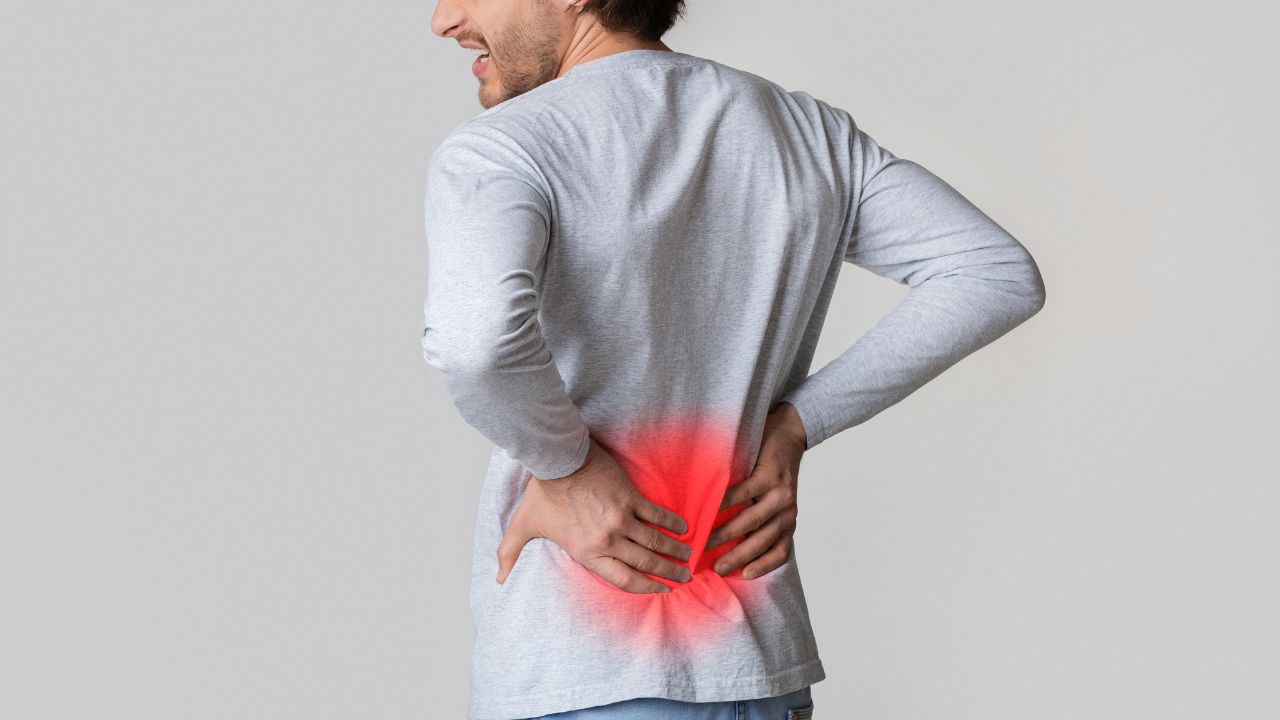
Back pain and sciatica make standing the enemy. Extended time at counters creates significant strain on the back and legs, often triggering flare-ups that last for days.
Anti-fatigue mats and tall stools are essential accommodations. Alternate between sitting and standing throughout meal preparation. Adjust counter heights when possible—working at surfaces that are too low forces forward bending that aggravates spinal conditions. Keep frequently used items at waist level to avoid reaching or bending.
What Are the Benefits of Cooking Holiday Meals Despite Chronic Pain?
Chronic pain doesn’t have to eliminate cooking from your life. The rewards of preparing holiday meals extend far beyond the food itself.
How Does Cooking Help Maintain a Sense of Independence?
Independence matters deeply to those living with chronic pain. With adaptive strategies and ergonomic tools, creating a delicious holiday meal without triggering a flare-up is absolutely possible. Each successful cooking experience reinforces your capability and self-reliance.
Maintaining this independence preserves your identity beyond your diagnosis. You remain the person who makes the family’s favorite dishes—not just someone managed by their condition.
How Can Cooking Promote a Positive Holiday Experience?
Cooking connects you to celebration. By adopting pain management strategies, you reclaim the joy of holiday cooking and participate more fully in festivities. The kitchen becomes a place of contribution rather than exclusion.
Sharing food you prepared yourself creates meaningful moments. Watching family enjoy dishes you made—despite the challenges—brings satisfaction that ordering takeout simply cannot match.
What Are the Emotional and Mental Health Benefits of Cooking for the Holidays?
Cooking offers therapeutic value beyond nutrition. Self-care and relaxation practices integrated into meal preparation promote overall well-being during the holidays. The sensory experience—aromas, textures, tastes—grounds you in the present moment.
Taking proactive steps to manage pain while cooking builds confidence that extends into other areas of life. You prove to yourself that chronic pain doesn’t define your limits. This mindset shift—from victim to active manager—helps you navigate not just holidays but everyday challenges more effectively.
Take Control of Your Holiday Cooking
Don’t let chronic pain steal the joy of holiday cooking. With the right approach, you can prepare festive meals while managing your condition. Start by planning, using adaptive tools, and integrating pain management strategies to make cooking easier and more enjoyable. At the Regenerative Institute of Newport Beach, we understand the challenges chronic pain can pose, and we’re here to help you manage and improve your quality of life. Contact us today to explore personalized solutions that support your journey to better health.

