
Key Takeaways:
- Botox reduces migraine frequency by an average of 8-9 days per month with 75% effectiveness—the highest among all preventive treatments.
- Patients must have 15+ headache days monthly (8+ being migraines) to qualify for insurance-covered Botox treatment.
- Treatment involves 31-39 injections across 7 muscle areas every 12 weeks, taking only 15-20 minutes per session.
- Nearly 89% of patients report improved quality of life, with only 15% experiencing mild, temporary side effects.
- Maximum benefits appear after 2-3 treatment cycles (6-9 months), with sustained relief documented over 108+ weeks in clinical studies.
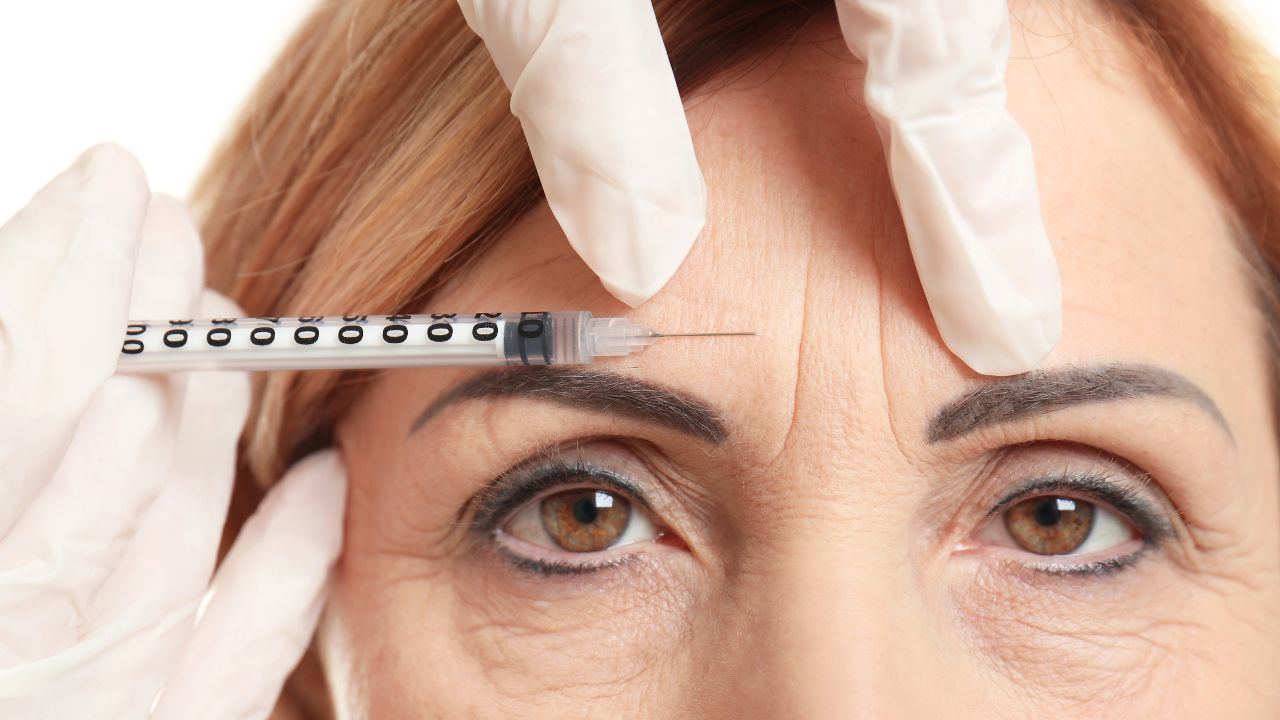
Botox prevents chronic migraines by blocking pain signals at their source. This FDA-approved treatment reduces migraine frequency through targeted injections every 12 weeks. Clinical trials show nearly 50% of patients achieve a 50% or greater reduction in migraine days.
What Are Migraines and Why Do They Become Chronic?
Migraines differ from typical headaches in intensity, duration, and neurological symptoms. Chronic patterns develop when preventive mechanisms fail and pain pathways become hyperactive. Understanding this progression helps patients recognize when intervention becomes necessary.
What defines a migraine compared to other headaches?
Migraines cause moderate to severe throbbing pain, typically on one side of the head. They trigger nausea, vomiting, and sensitivity to light and sound. Unlike tension headaches, migraines involve neurological changes that can include visual disturbances and sensory symptoms.
When does a migraine qualify as chronic?
Chronic migraine requires 15 or more headache days per month, with at least 8 being migraine days. This pattern must persist for three consecutive months. The distinction matters because chronic status determines treatment eligibility and insurance coverage.
Why do chronic migraines interfere with daily function?
Frequent migraines disrupt work productivity, social relationships, and basic activities. Patients lose days to severe pain and additional days to recovery. The unpredictability creates anxiety and forces lifestyle restrictions that compound the burden.
What Is Botox and Why Is It Used for Migraine Prevention?
Botox represents a shift from symptom management to prevention. The treatment targets the underlying mechanisms that trigger migraines rather than addressing pain after it starts. This approach offers sustained relief through quarterly treatments backed by extensive clinical evidence.
What is Botox from a medical standpoint?
Botox contains botulinum toxin type A, a purified protein that temporarily blocks nerve signals. Medical-grade Botox differs from cosmetic applications in dosage, injection sites, and therapeutic intent. For pain management solutions, it functions as a neuromuscular agent that interrupts pain pathways.
When was Botox approved for chronic migraine treatment?
The FDA approved Botox for chronic migraine prevention following PREEMPT Phase 3 clinical trials involving over 1,300 patients. These trials established the specific protocol, dosing, and injection patterns used today. The approval marked the first preventive treatment designed specifically for chronic migraine sufferers.
Why is Botox considered a preventive therapy rather than pain relief?
Botox prevents migraines from developing rather than stopping active pain. The treatment modifies how nerves transmit pain signals before headaches begin. Patients continue using acute medications for breakthrough migraines while Botox reduces overall frequency.
How Does Botox Work to Prevent Migraines?
Botox interrupts the chain of events that triggers migraines. By targeting specific nerve pathways, it reduces the hypersensitivity that leads to headache onset. This mechanism differs fundamentally from pain medications that address symptoms after they appear.
How does Botox affect nerve signaling involved in migraines?
Botox blocks the release of pain-signaling neurochemicals at nerve endings. It prevents peripheral nerves from sending pain messages to the central nervous system. This interruption stops the cascade of inflammatory responses that amplify migraine development.
Why does Botox reduce migraine frequency instead of stopping active pain?
The treatment creates a preventive barrier by reducing nerve sensitivity over time. Effects build gradually as injections are repeated every 12 weeks. Patients see cumulative benefits rather than immediate relief, with maximum effects appearing after 2-3 treatment cycles.
Which nerve pathways are targeted during Botox treatment?
Botox injections in Orange County target 7 muscle areas where pain pathways converge. These sites include the forehead, temples, back of the head, neck, and shoulders. The FDA-approved protocol ensures comprehensive coverage of migraine trigger zones.
Who Is Eligible for Botox Migraine Treatment?
Eligibility focuses on chronic migraine patterns and treatment history. Insurance companies require specific diagnostic criteria before approving coverage. Understanding these requirements helps patients navigate the approval process effectively.
Who qualifies as a chronic migraine patient?
Patients must document 15 or more headache days monthly, with at least 8 meeting migraine criteria. This pattern must persist for three months or longer. Healthcare providers verify the diagnosis through headache diaries and clinical evaluation.
How many migraine days are required for Botox eligibility?
The threshold remains at 15 total headache days per month, with 8 or more being migraines. Episodic migraine sufferers with fewer than 15 headache days don’t qualify under current guidelines. This distinction separates candidates for Botox from those requiring different preventive strategies.
Can Botox help patients who failed other migraine treatments?
Michael T., a 55-year-old entrepreneur, broke his medication overuse headache cycle after traditional treatments failed. He reduced migraine days from 16 to 8 monthly—a 50% improvement. Botox often succeeds where oral preventives prove ineffective or cause intolerable side effects.
What Does a Botox Migraine Treatment Plan Involve?
Treatment follows a standardized protocol developed through clinical trials. The process requires minimal time and involves specific injection patterns. Understanding the procedure helps patients prepare and set realistic expectations.
How often is Botox administered for migraines?
Patients receive injections every 12 weeks—four times annually. This quarterly schedule maintains consistent prevention throughout the year. Missing treatments allows migraine frequency to return to baseline levels.
Where are Botox injections placed for migraine prevention?
Each session involves 31 to 39 injections across 7 muscle areas. Sites include the forehead, temples, back of head, neck, and shoulder regions. The pattern targets convergence points where multiple pain pathways meet. Proper technique requires provider expertise in migraine-specific protocols.
How long does a typical Botox migraine session take?
Most sessions require 15 to 20 minutes from start to finish. Providers use fine needles that minimize discomfort. Patients can resume normal activities immediately after treatment without downtime or recovery period.
What Results Can Patients Expect From Botox for Migraines?
Clinical outcomes show measurable reductions in migraine frequency and severity. Individual responses vary, but trial data provides clear benchmarks. Long-term studies confirm sustained benefits with continued treatment.
When do patients typically notice migraine reduction?
Initial improvements often appear within 2 to 4 weeks after the first treatment. Maximum benefits develop after 2 to 3 treatment cycles—roughly 6 to 9 months. Some patients respond more quickly while others require patience as effects build.
How much can Botox reduce monthly migraine days?
Average reductions reach 8 to 9 headache days per month. Clinical data shows 61% reduction in migraine days, from 18.5 to 7.1 days monthly over 15 months. Nearly 50% of patients achieve a 50% or greater reduction in migraine frequency.
Sarah M., a 42-year-old marketing executive, reduced her migraines from 18 to 7 days monthly—a 61% improvement. Her work productivity increased significantly, leading to a promotion. Jennifer L., a 38-year-old yoga instructor, achieved a 50% reduction while also seeing 70% improvement in neck pain.
How long do Botox migraine benefits usually last?
The COMPEL long-term study tracked effectiveness over 108 weeks, demonstrating sustained benefits with continued treatment. Effects from each injection cycle last approximately 12 weeks. Stopping treatment typically causes migraines to return to previous patterns within 3 to 6 months.
What Are the Risks and Side Effects of Botox for Migraines?
Safety profiles emerge from extensive clinical trials and real-world use. Most side effects are mild and temporary. Understanding potential risks allows informed decision-making and proper monitoring.
Is Botox safe for repeated migraine treatments?
Long-term safety data from the 108-week COMPEL study confirms Botox tolerability with repeated administration. The treatment doesn’t accumulate in the body or lose effectiveness over time. Millions of treatment sessions worldwide have established a strong safety record.
What are the most common side effects of Botox for migraines?
Neck pain affects 6.7% of patients, making it the most frequent side effect. Injection site pain and headache each occur in 5.4% of cases. Overall, only 15% of patients experience side effects—the lowest rate among all preventive migraine treatments. Most reactions resolve within days without intervention.
Can Botox cause neck weakness or muscle issues?
Rare cases involve toxin spread to surrounding muscles, causing temporary weakness. This risk requires experienced providers who understand proper injection depth and technique. Allergic reactions occur rarely but require immediate medical attention. Patients should report unusual symptoms between treatments promptly.
How Does Botox Compare to Other Migraine Treatments?
Treatment options span daily medications, nerve blocks, and lifestyle modifications. Each approach offers different benefits and limitations. Direct comparisons help patients understand where Botox fits in the treatment hierarchy.
How does Botox compare to daily migraine medications?
Botox achieves 75% effectiveness—the highest rating among preventive treatments. Patient adherence reaches 85%, compared to lower rates with daily oral medications that require consistent dosing. The quarterly schedule eliminates daily pill burden and associated side effects.
Side effects occur in just 15% of Botox patients versus higher rates with traditional preventives. Many patients choose Botox specifically to avoid medication-related issues like weight gain, fatigue, or cognitive effects. The comparison data clearly favors Botox for both effectiveness and tolerability.
How does Botox differ from nerve blocks or steroid injections?
Nerve blocks provide temporary relief lasting days to weeks, while Botox effects span 12 weeks. Steroid injections carry risks with repeated use that Botox doesn’t share. Understanding how different treatments work helps patients select appropriate options for their situation.
Why do some patients choose Botox over oral preventives?
Reduced reliance on pain pills motivates many patients to try Botox. Fewer side effects and quarterly dosing improve quality of life compared to daily medications. Patients tired of trial-and-error with multiple oral drugs often find Botox provides the breakthrough they need.
What Should Patients Know Before Starting Botox for Migraines?
Preparation and provider selection significantly impact outcomes. Understanding contraindications prevents complications. Combining treatments strategically enhances overall migraine management.
Do patients need imaging or diagnostic testing beforehand?
Diagnosis relies primarily on headache history and symptom patterns. Most patients don’t require MRI or CT scans before treatment. Providers review medical history to identify contraindications and ensure appropriate candidacy.
Can Botox be combined with other migraine therapies?
Jennifer L. successfully integrated Botox with yoga and dietary modifications. Combination approaches often work better than single interventions. Patients can continue acute medications for breakthrough headaches while Botox prevents frequency.
However, certain conditions prohibit treatment. Pregnancy, neuromuscular disorders, and active infections at injection sites require alternative strategies. Qualified providers assess individual circumstances to ensure safety.
Should lifestyle or medication changes continue during treatment?
Maintaining healthy sleep patterns, stress management, and trigger avoidance supports Botox effectiveness. Current medications continue unless providers recommend adjustments. Patient education about realistic timelines and proper follow-up enhances outcomes and satisfaction.
How Much Does Botox for Migraines Cost in 2026?
Financial considerations influence treatment decisions significantly. Insurance coverage varies by plan and requires specific documentation. Understanding cost factors helps patients plan appropriately.
Is Botox for migraines covered by insurance?
Most major insurance plans cover Botox for chronic migraine when medical necessity is established. Prior authorization requires documented headache frequency and failed preventive trials. The approval process takes 2 to 4 weeks in most cases.
Patient assistance programs help eligible individuals manage out-of-pocket costs. These programs reduce financial barriers for those meeting income requirements. Coverage details vary by insurer and specific plan terms.
How many Botox units are typically used per session?
Standard protocols use 155 to 195 units distributed across injection sites. The exact number depends on patient response and provider assessment. Consistent dosing maintains preventive effects between treatment cycles.
What factors influence the total cost of treatment?
Geographic location, provider expertise, and facility fees affect pricing. Barriers to access include insurance authorization requirements and cost concerns for uninsured patients. Finding qualified providers in your area sometimes proves challenging, particularly outside major metropolitan areas.
When Does Botox Make Sense as a Long-Term Migraine Strategy?
Long-term planning requires understanding migraine patterns and treatment goals. Preventive care addresses root causes rather than symptoms alone. Strategic thinking helps patients avoid the cycle of reactive treatment.
Why do migraines often return when preventive care stops?
Chronic migraine involves persistent neurological changes that don’t resolve spontaneously. Without ongoing prevention, underlying mechanisms reactivate pain pathways. The condition requires sustained management rather than short-term intervention.
How does Botox fit into long-term migraine management?
Research from 2024-2026 supports sustained use for continuous prevention. The treatment becomes part of a comprehensive strategy including lifestyle modifications and acute medications. Similar to recovery timelines with other treatments, benefits build over time with consistent care.
Can Botox reduce reliance on daily migraine medications?
Michael T. broke his medication overuse cycle completely through Botox treatment. His migraine days dropped from 16 to 8 monthly—a 50% reduction. Many patients decrease or eliminate daily preventive medications while maintaining acute treatments for breakthrough episodes.
How Can Migraine Control Change Daily Life Over Time?
Migraine reduction creates ripple effects across multiple life domains. Improved function extends beyond pain relief to overall wellbeing. These changes often exceed patients’ initial expectations.
How does migraine reduction affect work and productivity?
Eighty-two percent of patients report improved work productivity after Botox treatment. Sarah M. received a promotion after her 61% migraine reduction restored consistent performance. Fewer sick days and better focus translate to measurable career benefits.
How does migraine control influence sleep and focus?
Better sleep quality emerges as migraine frequency decreases. Reduced pain medication use eliminates associated grogginess and cognitive fog. Mental clarity improves alongside physical comfort, enhancing daily function.
Why do patients often report quality-of-life improvement?
Nearly 89% of patients report improved quality of life with Botox treatment. Satisfaction reaches 76.7%, with treatment meeting or exceeding expectations in most cases. Eighty-two percent would recommend Botox to others, reflecting overall positive experiences.
The ability to plan activities without fear of migraines restores normalcy. Social engagement increases as patients regain confidence in their health stability. These psychological benefits often matter as much as physical improvements.
What Questions Should Patients Ask Before Choosing Botox for Migraines?
Provider selection and treatment planning require informed inquiry. The right questions reveal expertise and approach. Due diligence protects patient interests and optimizes outcomes.
Who should administer Botox for migraine treatment?
Qualified providers with proper training in migraine-specific injection techniques should perform treatments. Board certification in neurology or headache medicine indicates specialized expertise. Experience matters significantly in achieving optimal results and minimizing complications.
How much experience should a provider have with migraines?
Seek providers who regularly treat chronic migraine patients and understand FDA-approved protocols. Dr. Andrew M. Blumenfeld and other headache specialists emphasize proper technique and patient education. American Migraine Foundation recommendations guide best practices in provider selection.
Ask about annual treatment volume and years of experience with Botox for migraines. Providers should explain their approach to injection sites, dosing, and follow-up care. Exploring treatment alternatives demonstrates a comprehensive understanding of pain management options.
What follow-up care matters after Botox injections?
Regular monitoring tracks response and identifies needed adjustments. Providers should review headache diaries and assess side effects at each visit. Clear communication channels for questions between treatments ensure proper support and safety.
What Are the Next Steps for Managing Migraines in 2026?
Taking action starts with proper evaluation and provider consultation. Specialist-guided care improves outcomes significantly compared to trial-and-error approaches. The path forward requires commitment but offers substantial potential benefits.
When should a patient consider scheduling a consultation?
Patients experiencing 15 or more headache days monthly should seek evaluation promptly. Waiting allows migraines to become more entrenched and difficult to treat. Early intervention prevents progression and reduces overall disease burden.
What information helps guide an initial migraine evaluation?
Headache diaries documenting frequency, severity, and triggers provide essential data. Lists of previous treatments and their outcomes inform decision-making. Current medications, medical history, and lifestyle factors complete the clinical picture.
Why does specialist-guided care matter for migraine outcomes?
Three Newport Beach patient case studies demonstrate successful outcomes with expert guidance. Dr. Shawn Zardouz, a neurologist specializing in migraines, provides targeted care based on individual needs. Hoag Hospital Neuroscience Institute and Orange County Pain and Wellness offer comprehensive migraine programs.
Specialists understand nuanced treatment selection and combination strategies. They recognize when Botox suits patient profiles and when alternatives work better. This expertise translates to faster relief and fewer failed treatment trials.
Start Your Journey to Migraine-Free Living Today
Chronic migraines don’t have to control your life. The Regenerative Institute of Newport Beach specializes in advanced pain management solutions, including Botox therapy for chronic migraines. Our experienced team understands the science behind effective migraine prevention and creates personalized treatment plans that address your specific needs.
Contact us to schedule your consultation and discover how our regenerative approach can help you reclaim the active, pain-free lifestyle you deserve. Let 2026 be the year you break free from chronic migraines.

