
Platelet-Rich Plasma injections have become a mainstream regenerative treatment for joint pain and tendon injuries, but clinical success rates vary dramatically by condition. Chronic ankle instability shows 100% satisfactory results in published case series, while Achilles tendinopathy demonstrates no benefit over placebo. Understanding which conditions respond best to PRP and which factors predict success or failure helps patients make informed decisions about whether this therapy is worth the out-of-pocket cost.
This article breaks down condition-specific PRP outcomes, compares PRP to cortisone and hyaluronic acid, and provides the evidence-based success rates you need to evaluate PRP for your specific injury.
Key Takeaways
- Chronic ankle instability, patellar tendinopathy, and tennis elbow show 85-100% success rates
- Mild-moderate knee osteoarthritis achieves 60-70% sustained pain relief at 6-12 months
- PRP outperforms cortisone for long-term outcomes (≥30 weeks) but loses in short-term relief
- Achilles tendinopathy shows no benefit over placebo in umbrella systematic reviews
- Success depends on leukocyte-poor formulation, ultrasound guidance, and structured rehabilitation weeks 3-6
What Are PRP Injections?
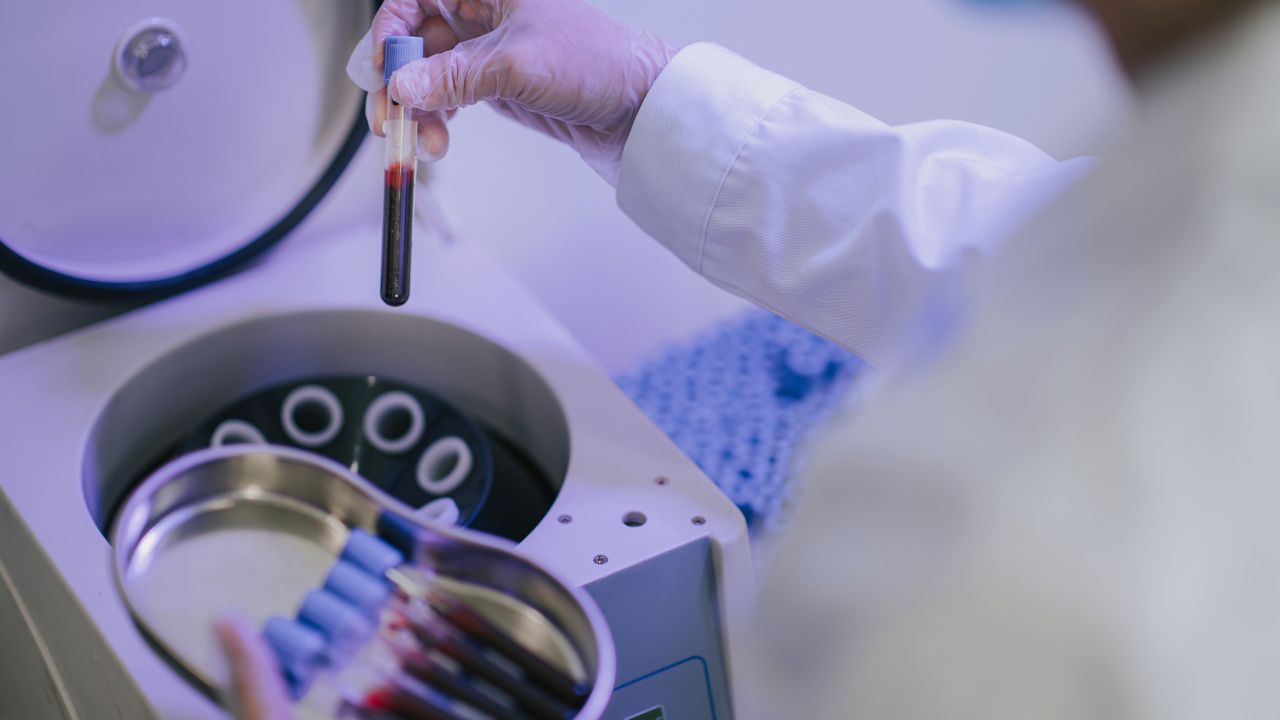
Platelet-Rich Plasma therapy concentrates your own platelets to 5-7 times baseline levels, delivering a high dose of growth factors directly to damaged tissue. The procedure is straightforward: a standard blood draw (20-60 mL), double-spin centrifugation to separate and concentrate platelets, then ultrasound-guided injection into the injured area. Total appointment time runs 45-60 minutes in an outpatient setting.
PRP injections promote natural tissue healing, reduce inflammation without drugs, and carry minimal rejection risk since they use your own blood. Most patients experience 6-12+ months of pain relief. The minimally invasive nature (just a blood draw) makes it a strong alternative to cortisone injections or surgery for eligible conditions.
Which Conditions Have The Highest PRP Success Rates?
Chronic lateral ankle instability leads all conditions with 100% satisfactory functional results and 85% of patients returning to pre-injury activity levels. Patellar tendinopathy follows closely: 86% of athletes return to sport, with pain scores (VISA-P) improving from 35.2 to 78.5. Lateral epicondylitis (tennis elbow) shows 70-100% success rates across 33 studies covering 2,420 patients.
Knee pain from osteoarthritis (mild-moderate, Grade II-III) achieves 60-70% success with clinically meaningful improvements in pain and function at 6-12 months. Rotator cuff partial tears respond well when the tear is greater than 50% thickness: 68.8% show global improvement at 2 years. Achilles tendinopathy is the outlier; umbrella reviews of 8 systematic studies found no significant benefit over placebo or conservative care.
PRP Success Rates by Condition
| Condition | Success Rate | Key Outcome | Study Size | Follow-up | Source |
| Chronic Lateral Ankle Instability | 100% satisfactory | 85.11% return to activity | 47 patients | 6-12 months | Case series, 2024 |
| Patellar Tendinopathy | 86% return to sport | VISA-P: 35.2→78.5 | 40 athletes | 8-12 months | Zayni et al., 2015 |
| Lateral Epicondylitis | 70-100% | VAS: 4.2-8.4→0.6-5.9 | 2,420 patients | 6-12 months | Systematic review, 2022 |
| Knee OA (Grade II-III) | 60-70% | MCID in WOMAC/VAS | 25,144 participants | 6-12 months | Meta-analysis, 2025 |
| Rotator Cuff (>50% tear) | 68.8% improved | VAS: 50.2→18.2 | 71 shoulders | 24 months | Prodromos et al., 2021 |
| Achilles Tendinopathy | No benefit | No superiority vs. placebo | 170-697 participants | 6-12 months | Umbrella review, 2025 |
What Factors Impact PRP Injection Success?
PRP preparation method determines both efficacy and safety. Leukocyte-Poor PRP (LP-PRP) produces a 3.9% complication rate and is preferred for knee osteoarthritis, while Leukocyte-Rich PRP (LR-PRP) carries a 6.4% complication rate. The target concentration is 5-7 times baseline platelet levels, achieved through double-spin centrifugation for consistent results.
Injection frequency matters for the effectiveness of PRP. Patellar tendinopathy patients receiving two injections show significantly better outcomes than single-injection protocols: VAS pain drops to 1.07 (two injections) versus 3.7 (single), and VISA-P scores reach 93.2 versus 65.7. Condition severity plays a critical role, mild-to-moderate osteoarthritis (Grade II-III) responds well (60-70% success), but advanced “bone-on-bone” Grade IV arthritis shows limited efficacy. Rotator cuff tears greater than 50% thickness respond better than tendinitis without structural damage.
Patient age and activity level influence outcomes: the 40-75 age range sees strong results for degenerative conditions, while younger athletes (25-55) achieve 86% return-to-sport rates for tendon injuries. NSAID avoidance is non-negotiable; discontinue NSAIDs 5 days before and 2-4 weeks after injection to preserve platelet function. Ultrasound-guided injection ensures precise growth factor delivery to the injury site, improving outcomes across all conditions.
How Does PRP Compare To Other Treatments?
Direct clinical comparisons reveal where PRP wins and where it falls short. Cortisone injections deliver faster initial relief but lose efficacy after 15 weeks, while PRP provides sustained improvement through 52 weeks. Hyaluronic acid (HA) shows inconsistent results and rarely achieves clinically meaningful improvement thresholds. The choice depends on whether you need short-term symptom relief or long-term tissue healing.
PRP vs. Cortisone Injections
Cortisone delivers significantly better pain relief at 6 weeks (VAS 35.7 vs. 52.6, p=0.033), but this advantage reverses by 30 weeks. PRP achieves statistically superior pain reduction at both 30 weeks (35.0 vs. 52.0) and 52 weeks (32.0 vs. 56.0), with p<0.05 significance. The mechanism explains the divergence: cortisone suppresses inflammation temporarily but does not repair tissue, while PRP stimulates actual collagen synthesis and cartilage healing.
Safety profiles favor PRP for repeated use. Cortisone carries a documented risk of cartilage degradation and collagen breakdown with multiple injections, while PRP shows a superior safety profile across 356 studies in a 2025 systematic review. Choose cortisone for acute flares requiring rapid relief within days. Choose PRP for sustained 6-12 month improvement and active tissue regeneration.
PRP vs. Cortisone for Knee Osteoarthritis
| Timeline | PRP Pain Score (VAS) | Cortisone Pain Score (VAS) | Winner |
| Baseline | 60 | 60 | , |
| 6 Weeks | 52.6 | 35.7 (p=0.033) | Cortisone (short-term) |
| 30 Weeks | 35.0 (p<0.05) | 52.0 | PRP (long-term) |
| 52 Weeks | 32.0 (p<0.05) | 56.0 | PRP (sustained) |
PRP vs. Hyaluronic Acid (HA)
PRP demonstrates superior pain relief and functional improvement for knee osteoarthritis in meta-analyses covering 25,144 participants. PRP consistently achieves the Minimal Clinically Important Difference (MCID) in WOMAC function scores, while HA fails to reach this threshold in most trials. Duration of relief favors PRP: 6-12 months of sustained benefit versus HA’s variable, shorter-term effects that often require repeat injections every 3-6 months.
What Are The Risks And Limitations Of PRP?
PRP carries a favorable safety profile with mostly self-limiting side effects. Common reactions include temporary pain increase for 3-5 days (a normal inflammatory healing response), localized swelling, stiffness, and mild bruising at the injection site. Documented complication rates are low: 3.9% for Leukocyte-Poor PRP and 6.4% for Leukocyte-Rich PRP, both significantly safer than corticosteroids according to a 2025 review of 356 studies.
Contraindications include active infection at the injection site, bleeding disorders or anticoagulant therapy, current NSAID use (must discontinue 5 days prior), and thrombocytopenia (low platelet count). Evidence limitations exist: most conditions show moderate (not high) certainty of evidence, chronic Achilles tendinopathy shows no benefit over placebo, some trials report inconsistent results beyond 12 months, and advanced Grade IV “bone-on-bone” osteoarthritis responds poorly. Cost remains a barrier, out-of-pocket expenses run $500-$2,500 per injection, and most insurance plans classify PRP as investigational and do not cover it.
How To Maximize PRP Success
Joint pain PRP data shows that outcomes depend heavily on pre-treatment preparation and post-injection rehabilitation. Patients who follow strict medication protocols, maintain hydration, and complete structured physical therapy during the critical 3-6 week window achieve significantly better long-term results than those who skip these steps.
Discontinue NSAIDs 5 days before the procedure; ibuprofen, naproxen, and aspirin inhibit platelet function and negate PRP’s therapeutic effect. Avoid corticosteroid injections in the weeks prior, and stay well-hydrated 24-48 hours before the blood draw to ensure optimal platelet concentration. After injection, rest the treated area for the first 48 hours and expect a 3-5 day increase in pain, swelling, and stiffness. This is a normal and necessary healing response. Ice sparingly (15-20 minute intervals) only for severe swelling; excessive icing can blunt the inflammatory cascade that PRP relies on.
For pain management, acetaminophen (Tylenol) is permitted, but strictly avoid NSAIDs for 2-4 weeks post-procedure. The rehabilitation timeline is critical for success. Weeks 1-2 require strict rest and limited mobility. Weeks 3-6 represent the most important window: begin structured physical therapy with gentle range-of-motion exercises, progressive stretching, and low-resistance strengthening.
This phase aligns the new collagen fibers and prevents scar tissue formation. Weeks 7-12+ allow gradual return to full activity with progressive resistance training and sport-specific movements. Most patients notice first improvement around week 6, with full benefits peaking between 3-6 months.
Should You Consider PRP For Your Condition?
PRP delivers strong clinical outcomes for specific conditions and shows limited benefit for others. Success depends on accurate diagnosis, condition severity, and patient selection. Mild-to-moderate tissue damage responds best, advanced degeneration often requires more aggressive intervention.
Highly recommended:
- Knee osteoarthritis (mild-moderate, Grade II-III): 60-70% success rate with sustained pain relief
- Patellar tendinopathy after failed conservative treatment: 86% return to sport
- Tennis elbow unresponsive to PT/bracing: 70-100% success rates across 33 studies
- Chronic ankle instability: 100% satisfactory functional results in clinical case series
- Rotator cuff partial tears (>50% thickness): 68.8% sustained improvement at 2 years
May benefit (condition-dependent):
- Rotator cuff tendinitis without major structural tear
- ACL reconstruction enhancement (adjunct to surgery)
NOT recommended:
- Chronic Achilles tendinopathy: No proven superiority versus placebo in umbrella reviews
- Advanced “bone-on-bone” osteoarthritis (Grade IV): Limited efficacy; consider stem cell therapy or surgery
- Patients unable to avoid NSAIDs: Essential compliance requirement for platelet function
- Active infection or bleeding disorders: Safety contraindications
Next steps: Consult a board-certified orthopedic or regenerative medicine physician. Obtain diagnostic imaging (MRI or ultrasound) to assess condition severity and confirm PRP candidacy. Verify the facility uses ultrasound-guided injection and Leukocyte-Poor PRP when applicable. Establish a rehabilitation plan with a physical therapist before the procedure; weeks 3-6 post-injection are critical for optimal outcomes. Review cost expectations: $500-$2,500 per injection, typically out-of-pocket.
The Evidence On PRP Success Rates
Clinical research on PRP identifies five conditions with the highest documented PRP success rates: chronic lateral ankle instability (100% satisfactory results), patellar tendinopathy (86% return to sport), lateral epicondylitis/tennis elbow (70-100% success), mild-moderate knee osteoarthritis (60-70% pain reduction), and rotator cuff partial tears greater than 50% thickness (68.8% improvement at 2 years). These outcomes are supported by moderate-certainty evidence across 32+ high-level randomized controlled trials involving over 25,000 participants.
The overall outlook is favorable. PRP demonstrates a superior safety profile compared to corticosteroids, with minimal adverse events and low complication rates (3.9% for LP-PRP). Key success factors include using Leukocyte-Poor PRP, ultrasound-guided injection, appropriate patient selection (mild-moderate tissue damage), and structured rehabilitation during the critical weeks 3-6 window. Publication trends show PRP research surpassing corticosteroid studies since 2020, reflecting growing clinical adoption and confidence in the therapy.
Critical limitations exist. PRP is not effective for all conditions; chronic Achilles tendinopathy shows no benefit versus placebo in umbrella systematic reviews. Advanced Grade IV osteoarthritis responds poorly, and some studies report variable results beyond 12 months. Insurance coverage remains limited, with most patients paying out-of-pocket. Research demonstrates that PRP offers substantial evidence-based benefits for specific musculoskeletal conditions, particularly tendon injuries and mild-moderate osteoarthritis, when proper patient selection, preparation protocols, and rehabilitation are followed.
If you’re struggling with chronic joint pain or tendon injuries and want to explore whether PRP is right for you, schedule a consultation with Dr. Khyber Zaffarkhan at the Regenerative Institute of Newport Beach. Contact us today to discuss your treatment options.

