
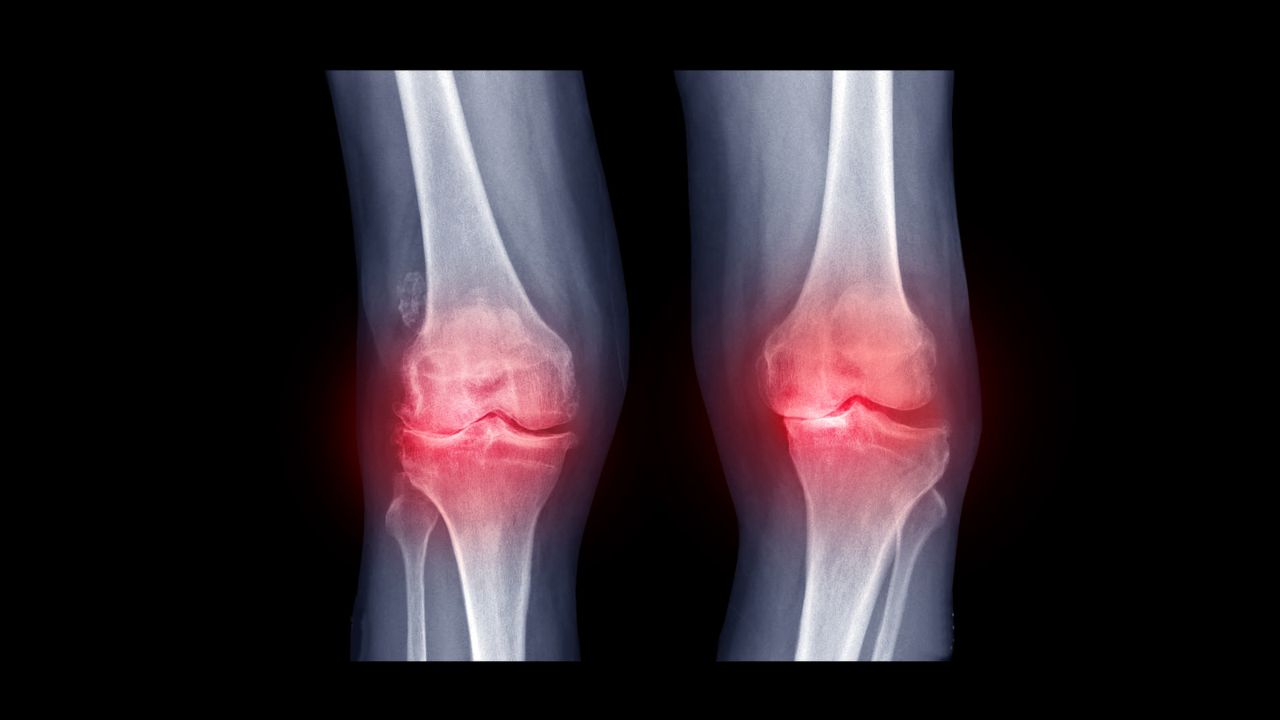
Stem cells represent a groundbreaking approach to treating damaged cartilage in joints affected by injury or arthritis. These specialized cells transform into various tissue types, including cartilage that cushions joints. Research demonstrates that stem cell cartilage regeneration achieves clinical success rates exceeding 68%, offering alternatives to traditional surgery.
The joint repair science using regenerative medicine continues evolving with promising clinical outcomes. Understanding how treatments work, who benefits most, and what the expected results are helps inform decisions about managing joint pain. This article examines biological mechanisms, treatment options, costs, and clinical evidence supporting stem cell therapy for cartilage repair.
Key Takeaways
- Mesenchymal stem cells can differentiate into cartilage cells and demonstrate over 68% clinical success rates for joint repair
- Stem cell therapy costs $5,000-$50,000+ while PRP ranges from $500-$2,500 per treatment, with different efficacy profiles
- Clinical evidence shows MSC therapy provides superior pain reduction compared to PRP and other regenerative treatments
- North America leads the stem cell therapy market with 50.67% share, driven by regulatory support and research investment
- Treatment selection depends on the severity of damage, with PRP preferred for mild conditions and stem cells for advanced degeneration
What Are Stem Cells and How Do They Function in Cartilage Regeneration?
Stem cells are undifferentiated cells capable of developing into specialized tissue types. In cartilage regeneration, these cells migrate to damaged joint areas and differentiate into chondrocytes that produce new cartilage. The process involves complex signaling pathways activating regenerative properties and promoting tissue healing.
The regenerative medicine cartilage field harnesses these natural healing mechanisms for therapeutic benefit. Stem cells release growth factors and proteins, reducing inflammation while stimulating existing cells to repair damage. This biological approach addresses root causes rather than masking symptoms.
What Types of Stem Cells Are Used for Joint Repair?
Mesenchymal stem cells (MSCs) are the primary cell type for orthopedic applications and joint repair. These cells can be harvested from bone marrow, adipose tissue, or umbilical cord blood. MSCs possess immunomodulatory properties regulating inflammatory responses while promoting tissue regeneration.
What types of stem cells are used for pain treatment vary based on the condition and treatment protocol. Autologous stem cells from the patient’s body reduce rejection risk. Allogeneic cells from donors offer standardized concentrations but require additional screening.
How Do Mesenchymal Stem Cells Contribute to Cartilage Healing?
Mesenchymal stem cells contribute to healing by differentiating into the chondrogenic lineage, producing new cartilage tissue. These cells respond to biochemical signals in the joint environment and begin producing collagen and proteoglycans. Newly formed cartilage integrates with existing tissue to restore joint function.
MSCs also secrete paracrine factors activating resident stem cells already present in joint tissues. This amplifies regenerative response beyond what injected cells alone could achieve. Combined effects reduce pain, improve mobility, and slow further degeneration.
What Are the Biological Mechanisms Behind Stem Cell Therapy?
Stem cell therapy works through multiple biological mechanisms, including direct tissue replacement and immunomodulation. Injected cells home to damaged areas guided by inflammatory signals and cytokine gradients. Once positioned, they begin differentiation or release factors stimulating repair by surrounding cells.
The cartilage healing technology also suppresses destructive enzymes breaking down existing cartilage matrix. Stem cells produce anti-inflammatory mediators counteracting chronic inflammation characteristic of osteoarthritis. This creates an environment conducive to healing rather than continued breakdown.
How Does Cartilage Damage Affect Joint Health and Why Is Regeneration Important?
Cartilage damage disrupts smooth gliding surfaces between bones, causing pain, stiffness, and progressive deterioration. Without adequate cartilage cushioning, bones grind together, creating inflammation and further breakdown. This cycle accelerates degeneration and limits daily activities.
Regeneration becomes important because cartilage has an extremely limited self-healing capacity due to poor blood supply. Traditional approaches like pain medication or physical therapy manage symptoms but don’t restore tissue. Regenerative medicine offers potential to rebuild cartilage and interrupt degenerative cycles before replacement surgery becomes necessary.
What Causes Cartilage Degeneration in Joints?
Age-related wear and tear is the primary cause of cartilage degeneration. Repetitive stress from activities, sports injuries, and genetic predisposition contribute to a gradual breakdown. Inflammation from previous injuries can persist for years, slowly degrading protective cartilage.
Trauma from acute injuries like meniscus tears or ligament damage accelerates cartilage loss. Metabolic factors, including obesity, increase mechanical stress, while inflammatory conditions like rheumatoid arthritis attack joint tissues directly. Once loss reaches advanced stages, bone-on-bone contact causes severe pain requiring intervention.
How Does Cartilage Loss Lead to Osteoarthritis?
Cartilage loss exposes underlying bone surfaces never designed to directly contact each other during movement. This contact triggers inflammatory responses producing pain, swelling, and stiffness characteristic of osteoarthritis. The body attempts to stabilize damaged joints by forming bone spurs that further limit mobility.
Progressive erosion creates a self-perpetuating cycle where inflammation accelerates additional breakdown. Joint space narrowing visible on X-rays indicates advanced cartilage loss. Without intervention, this progression eventually necessitates joint replacement when conservative treatments no longer provide adequate relief.
Why Is Traditional Surgery Not Always the Best Option?
Traditional joint replacement surgery involves significant recovery time, surgical risks, and permanent alteration of joint anatomy. Patients face weeks to months of rehabilitation before returning to normal activities. Implants have finite lifespans requiring potential revision surgeries, particularly problematic for younger patients.
Surgical complications, including infection, blood clots, and implant failure, occur in a small percentage of cases. Many patients prefer exploring less invasive options before committing to irreversible intervention. Stem cell therapy benefits include preserving natural joint anatomy while potentially delaying or preventing replacement surgery.
What Are the Main Regenerative Medicine Treatments for Joint Repair?
Stem cell therapy and platelet-rich plasma (PRP) represent the two primary regenerative medicine approaches. Both treatments harness natural healing mechanisms but differ in cellular composition and regenerative potential. Stem cell therapy introduces multipotent cells capable of forming new tissue, while PRP delivers concentrated growth factors.
The joint repair science behind these treatments continues to advance with improved processing techniques and delivery methods. Treatment selection depends on factors including injury severity, patient age, and the specific joint affected. Understanding differences helps determine which approach best addresses particular conditions.
How Does Stem Cell Therapy Compare to Platelet-Rich Plasma (PRP)?
Stem cell therapy involves injecting multipotent cells that differentiate into various tissue types, including cartilage. PRP delivers concentrated platelets containing growth factors, stimulating existing cells to accelerate healing. MSC therapy most effectively reduces pain with superior outcomes compared to PRP, according to clinical meta-analysis.
PRP vs stem cell therapy comparisons show different strengths for various conditions. PRP works well for mild to moderate degeneration and offers a lower cost with faster recovery. Stem cells provide greater regenerative potential for severe damage but require more complex processing and higher investment.
What Are the Procedures Involved in Stem Cell and PRP Therapies?
PRP therapy involves drawing blood, concentrating platelets through centrifugation, and injecting them into injured areas. The entire procedure typically takes less than one hour with minimal discomfort and immediate return to activities. Autologous material using your own blood eliminates rejection risk.
MSC therapy involves cell extraction from bone marrow or adipose tissue, laboratory processing, and precise injection. Core decompression combined with stem cell injections treats avascular necrosis, where bone tissue dies from inadequate blood supply. Treatment often requires three to five PRP injections spaced weeks apart for optimal results.
What Are the Advantages and Limitations of Each Treatment?
Stem cell therapy offers superior regenerative potential with documented cartilage formation visible on follow-up MRI imaging. The treatment preserves natural joint anatomy and potentially delays replacement surgery by years. However, high costs and variable regulatory oversight create barriers limiting accessibility.
PRP provides excellent safety, lower cost, and faster recovery compared to more invasive approaches. The treatment shows limitations for severe bone-on-bone arthritis where cartilage loss has progressed beyond regenerative capacity. Variable platelet concentrations between preparations and specialized clinical expertise affect treatment consistency and outcomes.
Who Are the Ideal Candidates for Stem Cell Cartilage Regeneration?
Patients with mild to moderate cartilage damage who want to avoid or postpone joint replacement surgery are ideal candidates. Those experiencing persistent joint pain despite conservative treatments like physical therapy and medication may benefit from regenerative approaches. Active individuals seeking to maintain their lifestyle and return to sports often respond well.
Is stem cell therapy right for you depends on multiple factors, including age, health status, and specific joint condition. Patients with realistic expectations about gradual improvement achieve the highest satisfaction. Those committed to following post-treatment protocols, including activity modification and rehabilitation, optimize results.
How Do Age and Health Status Influence Treatment Outcomes?
Younger patients generally experience better outcomes because their stem cells possess greater proliferative capacity. Advanced age can impair autologous stem cell function, though treatments still provide meaningful benefit. Overall health status, including diabetes control, nutrition, and absence of smoking, significantly impacts healing capacity.
Patients maintaining a healthy body weight reduce mechanical stress on regenerating cartilage during healing. Those with well-controlled inflammatory conditions respond better than patients with active systemic inflammation. Medical evaluation determines whether underlying health issues require optimization before proceeding with regenerative therapy.
What Are Demographic Trends in Treatment Adoption?
Adults aged 55-75 represent the largest consumer base seeking joint preservation therapies to maintain active lifestyles. This demographic actively pursues alternatives to total joint replacement, allowing continued participation in recreational activities. Middle-aged patients (35-55) increasingly utilize PRP for sports injuries and early intervention before significant degeneration develops.
Elderly patients over 75 comprise the primary target group for knee stem cell therapy, addressing age-related tissue degeneration. Younger adults (18-35) primarily access regenerative therapies for acute sports injuries requiring rapid recovery for athletic competition. The demographic distribution reflects different motivations from injury recovery to long-term joint preservation.
How Do Regional and Urban-Rural Factors Affect Access?
Urban centers demonstrate much higher adoption rates compared to rural areas lacking specialized facilities. The concentration of biotech hubs, research institutions, and trained specialists in metropolitan regions increases treatment availability. Patients in cities benefit from competitive pricing and multiple provider options.
Rural patients face limited access to specialized treatments and often default to traditional surgical interventions at younger ages. Geographic disparities create inequities where location significantly influences available treatment options. Telemedicine and regional outreach programs attempt to bridge these gaps but cannot fully replace specialized in-person care.
What Does Clinical Evidence Say About the Effectiveness of Stem Cell Therapy?
Clinical evidence increasingly supports stem cell therapy for cartilage regeneration with documented tissue formation and functional improvement. Published studies demonstrate significant pain reduction and mobility gains lasting months to years following properly administered treatments. Meta-analyses comparing regenerative approaches identify MSCs as the most effective intervention for pain management.
Does stem cell therapy actually works is addressed by growing clinical data from controlled trials and real-world patient outcomes. Leading medical institutions, including Stanford Medicine and Mayo Clinic, conduct ongoing research advancing cartilage regeneration techniques. The evidence base continues expanding as more patients receive treatments and longer-term follow-up data becomes available.
What Are the Success Rates and Outcomes from Recent Studies?
Clinical success rates for stem cell-based cartilage regeneration exceed 68% across multiple published studies. PRP augmentation reduces meniscus re-tear rates to 18.2% compared to higher failure rates without regenerative therapy support. These outcomes demonstrate meaningful clinical benefit beyond what traditional approaches typically achieve.
Stanford Medicine researchers published findings on inhibiting aging-related proteins to reverse naturally occurring cartilage loss. Mayo Clinic conducts RECLAIM procedure trials for knee cartilage repair using advanced stem cell techniques. These institutional efforts signal mainstream medical acceptance of regenerative approaches once considered experimental.
How Does Stem Cell Therapy Impact Pain and Function?
MSC therapy provides the most significant pain reduction with statistical superiority compared to PRP, peptide treatments, and biomimetic materials. Patients report substantial improvements in daily function, including walking distance, stair climbing, and return to recreational activities. Pain relief often develops gradually over weeks to months as regenerated tissue matures.
Functional improvements correlate with objective measures, including increased range of motion and reduced joint stiffness. Stem cell therapy for joint pain delivers faster recovery and less downtime compared to surgical alternatives requiring extensive rehabilitation. Many patients reduce or eliminate pain medications following successful treatment.
What Case Studies Illustrate Cartilage Regeneration Success?
A competitive athlete with a degenerative meniscus tear received three PRP injections and showed no visible tear on follow-up MRI. This case demonstrates PRP’s capacity to stimulate tissue repair in damaged meniscus tissue previously thought irreparable. The athlete returned to full competition without surgical intervention.
A 36-year-old patient with knee osteoarthritis received adipose-tissue-derived stem cells combined with PRP, showing MRI evidence of actual cartilage regeneration. Physical therapy outcomes and pain scores improved significantly alongside objective imaging changes documenting new tissue formation. This case exemplifies how combined regenerative approaches may achieve superior outcomes.
How Do Costs and Patient Preferences Influence Treatment Decisions?
Treatment costs significantly influence patient decisions, particularly since most regenerative therapies lack full insurance coverage. Out-of-pocket expenses range from hundreds to tens of thousands of dollars, depending on treatment type. Patients must weigh financial investment against potential benefits, including avoiding surgery and maintaining quality of life.
Cost comparisons extend beyond immediate treatment expenses to include recovery time and long-term outcomes. Stem cell therapy for arthritis offers a safer alternative to repeated steroid injections with cumulative cartilage damage. Understanding total costs over time helps patients make informed decisions aligned with their financial situations and health priorities.
What Are the Financial Comparisons Between Regenerative and Surgical Options?
PRP injections cost $500-$2,500 per treatment, with most patients requiring three to five sessions for optimal results. Stem cell therapy ranges from $5,000-$50,000+ depending on cell source, processing complexity, and treatment protocol. These regenerative options often cost less than total joint replacement while preserving natural anatomy and avoiding surgical risks.
Hip replacement surgery costs $18,175-$53,750+ while knee replacement ranges from $15,000-$50,000+ including hospital and surgeon fees. Traditional surgeries typically receive insurance coverage, unlike many regenerative therapies requiring full patient payment. However, surgery involves additional indirect costs, including extended recovery time, rehabilitation expenses, and potential complications.
What Factors Do Patients Prioritize When Choosing Therapy?
Efficacy remains the top priority, with 95% of consumers placing treatment effectiveness above all other considerations. Cost concerns rank second at 88% as patients evaluate the financial investment required. Long-term outcomes matter to 85% seeking durable results rather than temporary symptom relief.
Recovery time influences 82% of patients who cannot afford extended absences from work or disruption to daily responsibilities. Invasiveness concerns affect 78% who prefer injection-based therapies over surgical interventions when medically appropriate. These priorities reflect desires for effective, affordable treatments minimizing lifestyle disruption while providing lasting joint preservation.
How Does Severity of Joint Damage Affect Treatment Choice?
Mild to moderate cartilage damage responds well to PRP, making it the preferred option due to lower cost and faster recovery. Early intervention with regenerative therapy may prevent progression to severe degeneration. Patients with isolated meniscus tears or focal cartilage defects often achieve excellent outcomes with PRP alone.
Severe damage, including advanced osteoarthritis with significant cartilage loss, requires stem cell therapies despite higher costs and complexity. Bone-on-bone arthritis often exceeds the regenerative capacity of either PRP or stem cells, making joint replacement the only viable option. Treatment decisions must align with realistic expectations based on damage severity visible on imaging.
How Is the Stem Cell Therapy Market Evolving for Cartilage Repair?
The stem cell therapy market experiences rapid growth driven by aging populations and increased awareness of regenerative medicine options. Technological advances in cell processing, delivery methods, and combination therapies improve outcomes and expand treatable conditions. Market expansion also reflects growing patient demand for alternatives to surgery.
Investment in research and development accelerates as pharmaceutical companies and biotech firms recognize regenerative medicine’s commercial potential. Stem cell injection safety improvements and standardized protocols increase mainstream medical acceptance. The market evolution signals a fundamental shift in orthopedic care from surgical intervention toward biological joint preservation strategies.
What Are the Current Market Trends and Growth Projections?
The global regenerative medicine market size was USD 35.47 billion in 2024 and is projected to reach USD 90.01 billion by 2030. This represents a compound annual growth rate of 16.83% from 2025 to 2030, driven by technological advancement and increased adoption. The therapeutics segment dominates with 76.39% of total revenue.
The stem cell therapy market was valued at USD 456.0 million in 2024 and is projected to reach USD 1,670.1 million by 2030. This faster 25.23% CAGR reflects accelerating acceptance of stem cell applications. Regenerative medicine applications account for 93.02% of the stem cell therapy market share, demonstrating a strong treatment focus.
Which Regions Are Leading in Stem Cell Therapy Adoption?
North America accounts for 50.67% of the stem cell therapy market share in 2024, driven by regulatory support and biotech investment. The region benefits from concentrated research institutions, trained specialists, and patients willing to pay out-of-pocket. High disposable income and health consciousness contribute to strong adoption rates.
The Asia-Pacific region experiences remarkable growth as countries like China and Japan streamline regulatory approval processes. Europe demonstrates steady adoption with varying regulatory frameworks affecting market penetration. Regional disparities reflect differences in healthcare systems, regulatory environments, and cultural attitudes toward emerging medical technologies.
How Is Regulatory Environment Shaping Market Expansion?
Regulatory frameworks significantly impact market development with variable oversight, creating uncertainty for providers and patients. Some countries implement streamlined approval processes encouraging innovation, while others maintain stringent requirements limiting treatment availability. The United States maintains complex regulations differentiating between minimally manipulated and substantially manipulated cell products.
Variable regulatory oversight for stem cell therapies creates confusion about which treatments meet safety and efficacy standards. Regulatory harmonization efforts attempt to balance innovation encouragement with patient protection from unproven therapies. Market expansion depends partly on establishing clear guidelines ensuring quality while allowing legitimate therapeutic applications to reach patients needing joint preservation alternatives.
Integrating Stem Cell Therapies in Cartilage Regeneration: Balancing Potential and Practicality
Stem cell therapy for cartilage regeneration represents a significant advance in orthopedic care with proven clinical outcomes. Evidence demonstrates that properly administered regenerative treatments can reduce pain, improve function, and potentially delay or prevent joint replacement surgery. Success requires appropriate patient selection, realistic expectations, and commitment to post-treatment protocols, optimizing healing.
The field continues evolving with ongoing research addressing current limitations, including cost, accessibility, and outcome standardization. For patients considering their options, consulting with experienced specialists helps determine whether stem cell therapy aligns with their specific condition and goals. The Regenerative Institute of Newport Beach offers comprehensive evaluation and evidence-based treatment approaches tailored to individual patient needs.
Ready to Explore Stem Cell Therapy for Your Joints? Talk to a Specialist at the Regenerative Institute of Newport Beach.
Cartilage loss does not have to end your active lifestyle. At the Regenerative Institute of Newport Beach, Dr. Khyber Zaffarkhan combines over 15 years of regenerative medicine experience with a personalized, evidence-based approach to help patients reduce pain, restore function, and avoid surgery. Whether you are managing early-stage cartilage wear or a more advanced joint condition, a comprehensive evaluation will determine whether stem cell therapy is the right next step for you. Schedule your consultation today and take the first step toward lasting joint recovery.

