
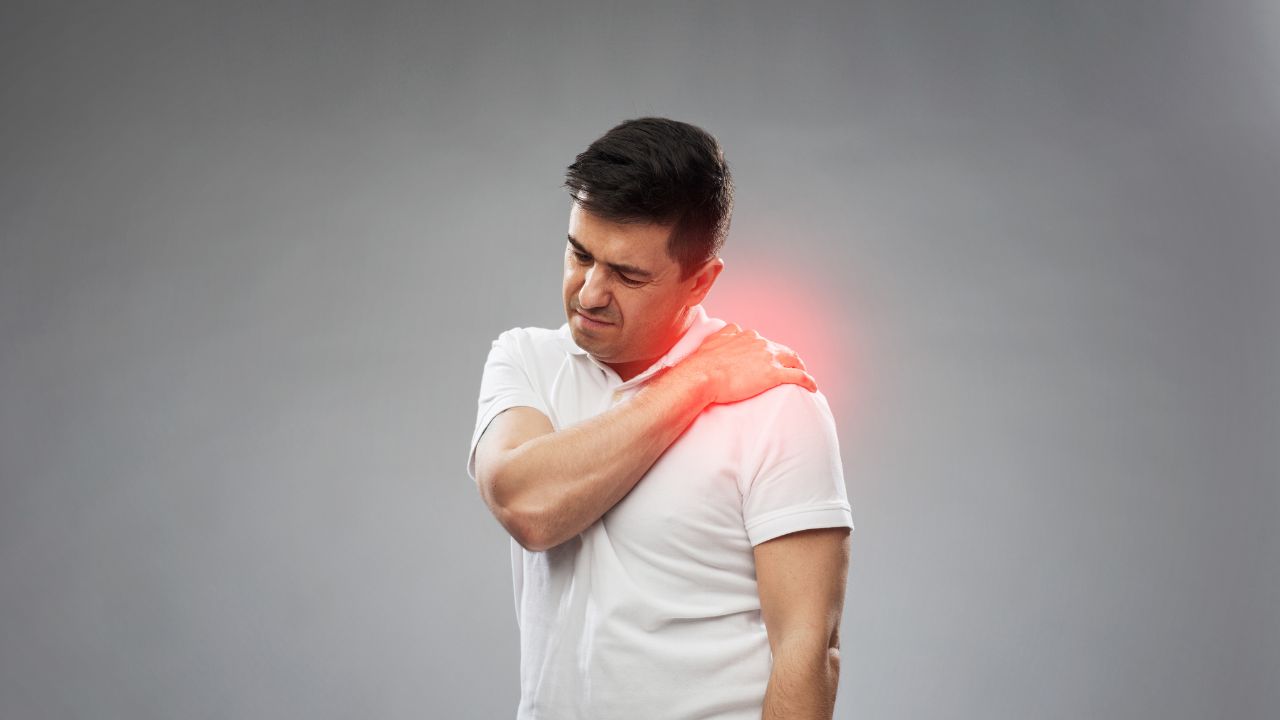
PRP shoulder pain treatment uses concentrated platelets from your blood to support tissue healing. The number of sessions depends on your diagnosis, damage severity, imaging findings, and symptom response. Shoulder pain can arise from rotator cuff tendinopathy, adhesive capsulitis, glenohumeral osteoarthritis, or other conditions that respond differently to platelet-rich plasma therapy.
Treatment expectations for PRP shoulder injections differ from cortisone shots because the goal is tissue repair rather than rapid inflammation suppression. Pain relief typically builds gradually over weeks to months as growth factors stimulate healing. Understanding what happens during appointments, realistic recovery timelines, and when additional sessions may be appropriate helps you make informed decisions about this regenerative medicine option.
Key Takeaways
- PRP concentrates platelets from your own blood to support tissue healing in damaged shoulder structures
- Most shoulder PRP plans begin with one injection followed by reassessment at four to six weeks
- Chronic rotator cuff tendinopathy or partial tears may require two to three sessions spaced several weeks apart
- Initial pain relief typically appears within several weeks, while tissue healing continues for months
- PRP works well for selected shoulder conditions when combined with physician-guided rehabilitation plans
What Is PRP and How Does It Work for Shoulder Pain?
PRP is an autologous blood-product injection that concentrates platelets and growth factors. The injected PRP may contain five to ten times as many platelets as normal blood, delivering high concentrations of healing proteins directly to damaged shoulder structures. Platelets release growth factors that may stimulate tissue repair, reduce pain, and improve function in selected conditions.
Cortisone reduces inflammation quickly, while PRP is framed as regenerative with slower onset. This matters because patients seeking immediate relief may be disappointed by PRP’s gradual timeline. How PRP therapy works involves extracting, concentrating, and reintroducing your own healing components rather than introducing synthetic medications.
What Makes PRP a Regenerative Medicine Option?
PRP is prepared from patient blood with platelets concentrated through centrifugation. This autologous preparation minimizes rejection risk and positions PRP as biological therapy rather than pharmaceutical intervention. Concentrated platelets contain growth factors that support collagen production, cell proliferation, and tissue remodeling in damaged tendons, ligaments, or joint surfaces.
Regenerative medicine options like PRP aim to support natural healing capacity rather than masking symptoms, prioritizing long-term tissue health over temporary pain suppression. PRP does not guarantee cartilage regrowth or surgery avoidance, but may improve pain and function in appropriately selected patients.
Which Shoulder Conditions Might Benefit from PRP?
Rotator cuff tendinopathy is a common shoulder pain source with supportive evidence for PRP treatment. Partial-thickness rotator cuff tears and chronic tendon irritation have the strongest research base for PRP. Adhesive capsulitis, or frozen shoulder, has emerging evidence from meta-analyses showing pain and function benefits compared with physical therapy or corticosteroid injections alone.
Glenohumeral osteoarthritis is the third large joint commonly affected by OA after the knee and hip, though shoulder arthritis evidence for PRP is less mature. Best treatments for shoulder pain include multiple conservative options that may be considered alongside or before PRP depending on diagnosis.
What Are the Limitations of PRP in Shoulder Treatment?
PRP is not appropriate for every shoulder problem. Full-thickness tears, severe arthritis, instability, infection, fracture, major neurologic weakness, or rapidly worsening function may require other care pathways including physical therapy, different injection options, or surgical evaluation. PRP does not guarantee cartilage regrowth or surgery avoidance, and the strongest evidence supports short-term symptom improvement rather than permanent repair.
Evidence is heterogeneous across studies because PRP preparation methods, leukocyte content, injection location, and patient selection differ. This variability means outcomes from one study may not directly translate to every clinical setting. Understanding these limitations helps set realistic treatment expectations and ensures PRP is pursued as part of comprehensive management.
How Is Shoulder Pain Diagnosed Before PRP Treatment?
Shoulder diagnosis matters because rotator cuff tendinopathy, partial tears, adhesive capsulitis, and glenohumeral osteoarthritis do not have identical evidence or protocols. Accurate clinical examination combined with imaging review helps identify whether pain originates from rotator cuff tendons, joint surfaces, or capsular restriction. Outcomes differ by PRP preparation, leukocyte content, injection location, diagnosis, severity, and follow-up window.
Your physician will review medical history, examine shoulder range of motion and strength, and assess prior treatments. Imaging such as MRI or ultrasound may confirm structural findings. This ensures PRP is directed to appropriate tissue and that other conditions requiring different management are not overlooked.
Why Is Accurate Diagnosis Critical for PRP Success?
PRP injection success depends on treating the correct shoulder structure with appropriate technique. A rotator cuff partial tear requires different injection targeting than glenohumeral arthritis or adhesive capsulitis. Misdiagnosis can lead to injecting PRP into non-pathologic tissue or missing conditions that need urgent surgical evaluation, such as complete tendon ruptures.
Imaging-guided injections using ultrasound allow real-time visualization of needle placement into target tissues, reducing the risk of missing small lesions or inadvertently injecting surrounding structures. Accurate diagnosis also helps determine whether one session may suffice or whether multiple injections are more appropriate based on chronicity and severity.
What Are Common Diagnoses Linked to Shoulder Pain?
Rotator cuff tendinopathy and partial-thickness tears represent the most common shoulder diagnoses with supportive PRP evidence. Chronic tendon degeneration from overuse, aging, or repetitive strain may benefit from concentrated growth factors delivered directly to affected tissue. PRP for rotator cuff tears addresses whether this approach can help selected patients avoid surgery, though full-thickness tears often require surgical repair.
Adhesive capsulitis causes progressive stiffness and pain that can persist for months to years. Recent meta-analyses suggest intra-articular PRP may provide mid-term benefit for pain and function in early-stage frozen shoulder when combined with range-of-motion rehabilitation. Glenohumeral osteoarthritis involves cartilage degeneration and bone remodeling, with PRP showing promise but requiring additional definitive studies.
When Is PRP Not Recommended for Shoulder Issues?
PRP should not be pursued for severe full-thickness rotator cuff tears with significant weakness or functional loss. These injuries often require surgical repair to restore tendon continuity and prevent muscle atrophy. Advanced glenohumeral arthritis with severe bone-on-bone changes, shoulder instability with recurrent dislocation, active infection, acute fractures, or progressive neurologic symptoms need physician evaluation for appropriate treatment pathways.
Conditions requiring urgent surgical intervention should not be delayed by regenerative treatment attempts. If imaging or examination reveals pathology better suited to surgery, physical therapy, or other interventions, those options will be discussed first.
How Many PRP Sessions Are Typically Needed for Shoulder Pain?
Most shoulder PRP plans begin with one injection followed by reassessment of symptoms, range of motion, and function over several weeks. The number of sessions depends on diagnosis, severity, imaging findings, and clinical response. Some patients with mild tendon irritation or early symptoms achieve satisfactory improvement after one session, while others with chronic tendinopathy or partial tears may benefit from a series.
Session spacing typically ranges from four to six weeks to allow time for tissue response and symptom evaluation. This individualized approach prevents unnecessary injections while ensuring patients who need additional treatment receive it based on objective clinical improvement.
When Might One PRP Injection Be Enough?
Mild tendon irritation or early symptoms may use one session as an initial treatment trial. Patients with recent-onset rotator cuff pain, minimal structural damage on imaging, and good response to initial therapy may achieve adequate pain relief and function restoration without repeating injections. The physician reassesses symptoms at follow-up to determine whether the healing response is sufficient.
Single-session success is more likely when tissue damage is limited, and symptoms have not been chronic. Early intervention before significant tendon degeneration or muscle atrophy may allow one injection to jump-start natural healing. However, the decision should be based on objective improvement in pain scores, range of motion, and functional ability.
What Factors Lead to Multiple PRP Sessions?
Chronic rotator cuff tendinopathy or partial-thickness tear may need a series of injections spaced over several months. Larger areas of tissue damage, longer symptom duration, degenerative changes on imaging, or incomplete response to the first injection may indicate the need for additional sessions. Treatment plans should adapt to individual patient response.
Your physician will reassess pain levels, functional limitations, and objective findings at follow-up. If meaningful improvement occurs but symptoms have not fully resolved, a second or third injection may be recommended. Some patients experience incremental gains with each session as cumulative growth factor exposure continues to support tissue remodeling.
How Does Diagnosis Affect Treatment Frequency?
Rotator cuff partial-thickness tears and chronic tendinopathy often require more than one session because of greater tissue damage. A 2021 systematic review of eight randomized controlled trials found that PRP showed statistically significantly better pain and function outcomes than control groups. What happens during a PRP injection remains consistent across sessions, with each appointment involving a blood draw, processing, and targeted injection.
Adhesive capsulitis may benefit from one to two PRP injections combined with aggressive range-of-motion therapy. Early-stage frozen shoulder studies suggest intra-articular corticosteroid and intra-articular PRP both showed benefit at twelve weeks versus physical therapy alone, with only PRP showing benefit at mid-term for all three outcomes. Glenohumeral osteoarthritis protocols are less standardized, with session counts guided by symptom response.
| Shoulder Diagnosis | Typical PRP Sessions | Session Spacing | Reassessment Point |
| Mild tendon irritation or early rotator cuff symptoms | 1 session | Not applicable | 4 to 6 weeks after injection |
| Chronic rotator cuff tendinopathy or partial-thickness tear | 2 to 3 sessions | 4 to 6 weeks apart | After each session |
| Adhesive capsulitis (frozen shoulder) | 1 to 2 sessions | Combined with range-of-motion therapy | 12 weeks |
| Glenohumeral osteoarthritis | Variable, protocol-dependent | Guided by symptom response | Ongoing clinical review |
What Happens During a PRP Shoulder Injection Appointment?
Blood draw, centrifuge processing, and targeted injection all occur during the same appointment. A small amount of blood is collected, typically thirty to sixty milliliters depending on the PRP system. The sample is spun in a centrifuge to concentrate platelets in plasma, separating red blood cells and creating the platelet-rich fraction for injection.
The physician injects PRP into the target structure using imaging guidance to ensure accurate placement. Most appointments take forty-five to ninety minutes from check-in through post-injection observation. You can leave the facility shortly after injection, though driving restrictions may apply if local anesthetic was used.
How Is the PRP Prepared and Administered?
Blood draw involves standard venipuncture similar to routine laboratory testing. Processing time varies by centrifuge system but typically requires ten to fifteen minutes to separate and concentrate the platelet layer. Sample preparation produces a smaller volume of concentrated PRP containing five to ten times as many platelets as the original blood sample.
Image-guided injection allows the physician to visualize shoulder anatomy in real-time and place PRP precisely into the rotator cuff tendon, joint space, or other target. Ultrasound guidance is commonly used because it allows dynamic imaging without radiation exposure. The actual injection takes only a few minutes once PRP is prepared, and the target area is identified and sterilized.
Is Imaging Used to Guide the Injection?
Providers may use ultrasound to find the right spot and confirm needle placement within damaged tissue. Real-time imaging reduces the risk of missing small rotator cuff lesions or injecting into surrounding healthy structures. Ultrasound visualization also allows the physician to confirm PRP distribution within the target area during injection.
Image guidance improves accuracy compared with landmark-based blind injections. This precision matters because PRP must reach pathologic tissue to deliver growth factors where healing is needed. Some simple intra-articular injections may be performed without imaging, but rotator cuff and bursa targeting typically benefits from ultrasound confirmation.
What Should Patients Expect Immediately After Injection?
The first one to two days may bring soreness and swelling as part of the inflammatory healing response. Post-injection soreness can occur because PRP stimulates an inflammatory cascade that initiates tissue repair. This temporary discomfort differs from injection-site trauma and represents the intended biological response to concentrated growth factors.
Swelling can last a day or two and may be managed with ice application and activity modification. How to optimize recovery after PRP treatment includes guidance on managing post-injection symptoms and supporting tissue healing through appropriate activity levels.
When Will You Feel Relief After PRP Treatment for Shoulder Pain?
Initial pain relief can take a few weeks as growth factors gradually stimulate collagen production and tissue remodeling. The first one to two weeks may bring pain at the injection area that may increase before improvement begins. Several weeks after injection, initial benefit may appear as the healing response progresses and inflammatory mediators subside.
It may be several weeks before patients feel beneficial effects from PRP shoulder injections. Effects may last six months to a year or longer depending on condition severity, activity level, and whether additional sessions were completed. How long does PRP take to work provides week-by-week expectations for different joint and tendon conditions.
What Is the Typical Recovery and Symptom Timeline?
The first one to two weeks often involve pain at the injection area that may increase as PRP stimulates an inflammatory healing response. This temporary symptom flare should not be interpreted as treatment failure. Several weeks into recovery, initial pain relief or benefit may appear as tissue remodeling begins and inflammation resolves.
Several months may be required for tissue healing and symptom improvement to continue progressing. The American Academy of Orthopaedic Surgeons notes that tissue healing can take several months and patients should not expect immediate results. Effects lasting six to twelve-plus months have been reported in rotator cuff tendinopathy studies, though individual variation is significant.
How Long Does Tissue Healing Usually Take?
Tissue healing can take several months as collagen fibers mature and tendon structure reorganizes. Platelet growth factors initiate repair cascades, but actual tissue remodeling follows a biological timeline that cannot be rushed. Several months of continued improvement are common as inflammatory markers decrease and structural integrity improves.
Effects lasting six to twelve-plus months depend on condition severity and whether the underlying mechanical stress or degenerative process continues. Chronic rotator cuff tendinopathy or osteoarthritis may require repeat injections to sustain benefit. Short-term improvements observed at about six months in pain, Constant-Murley, and SPADI scores have been reported in systematic reviews.
What Are Common Post-Injection Symptoms?
PRP may increase pain at the injection site for the first week or two as concentrated growth factors activate inflammatory pathways. This differs from cortisone injections that often provide rapid pain suppression. This early discomfort represents the biological mechanism through which PRP works rather than a complication.
Post-injection soreness typically resolves within several days to two weeks. Ice application, activity modification, and avoiding non-steroidal anti-inflammatory drugs during the initial healing window may be recommended. Your physician will provide specific post-injection instructions regarding medication restrictions, activity limitations, and when to begin rehabilitation exercises.
What Factors Influence PRP Treatment Outcomes for Shoulder Pain?
Severity and imaging findings affect results because larger tears, advanced degeneration, and greater tissue damage may require more sessions or may not respond as well as early-stage pathology. A 2024 meta-analysis included fourteen randomized controlled trials with one thousand twenty-four patients and reported significant advantages in pain and function measures. PRP showed greater three-month VAS improvement versus corticosteroid in rotator cuff injury, though function outcomes were mixed in a 2024 meta-analysis of tendinopathy.
Patient health and activity level play roles because younger patients with higher healing capacity may respond better than older patients with comorbidities. Smoking, diabetes, poor nutrition, and certain medications may impair tissue healing. Does PRP really work for joint pain? Reviews research evidence across multiple joint conditions and addresses realistic expectations.
How Do Severity and Imaging Findings Affect Results?
Short-term improvements observed at about six months in pain, Constant-Murley, and SPADI scores suggest PRP benefits are most evident within the first half-year. A 2021 PLOS One systematic review and meta-analysis on PRP for rotator cuff tendinopathy reviewed eight RCTs and found study protocols varied, with PRP showing improved pain and function versus control groups.
Outcomes differ by PRP preparation, leukocyte content, injection location, diagnosis, severity, and follow-up window. Patients with more advanced pathology may experience smaller improvements or shorter duration of benefit.
Why Is Physician-Guided Rehabilitation Important?
Reassessment allows the physician to decide whether the patient is improving enough or needs another session. Gradual response timelines mean initial relief may take weeks while tissue recovery may take months, requiring ongoing clinical judgment. Physician supervision ensures exercise progression matches tissue healing capacity and prevents re-injury during recovery.
Rehabilitation exercises restore range of motion, rebuild rotator cuff strength, and protect the joint with proper movement patterns. PRP injections alone do not address biomechanical factors, muscle imbalances, or activity modifications necessary for long-term success. Combining PRP with structured physical therapy optimizes outcomes and reduces symptom recurrence likelihood.
What Role Does Patient Health and Activity Level Play?
Younger patients with better overall health typically experience faster tissue healing and stronger PRP responses. Systemic conditions such as diabetes, autoimmune disease, or chronic inflammatory states may impair platelet function and growth factor signaling. Smoking reduces blood flow and oxygen delivery to healing tissues, potentially diminishing PRP effectiveness.
Activity level matters because returning to high-demand sports or heavy labor too quickly can overload healing tissues. Appropriate activity modification during recovery allows collagen maturation without excessive mechanical stress. Your physician will provide individualized guidance on when to resume specific activities based on your occupation, recreational goals, and clinical progress.
What Are the Alternatives and Limits of PRP for Shoulder Pain?
Intra-articular corticosteroid and intra-articular PRP both showed benefit at twelve weeks versus physical therapy in a network meta-analysis of early-stage frozen shoulder. Only PRP showed benefit at mid-term for all three outcomes, suggesting different time courses and mechanisms. PRP infection, tissue, and nerve injury risk appear no different from cortisone injections, with complications remaining low when proper technique is used.
Few insurance plans reimburse PRP, making cost and coverage an important consideration. Alternative injection options include corticosteroids for rapid inflammation reduction, hyaluronic acid for joint lubrication, or newer biologics under investigation. Surgery or other interventions should be considered when conservative measures, including PRP, fail or when structural damage requires anatomic repair.
How Does PRP Compare with Cortisone and Other Injections?
Intra-articular corticosteroid and intra-articular PRP showed benefit at twelve weeks versus physical therapy in frozen shoulder studies. Only PRP showed benefit at mid-term for all three outcomes. Cortisone typically provides faster pain relief by suppressing inflammation, while PRP aims to support tissue repair with slower onset but potentially longer-lasting benefit.
PRP infection and tissue and nerve injury risk appear no different from cortisone injections when proper sterile technique is used. Corticosteroids may theoretically weaken tendons with repeated use, whereas PRP does not carry this concern, though evidence on long-term PRP effects remains limited.
| Factor | Cortisone Injection | PRP Injection |
| Onset of relief | Days | Several weeks |
| Mechanism | Reduces inflammation | Supports tissue repair |
| Duration of benefit | Weeks to a few months | Six months to a year or longer |
| Repeated use concern | May weaken tendons over time | No tendon-weakening concern reported |
| Insurance coverage | Often covered | Rarely covered |
When Should Surgery or Other Interventions Be Considered?
Full-thickness rotator cuff tears with significant weakness or functional loss often require surgical repair. PRP is not appropriate for shoulder instability, fractures, severe arthritis requiring joint replacement, active infections, or rapidly worsening neurologic symptoms. Failure to improve after one to three PRP sessions may indicate the need for surgical evaluation, especially if imaging shows structural damage amenable to operative repair.
Progressive symptoms despite conservative care, including PRP, warrant reassessment and consideration of alternative treatment pathways. Some conditions such as massive irreparable rotator cuff tears or advanced glenohumeral arthritis may exceed the regenerative capacity of PRP. Your physician will discuss surgical options, risks, recovery timelines, and expected outcomes if conservative management does not achieve your functional goals.
What Should Patients Know About Cost and Insurance Coverage?
Few insurance plans reimburse PRP because it is often considered investigational despite growing evidence. Out-of-pocket costs vary by practice and location, typically ranging from several hundred to over one thousand dollars per session. Patients should inquire about total anticipated costs including evaluation, imaging, PRP preparation, injection, and follow-up visits before committing to treatment.
Some practices offer package pricing for multi-session plans or financing options. Understanding financial responsibility upfront prevents surprise billing and allows informed comparison with alternative treatments. While cost is a consideration, the decision to pursue PRP should be based primarily on diagnosis, evidence for your specific condition, and realistic treatment expectations.
PRP for Shoulder Pain: Session Decisions and Realistic Expectations
PRP treatment for shoulder pain requires accurate diagnosis, appropriate patient selection, realistic expectations, and physician-guided rehabilitation for optimal outcomes. The number of sessions depends on your diagnosis, tissue damage severity, and clinical response to initial treatment. Most patients begin with one injection and reassess symptoms over the following weeks to months, with additional sessions considered if improvement is incomplete.
Regenerative Institute of Newport Beach provides comprehensive shoulder pain evaluation and PRP for shoulder pain treatment plans built around your specific diagnosis and functional goals. Our approach combines detailed diagnostic imaging, ultrasound-guided injection technique, and structured rehabilitation protocols to optimize tissue healing. Understanding what to expect from PRP allows you to make informed treatment decisions and commit to the recovery timeline necessary for meaningful improvement.
Ready to Start PRP Treatment for Your Shoulder Pain?
Shoulder pain does not have to keep you off the golf course, out of the gym, or away from the activities you enjoy. Regenerative Institute of Newport Beach offers ultrasound-guided PRP injections, accurate diagnostic imaging, and physician-guided rehabilitation plans built around your specific shoulder condition.
Call (949) 438-1888 to speak with our team, or request a consultation online to review your diagnosis and discuss whether PRP for shoulder pain is the right option for you.
Frequently Asked Questions
Q1. How much does PRP cost for shoulder pain?
A. PRP injection costs vary by practice and geographic location, typically ranging from several hundred to over one thousand dollars per session. Total cost depends on the number of sessions needed, diagnostic imaging, and follow-up visits included in your treatment plan. Some practices offer package pricing for multi-session protocols or financing options for patients pursuing a series of injections. Ask about a full cost breakdown, including evaluation and imaging, before committing to treatment.
Q2. Does insurance cover PRP injections for shoulder pain?
A. Few insurance plans currently reimburse PRP because many payers still classify it as investigational despite growing supporting evidence. Most patients pay out of pocket for PRP shoulder treatment, though costs are often lower than surgical alternatives once recovery time and facility fees are factored in. Some practices offer itemized pricing or financing to help patients plan for treatment. Check with your provider directly to confirm current coverage policies before scheduling.
Q3. How long does a PRP shoulder injection appointment take?
A. Most PRP appointments take forty-five to ninety minutes from check-in through post-injection observation. This includes blood draw, centrifuge processing to concentrate platelets, and the ultrasound-guided injection itself. Processing time typically requires ten to fifteen minutes, while the injection takes only a few minutes once the PRP is prepared. Patients can usually leave shortly after the injection, though driving restrictions may apply if local anesthetic was used.
Q4. Can PRP repair a torn rotator cuff?
A. PRP shows the strongest supporting evidence for partial-thickness rotator cuff tears and chronic tendinopathy rather than complete tears. Full-thickness rotator cuff tears with significant weakness or functional loss typically require surgical repair to restore tendon continuity. PRP does not guarantee cartilage or tendon regrowth, and outcomes depend on tear size, chronicity, and individual healing response. Your physician will review imaging findings to determine whether PRP is appropriate or whether surgical evaluation is the more suitable path.
Q5. When can I return to normal activity after PRP for shoulder pain?
A. Most patients resume light daily activities within a day or two, though soreness and mild swelling from the inflammatory healing response are common during this window. Higher-demand activities such as sports or heavy lifting typically require a gradual return over several weeks as tissue remodeling progresses. Your physician will provide individualized guidance based on your diagnosis, occupation, and recreational goals. Rushing back to high-demand activity before tissue healing is complete can compromise treatment outcomes.

