
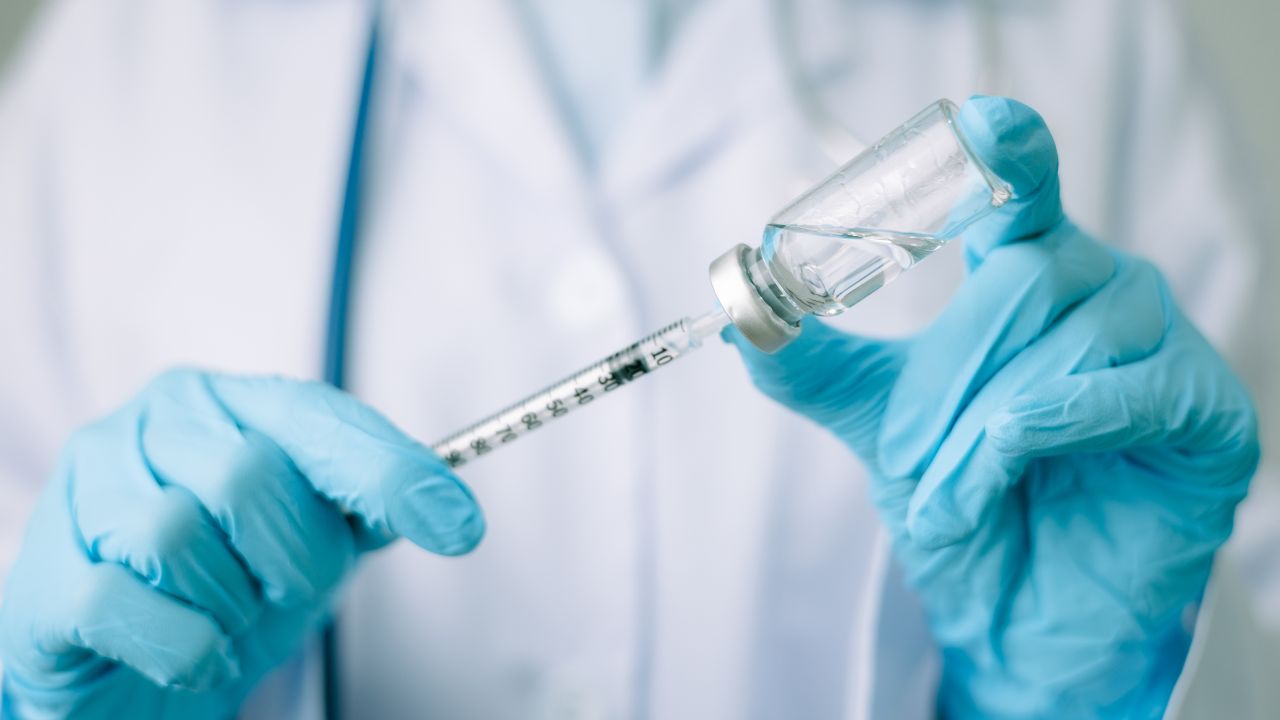
Chronic pain forces millions to choose between temporary symptom relief and treatments that actually heal damaged tissue. Both PRP injections and steroid injections reduce pain, but they work through fundamentally different mechanisms; one suppresses joint inflammation while the other promotes tissue regeneration.
Key Takeaways
- PRP promotes tissue healing through concentrated growth factors from your own blood
- Cortisone provides faster initial relief but doesn’t repair underlying damage
- PRP lasts 6-12 months on average; cortisone relief fades after 6-12 weeks
- Repeated steroid injections show diminishing returns and potential cartilage risks
- PRP costs more upfront ($500-$2,500) but requires fewer repeat treatments
What Are PRP And Cortisone Injections For Knee Pain?
PRP therapy harnesses your body’s natural healing mechanisms by concentrating platelets from your own blood. Cortisone delivers synthetic anti-inflammatory medication that suppresses pain signals.
What Is A PRP Injection For The Knee?
A PRP injection uses your body’s own healing cells to repair damaged knee tissue. Your doctor draws blood from your arm, concentrates the platelets using a centrifuge, and then injects the platelet-rich plasma directly into your knee joint. These concentrated platelets release growth factors, including PDGF, TGF-β, IGF-1, and VEGF, that stimulate tissue regeneration at the cellular level.
What Is A Cortisone Injection For The Knee?
Steroid injections deliver a synthetic corticosteroid directly into the knee joint to reduce joint inflammation and pain. Unlike PRP, cortisone doesn’t promote actual tissue healing; it provides symptom relief by controlling inflammation rather than repairing the underlying damage.
Key Differences: PRP vs. Cortisone
| Factor | PRP Injection | Cortisone Injection |
| Source/Material | Patient’s own concentrated platelets | Synthetic corticosteroid |
| Primary Goal | Promotes tissue regeneration | Reduces inflammation |
| Typical Protocol | Series of 1-3 injections spaced 2-4 weeks | Single injections as needed |
| Duration of Relief | 6-12 months (some studies show 18-24 months) | 6-12 weeks with diminishing returns |
| Cost | $500-$2,500 per treatment | $100-$300 per injection |
| Insurance Coverage | Typically out-of-pocket | Often insurance-covered |
How Do PRP And Cortisone Injections Work For Knee Pain Relief?
How Does PRP Work Inside The Knee Joint?
PRP delivers concentrated growth factors directly to damaged tissue, initiating a multi-phase healing response. These growth factors stimulate your body’s repair mechanisms, promoting new blood vessel formation, increasing collagen production, and encouraging healthy tissue regeneration. Rather than masking pain, regenerative medicine addresses the root cause by facilitating actual structural repair.
How Does Cortisone Reduce Knee Pain And Inflammation?
Cortisone suppresses your immune system’s inflammatory response within the knee joint. The corticosteroid blocks pain receptors and the production of inflammatory chemicals that cause pain and swelling. This creates rapid symptom relief, but cortisone doesn’t address the underlying tissue damage.
Why Does The Way Each Injection Works Affect How Long Relief Lasts?
PRP’s tissue regeneration approach creates structural changes that persist long after the injection, leading to more durable pain relief. Cortisone’s anti-inflammatory effects fade once the medication metabolizes, typically 6-12 weeks, because the underlying damage remains unchanged.
Which Knee Problems Are PRP And Cortisone Injections Most Often Used For?
Can PRP or Cortisone Help Knee Osteoarthritis?
Both treatments reduce osteoarthritis pain, but PRP shows superior long-term results. A 2022 NIH double-blind study of 58 knees found both effective at all time points, with maximal improvements at 6 weeks and 3 months. Mayo Clinic data shows PRP achieves 60-70% success rates lasting 6-12 months compared to cortisone’s 50-70% short-term relief.
Can PRP Or Cortisone Help Tendon-Related Or Soft-Tissue Knee Pain?
PRP excels at treating chronic tendon injuries because of its tissue regeneration properties. Conditions like patellar tendinopathy and ligament sprains respond particularly well to PRP’s growth factor delivery. Clinical studies show higher success rates for PRP in chronic tendon injuries compared to cortisone.
When PRP Or Cortisone May Not Help
Neither injection is a good fit for every knee problem:
- Severe bone-on-bone arthritis (Kellgren-Lawrence Grade 4) – advanced degeneration may require surgical intervention
- Active knee infection – injections are contraindicated during active infections
- Complete structural tears – extensive ligament ruptures need surgical repair
- Multiple failed injection attempts – non-response to 2-3 properly administered PRP treatments suggests the need for different interventions
Which Injection Works Faster For Knee Pain Relief?
How Quickly Does A Cortisone Knee Injection Start Working?
Cortisone produces the fastest results. Most patients experience significant pain reduction within 24-48 hours, with peak effects occurring during the first 4-6 weeks.
How Quickly Does A PRP Knee Injection Start Working?
PRP requires patience; tissue regeneration takes time. Most patients notice gradual improvement beginning 2-4 weeks after injection.
Choose Based On Your Timeline
Need relief within 1-2 weeks? Cortisone delivers faster initial results, but relief fades after 6-12 weeks.
Can wait 4-6 weeks for results? PRP provides superior outcomes at 3-6 months with longer-lasting relief through tissue repair.
Which Injection Delivers Longer-Lasting Knee Pain Relief?
Duration of pain relief represents the most significant difference between PRP and steroid injections. PRP’s tissue regeneration approach creates lasting structural changes that cortisone’s anti-inflammatory mechanism cannot match.
How Long Does Pain Relief From A Cortisone Knee Injection Usually Last?
Cortisone provides temporary relief lasting 6-12 weeks on average. Repeated cortisone injections show diminishing returns; each subsequent injection tends to provide shorter relief periods and less dramatic pain reduction.
How Long Does Pain Relief From A PRP Knee Injection Usually Last?
PRP delivers significantly longer knee pain relief, with most patients experiencing 6-12 months of reduced pain after treatment. Mayo Clinic data confirms this timeframe, and some studies document benefits extending 18-24 months.
Evidence Timeline: PRP vs. Cortisone Results
| Follow-up Window | PRP vs. Cortisone Trend | Practical Takeaway |
| 6 weeks | Both effective, cortisone slightly better | Cortisone advantage in early weeks |
| 3 months | Both effective, maximal improvements | Comparable results at this timepoint |
| 6 months | PRP slightly better | PRP beginning to show durability advantage |
| 12+ months | PRP maintains benefit 6-12+ months vs. cortisone 6-12 weeks | Clear PRP advantage for long‑lasting pain relief |
Factors That Affect How Long Relief Lasts
- Condition severity and diagnosis (mild/moderate responds better than severe bone-on-bone arthritis)
- Patient factors (age, healing capacity, activity level)
- Treatment factors (completeness of PRP series, preparation quality)
What Are The Benefits And Drawbacks Of PRP vs. Cortisone Injections?
Main Benefits Of PRP For Knee Pain
- 60-70% success rate with at least 50% improvement in pain and function lasting 6-12 months
- Minimal risks: injection site pain and infection risk less than 1%
- Promotes actual tissue regeneration through growth factor release
- No systemic side effects like those seen with corticosteroids
- Mayo Clinic safety record: 1,100+ patients treated with no serious adverse events
Main Drawbacks Of PRP For Knee Pain
- Higher cost: $500-$2,500 per treatment, typically not covered by insurance
- Requires series of 1-3 injections spaced 2-4 weeks apart
- Slower onset of relief compared to cortisone
Main Benefits Of Cortisone For Knee Pain
- Better initial results, especially in first 4-6 weeks after treatment
- Lower cost: $100-$300 per injection, often covered by insurance
- Fast-acting relief ideal for acute inflammatory flares
Main Drawbacks Of Cortisone For Knee Pain
- Short duration: temporary relief of only 6-12 weeks typical
- Diminishing returns with repeated injections
- Cartilage degradation with repeated use (67% of animals showed cartilage deterioration)
- Tendon weakening and increased rupture risk
- Infection risk of approximately 1 in 1,000
What Are The Risks And Side Effects Of PRP vs. Cortisone Knee Injections?
PRP Knee Injection: Possible Side Effects
PRP is generally well-tolerated. Common side effects are usually mild and temporary:
- Mild post-injection pain or soreness (most common)
- Mild swelling for 24–48 hours
- Low infection risk (<1%)
- No serious adverse events reported in Mayo Clinic’s 1,100+ patient experience
Cortisone Knee Injection: Possible Side Effects
Cortisone is also commonly used but has some side effects to consider:
- Temporary pain flare in the first 24–48 hours
- Possible skin changes at the injection site
- Temporary blood sugar elevation (especially important for people with diabetes)
- Infection risk of about 1 in 1,000
Are Repeated Cortisone Injections A Concern?
Yes. Repeated steroid injections may increase the risk of:
- Cartilage damage
- Collagen/tendon weakening
- Possible bone density loss
- Reduced effectiveness over time
How Many Injections Are Usually Needed?
PRP: One Injection or a Series?
PRP is often done as a series of 1–3 injections, usually spaced 2–4 weeks apart. Some patients later use annual maintenance injections.
How Often Can Cortisone Be Repeated?
Most orthopedic surgeons limit cortisone to 3–4 injections per joint per year due to increasing risks and decreasing benefit with repeat use.
Injection Frequency And Follow-Up (Quick Guide)
PRP: 1–3 injections (2–4 weeks apart); reassess at 3–6 months
- If relief is short-lived: consider maintenance PRP or recheck diagnosis
Cortisone: Single injection as needed; reassess at 6–12 weeks
- If relief is short-lived: use caution with repeat injections and consider alternatives (including PRP)
How Much Do PRP And Cortisone Knee Injections Cost, And Are They Covered By Insurance?
How Much Does A PRP Knee Injection Usually Cost?
PRP knee injections cost $500-$2,500 per treatment. Since most protocols require a series of 1-3 injections spaced 2-4 weeks apart, total upfront costs typically range from $1,500 to $7,500. Some practices offer PRP injection services in Newport Beach with package pricing.
How Much Does A Cortisone Knee Injection Usually Cost?
Cortisone injections cost substantially less at $100-$300 per injection. However, the need for repeat injections every 6-12 weeks can accumulate costs over time.
Is PRP Usually Covered By Insurance For Knee Pain?
PRP remains a typically out-of-pocket expense. Most insurance companies classify PRP as experimental or investigational despite growing clinical evidence, making coverage rare.
Is Cortisone Usually Covered by Insurance For Knee Pain?
Steroid injections are often covered by insurance with standard specialist copays, making them significantly more accessible from a cost perspective.
What Should You Expect Before, During, And After PRP vs. Cortisone Knee Injections?
Preparation Checklist For Your Knee Injection
1-2 Weeks Before: Stop NSAIDs if getting PRP, as these interfere with platelet function. Cortisone patients can continue NSAIDs.
Day Of: Eat a light meal before PRP, wear loose clothing, and plan for 30-60 minutes for PRP or 15-30 minutes for cortisone.
What Happens During Your Knee Injection Appointment
For PRP: Blood draw from your arm → centrifugation to concentrate platelets (10-15 minutes) → injection into joint under guidance
For Cortisone: Knee area cleaned and sterilized → corticosteroid medication injected → brief observation
Recovery Comparison: PRP vs. Cortisone
| Recovery Aspect | PRP | Cortisone |
| Immediate soreness | Mild post-injection discomfort with possible swelling for 2-3 days | Possible post-injection pain flare in first 24-48 hours |
| Timeline to improvement | Gradual improvement over 4-6 weeks; full benefit at 3-6 months | Rapid improvement within days; maximal benefit at 4-6 weeks |
| Duration of benefit | 6-12 months (up to 18-24 months in some studies) | 6-12 weeks typical |
Activities To Avoid After Your Injection
First 48-72 Hours: Avoid soaking in hot tubs or pools, heavy lifting with knee flexion, prolonged standing, and gym workouts involving the injected knee.
First 1-2 Weeks (Especially for PRP): Avoid high-impact activities like running, jumping, heavy squats, and competitive sports.
How Do You Choose Between PRP And Cortisone For Longer-Lasting Knee Pain Relief?
Should You Choose PRP If Your Main Goal Is Longer-Lasting Relief?
Yes, PRP is the superior choice when durability matters most. Studies show PRP provides 6-12 months of pain relief, with some patients experiencing benefits for 18-24 months compared to cortisone’s typical 6-12 weeks. Mayo Clinic data demonstrates 60-70% success rates for sustained improvement.
Should You Choose Cortisone If Your Main Goal Is Fast Relief?
Yes, cortisone excels when you need rapid symptom control. Research shows cortisone produces better initial results in the first 4-6 weeks, making it appropriate for acute pain flares. However, understand the trade-off: faster onset comes with shorter duration and potential tissue damage risks with repeated use.
Patient Profile Comparison: Which Treatment Fits You?
| Patient Profile | Better-Fit Option | Key Research Support |
| Mild-moderate knee OA, wants longer relief | PRP | 60-70% success rate for 6-12+ months vs. cortisone’s 6-12 weeks |
| Acute inflammatory flare, needs fast relief | Cortisone | Better results in first 4-6 weeks; rapid onset within days |
| Budget-conscious, has insurance | Cortisone | $100-$300 and often covered vs. PRP $500-$2,500 out-of-pocket |
| Concerned about repeat injections | PRP | No cartilage degradation vs. 67% cartilage deterioration with repeated cortisone |
| Chronic tendon issues | PRP | Higher success rates for tendon repair through growth factor delivery |
Questions To Ask Your Doctor Before Choosing
- What is my exact diagnosis/severity?
- Which option is more likely to help someone like me?
- What are total costs/coverage?
- How many repeat cortisone injections are safe in my case?
What Are The Main Steps To Deciding Between PRP And Cortisone For Knee Pain?
Five-Step Decision Checklist
Step 1: Confirm Your Exact Diagnosis
Get imaging and clinical examination to determine severity. Both PRP and cortisone effectively treat knee osteoarthritis, but PRP shows superior results for chronic tendon conditions.
Step 2: Define Your Primary Goal
Clarify what matters most: fast relief or longer-lasting relief. Cortisone provides an advantage in weeks 1-6. PRP demonstrates a clear advantage at 6-12+ months through tissue regeneration.
Step 3: Assess Your Budget and Insurance Coverage
Calculate realistic total costs. Cortisone costs $100-$300 per injection and is often insurance-covered. PRP costs $500-$2,500 per injection and is typically out-of-pocket.
Step 4: Consider Repeat-Injection Concerns
Evaluate long-term safety profiles. Cortisone shows documented cartilage degradation with repeated use. PRP carries minimal risks with no serious adverse events in Mayo Clinic’s 1,100+ patient experience.
Step 5: Plan Your Timeline for Improvement
Can you wait 3-6 months for PRP’s full benefit? Or do you need relief within 4-6 weeks due to upcoming events or inability to tolerate current pain levels?
What Are Common Questions About PRP vs. Cortisone Injections for Knee Pain?
Patients often ask the same questions when comparing PRP and cortisone. Clear, evidence-based answers can help you choose with more confidence.
Is PRP Better Than Cortisone For Early Knee Osteoarthritis?
For early knee osteoarthritis, PRP and cortisone offer similar short-term relief, but PRP tends to provide better long-term results.
A 2022 NIH double-blind study found no significant difference between PRP and cortisone for mild-to-moderate knee OA (p=0.84), though PRP showed a slight advantage at 6 months. Overall success rates are similar (PRP ~60–70% vs. cortisone ~50–70%), but PRP usually lasts much longer (6–12 months vs. 6–12 weeks).
Because PRP may avoid the cartilage-degradation risk associated with repeated cortisone use, it’s often the better long-term option, especially for younger patients who may need treatment for years.
Is Cortisone Better Than PRP For A Severe Pain Flare?
Yes. Cortisone is usually the better choice for rapid relief during an acute inflammatory flare.
It consistently works faster in the first 4–6 weeks, making it useful when pain is severe enough to disrupt sleep, work, or daily function. PRP may catch up and outperform cortisone by 3–6 months, but it is not the best option when immediate pain control is the priority.
Can You Get Cortisone First And PRP Later?
Yes. In some cases, a sequential approach makes sense.
Doctors may use cortisone first to calm a severe flare, then use PRP later for longer-term healing once inflammation settles. This can also be helpful if you need fast relief while arranging finances or timing for PRP.
Timing matters, though. Some physicians recommend waiting 2–4 weeks between injections so cortisone does not interfere with PRP’s healing response. If you need urgent relief now but want a regenerative option next, this strategy may be a good fit.
Can PRP Or Cortisone Be Combined With Physical Therapy For Better Results?
Yes. Both injections often work better when paired with structured physical therapy.
The injection helps reduce pain and inflammation, which makes exercise more tolerable. Physical therapy then improves strength, joint mechanics, and movement patterns that may be contributing to the knee problem.
Many physicians recommend starting PT:
- 1–2 weeks after cortisone
- 2–4 weeks after PRP (after post-injection soreness improves)
This combination treats both symptoms (injection) and underlying functional issues (PT), often producing better results than either treatment alone.
Signs You May Need To Consider Other Treatments
Repeated injections can sometimes signal that it’s time to consider a different approach.
Evidence Of Treatment Failure
- Relief lasts less than 4–6 weeks after PRP (well below the expected 6–12 months)
- Cortisone provides diminishing relief with each injection
- No improvement after a full 2–3 injection PRP series
- Needing cortisone more often than every 3 months
Progression Of The Underlying Condition
- Pain continues to worsen despite injections
- New mechanical symptoms (locking, catching, giving way), which may suggest structural damage
- Imaging shows progression to severe arthritis (Kellgren-Lawrence Grade 4)
- Significant joint instability or deformity develops
When To Discuss Alternatives
- Surgical consultation (partial/total knee replacement, cartilage restoration)
- Other regenerative options (for example, stem cell therapy if you’ve only tried PRP)
- A comprehensive pain management program
What Should You Remember When Comparing PRP vs. Cortisone For Knee Pain Relief?
Both PRP and cortisone can reduce knee pain, but they serve different goals.
- PRP is generally better for longer-lasting relief because it supports tissue healing.
- Cortisone is generally better for fast, short-term relief, especially during pain flares.
- The best choice depends on your diagnosis, goals, timeline, budget, and comfort with repeat-injection risks.
Quick Takeaway: Match The Treatment To Your Goal
- Want longer relief (6–12+ months)? → PRP
- Need fast relief (days to weeks)? → Cortisone
- Concerned about repeat injection risks? → PRP
- Focused on cost/insurance coverage? → Cortisone
- Chronic tendon-related pain? → PRP
- Is mild-moderate knee OA and short-term relief acceptable? → Either may help
Final Steps Before Deciding
- Confirm your diagnosis with an exam and imaging
- Discuss realistic timelines (PRP is slower, cortisone is faster)
- Compare total costs and insurance coverage
- Review risks, especially if repeat injections are likely
- Plan follow-up to track results and next steps
Choosing between PRP and cortisone is not about which treatment is “best” overall; it’s about which is the best fit for your situation.
Get Expert Guidance On PRP vs. Cortisone For Your Knee Pain
At the Regenerative Institute of Newport Beach, Dr. Khyber Zaffarkhan specializes in regenerative medicine approaches that address the root cause of knee pain rather than just masking symptoms. Whether you’re seeking long‑lasting pain relief through PRP’s tissue regeneration, arthritis treatment, or need fast symptom control, we’ll create a personalized treatment plan based on your diagnosis, goals, and timeline.
Contact us today to schedule a consultation and discover which injection therapy is right for your knee pain.

