
Key Takeaways:
- Botox requires 15+ headache days monthly for FDA approval and insurance coverage, plus documented failure of at least 2 preventive medications before authorization.
- Treatment involves 155 units via 31 injections across 7 head/neck areas every 12 weeks, reducing headache days by 8-9 monthly after 2 cycles.
- Orange County costs range $1,550-$3,875 uninsured per session ($8,550/year), but insured patients pay only $1,176 annually with the BOTOX Savings Program reducing costs up to $700/treatment.
- Maximum benefit appears at 6-9 months after 2-3 treatment cycles, with 65% achieving ≥50% headache reduction—patience through initial cycles proves essential.
- Top Orange County providers include UCI Health (4.9★), Haven Headache & Migraine Center (4.7★), and Hoag Headache & Facial Pain Program (4.6★) offering specialized PREEMPT protocol expertise.
Chronic migraines steal productivity, relationships, and quality of life from millions seeking relief. Botox (onabotulinumtoxinA) offers FDA-approved preventive therapy achieving 65% success rates for patients failing traditional treatments. Understanding costs, effectiveness timelines, and Orange County provider options helps patients make informed decisions about this evidence-based intervention.
What Is Botox for Migraines and Why Is It Prescribed?
Botox for migraines represents a medical intervention fundamentally different from cosmetic applications. Understanding FDA approval criteria and clinical indications clarifies who benefits from this specialized treatment.
What does FDA approval for Botox in chronic migraine cover?
Botox received FDA approval in 2010 specifically for chronic migraine treatment in adults 18 years or older. The approval classifies Botox as a medical necessity rather than elective cosmetic procedure. This distinction ensures insurance coverage for eligible patients meeting clinical criteria for chronic patterns.
Why is Botox indicated only for chronic migraine and not episodic migraine?
“The more frequent the headaches, the better the patient does with Botox,” according to Dr. Andrew Blumenfeld, Director of The Headache Center of Southern California. Botox only works for chronic migraine—patients with episodic migraine or other headache disorders won’t respond. The treatment targets neurological mechanisms specific to chronic patterns absent in lower-frequency migraines.
Who Qualifies for Botox Migraine Treatment?
Qualification criteria determine eligibility for this specialized intervention. Meeting specific thresholds ensures appropriate candidate selection and insurance authorization.
How many headache days per month meet chronic migraine criteria?
FDA approval requires 15 or more headache days per month for chronic migraine diagnosis. This frequency threshold persisting for three consecutive months establishes chronic status. The 15-day standard separates patients requiring aggressive preventive intervention from those manageable with episodic treatment approaches.
What prior treatment failures are typically required before Botox?
Insurance requires documented proof of trying and failing at least two other preventive medications before Botox approval. Prior authorization universally demands evidence of 2+ failed preventive trials from different drug classes. This requirement ensures Botox serves patients exhausting first-line options rather than as initial therapy.
How Does Botox Work to Prevent Migraines?
Understanding Botox’s mechanism clarifies why the treatment requires time and consistent administration. The neurological intervention differs fundamentally from acute pain relief.
How does Botox affect nerve signaling involved in migraine?
Botox enters nerve endings near injection sites blocking release of chemicals involved in pain transmission. This process prevents activation of pain networks in the brain leading to migraine attacks. The treatment temporarily reduces muscle contractions for approximately three months, requiring repeated administration and maintaining preventive effects.
Why does migraine Botox use a standardized medical protocol?
The standardized PREEMPT protocol established through clinical trials ensures optimal results. Deviating from recommended injection sites or dosage significantly reduces effectiveness. The protocol’s precision targets specific convergence points where multiple pain pathways meet, maximizing therapeutic impact while minimizing side effects.
How Effective Is Botox for Chronic Migraines Based on Clinical Data?
Clinical evidence demonstrates meaningful improvement for most patients attempting Botox. Understanding realistic expectations prevents premature treatment abandonment.
How many headache days are reduced on average per treatment cycle?
After two treatment cycles totaling 24 weeks, patients experienced an average of 8-9 fewer headache days monthly from baselines around 19 days. Approximately 65% of patients achieve at least 50% reduction in monthly headache days after three treatment cycles. These results represent clinically meaningful improvement restoring function and quality of life.
Why do outcomes improve after the second and third cycles?
“I look to the second and third treatments to maximize effects. Patients see increasing benefit with an increase in the number of treatment cycles,” explains Dr. Blumenfeld. Most patients experience full benefits after the second or third cycle—approximately 6-9 months after starting. Maximum benefit typically occurs at 6-9 months as neurological changes accumulate progressively.
What Does a Botox for Migraines Treatment Session Include?
Understanding the practical procedure helps set realistic expectations. The standardized approach ensures consistency across providers and sessions.
How many injections are given using the PREEMPT protocol?
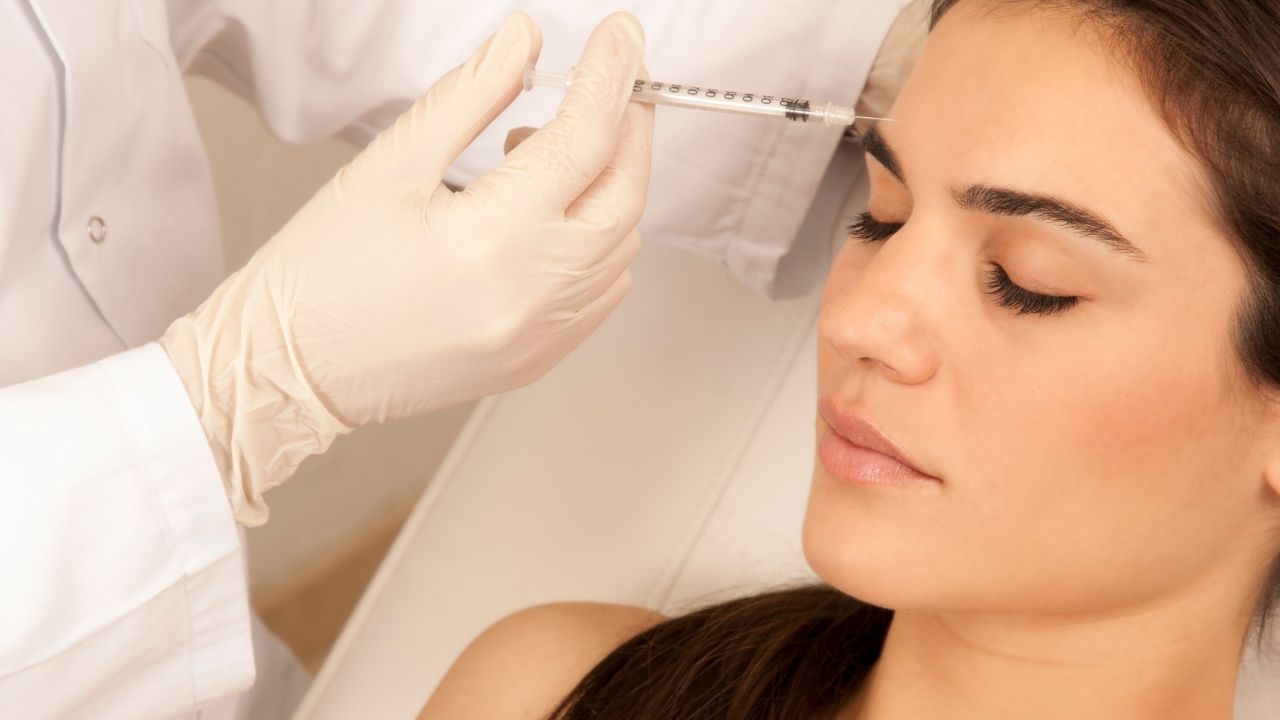
Standard protocol involves 155 units of Botox administered via 31 injections distributed across seven key head and neck areas. Treatment uses very small needles feeling like pinpricks rather than deep injections. Sites include forehead, temples, back of head, and neck regions targeting shallow muscles in the skin.
Where are injections placed and why are those sites used?
The 31 injection sites target specific anatomical locations where chronic migraine pathways originate. Botox injections in Orange County follow this evidence-based pattern proven through extensive clinical trials. Sites target convergence points where multiple pain pathways meet, addressing peripheral sensitization feeding central nervous system hyperexcitability.
How long does a typical treatment appointment last?
Treatment appointments take approximately 20 minutes from start to finish. Some providers complete procedures in 10-15 minutes once patients establish regular treatment rhythms. The brief appointment duration makes Botox accessible for busy patients managing work and family obligations around treatment schedules.
What Can Patients Expect After Botox Injections?
Post-treatment experiences vary individually but follow predictable patterns. Knowing common side effects and improvement timelines supports informed consent.
What side effects are most commonly reported in studies?
Neck pain and stiffness represents the most frequently reported side effect, usually resolving within a few days without intervention. Some patients experience temporary headaches after injections. Injection site pain, bruising, or swelling remain generally minor and localized. Eyelid drooping (ptosis) occurs less commonly when Botox spreads to nearby muscles—it’s temporary, typically resolving within a few weeks.
What timeline is typical for noticing improvement?
Some patients notice improvements after first injections, but full therapeutic benefits often take longer to manifest. Similar to understanding treatment timelines with other interventions, Botox requires patience as effects build progressively. Significant change typically comes after the third treatment when neurological recalibration reaches maximum effectiveness.
What symptoms should prompt follow-up with a provider?
Rare but serious risks include muscle weakness, difficulty swallowing (dysphagia), or breathing problems requiring immediate medical attention. The FDA issued warnings about botulinum toxin potentially spreading beyond injection sites. While extremely uncommon, any concerning symptoms warrant urgent provider contact rather than waiting for scheduled follow-up appointments.
How Much Does Botox for Migraines Cost in Orange County?
Cost represents a significant consideration for patients evaluating treatment options. Understanding pricing structures and variables helps budget appropriately.
What are typical self-pay cost ranges per treatment cycle?
Price per unit in Orange County ranges from $10 to $25 depending on provider and location. Single uninsured treatment sessions cost between $1,550 and $3,875 for the 155-unit standard dose. Annual uninsured cost totals $6,200 to $15,500 for four required yearly sessions, though $8,550 represents the typical annual expense.
Why do Orange County prices differ by provider and setting?
More experienced practitioners and prestigious clinics, particularly those in prime locations like Newport Beach, charge higher per-unit costs. Practitioner expertise, clinic location, and treatment frequency influence final pricing. Choosing skilled providers ensures proper injection technique maximizing response likelihood while minimizing complication risk.
What costs are separate from the Botox medication itself?
Consultation fees, facility charges, and follow-up appointments often add to medication costs. Some providers bundle these services while others bill separately. Initial consultations establishing diagnosis and treatment plans may require separate payment before beginning injections, particularly for self-pay patients without insurance coverage.
Is Botox for Migraines Covered by Insurance in California?
Insurance coverage dramatically reduces patient costs. Understanding authorization requirements streamlines the approval process.
What insurance criteria are commonly required for approval?
Most major insurance plans cover Botox for chronic migraine, including Medicare Part B and Medi-Cal, when specific clinical criteria are met. Insurers universally require prior authorization before approving treatment. Documentation must prove chronic migraine diagnosis—15+ headache days monthly—and failure of at least two other preventive medications.
How many preventive medication failures are usually needed?
Prior authorization requires proof of trying and failing at least two different preventive medications from separate drug classes. Each failed trial must demonstrate adequate dosing for sufficient duration—typically 2-3 months minimum. This requirement ensures Botox serves as second-line therapy after exhausting more conservative first-line options.
What documentation improves authorization success?
After meeting deductibles, average co-pays approximate $96 per treatment, totaling around $384 annually for four sessions. Some insured California patients pay $294 per treatment, totaling $1,176 annually. The BOTOX Savings Program covers up to $700 per treatment for commercially insured patients, significantly reducing out-of-pocket expenses for eligible individuals.
Bridge: How Does the Botox for Migraines Process Work Step by Step?
Understanding the sequential process from evaluation through ongoing treatment helps patients navigate the system efficiently. Each step builds toward successful long-term management.
Step 1: How is chronic migraine eligibility confirmed?
Providers review headache diaries documenting frequency, severity, and functional impact over at least 30 consecutive days. Diagnosis requires 15+ headache days monthly persisting for three months. Comprehensive evaluation excludes other headache types ensuring Botox appropriateness for specific patterns.
Step 2: How is insurance authorization or self-pay arranged?
Insurance authorization requires submitting clinical documentation including diagnosis, headache frequency data, and failed preventive medication trials. The prior authorization process typically takes 2-4 weeks. Self-pay patients arrange payment plans or utilize manufacturer savings programs reducing upfront costs.
Step 3: How is the first treatment scheduled and prepared for?
Initial treatment scheduling occurs after authorization approval or self-pay arrangement confirmation. Patients receive pre-treatment instructions regarding medications to avoid and what to expect during the procedure. The first session establishes baseline documentation tracking future response patterns.
Step 4: How are follow-up treatments planned every 12 weeks?
Treatment schedules follow 12-week intervals maintaining consistent prevention as previous effects diminish. Sessions repeat every 10-12 weeks per cycle throughout the year. Comprehensive pain management solutions often coordinate Botox with other interventions addressing all aspects of chronic migraine management.
How Often Must Botox Treatments Be Repeated?
Treatment frequency directly impacts effectiveness. Understanding timing requirements supports adherence and optimal outcomes.
Why is the 12-week interval clinically important?
Standard protocol administers 155 units every 12 weeks maintaining therapeutic levels as each cycle’s effects gradually diminish. Adherence to the recommended 12-week schedule proves essential for achieving and maintaining optimal results. The interval aligns with Botox’s duration of action, preventing gaps in prevention.
What happens when treatments are delayed or skipped?
Skipping or delaying treatments allows migraine frequency and severity to return toward baseline levels. Treatment effectiveness builds cumulatively over time—inconsistent administration disrupts this progression. Each missed session potentially resets progress requiring additional cycles rebuilding preventive benefits.
How Is Botox Treatment Success Measured Over Time?
Objective measurement separates true improvement from placebo effects. Standardized metrics guide treatment continuation or modification decisions.
Why is reduction in monthly headache days the primary metric?
Frequency reduction represents the most meaningful outcome measure for chronic migraine treatment. Fewer headache days restore work capacity, social engagement, and daily function regardless of individual attack severity. Clinical trials and insurance evaluations use 50% reduction in monthly headache days as the standard success benchmark.
How are disability and rescue-medication use evaluated together?
One 45-year-old marketing executive from Irvine with 20+ monthly migraine days reduced to 5-6 days by the third cycle while decreasing acute pain medication use by over 70%. This dual improvement—fewer headaches and less rescue medication—indicates comprehensive disease control. Tracking both metrics reveals functional improvement beyond simple headache counts.
When should treatment be adjusted or combined with other options?
A small percentage of patients prove true non-responders experiencing minimal benefit despite proper administration. After 3-4 treatment cycles without meaningful improvement, providers consider alternative preventives or combination strategies. Comparing different treatment approaches helps identify optimal interventions when Botox alone proves insufficient.
What Risks and Limitations Should Patients Understand?
Every treatment involves potential risks requiring informed decision-making. Understanding limitations prevents unrealistic expectations and supports appropriate candidate selection.
Who should not receive Botox for migraines?
Contraindications include known allergy to botulinum toxin or certain neuromuscular disorders affecting muscle function. Pregnant or breastfeeding women should avoid Botox due to limited safety data. Patients with infection at proposed injection sites require treatment delay until resolution occurs.
What rare but serious side effects are discussed in guidelines?
The FDA warns about botulinum toxin potentially spreading beyond injection sites causing muscle weakness, swallowing difficulty, or breathing problems. While extremely rare, these serious complications require immediate medical attention. Providers discuss these risks during informed consent ensuring patients understand potential complications despite low occurrence rates.
Why does Botox not work for every chronic migraine patient?
Incorrect diagnosis prevents effectiveness—Botox only works for chronic migraine, not episodic patterns or other headache types. Inadequate adherence to the PREEMPT protocol reduces effectiveness when injection sites or dosages deviate from standards. Even with proper administration, some patients prove true non-responders due to individual biological variability.
How Does Botox Compare to Other Preventive Migraine Treatments?
Understanding comparative effectiveness and costs guides informed treatment selection. Different options suit different patient profiles and preferences.
How does Botox differ from oral preventive medications?
Topiramate costs $480 annually uninsured ($120 insured) while Propranolol costs $360 uninsured ($96 insured) for daily oral preventives. Botox’s annual insured cost of $1,176 exceeds oral medications but provides superior adherence through quarterly rather than daily dosing. Similar to comparing different pain relief approaches, cost-effectiveness depends on individual response and tolerability.
When is Botox chosen instead of newer injectable therapies?
CGRP monoclonal antibodies cost $7,620 uninsured annually ($1,800 insured) compared to Botox’s $8,550 uninsured ($1,176 insured). With insurance, Botox often costs less than CGRP mAbs while offering comparable or superior effectiveness for chronic migraine. Quarterly Botox administration requires fewer appointments than monthly CGRP injections, reducing healthcare visit burden.
Why are combination preventive strategies sometimes used?
Partial responders to Botox may benefit from adding complementary therapies addressing multiple mechanisms simultaneously. Combination approaches target different aspects of migraine pathophysiology—Botox addresses peripheral sensitization while other treatments target central mechanisms. Comprehensive strategies often achieve outcomes exceeding any single intervention’s capacity.
What Should Patients Look for in an Orange County Botox Provider?
Provider selection significantly impacts treatment success. Specific qualifications and experience markers identify optimal practitioners.
Why does experience with migraine-specific Botox matter?
Skilled practitioners ensure injections are administered correctly, maximizing positive response potential while minimizing side effect risk. Board-certified neurologists or headache specialists with extensive PREEMPT protocol experience deliver superior outcomes. The American Migraine Foundation recommends asking: Where did you learn to give Botox? How many times have you given it? How many injections will you give? Where will you give them?
What questions should be asked during a consultation?
Ask about specific training in the PREEMPT protocol, annual Botox patient volume, and complication rates. Clarify insurance acceptance, prior authorization support, and financial assistance program coordination. Discuss expected timelines, success benchmarks, and criteria for adjusting treatment plans when initial approaches prove inadequate.
How does structured follow-up affect long-term outcomes?
UCI Health achieves 4.9★ ratings from 183 reviews while Haven Headache & Migraine Center scores 4.7★ and Hoag Headache & Facial Pain Program rates 4.6★. Average satisfaction across Orange County clinics reaches 4.6★, reflecting high-quality care availability. Structured follow-up tracking response patterns enable timely adjustments optimizing individual outcomes.
How Can Patients Prepare for a Botox Migraine Consultation?
Proper preparation maximizes consultation value. Organized documentation and clear questions facilitate efficient evaluation.
What headache data and records should be brought?
Bring 30-90 days of headache diary data documenting frequency, severity, duration, triggers, and medication use. Compile complete medication history including doses, durations, and reasons for discontinuation. Gather prior imaging, specialist evaluations, and treatment records demonstrating failed preventive attempts supporting insurance authorization.
What treatment goals should be discussed upfront?
One 58-year-old retired teacher from Huntington Beach averaging 15-18 headache days monthly dropped below 10 days for the first time in decades after the third treatment. Discuss realistic goals—50% reduction represents clinical success rather than complete elimination. Clarify priorities between frequency reduction, intensity decrease, and functional improvement guiding treatment evaluation.
What expectations should be set for the first year of care?
Expect gradual improvement rather than immediate transformation. Plan for 3-4 treatment cycles before evaluating full effectiveness—approximately 9-12 months total. Budget time for quarterly appointments and potential insurance reauthorization processes. Understanding realistic timelines prevents premature discontinuation before treatments achieve maximum benefit.
What Is the Next Step for Patients Considering Botox for Migraines?
Taking action requires systematic steps. Understanding the evaluation process helps patients move efficiently toward treatment.
How can patients confirm they meet chronic migraine criteria?
Track all headaches daily for 30 consecutive days documenting whether each meets migraine criteria. Count total headache days and migraine-specific days. If totals reach 15+ headache days with 8+ migraines monthly for three consecutive months, chronic migraine diagnosis becomes likely pending provider confirmation.
What is the best way to begin the evaluation process locally?
The American Migraine Foundation provides a doctor database helping patients find qualified providers in Orange County. Recommended specialists include board-certified neurologists or headache specialists with specific PREEMPT protocol training. Schedule consultations at highly-rated facilities like UCI Health, Haven Headache & Migraine Center, or Hoag Headache & Facial Pain Program.
How can patients plan realistically for results over time?
Establish baseline frequency during month one, initiate treatment during month two, and evaluate initial response during month three. Expect meaningful improvement by months 6-9 after 2-3 treatment cycles. Define success as significant functional improvement—returning to work, resuming activities, reducing disability—rather than complete headache elimination creating unrealistic expectations.
Begin Your Journey to Migraine Control Today
Chronic migraines don’t have to define your future indefinitely. The Regenerative Institute of Newport Beach specializes in comprehensive migraine management combining Botox with personalized care strategies. Our team understands the frustration of failed treatments and the desperation for relief that actually lasts beyond temporary respite.
Contact us today to schedule your evaluation and determine if Botox represents the right solution for your chronic migraine patterns. Let evidence-based treatment transform your future from one of perpetual suffering to sustained control and restored function. Your path to fewer headache days and better quality of life starts with informed action today.

