
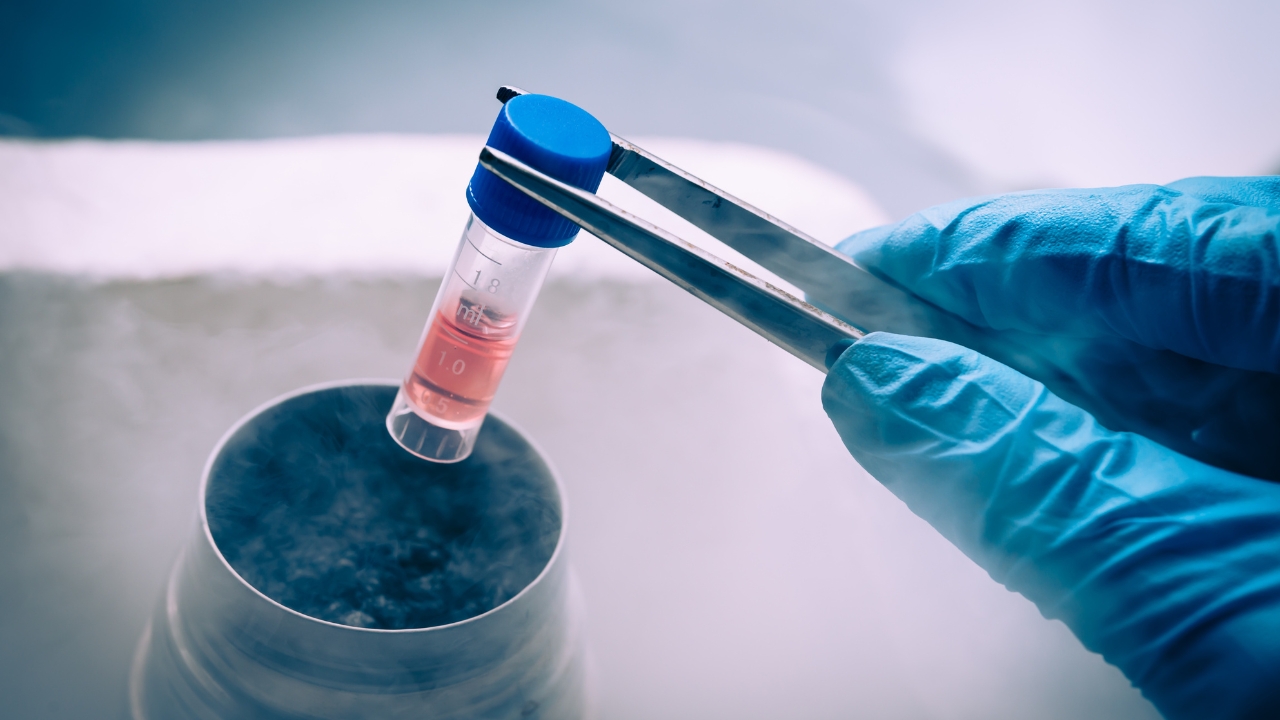
Bone marrow stem cell harvesting extracts specialized cells from the pelvic bones for therapeutic use. This procedure provides access to both hematopoietic stem cells that form blood components and mesenchymal stem cells that support tissue regeneration.
The global stem cell therapy market grew from $18.13 billion to $22.09 billion in 2025 and continues expanding rapidly. Understanding how stem cell therapy works helps patients evaluate whether bone marrow harvesting aligns with their treatment goals.
Key Takeaways
- Bone marrow harvesting involves 100 to 200 needle punctures under anesthesia to extract stem cells from the iliac crests
- Average stem cell therapy costs approximately $10,000, with transplants for hematological conditions exceeding $289,000
- Clinical success rates for regenerative applications range from 50% to 90%, with peak benefits realized 3 to 6 months post-treatment
- Stem cell concentration decreases 10-fold between ages 20 and 80, affecting treatment outcomes in older patients
- North America commands 53% to 54% of the global market share, projected to reach $54 billion to $80 billion by 2035
What Is Bone Marrow Stem Cell Harvesting?
Bone marrow stem cell harvesting is a surgical procedure that removes stem cells from the posterior iliac crests using specialized aspiration needles. Physicians perform this bone marrow stem cell harvesting under anesthesia to minimize discomfort during the extraction process.
The stem cell collection process involves puncturing the bone in multiple locations to access different marrow cavities. Medical teams filter the aspirated material through progressively finer meshes to isolate viable stem cells for therapeutic applications.
What Types of Stem Cells Are in Bone Marrow?
Bone marrow is a reservoir of both hematopoietic and mesenchymal stem cells that serve distinct therapeutic functions. Hematopoietic stem cells generate all blood cell types, while mesenchymal variants differentiate into connective tissues.
Mesenchymal Stem Cells (MSCs) are in high demand for angiogenesis, skin tissue repair, and skeletal tissue regeneration. These multipotent cells respond to biochemical signals and migrate to damaged areas where inflammatory markers concentrate.
How Does Bone Marrow Compare to Other Stem Cell Sources?
PBSCs less invasive than bone marrow aspiration and often yield higher stem cell concentration after mobilization. Peripheral blood collection requires multiple G-CSF injections over several days before apheresis begins.
PBSCs may carry a slightly higher risk of chronic GVHD in allogeneic settings compared to bone marrow harvests. Cord blood total cellular yield is lower than that of adult sources, sometimes requiring pooled units.
Cord blood sometimes necessitates double-cord transplants for adult patients due to low cellular yield per unit. Umbilical Cord Blood provides highly primitive, potent stem cells collected non-invasively after birth.
Why Is Bone Marrow Harvesting Important for Stem Cell Therapy?
Bone marrow harvesting supplies cells capable of treating both malignant hematological disorders and degenerative musculoskeletal conditions. Adult Stem Cells (ASCs) have an established safety profile and are widely used in autologous and allogeneic therapies.
Regenerative medicine represents 93.0% of applications within the broader stem cell therapy market. This dominance reflects growing demand for non-surgical interventions addressing chronic pain and tissue degeneration.
What Conditions Are Treated Using Bone Marrow Stem Cells?
Hematological malignancies treated with allogeneic therapies include leukemia, lymphoma, and myeloma, requiring immune system reconstitution. Donor stem cells replace diseased marrow and provide graft-versus-tumor effects that eliminate residual cancer cells.
70% to 80% improvement in pain reduction and joint function for knee osteoarthritis demonstrates efficacy across musculoskeletal applications. 87.5% of patients experience sustained improvement within three months of treatment, with responsive patients experiencing relief lasting 5 to 7 years.
Clinical success rates across regenerative applications range from 50% to 90% depending on condition severity and cellular quality. Variations in outcome reflect differences in patient age, comorbidities, and adherence to post-treatment protocols.
How Does Bone Marrow Support Regenerative Medicine?
Bone marrow-derived mesenchymal stem cells migrate to sites of inflammation and secrete paracrine factors that modulate immune responses. These biochemical signals reduce inflammation, promote angiogenesis, and stimulate resident tissue progenitor cells.
The cells differentiate into chondrocytes, osteoblasts, and adipocytes when exposed to appropriate microenvironmental cues. This plasticity enables targeted tissue repair in joints, tendons, and ligaments affected by degenerative changes.
How Is Bone Marrow Stem Cell Harvesting Performed?
Bone marrow stem cell harvesting requires specialized medical equipment and trained personnel to ensure adequate cellular yield. Patient preparation for bone marrow harvest includes fasting and discontinuing anticoagulant medications several days before the scheduled procedure.
The harvesting procedure typically occurs in an operating room equipped with sterile fields and anesthesia monitoring. Medical teams coordinate timing to minimize cellular degradation between extraction and therapeutic application.
What Are the Steps in the Bone Marrow Aspiration Procedure?
Bone marrow harvesting performed under general anesthesia or subarachnoid anesthesia allows physicians to access deep marrow cavities. Patient positioned prone on the operating table exposes the posterior pelvic region for needle insertion.
The posterior pelvic region was sterilized and draped with surgical towels, establishing a sterile field to prevent contamination. Specialized puncture needles access the posterosuperior area of both iliac crests through one or two small skin incisions.
The physician varies the depth and direction of the needle to access different marrow cavities throughout the pelvic bone. This technique maximizes cellular yield while preventing excessive blood dilution from repeated punctures in identical locations.
What Equipment and Techniques Are Used?
100 to 200 individual punctures performed during bone marrow harvesting extract sufficient stem cells for transplantation or regenerative injection. 4-5 mL of marrow blood aspirated per individual pull maintains optimal cellular concentration without excessive dilution.
Maximum total volume limited to 15-20 mL per kilogram of donor body weight prevents hemodynamic instability. Marrow filtered through 850 μm, 500 μm, and 200 μm meshes removes bone fragments and fat globules.
Sodium heparin or ACD-A is used as an anticoagulant in collection bags to prevent clot formation during processing. Sterile containers maintain cellular viability until laboratory technicians complete final purification and concentration steps.
What Are Patient Considerations During the Procedure?
Mild soreness at the injection or harvest site, common in days 1-7, resolves with over-the-counter analgesics. Patients are advised to avoid heavy exercise or lifting in days 1-7 post-injection to allow tissue healing at puncture sites.
Patients gradually return to normal activities in weeks 1-4 as residual discomfort subsides. Measurable improvements become pronounced in months 1-3 when transplanted or injected cells fully engraft.
Peak therapeutic benefits realized in months 3-6+ coincide with maximum tissue remodeling and inflammation resolution. The post-harvest recovery guide emphasizes gradual activity resumption to prevent complications during the critical healing window.
What Are the Advantages and Limitations of Bone Marrow Compared to Peripheral Blood and Cord Blood Stem Cells?
Bone marrow harvesting provides direct access to stem cells in their native microenvironment without mobilization agents. This eliminates the need for multi-day G-CSF protocols required for peripheral blood collection.
However, the invasive nature of bone marrow aspiration requires anesthesia and produces temporary discomfort at harvest sites. Comparing stem cell therapy sources explained helps patients understand trade-offs between procurement methods and cellular characteristics.
How Does Peripheral Blood Stem Cell Collection Work?
Peripheral Blood Stem Cells (PBSCs) are collected via apheresis after G-CSF injections mobilize stem cells into the bloodstream. Granulocyte colony-stimulating factor (G-CSF), used to mobilize stem cells, stimulates bone marrow to release progenitor cells over 4 to 5 days.
Apheresis machines separate stem cells from whole blood through continuous-flow centrifugation during outpatient sessions. Chronic graft-versus-host disease (GVHD), possible with peripheral blood stem cells, occurs slightly more frequently than with bone marrow transplants.
This increased GVHD risk reflects higher T-cell content in mobilized peripheral blood collections. Physicians balance this consideration against faster engraftment times when selecting optimal stem cell sources.
What Are the Benefits of Umbilical Cord Blood Stem Cells?
Cord blood contains highly primitive stem cells with greater proliferative capacity than adult-derived alternatives. These cells demonstrate enhanced immunological naivety, reducing HLA-matching requirements and lowering acute rejection risk.
Collection occurs immediately after birth through non-invasive placental drainage, eliminating donor discomfort entirely. The primary limitation involves lower total cell counts, often requiring double-cord transplants for adult recipients.
| Attribute | Bone Marrow | Peripheral Blood (PBSC) | Cord Blood |
| Collection Method | Needle aspiration from the iliac crest under anesthesia | Apheresis after several days of G-CSF injections | Non-invasive drainage collected right after birth |
| Invasiveness | Surgical, requires anesthesia and recovery time | Outpatient, needle-based over multiple sessions | None for the donor or mother |
| Typical Cell Yield | High, drawn directly from native marrow | Higher after mobilization agents are used | Lower, sometimes requiring pooled or double-cord units |
| GVHD Risk (Allogeneic Use) | Lower relative risk | Slightly higher due to increased T-cell content | Lowest, due to greater immunological naivety |
How Much Does Bone Marrow Stem Cell Harvesting Cost?
The average cost for a stem cell therapy procedure is approximately $10,000 for localized regenerative injections targeting single joints. Pricing varies dramatically based on cellular source, processing complexity, and clinical indication.
Understanding stem cell therapy cost for knees provides insight into financial considerations for common orthopedic applications. Most regenerative procedures lack comprehensive insurance coverage, making out-of-pocket expenses a significant barrier for many patients.
What Are Typical Price Ranges for Stem Cell Therapies?
Budget tier ranges from $3,500 to $10,000 for basic autologous procedures using minimally processed cells. Mid-range tier ranges from $10,000 to $20,000 for specialized processing, multi-site injections, or allogeneic sources.
Premium tier ranges from $20,000 to $100,000+ for comprehensive treatment protocols or experimental therapies. $5,001-$10,000 range was the most frequently selected price point by consumers in late 2025, according to market surveys.
This pricing distribution reflects consumer preference for moderately priced interventions over budget options perceived as lower quality. Premium services attract patients seeking cutting-edge protocols not yet widely available through standard channels.
| Tier | Price Range | Typical Use |
| Budget | $3,500 to $10,000 | Basic autologous procedures using minimally processed cells |
| Mid-Range | $10,000 to $20,000 | Specialized processing, multi-site injections, or allogeneic sources |
| Premium | $20,000 to $100,000+ | Comprehensive treatment protocols or experimental therapies |
How Do Costs Vary for Major Transplants Involving Bone Marrow?
Median total healthcare cost for allogeneic myeloablative transplant approaches is $289,000, including hospitalization, supportive care, and follow-up. Reduced-intensity conditioning transplants cost exceeding $63,000 for the first 100 days, represent a less intensive alternative.
Stem cell procurement alone averages $36,100, covering donor screening, mobilization, collection, and processing. Additional expenses include pre-transplant chemotherapy, lengthy hospital stays, immunosuppressive medications, and management of potential complications like GVHD.
Insurance coverage varies significantly, with most policies covering FDA-approved transplants for hematological malignancies. Investigational regenerative applications typically require full patient payment unless included in clinical trial protocols.
Who Benefits Most from Bone Marrow Stem Cell Harvesting?
Patient age, baseline health status, and specific medical condition significantly influence treatment outcomes and complication risk. Evaluating what conditions can stem cell therapy treat helps identify candidates most likely to experience meaningful improvement.
Younger patients with isolated degenerative conditions generally achieve superior results compared to older individuals with multiple comorbidities. Careful patient selection maximizes therapeutic benefit while minimizing adverse events and unnecessary expense.
How Do Age and Health Affect Outcomes?
Up to one-third of all transplant recipients in the US are over age 65 due to advances in reduced-intensity protocols. Bone marrow stem cell concentration decreases 10-fold between ages 20 and 80, reducing autologous cellular potency.
Cellular proliferation capacity drops by 50-70% in adults over 70 due to telomere shortening and accumulated DNA damage. Patients aged 55 and younger are more likely to report greater than 50% improvement in hip arthritis compared to their older counterparts.
Reduced-intensity conditioning (RIC) transplants make treatments safer for older adults by minimizing chemotherapy toxicity. This approach balances disease control against transplant-related mortality in elderly populations with limited physiological reserve.
What Are Geographic and Demographic Trends in Usage?
North America commands approximately 53% to 54% of the total market share, driven by advanced healthcare infrastructure. Asia Pacific region is projected to expand at a 10% CAGR as middle-class populations gain access to regenerative therapies.
66 million rural Americans (20% of the population) lack access to qualified cell and gene therapy treatment centers. Significant disparities in access between rural and urban populations result in delayed diagnosis and suboptimal treatment timing.
Rural populations have lower overall survival rates compared to urban populations following stem cell transplantation. Geographic barriers necessitate extended travel, temporary relocation, and coordination challenges that complicate post-treatment monitoring.
What Should Patients Consider Before Undergoing Bone Marrow Stem Cell Harvesting?
Thorough evaluation of provider credentials, facility accreditation, and treatment protocols ensures regenerative therapy safety and efficacy. Patients must distinguish between evidence-based medical practices and unregulated direct-to-consumer clinics making exaggerated claims.
Reviewing how to prepare for stem cell therapy establishes realistic expectations and optimizes physiological conditions before harvesting. Proper preparation includes nutritional optimization, medication adjustments, and understanding post-procedure activity restrictions.
What Are the Key Safety and Efficacy Concerns?
Immune rejection risk with allogeneic therapies occurs when the recipient’s immune system recognizes donor cells as foreign. Graft-versus-host disease with allogeneic therapies develops when donor immune cells attack recipient tissues.
Infection risks concern patients considering stem cell therapy due to temporary immunosuppression following transplantation. Potential tumor formation from unregulated products and severe infections from unregulated products represent serious complications from non-FDA-approved interventions.
Choosing accredited facilities with board-certified physicians minimizes these risks through proper patient screening and sterile technique. Regulatory oversight ensures adherence to manufacturing standards that prevent contamination and maintain cellular integrity.
How Do Patients Evaluate Providers and Clinics?
Skepticism regarding unproven claims made by direct-to-consumer clinics has increased following high-profile adverse events and regulatory warnings. High out-of-pocket costs are a major barrier for patients when insurance coverage excludes investigational regenerative procedures.
Patients should verify physician board certification, facility accreditation, and published clinical outcomes before committing to treatment. Transparent communication about success rates, potential complications, and alternative treatment options indicates ethical practice standards.
Understanding is stem cell therapy right for you requires an honest assessment of individual circumstances and the quality. Consulting multiple providers and requesting detailed treatment protocols helps patients make informed decisions.
Bone Marrow Stem Cell Harvesting in the Context of the Evolving Stem Cell Therapy Market
The global stem cell therapy market, valued at $18.13 billion to $22.09 billion in 2025, reflects accelerating adoption across therapeutic categories. Market projected to reach $54.15 billion to $79.95 billion by 2034-2035, driven by aging populations and chronic disease prevalence.
Compound Annual Growth Rate (CAGR) estimated between 12.95% and 16.3% over 2025-2035 positions stem cell therapy among fastest-growing medical sectors. Specialized regenerative medicine segments are projected to grow at rates exceeding 23% as clinical evidence strengthens and regulatory pathways clarify.
Adult Stem Cells account for 86.1% revenue share in 2025 due to established safety profiles and widespread clinical acceptance. This dominance reflects decades of transplantation experience and FDA approval for specific hematological indications.
The market expansion creates opportunities for improved access but also attracts poorly regulated providers exploiting patient desperation. Comparing stem cell therapy for arthritis against conventional treatments helps patients identify evidence-based alternatives to invasive surgery.
Bone marrow stem cell harvesting will remain central to regenerative medicine despite emerging alternatives like adipose tissue and placental sources. The procedure’s established track record and regulatory acceptance provide a foundation for innovation in cellular processing and targeted delivery.
Take the Next Step Toward Lasting Relief
Bone marrow stem cell harvesting is one part of a larger, personalized path back to a pain-free life. Dr. Khyber Zaffarkhan and the team at the Regenerative Institute of Newport Beach evaluate each patient individually to determine whether stem cell therapy, PRP, or another non-surgical option fits their condition and goals.
A personalized consultation is the clearest way to find out whether this treatment fits your condition. To live better, contact the Regenerative Institute of Newport Beach today! Call us at (949) 438-1888 or schedule a consultation online to speak with our team.
Frequently Asked Questions
Q1. Is Bone Marrow Stem Cell Harvesting Painful?
A. Physicians perform the aspiration under general or subarachnoid anesthesia, so patients feel little to nothing during the procedure itself. Mild soreness at the puncture sites is common for the first several days afterward and typically responds well to over-the-counter analgesics. Most patients describe the discomfort as manageable and short-lived compared to the recovery associated with surgery.
Q2. How Long Does Recovery Take After Bone Marrow Harvesting?
A. Patients generally avoid heavy exercise or lifting for the first week to allow the puncture sites to heal. Normal activities resume gradually over the following one to four weeks as residual soreness fades. Measurable improvements from the harvested cells often become noticeable within one to three months, with peak benefits realized between three and six months post-treatment.
Q3. Who Is a Good Candidate for Bone Marrow Stem Cell Therapy?
A. Candidates typically have chronic joint, spine, or soft tissue conditions that have not responded fully to conservative treatments like physical therapy or medication. Younger patients with isolated degenerative conditions and fewer comorbidities tend to see stronger results, since stem cell concentration and cellular proliferation capacity decline with age. A consultation with a board-certified physician is the most reliable way to confirm candidacy for an individual case.
Q4. Does Insurance Cover Bone Marrow Stem Cell Harvesting?
A. Most insurance policies cover FDA-approved bone marrow transplants used for hematological conditions like leukemia or lymphoma. Regenerative applications for orthopedic and musculoskeletal conditions are generally considered investigational and are not covered, making them an out-of-pocket expense for most patients. Financing options and transparent pricing tiers can help patients plan for treatment costs in advance.
Q5. How Is Bone Marrow Harvesting Different From a Bone Marrow Transplant?
A. Bone marrow harvesting refers specifically to the collection procedure, in which stem cells are aspirated from the iliac crests for later use. A bone marrow transplant is the broader clinical process that follows, where those harvested cells, or cells from a matched donor, are administered to treat conditions such as blood cancers or immune disorders. Regenerative injections for joint and spine conditions use the harvested cells directly, without the conditioning and engraftment steps required for a full transplant.

