
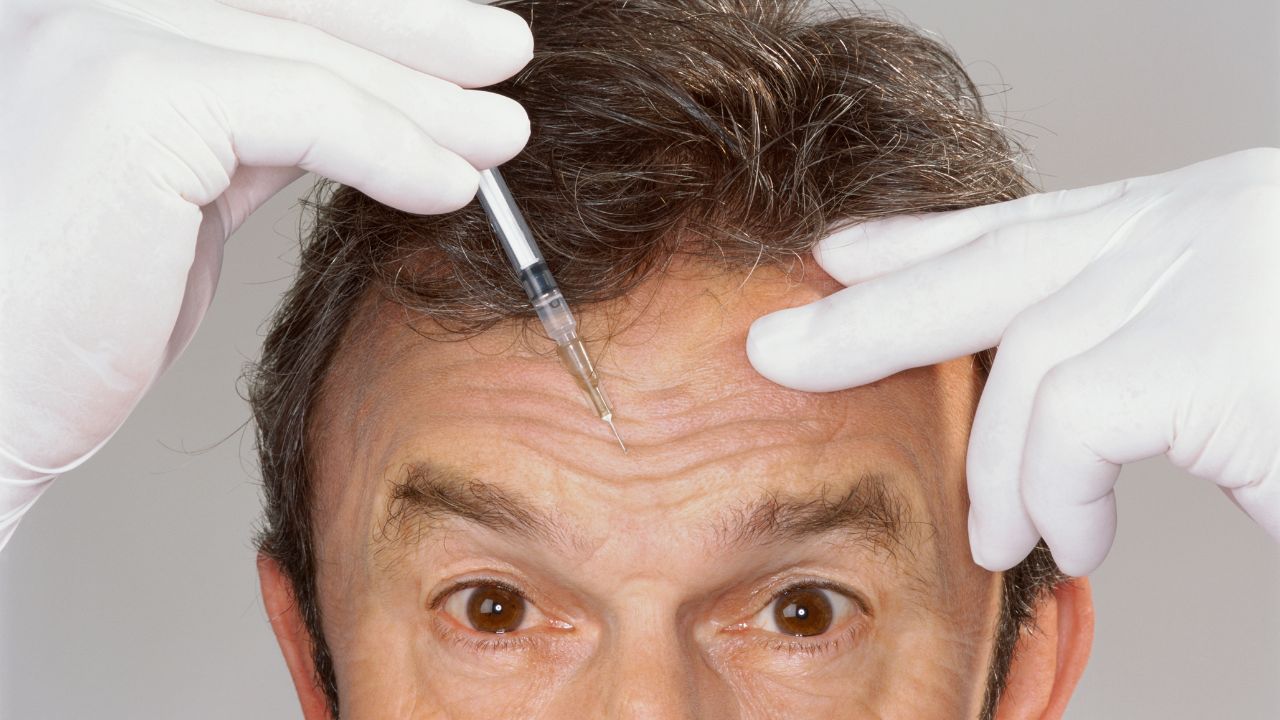
Botox migraine treatment represents a significant advancement in preventive care for people experiencing frequent, debilitating headaches. This FDA-approved therapy uses targeted injections to reduce migraine frequency and severity in patients with chronic migraine. Understanding the treatment schedule, expected timeline for results, and long-term outcomes helps patients make informed decisions about this therapeutic option.
The quarterly injection protocol requires commitment to a specific schedule and realistic expectations about gradual improvement. Unlike acute medications that provide immediate relief during an attack, Botox works preventively to reduce future headache occurrences. Patients considering this therapy benefit from understanding how it compares to other preventive approaches and what factors influence individual treatment outcomes.
Key Takeaways
- Botox is administered every 12 weeks for chronic migraine prevention, not episodic headaches
- Full therapeutic benefits typically emerge after 2-3 treatment cycles (24-36 weeks)
- 44% of patients achieve at least 50% reduction in monthly headache days
- Long-term safety data support sustained efficacy over multiple years of continuous treatment
- Treatment success depends on proper patient selection, adherence to quarterly scheduling, and realistic expectations
What Is Botox and How Does It Work for Migraines?
Definition and Approved Use for Chronic Migraine
Botox is FDA-approved specifically for chronic migraine, defined as 15 or more headache days per month lasting four or more hours. The therapy is not approved for episodic migraine, which involves fewer than 15 headache days monthly. This distinction matters because insurance coverage and treatment protocols differ based on migraine classification.
Chronic migraine significantly impacts daily functioning, work productivity, and quality of life for affected individuals. The FDA approval followed extensive clinical trials demonstrating that understanding chronic migraines requires distinguishing between episodic and chronic patterns. Proper diagnosis ensures patients receive appropriate treatment based on their specific headache frequency and characteristics.
Botox Injection Sites and Administration Protocol
Botox is administered via 31-39 shallow injections across seven specific head and neck muscle areas. The PREEMPT protocol refers to the standardized injection pattern developed through clinical trials. This systematic approach targets the corrugator, procerus, frontalis, temporalis, occipitalis, cervical paraspinal, and trapezius muscles.
Each injection delivers a precise dose of onabotulinumtoxinA to specific nerve pathways involved in migraine pathophysiology. The procedure typically takes 15-20 minutes in an outpatient setting without requiring anesthesia. Healthcare providers trained in the PREEMPT protocol ensure consistent placement and dosing across all injection sites.
Mechanism of Action in Migraine Prevention
OnabotulinumtoxinA blocks the release of neurotransmitters involved in pain signal transmission from nerve endings. This mechanism prevents pain signals from reaching the brain before migraine headaches fully develop. The therapeutic effect differs from the cosmetic use of Botox, which targets muscle movement.
How Botox stops chronic migraines involves blocking calcitonin gene-related peptide and other pain mediators at nerve terminals. Research suggests Botox also reduces neurogenic inflammation and sensitization of peripheral pain pathways. These combined mechanisms explain why the treatment requires time to achieve full preventive effects.
How Often Is Botox Treatment for Migraine Administered?
Typical Treatment Frequency and Session Scheduling
Botox treatment frequency follows a standardized schedule of every 12 weeks, or four times annually. This quarterly timing aligns with the duration of the therapeutic effect from each injection session. Maintaining consistent 12-week intervals optimizes sustained migraine prevention and prevents symptom recurrence between treatments.
Healthcare providers typically schedule the next appointment before patients leave each session to ensure adherence. Missing scheduled treatments or extending intervals beyond 12 weeks may result in returning symptoms. Insurance authorization often requires documentation of regular quarterly scheduling to maintain coverage for ongoing therapy.
Expected Timeline for Initial and Full Therapeutic Effects
Migraine Botox frequency differs from immediate relief because the medication requires time to modulate nerve pathways. Most patients notice initial improvements after the first treatment, but full therapeutic effects emerge after 2-3 cycles. This 24-36 week timeline represents a critical period when patients must maintain realistic expectations about gradual improvement.
The delayed onset occurs because Botox gradually blocks pain signal transmission and reduces neurogenic inflammation over time. Some patients experience modest severity reduction after the first treatment before achieving significant frequency reduction. Botox for headache relief requires patience as the cumulative effects build across multiple treatment sessions.
Patient Selection Criteria for Botox Therapy
Ideal candidates have chronic migraine with documented failure of at least two oral preventive medications. Patients who experience intolerable side effects from oral preventives also qualify for Botox consideration. Additional selection factors include patient preference for localized treatment and willingness to commit to quarterly procedures.
Healthcare providers evaluate headache frequency through patient diaries documenting at least one month of baseline symptoms. Contraindications include neuromuscular disorders, pregnancy, and allergy to botulinum toxin components. The selection process ensures treatment appropriateness and maximizes the likelihood of therapeutic benefit for individual patients.
What Are the Long-Term Benefits and Risks of Botox Treatment?
Sustained Efficacy Over Multiple Treatment Cycles
Long-term Botox results demonstrate that 44% of patients achieve at least 50% reduction in monthly headache days. Clinical trials show patients experience an average reduction of 8-9 headache days per month with continued treatment. These sustained benefits persist across multiple years when patients maintain regular quarterly injection schedules.
Real-world evidence over 10 years confirms maintained efficacy without a significant decline in therapeutic response. Many patients report improved quality of life, reduced acute medication use, and better functional capacity. The durability of effect makes Botox a viable long-term preventive strategy for appropriately selected chronic migraine patients.
Safety Profile and Common Side Effects
Botox demonstrates a favorable safety profile, with most side effects being mild and transient. Potential effects include localized pain or weakness at injection sites, typically resolving within days. Neck pain and muscle stiffness represent the most commonly reported temporary adverse events.
Serious side effects remain rare when treatment follows proper protocols and patient selection criteria. Side effects of Botox for migraines include temporary eyelid drooping if injections near the forehead migrate. Long-term safety data spanning over a decade support the continued use of this therapy without significant cumulative risks.
Considerations for Treatment Continuation or Discontinuation
Treatment continuation decisions depend on therapeutic response, tolerability, and patient preferences after adequate trial periods. Healthcare providers typically recommend at least three treatment cycles before evaluating overall effectiveness. Discontinuation may be appropriate if patients show no improvement or develop intolerable side effects.
Some patients successfully taper treatment frequency after achieving sustained improvement over extended periods. Others require ongoing quarterly injections to maintain migraine control and prevent symptom recurrence. Regular communication between patients and healthcare providers ensures treatment plans align with evolving clinical needs and goals.
How Does Botox Compare to Other Migraine Preventive Treatments?
Comparing Botox With CGRP Monoclonal Antibodies
CGRP stands for Calcitonin Gene-Related Peptide, a key protein involved in migraine pathophysiology. CGRP monoclonal antibodies captured 56.68% of the therapeutic class market share in 2024. Utilization of these medications increased 177.5% between 2018 and 2020, reflecting their growing acceptance.
Available CGRP mAb brands include Aimovig (erenumab), Ajovy (fremanezumab), Emgality (galcanezumab), and Vyepti (eptinezumab). These medications are administered via subcutaneous injection monthly or quarterly, or through quarterly IV infusion. Both CGRP mAbs and Botox offer effective prevention, but differ in mechanism, administration route, and insurance requirements.
Advantages and Disadvantages Relative to Oral Preventives
Patient treatment preferences show CGRP mAbs at 28.5%, oral preventatives at 22.1%, and Botox at 18.2%. Lifestyle interventions account for 16.3%, natural remedies 10.5%, and acupuncture 4.4%. These preferences reflect varying priorities regarding effectiveness, convenience, side effects, and treatment philosophy.
Oral preventives require daily adherence and often cause systemic side effects affecting multiple body systems. Botox offers localized treatment without daily medication requirements, appealing to patients who struggle with pill adherence. However, the quarterly procedure requirement and injection-related discomfort represent potential disadvantages compared to daily oral medications.
Role of Botox in Combination or Integrative Therapies
Combining Botox with complementary approaches may address multiple migraine pathways simultaneously for enhanced outcomes. Pain relief with Botox can be optimized when patients also implement lifestyle modifications and trigger avoidance. Integration of therapies allows for potentially lower doses of multiple treatments rather than maximal doses of single agents.
Healthcare providers increasingly recognize that multimodal approaches suit many chronic migraine patients better than monotherapy. Combining Botox with CGRP mAbs remains under investigation, though some patients receive both therapies concurrently. The integrative model emphasizes treating the whole person rather than focusing solely on pharmacological intervention.
What Patient Factors Influence Botox Treatment Outcomes?
Demographic and Clinical Characteristics Affecting Response
Women are three times more likely to experience migraines than men, influencing the patient population receiving treatment. Migraine prevalence is highest in the 18-44 age group at 27.9%, followed by 21.4% in the 45-64 age group. The 65+ age group shows 8.8% prevalence, indicating a lower migraine burden in older populations.
Individual response to Botox varies based on migraine subtype, comorbidities, and medication overuse patterns. Patients with medication overuse headache may require concurrent acute medication reduction for optimal Botox response. Identifying migraine triggers alongside Botox treatment helps patients understand which factors influence their individual response patterns.
Insurance and Cost Considerations for Patients
Commercial enrollees showed 6.0% CGRP mAb utilization in 2020, while Medicaid enrollees showed only 2.7% utilization. Insurance step-therapy requirements create barriers requiring patients to fail multiple oral preventives before accessing Botox. These prior authorization processes delay treatment access and create frustration for patients and providers.
Out-of-pocket costs for Botox range from $114-$294 per treatment with insurance coverage. Uninsured patients face costs of $1,393 to $2,396 per session, making insurance coverage essential. Many patients require assistance programs or appeals to secure coverage, adding an administrative burden to treatment access.
Patient Preferences and Expectations Regarding Treatment
84% of patients on preventive treatment wish there was a better option, indicating widespread dissatisfaction. Patient priorities include effectiveness at 31.7%, mode of administration at 28.8%, durability of effect at 27.0%, and speed of onset at 25.5%. Consistent effectiveness ranks at 21.8%, reflecting concerns about variable response across treatment cycles.
Setting realistic expectations about gradual improvement prevents premature treatment discontinuation during the initial cycles. Success rates and timelines help patients understand that Botox works differently from acute medications, providing immediate relief. Clear communication about expected outcomes aligns patient hopes with clinical realities.
How Is Botox Integrated With Lifestyle and Complementary Approaches?
Role of Lifestyle Interventions Alongside Botox
The SEEDS framework encompasses Sleep, Exercise, Eat, Diary, and Stress management as foundational migraine interventions. Lifestyle modifications include maintaining 7-8 hours of consistent sleep nightly and engaging in moderate aerobic exercise. Recommended exercise involves 30-50 minutes of activity 3-5 days weekly to raise the migraine threshold.
These interventions complement Botox by addressing triggers and overall health factors that influence migraine frequency. Regular sleep schedules prevent sleep deprivation, a common migraine trigger, while exercise reduces stress. Combining pharmacological prevention with lifestyle optimization provides comprehensive migraine management, addressing multiple contributing factors.
Complementary Therapies That Support Migraine Management
Evidence-based supplements include magnesium, riboflavin (Vitamin B2), and Coenzyme Q10 (CoQ10) for migraine prevention. Riboflavin requires 12+ weeks for prophylaxis effects, similar to the timeline for full Botox benefits. These supplements may support mitochondrial function and reduce neurogenic inflammation through different mechanisms than Botox.
Acupuncture shows a 4.05-day decrease in migraine frequency after two months of regular treatment. How allergies affect migraine frequency represents another consideration when developing comprehensive treatment plans. Acupuncture requires multiple sessions, with a full course of 16 sessions recommended for optimal results.
Enhancing Treatment Adherence and Overall Outcomes
Maintaining adherence to quarterly Botox schedules requires systems for appointment reminders and calendar management. Tracking headache frequency through mobile apps or paper diaries helps patients recognize gradual improvements. This documentation also supports insurance reauthorization and helps healthcare providers assess treatment effectiveness objectively.
Patient education about realistic timelines prevents premature discontinuation when immediate, dramatic results don’t occur. Support groups and educational resources help patients navigate the treatment journey with realistic expectations. Combining pharmacological treatment with self-management strategies empowers patients to actively participate in their migraine control.
What Should Patients Expect During the Botox Treatment Journey?
Managing Side Effects and Injection Site Reactions
Common injection site reactions include temporary redness, tenderness, or bruising that typically resolves within days. Applying ice before and after injections may reduce discomfort and minimize bruising at injection sites. Avoiding blood-thinning medications and supplements before treatment can also reduce bruising risk when medically appropriate.
Neck stiffness and muscle soreness represent normal responses to multiple injections across the head and neck areas. These symptoms generally peak within 24-48 hours after treatment and resolve without intervention. What to expect during Botox treatment includes understanding that temporary discomfort represents a normal part of the injection process.
Recognizing Gradual Improvement Versus Immediate Relief
Patients should track headache frequency, severity, and duration to identify subtle improvements over time. The first treatment cycle may produce modest severity reduction rather than dramatic frequency changes. Comparing monthly headache days across 3-month periods provides clearer evidence of treatment effectiveness than week-to-week comparisons.
Some patients notice improved function and reduced acute medication use before recognizing decreased headache frequency. Quality of life improvements may precede measurable changes in headache days on patient diaries. Understanding this gradual progression helps maintain treatment adherence through the critical initial treatment cycles.
Communicating With Healthcare Providers for Optimal Care
Regular communication about treatment response, side effects, and functional improvements guides ongoing care decisions. Patients should report any unexpected symptoms or concerns promptly rather than waiting for the next scheduled appointment. Rural areas have limited access to specialists, making telemedicine follow-ups valuable for ongoing monitoring.
Bringing completed headache diaries to appointments facilitates productive discussions about treatment effectiveness and necessary adjustments. Discussing acute medication use patterns helps providers identify medication overuse that may limit preventive effectiveness. This collaborative approach ensures treatment plans evolve based on individual response patterns and changing needs.
Botox for Migraines: Balancing Treatment Frequency With Long-Term Expectations
Successful Botox for headaches requires balancing the commitment to quarterly treatments with realistic long-term outcome expectations. The evidence supports sustained efficacy and favorable safety across multiple years of continuous treatment. Understanding the gradual onset of benefits, typical response rates, and factors influencing individual outcomes helps patients make informed decisions.
The quarterly injection schedule represents a manageable commitment for most patients compared to daily oral medications. Long-term benefits include reduced headache frequency, improved quality of life, and decreased reliance on acute medications. Combining Botox with lifestyle modifications and complementary approaches may enhance outcomes for some patients.
At the Regenerative Institute of Newport Beach, we understand that chronic migraine significantly impacts your ability to maintain an active, fulfilling lifestyle. Our team provides personalized migraine management integrating the latest evidence-based treatments with comprehensive care approaches.
Ready to Take Control of Your Migraines? Consult With the Regenerative Institute of Newport Beach.
Chronic migraines don’t have to define your life. At the Regenerative Institute of Newport Beach, Dr. Khyber Zaffarkhan and our clinical team deliver evidence-based Botox treatment plans tailored to your migraine history, frequency, and long-term goals — so you can return to the active, pain-free lifestyle you deserve. If you’re ready to explore whether preventive Botox is right for you, schedule a consultation with our team today.

