Chronic pain affects 11-19% of adults, with 30% experiencing moderately severe to severe symptoms lasting six months or longer. Traditional pain management relies on medications that mask symptoms rather than address underlying tissue damage, leaving millions searching for better solutions.
Latest stem cell research demonstrates how regenerative approaches repair damaged tissue at the cellular level, offering long-term relief. Clinical data show success rates of 60-80% for joint issues and 70% for back pain, with many patients reducing or eliminating pain medication dependency.
Key Takeaways
- Stem cell therapy demonstrates 60-80% success rates for joint pain and 70% for chronic back pain
- Treatment costs range from $5,000-$50,000 compared to PRP’s $500-$2,500 per injection
- Athletes experience 40-50% faster recovery compared to traditional surgical interventions
- Geographic and socioeconomic factors create significant access disparities with only 15% rural availability
- Global regenerative medicine market projects growth from $35.47 billion to $90.01 billion by 2030
What Is Stem Cell Therapy and How Does It Work?
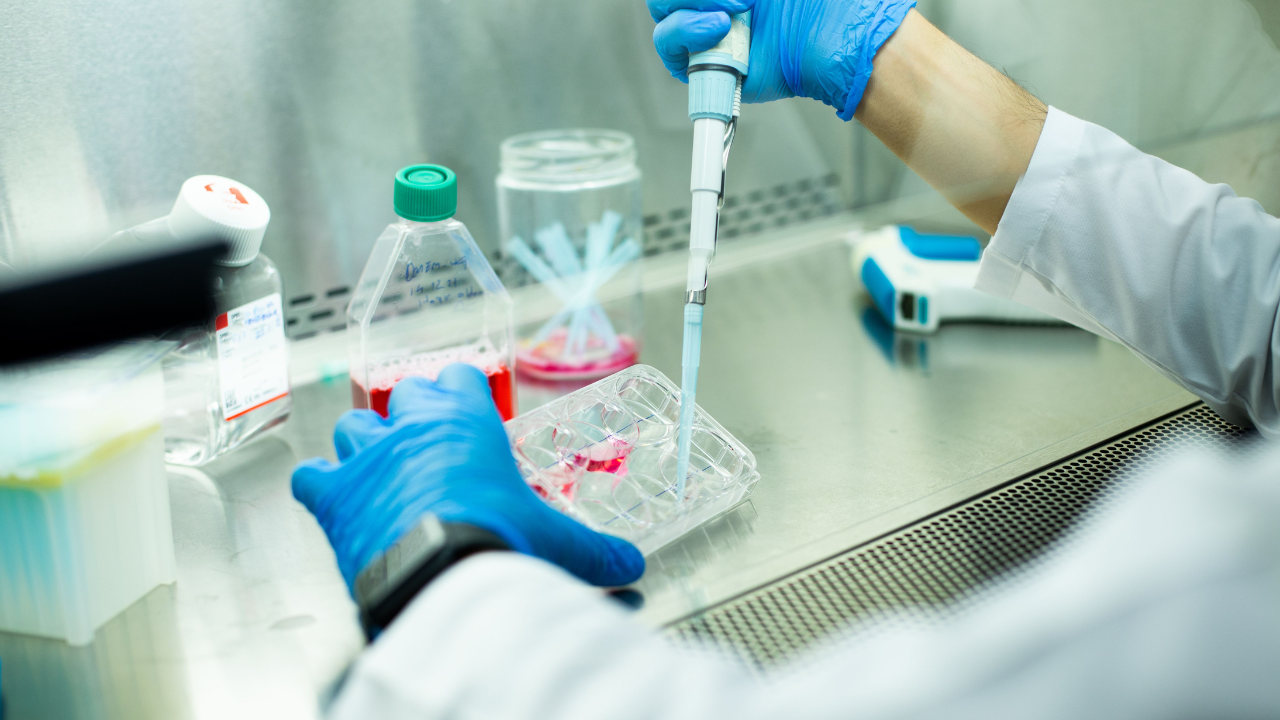
Stem cell therapy for pain introduces specialized cells into damaged tissue to stimulate natural healing processes. These cells differentiate into the specific tissue types needed for repair, releasing growth factors that reduce inflammation and promote regeneration.
The treatment targets the root cause of pain by rebuilding cartilage, repairing tendons, and restoring damaged nerves. Stem cell therapy works through direct injection into affected areas, where cells begin the regenerative process within days.
What Types of Stem Cells Are Used in Treatment?
Autologous stem cells are harvested from the patient’s own bone marrow or adipose tissue, eliminating rejection risks. Allogenic stem cells come from donor sources, offering off-the-shelf availability but requiring careful immune matching protocols.
Induced pluripotent stem cells represent the newest advancement, created by reprogramming adult cells to behave like embryonic stem cells. These three approaches allow physicians to select the optimal cell source based on patient needs and treatment goals.
How Does Stem Cell Therapy Differ from Other Regenerative Treatments?
Regenerative medicine moves from symptom management to therapies that repair, replace, or regenerate damaged tissues and organs. Stem cells possess fundamental regenerative potential that distinguishes them from other biologic treatments.
Platelet-rich plasma involves drawing the patient’s blood, centrifuging to concentrate platelets and growth factors, and injecting them into the injury site. PRP pricing ranges from $500-$2,500 per injection versus stem cell costs of $5,000-$50,000+ per treatment, reflecting the different levels of biological complexity.
PRP often requires multiple treatment sessions to achieve desired outcomes. The concentrated growth factors in PRP stimulatehttps://orthorepair.com/blog/stem-cell-therapy-vs-prp-a-breakdown-for-newport-beach-residents-with-chronic-pain/ healing but lack the cell differentiation capabilities that stem cells provide.
What Conditions Can Stem Cell Therapy Target in Pain Management?
Knee osteoarthritis responds to stem cell treatment with a 75% success rate and 88% patient satisfaction. The therapy rebuilds cartilage that has deteriorated from years of wear and mechanical stress.
Chronic back pain shows a 70% success rate when stem cells are injected into damaged spinal discs. Neuropathic pain achieves 75% success rates as stem cells repair damaged nerve pathways that conventional medicine struggles to address.
How Effective Is Stem Cell Research in Treating Chronic Pain?
Clinical trials demonstrate that the latest stem cell research has produced measurable improvements in pain reduction and functional restoration. Studies tracking patients for 12-24 months post-treatment show sustained benefits without the decline typically seen with conventional therapies.
Success rates vary by condition severity and patient factors, but overall outcomes significantly exceed traditional pharmaceutical approaches. The ability to reduce medication dependency represents a major advancement for patients facing long-term opioid or corticosteroid use.
What Are the Success Rates for Different Pain Conditions?
Overall success rates reach 60-80% for joint issues across multiple clinical studies. These statistics represent patients experiencing meaningful pain reduction and functional improvement that lasts beyond six months.
Between 60-70% of back pain patients reduce or eliminate pain medication following stem cell treatment. This medication reduction occurs because the underlying disc degeneration heals rather than merely having symptoms suppressed.
How Do Patients Experience Relief and Recovery?
Patient satisfaction ranges from 67.8% to 90% with treatment results across different conditions and protocols. These satisfaction scores reflect both pain reduction and improved quality of life in daily activities.
Approximately 80% of patients would choose the treatment again when surveyed months after their procedures. This willingness to repeat treatment indicates that benefits outweigh the costs and temporary discomfort of the injection process.
What Are the Safety Considerations and Risks?
Potential immune rejection risks exist with allogenic stem cell sources when donor matching is imperfect. Autologous treatments eliminate this concern by using the patient’s own biological material.
Variable PRP efficacy depends on preparation methods, with inconsistent protocols producing different platelet concentrations. Understanding safety profiles helps patients make informed decisions about which regenerative approach best fits their medical profile.
How Does Stem Cell Therapy Compare to Other Regenerative Medicine Options for Pain?
Regenerative medicine encompasses multiple treatment categories, each with distinct mechanisms and applications. Comparing these options requires understanding both biological differences and practical considerations like cost and accessibility.
Stem cell therapy represents the most advanced regenerative approach but carries the highest price point. Other modalities offer entry points at various investment levels depending on condition severity and treatment goals.
What Are the Key Differences Between Stem Cell Therapy and PRP?
Stem cells possess differentiation capabilities that allow them to become cartilage, bone, or other tissue types. PRP contains growth factors that stimulate existing cells but cannot replace missing or severely damaged tissue.
Treatment frequency differs significantly, with stem cell therapy typically requiring one or two sessions compared to PRP’s multiple injections. This difference reflects the more fundamental regenerative potential that stem cells provide versus the inflammatory reduction PRP offers.
What Role Does Tissue Engineering Play in Pain Treatment?
Tissue engineering combines scaffolds, cells, and biologically active molecules into functional tissues for implantation. The tissue engineering market reached USD 19.36 billion in 2024 and will grow to USD 43.13 billion by 2030.
Engineered skin and cartilage represent current tissue engineering products successfully used in clinical settings. Manufacturing complexity makes tissue engineering cost $8,000-$15,000+ compared to gene therapy’s $100,000-$300,000+ price range.
Highly complex manufacturing processes require specialized facilities and extensive quality control measures. These production challenges currently limit tissue engineering’s widespread availability compared to simpler stem cell or PRP preparations.
How Do Gene Therapy and Biomaterials Fit into Pain Management?
Gene therapy involves modifying genes inside a patient’s cells to treat or cure a disease at its genetic source. This approach holds promise for conditions where genetic factors drive chronic pain and inflammation.
Biomaterials are natural or synthetic materials designed to interact with biological systems for medical purposes. They provide structural support during tissue regeneration and can be engineered to release therapeutic compounds gradually.
Gene therapy carries potential off-target effects where unintended genetic changes create unexpected consequences. Foreign body responses with biomaterials can trigger immune reactions that compromise the implant’s effectiveness.
CRISPR-Cas9 technology enables precise gene delivery, opening new possibilities for correcting genetic pain disorders. These advanced approaches remain primarily experimental for pain management applications.
Who Are the Primary Candidates for Stem Cell Pain Treatments?
Patient demographics reveal distinct patterns in who seeks and benefits from regenerative medicine pain relief. Age, income, and location create significant differences in both access and treatment preferences.
Understanding these demographic factors helps identify barriers to broader adoption and informs strategies to expand access. The data show that regenerative medicine currently serves a relatively narrow patient population despite its broader potential.
How Do Age and Gender Influence Treatment Preferences?
The median patient age is 68 years, reflecting high osteoarthritis prevalence in older populations. Gender distribution shows 50% male and 50% female patients across most regenerative medicine applications.
Younger patients prefer stem cell therapy (40%) and PRP (35%) equally when seeking treatment for sports injuries. Middle-aged patients favor PRP (40%) for early-stage degenerative conditions, while older patients choose stem cell therapy (50%) for advanced arthritis.
What Impact Does Socioeconomic Status Have on Access?
Income adoption rates show stark disparities: 20% for those earning under $48,500, 45% for $48,500-$100,000, and 70% for those over $100,000. High cost barriers particularly affect patients earning under $48,500, who cannot afford out-of-pocket treatments.
Insurance rarely covers regenerative treatments, forcing patients to pay directly from savings or retirement accounts. This payment structure effectively excludes lower-income patients who might benefit significantly from these therapies.
How Does Geographic Location Affect Patient Availability?
Urban access reaches 75% while rural access remains at only 15%, creating significant geographic disparities. This gap exists because specialized regenerative medicine clinics concentrate in metropolitan areas with sufficient patient volume.
Only 15% rural access means three-quarters of rural residents lack reasonable proximity to treatment facilities. Patients in these areas must travel hours for consultations and procedures, adding travel costs to already expensive treatments.
What Advances in Stem Cell Research Are Driving New Pain Therapies?
Clinical trials continue expanding the applications and improving the protocols for regenerative medicine pain relief. Researchers are investigating optimal cell dosing, injection techniques, and combination approaches that enhance treatment outcomes.
The stem cell therapy segment will reach USD 54.45 billion by 2034, growing from USD 16.04 billion in 2024 at a 13% compound annual growth rate. This market expansion reflects both increasing adoption and continuous protocol improvements.
How Are Clinical Trials Shaping Treatment Protocols?
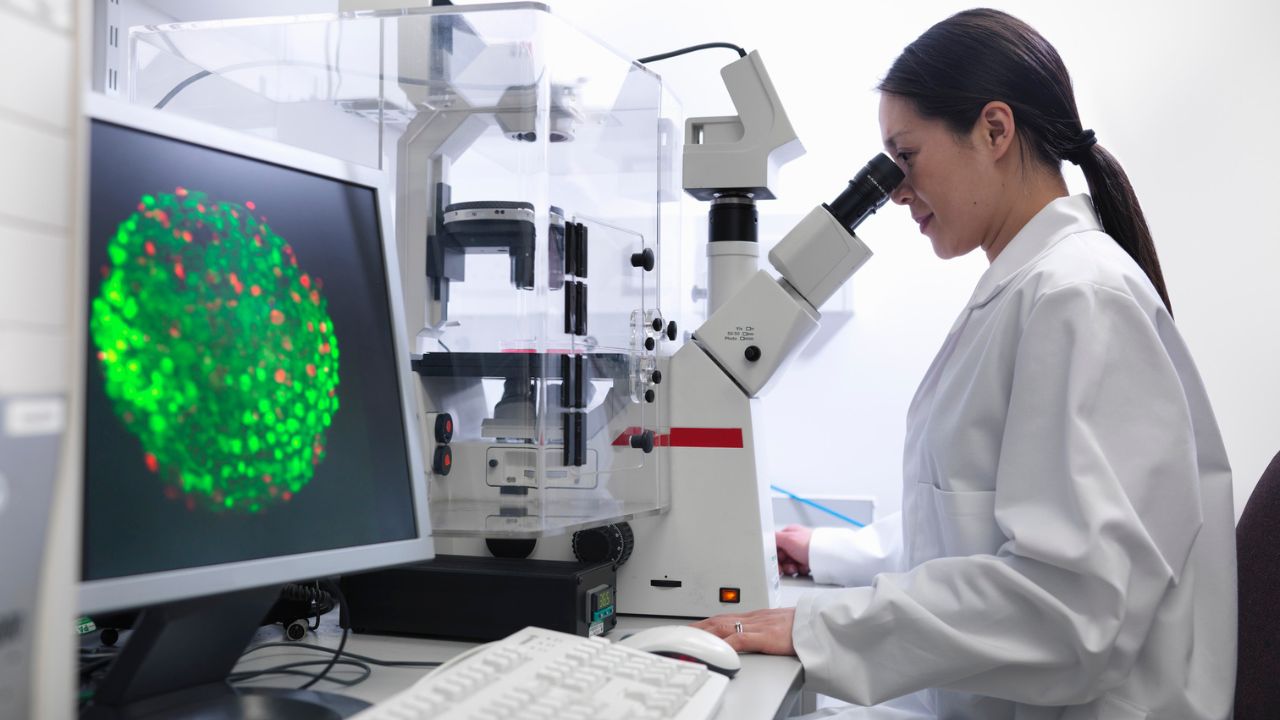
Ongoing clinical trials are establishing standardized protocols for cell preparation and injection techniques across different pain conditions. These studies compare various stem cell sources and concentrations to identify optimal treatment parameters.
Multi-center trials track patients for extended periods, documenting when pain relief begins and how long benefits persist. This longitudinal data helps physicians set realistic expectations and determine appropriate follow-up care schedules.
What Innovations Are Emerging in Mesenchymal Stem Cell Use?
Mesenchymal stem cells harvested from bone marrow or adipose tissue show particular promise for treating stem cells knee arthritis. These cells differentiate into cartilage and reduce joint inflammation through multiple biological pathways.
Enhanced isolation techniques now produce higher-quality cell preparations with greater regenerative capacity. Cryopreservation advances allow autologous cells to be banked when patients are younger, preserving optimal regenerative potential for later use.
How Is Research Addressing Neuropathic and Back Pain?
Intradiscal injections of stem cells for stem cells spinal pain are showing 70% success rates in early clinical trials. The cells promote disc regeneration by stimulating the body’s natural repair mechanisms within the damaged disc tissue.
For neuropathic pain, stem cells appear to modulate inflammatory responses around damaged nerves while supporting nerve regeneration. Research continues examining optimal delivery methods to maximize cell survival and therapeutic effects.
How Are Elite Athletes Utilizing Stem Cell and Regenerative Medicine for Pain Recovery?
Professional athletes have accelerated regenerative medicine adoption, driving public awareness and clinical refinement of treatment protocols. Their high-stakes recovery needs push physicians to optimize techniques that benefit all patients.
Athletes require faster return-to-play timelines than traditional surgery allows, making regenerative approaches particularly attractive. Their experiences demonstrate regenerative medicine’s potential when applied by skilled practitioners with proper patient selection.
What Are the Recovery Time Benefits Compared to Surgery?
Traditional surgery requires 8 weeks initial recovery and 26 weeks for full return to sports activities. PRP therapy allows 2 weeks of initial recovery and 8 weeks of full recovery, significantly reducing downtime.
Stem cell therapy needs 4 weeks of initial recovery and 20 weeks for full tissue regeneration, still faster than surgical intervention. Athletes experience a 40-50% faster return to activity versus traditional treatment methods.
Which High-Profile Athletes Have Used These Therapies?
George Kittle used stem cell therapy for double Achilles tendinosis and reports 100% improvement in quality of life. The San Francisco 49ers tight end now receives annual post-season regenerative treatments as preventive maintenance.
Rafael Nadal received stem cell treatments for back pain in 2013-2014 and PRP for knee issues throughout his career. He won the US Open in 2017 following dedicated PRP protocols that extended his competitive longevity.
Tiger Woods used PRP therapy for severe knee injuries, enabling faster recovery than surgical rehabilitation would allow. His successful return to professional golf demonstrated PRP’s efficacy for tendon and ligament healing.
What Clinical Evidence Supports Athletic Use?
Tendon and ligament injuries common in sports show 80% success rates with 85% patient satisfaction scores in clinical studies. These outcomes support regenerative medicine’s role in sports medicine beyond anecdotal athlete testimonials.
Athletes serve as a testing ground for protocols that eventually benefit the general patient population. The intensive monitoring athletes receive during recovery provides valuable data about treatment effectiveness and optimal rehabilitation protocols.
What Factors Influence Patient Decisions to Choose Stem Cell Therapy for Pain?
Treatment decisions involve weighing multiple factors, including clinical outcomes, financial investment, and practical considerations. Surveys reveal that patients prioritize effectiveness and safety over cost when making regenerative medicine choices.
Understanding these decision drivers helps explain adoption patterns and highlights areas where better patient education could improve treatment access. The data shows patients are willing to invest significantly when they understand potential benefits and risks.
How Do Efficacy and Safety Rank in Patient Priorities?
Efficacy ranks highest at 87.5%, with patients prioritizing the likelihood of successful pain relief above all other factors. Safety follows closely at 82.5%, reflecting concerns about complications and adverse events.
Recovery time matters to 77.5% of patients who want to return quickly to normal activities. Cost considerations affect 72.5% of decisions, though patients often choose effective treatments despite high prices.
What Role Do Cost and Provider Reputation Play?
Provider reputation influences 72.5% of patient decisions, with extensive research into physician credentials and facility quality. Patients understand that regenerative medicine outcomes depend heavily on practitioner skill and experience.
Cost presents a barrier but rarely stops determined patients who have exhausted conventional options. Many patients view regenerative treatments as a long-term investment compared to ongoing medication costs and potential future surgery.
How Important Is Convenience and Recovery Time?
Convenience ranks at 62.5%, with patients appreciating the minimally invasive nature of regenerative treatments. The outpatient setting and absence of hospital stays appeal to those with demanding schedules.
Recovery time’s 77.5% priority reflects the desire to avoid the extended disability periods surgical interventions require. Patients value treatments that allow faster return to work, exercise, and recreational activities.
Latest Stem Cell Research Insights and Their Impact on Pain Patients
The global regenerative medicine market reached USD 35.47 billion in 2024 and will hit USD 90.01 billion by 2030, growing at 16.83% compound annual growth rate. Alternative projections from Fortune Business Insights estimate USD 51.65 billion in 2025, reaching USD 555.58 billion by 2035.
Precedence Research provides a third estimate of USD 43.77 billion in 2025, projecting USD 234.85 billion by 2035 across different market segments. North America holds 58.62% market share in 2024, driven by regulatory support and concentrated biotech investment.
Stem cell therapy accounts for 45% of the total market share and 93.02% of the regenerative applications segment. These market dynamics reflect growing clinical acceptance and expanding treatment applications for pain conditions.
The convergence of improving clinical outcomes, expanding research, and increasing patient awareness creates momentum for regenerative medicine’s continued growth. Patients experiencing chronic pain now have evidence-based options that address tissue damage rather than merely suppressing symptoms.
Research advances continue to improve cell preparation techniques, injection protocols, and patient selection criteria that enhance treatment success rates. These refinements translate directly into better outcomes for patients seeking alternatives to surgery and long-term medication dependency.
The Regenerative Institute of Newport Beach combines cutting-edge regenerative protocols with personalized treatment planning to help patients achieve lasting pain relief. Board-certified physicians apply the latest stem cell research findings to create individualized approaches that address each patient’s specific condition and recovery goals.
Ready to Put the Latest Stem Cell Research to Work for You?
Science is advancing. The outcomes are improving. And at the Regenerative Institute of Newport Beach, board-certified specialists are applying the most current regenerative protocols to help patients reduce chronic pain, restore mobility, and avoid surgery. If you’ve been managing pain without lasting results, now is the time to explore what today’s stem cell therapy can offer. Contact us to schedule a consultation and find out whether a personalized regenerative treatment plan is right for you.