
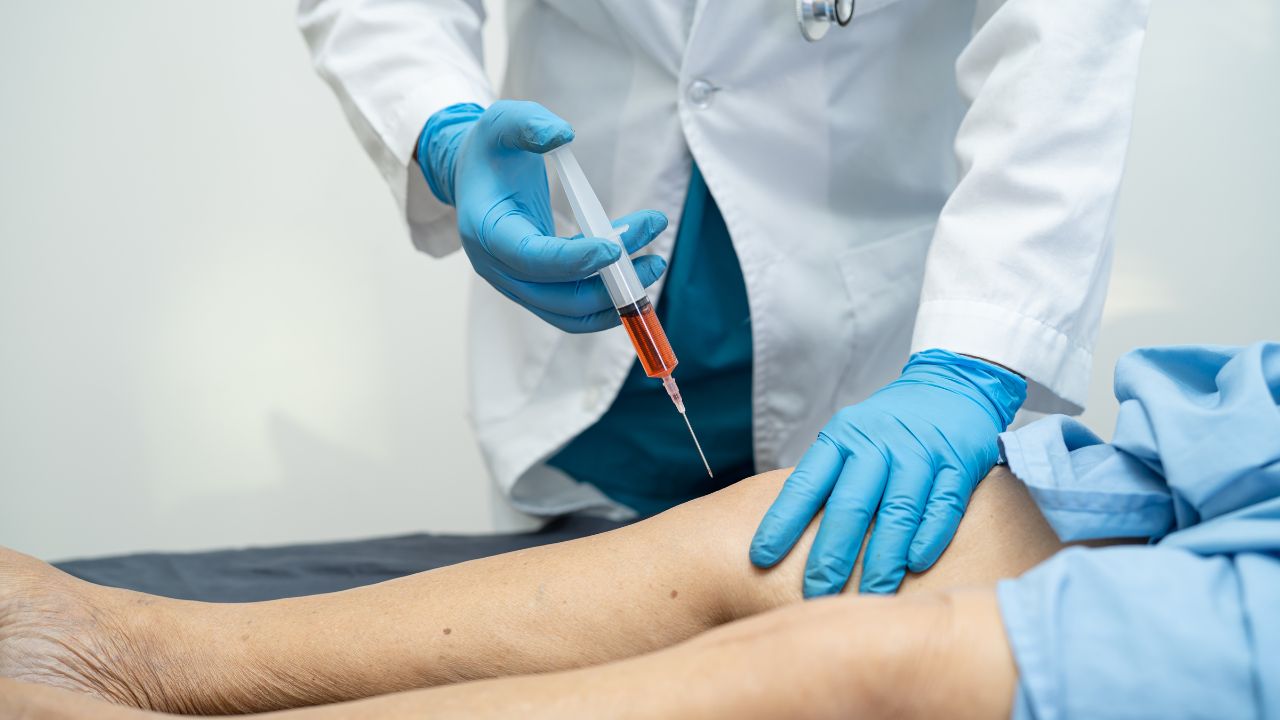
Regenerative medicine offers powerful alternatives to surgery for chronic joint pain and sports injuries. PRP therapy and stem cell therapy both harness your body’s natural healing mechanisms through different biological pathways. Understanding the key differences between these regenerative medicine options helps you make an informed treatment decision that aligns with your condition, budget, and lifestyle needs.
The choice between PRP and stem cell therapy depends on several factors, including injury severity and treatment goals. This comprehensive PRP therapy comparison explores how each treatment works, what conditions they address, and which patients benefit most. By examining costs, procedures, recovery timelines, and clinical outcomes, you can determine the most appropriate joint pain solutions for your specific situation.
Key Takeaways
- PRP therapy costs $500-$2,500 and works best for mild to moderate tendon and joint injuries
- Stem cell therapy costs $3,000-$8,000 and treats severe cartilage damage and advanced degeneration
- PRP involves a simple blood draw and injection, while stem cell therapy requires tissue harvesting
- Patient age, injury severity, and recovery goals significantly influence which therapy is most appropriate
- 86.1% of patients prefer cell-based therapies over surgery when presented with viable alternatives
What Are PRP and Stem Cell Therapies?
Both PRP and stem cell therapies represent significant advances in regenerative medicine for musculoskeletal conditions. These treatments use biological components from your own body to stimulate tissue repair and reduce inflammation. While both fall under the regenerative medicine umbrella, they utilize fundamentally different healing mechanisms and cellular materials.
The primary distinction lies in what each therapy delivers to injured tissues and how regeneration occurs. PRP concentrates growth factors that accelerate existing healing processes, while stem cells introduce undifferentiated cells capable of developing into specific tissue types. Understanding these core differences helps clarify which stem cell treatment choice suits your particular injury or degenerative condition.
How Does PRP Therapy Work?
PRP therapy involves extracting a patient’s blood and processing it to concentrate healing platelets. The concentrated plasma is then injected directly into injured tissue to accelerate natural repair mechanisms. This procedure typically takes less than one hour in an outpatient setting.
The centrifugation process separates blood components, isolating platelets that contain powerful growth factors. These concentrated platelets release proteins that signal your body to increase blood flow and cellular activity. The injection site receives 5-10 times more growth factors than normal blood circulation provides.
How Does Stem Cell Therapy Work?
Stem cell therapy utilizes undifferentiated cells harvested from bone marrow or adipose tissue sources. These cells possess the unique ability to differentiate into cartilage, tendon, or ligament tissue as needed. The harvesting process requires a more invasive procedure than the simple blood draw used for PRP.
Processing undifferentiated cells involves laboratory preparation to isolate the most viable stem cell populations. The concentrated cells are then injected into damaged joints, tendons, or cartilage under imaging guidance. This approach promotes tissue regeneration rather than simply accelerating existing healing pathways as PRP does.
What Are Their Main Applications?
PRP therapy effectively treats knee osteoarthritis, providing pain relief and improved function for mild degeneration. Lateral epicondylitis (tennis elbow) responds particularly well to PRP injections, with many patients avoiding surgery. Other common PRP applications include rotator cuff injuries, Achilles tendinopathy, and various chronic tendon conditions.
Stem cell therapy targets more severe cartilage damage that PRP cannot adequately address alone. Advanced joint degeneration in hips, knees, and shoulders often requires stem cell intervention. Complex ligament tears and significant meniscus damage also benefit from stem cell therapy’s regenerative potential.
What Are the Key Differences Between PRP and Stem Cell Therapy?
Cost represents one of the most significant practical differences between these two regenerative treatments. Accessibility varies considerably based on geographic location, with certain regions offering substantially lower prices. Insurance coverage remains limited for both therapies, though PRP has gained wider acceptance in some plans.
The procedural complexity differs substantially, affecting both treatment time and patient experience during recovery. How PRP therapy works involves a straightforward blood draw, while stem cell harvesting requires tissue extraction. These procedural differences influence both immediate recovery and long-term treatment planning.
How Do Cost and Accessibility Compare?
PRP cost ranges from USD 500 to USD 2,500 per treatment in most U.S. facilities. Stem cell therapy costs significantly more, typically ranging from USD 3,000 to USD 8,000 per treatment. Physical therapy sessions cost USD 100 to USD 200, making them the most affordable option.
PRP remains more accessible due to lower costs and simpler procedural requirements.
Insurance companies typically do not cover PRP treatments, classifying them as experimental or elective procedures. The higher stem cell therapy costs reflect more complex harvesting, processing, and regulatory compliance requirements.
What Are the Differences in Treatment Procedures?
PRP may require multiple injections spaced several weeks apart for optimal tissue response. Some patients experience significant improvement after one injection, while others need a series of treatments.
Stem cell therapy involves a more invasive harvesting procedure requiring local or regional anesthesia. Processing time extends treatment duration, as cells must be carefully isolated and prepared before injection. The complexity of how stem cell therapy works necessitates specialized laboratory equipment and trained personnel for proper cell handling.
How Do Safety and Regulatory Status Differ?
Stem cell therapy remains largely considered experimental by regulatory bodies, including the FDA. Regulatory agencies strictly control which stem cell applications qualify as approved medical treatments. Many orthopedic stem cell applications remain classified as experimental, limiting insurance coverage and institutional adoption.
PRP therapy has gained FDA clearance for various orthopedic applications and preparation systems. The safety profile proves excellent because PRP uses autologous (your own) blood components. Both treatments carry minimal risk of adverse reactions compared to synthetic medications or surgical interventions.
Who Can Benefit Most from Each Therapy?
Condition severity represents the primary factor determining which regenerative therapy proves most appropriate. Mild to moderate degenerative conditions typically respond well to PRP’s growth factor delivery. More severe tissue damage or complete structural failure often requires stem cell therapy’s regenerative capabilities.
Patient demographics, including age, activity level, and overall health, significantly influence treatment outcomes. Athletes and active individuals often seek regenerative therapies to maintain performance without surgical downtime. Understanding which conditions align with each therapy helps set realistic expectations and optimize treatment planning.
Which Conditions Are Best Treated with PRP?
Medial epicondylitis (golfer’s elbow) responds exceptionally well to PRP injections in clinical studies. Rotator cuff injuries, particularly partial tears, benefit from PRP’s ability to strengthen weakened tendon tissue. Achilles tendinopathy improves significantly with PRP treatment, often avoiding surgical intervention.
Knee osteoarthritis in early to moderate stages shows consistent improvement with what conditions PRP therapy can treat. Plantar fasciitis and patellar tendinopathy also demonstrate positive responses to concentrated platelet injections. These conditions share common characteristics: partial tissue damage with preserved structural integrity and active inflammation.
Which Conditions Require Stem Cell Therapy?
Severe cartilage damage with significant joint space narrowing often requires stem cell intervention. Advanced osteoarthritis, where cartilage has deteriorated beyond PRP’s regenerative capacity, benefits from stem cells. Large meniscus tears and complex ligament injuries may need stem cell therapy’s tissue-forming potential.
Patients who have failed conservative treatments, including PRP, often transition to stem cell therapy. Bone-on-bone arthritis with complete cartilage loss represents a condition where what conditions stem cell therapy actually treats becomes critical for avoiding joint replacement. Avascular necrosis and non-healing fractures also fall within stem cell therapy’s therapeutic domain.
How Do Patient Demographics Influence Choice?
Recovery timelines for athletes over 60 extend approximately 1.5 times longer than those for athletes under 40. Older patients often experience reduced cellular response to growth factors, potentially requiring combination therapies. Younger patients with acute injuries typically respond more rapidly to PRP alone.
Activity level and performance goals shape treatment recommendations as much as chronological age. Weekend warriors may accept longer recovery periods than professional athletes cannot accommodate. Underlying health conditions like diabetes or autoimmune disorders also influence which regenerative therapy proves safer.
How Do Patient Preferences and Decision Factors Affect Treatment Choice?
Patient priorities significantly influence treatment selection beyond clinical indications and physician recommendations. Some individuals prioritize cost above all factors, while others focus primarily on minimizing recovery time. Understanding your own decision-making criteria helps align treatment choice with personal values and lifestyle constraints.
Clinical efficacy represents only one component of multi-dimensional treatment decision-making for regenerative treatments. The relationship between expected outcomes, financial investment, and lifestyle disruption varies considerably across patient populations. Evaluating these factors systematically leads to more satisfying treatment experiences and better outcomes.
What Are Patients’ Top Priorities for Treatment?
Treatment efficacy receives a 95% importance score among patients considering regenerative medicine options. Safety and minimal risks rank second at 88%, reflecting concerns about experimental procedures. Recovery time scores 82%, particularly important for working professionals and competitive athletes.
Improving quality of life motivates 69.1% of patients seeking regenerative treatments over conventional approaches. The possibility of slowing disease progression appeals to 66.2% of respondents in clinical surveys. Treatment effectiveness remains a priority for 51.5% of patients, emphasizing desired outcomes over process.
How Does Recovery Time Influence Decisions?
An 82% importance score for recovery time reflects modern patients’ busy lifestyles and work commitments. Athletes and active individuals particularly value treatments that minimize downtime from sports and exercise. Professional obligations often make extended recovery periods impractical, favoring less invasive PRP over surgery.
Treatment decision-making increasingly weighs convenience against potential efficacy gains from more complex procedures. Stem cell therapy’s longer initial recovery may deter patients who can achieve adequate results with PRP. The ability to return to daily activities within days rather than weeks strongly influences choices.
What Role Do Cost and Convenience Play?
Cost affordability scores 75% in patient priority rankings for regenerative medicine treatment selection. Limited insurance coverage means most patients pay out-of-pocket for these advanced therapies. Price sensitivity often directs patients toward PRP as an initial intervention before considering costlier options.
Convenience receives a 68% importance score, reflecting preferences for fewer office visits and simpler procedures. Single-session treatments appeal more than multi-visit protocols requiring extensive follow-up. Geographic accessibility to qualified providers also factors into convenience calculations for rural patients.
What Does the Treatment Process Involve for PRP and Stem Cell Therapy?
Understanding procedural details helps patients prepare mentally and physically for regenerative medicine treatments. The preparation phase differs considerably between PRP’s simple blood draw and stem cell therapy’s tissue harvesting. Knowing what to expect reduces anxiety and improves compliance with pre-treatment and post-treatment protocols.
Both procedures utilize sterile techniques and imaging guidance to ensure accurate placement of biological materials. The injection process requires precision to target damaged tissues while avoiding healthy structures. Post-procedure protocols vary based on treatment type, with specific activity restrictions supporting optimal tissue integration.
What Is the Preparation and Injection Process for PRP?
Blood collection occurs similarly to routine laboratory tests, typically drawing 30-60 milliliters from your arm. The sample undergoes centrifugation for 10-15 minutes to separate platelets from other blood components. Physicians then extract the platelet-rich layer, creating a concentration 5-10 times normal levels.
The injection site receives thorough sterilization before needle insertion under ultrasound or fluoroscopic guidance. Local anesthesia numbs the treatment area, though some patients opt for no anesthesia. The entire procedure from blood draw to injection typically completes within 60 minutes.
How Are Stem Cells Harvested and Administered?
Bone marrow aspiration typically occurs from the iliac crest (hip bone) under local anesthesia. Adipose tissue harvesting uses liposuction techniques to extract fat from the abdomen or thighs. The harvesting procedure takes 30-45 minutes, depending on tissue source and quantity needed.
Laboratory processing isolates viable stem cells through centrifugation and filtration over 1-2 hours. Concentrated stem cells undergo quality checks before injection into the target joint or tendon. The complete process from harvest to injection may span several hours.
What Are Typical Recovery Experiences?
PRP recovery involves 24-48 hours of localized soreness at the injection site. Most patients resume normal daily activities within 2-3 days, though strenuous exercise remains restricted longer. The gradual healing response means maximum benefits may not appear for 6-12 weeks.
Surgery recovery requires months of rehabilitation with significant activity restrictions throughout the healing phase. Stem cell therapy falls between PRP and surgery, with moderate discomfort lasting 3-5 days. Physical therapy often begins within one week to guide tissue remodeling appropriately.
When Is Regenerative Medicine Recommended Over Traditional Therapies?
Regenerative treatments fill a critical gap between conservative care and surgical intervention for musculoskeletal conditions. Patients who exhaust physical therapy and medication options but wish to avoid surgery represent ideal candidates. The decision involves weighing potential benefits against costs, given limited insurance coverage.
Clinical evidence increasingly supports regenerative medicine for specific conditions where traditional approaches show limited success. Comparing outcomes across treatment modalities helps identify scenarios where PRP or stem cells offer advantages. Understanding when does PRP really work for joint pain requires examining condition-specific research and patient-reported results.
How Does PRP Compare to Physical Therapy and Surgery?
VAS scores of 3.7 for PRP patients versus 4.7 for surgical patients demonstrate comparable pain relief. No statistically significant differences emerged in success rates between PRP and surgical groups for medial epicondylitis. These findings suggest PRP provides similar outcomes without surgical risks and extended rehabilitation.
PRP therapy holds 22.1% market share in regenerative sports medicine, while physical therapy commands 45.2%. Physical therapy remains the first-line treatment for most musculoskeletal conditions due to proven efficacy. PRP serves patients who complete physical therapy without adequate improvement or those seeking faster results.
When Is Stem Cell Therapy Preferred?
A striking 86.1% of patients prefer cell-based therapies over surgery when presented with viable alternatives. Stem cell therapy becomes the preferred choice when cartilage loss exceeds PRP’s regenerative capacity. Patients facing joint replacement surgery often choose stem cell intervention as a last conservative option.
The decision between PRP vs. stem cell therapy for arthritis depends on degeneration severity and treatment goals. Grade 3-4 osteoarthritis with significant cartilage erosion typically requires stem cell therapy’s tissue-forming capabilities. Failed previous PRP treatments also indicate the need for stem cell therapy’s more aggressive approach.
How Does Age Affect Treatment Suitability?
Younger patients typically respond more robustly to PRP due to more active cellular metabolism. Athletes under 40 often achieve excellent outcomes with PRP for tendon and ligament injuries. The biological response to growth factors diminishes gradually with advancing age.
Older patients may require combination therapies or stem cell treatment for comparable results. Recovery timelines extend for individuals over 60, regardless of the treatment modality chosen. Age-related factors like diabetes, cardiovascular disease, and medication use also influence treatment selection.
How Does the Market Landscape Impact Treatment Availability and Costs?
Global market dynamics significantly affect where patients can access affordable regenerative medicine treatments. Regional price variations create substantial medical tourism opportunities for cost-conscious patients seeking quality care. Market growth drives technological innovations that improve treatment protocols and expand clinical applications.
The expansion of regenerative medicine creates competitive pressures that gradually reduce costs and increase accessibility. Insurance companies increasingly evaluate these treatments, though coverage remains limited in most jurisdictions. Understanding market trends helps patients anticipate future developments and make informed timing decisions.
What Are Regional Price Variations for PRP and Stem Cell Therapies?
USA PRP costs average $1,800 per treatment, while Germany charges approximately $2,200. Mexico offers significantly lower prices at $600, attracting considerable medical tourism from North America. Thailand provides treatments for $500, and Turkey represents the most affordable option at $400.
These price differences reflect varying labor costs, regulatory requirements, and market competition across regions. Quality and safety standards require careful evaluation when considering international treatment options. Facility accreditation, physician credentials, and aftercare availability should guide location decisions beyond cost alone.
How Is Market Growth Influencing Advances in Regenerative Medicine?
The global sports medicine market reached USD 12.5 billion in 2024, with projections of USD 27.0 billion by 2030. Regenerative medicine, valued at USD 6.2 billion in 2024, projects explosive growth to USD 26.8 billion by 2030. This remarkable CAGR of 27.6% indicates massive investment in research and clinical applications.
Market expansion drives technological improvements in cell processing, delivery systems, and outcome tracking. Increased competition among providers gradually reduces costs while improving quality and patient access. The growing evidence base helps establish standardized protocols and clarifies which patients benefit most.
What Are Emerging Technologies Complementing These Therapies?
AI in physical therapy markets valued at USD 178 million in 2025 projects growth to USD 1.06 billion by 2033. Artificial intelligence enhances treatment planning, monitors recovery progress, and predicts individual patient outcomes. Machine learning algorithms identify patterns that optimize injection techniques and post-treatment rehabilitation protocols.
Wearable technology valued at USD 82.33 billion provides real-time monitoring of healing and activity levels. Rural medical practices show 56% adoption rates of health technologies, improving access to specialized care. These complementary innovations expand regenerative medicine’s reach and effectiveness across diverse patient populations.
Integrating PRP and Stem Cell Therapy for Condition-Specific Treatment Decisions
Selecting between PRP and stem cell therapy requires a comprehensive evaluation of your specific injury or condition. The severity of tissue damage, prior treatment failures, and personal recovery goals all influence this decision. Consulting with specialists experienced in both modalities ensures you receive personalized recommendations based on current evidence.
The comparison between PRP vs stem cell therapy reveals that both treatments offer distinct advantages for different clinical scenarios. Neither therapy represents a universal solution for all musculoskeletal conditions. Understanding your condition’s characteristics and how each treatment addresses specific pathological processes guides optimal selection.
Many patients benefit from sequential or combination approaches rather than choosing one therapy exclusively. Starting with less invasive PRP allows assessment of your tissue’s regenerative capacity before considering stem cells. Failed PRP treatment provides valuable diagnostic information about tissue viability and appropriate next steps. Some protocols combine both therapies, leveraging PRP’s growth factors with stem cells’ tissue-forming potential.
Your age, activity level, and overall health status significantly influence which regenerative approach offers the best risk-benefit profile. Athletes seeking a rapid return to competition may prioritize PRP’s faster recovery, while those with severe degeneration accept stem cell therapy’s longer timeline for potentially superior tissue regeneration. Financial considerations remain important, as the 3-4 times higher cost of stem cell therapy may exceed budget constraints for many patients, particularly without insurance coverage.
The question of does stem cell therapy actually work for chronic pain depends heavily on proper patient selection and realistic outcome expectations. Evidence supports both therapies for specific indications, though long-term comparative studies remain limited. Working with qualified providers who thoroughly evaluate your condition ensures alignment between treatment choice and clinical needs, maximizing your chances of achieving meaningful improvement in function and pain relief.
For patients in Orange County seeking expert guidance on regenerative medicine options, the Regenerative Institute of Newport Beach offers comprehensive evaluation and personalized treatment planning. Their multidisciplinary approach combines advanced diagnostics, evidence-based regenerative therapies, and supportive rehabilitation to address your unique condition and recovery goals.
Ready to Find the Right Regenerative Treatment for Your Condition?
Choosing between PRP and stem cell therapy is not a decision you should make alone. At Integrated Spine, Pain, and Wellness, Dr. Khyber Zaffarkhan, DO, FAAPMR brings more than 15 years of experience in regenerative medicine and interventional pain management to help you understand which therapy fits your diagnosis, recovery goals, and activity level. Whether you are an athlete working to return to competition or someone hoping to avoid joint surgery, a focused evaluation gives you clarity on the best path forward before committing to treatment.
Take the next step by scheduling a consultation with Dr. Zaffarkhan and his team. You will receive a thorough review of your symptoms, imaging, and previous treatments, along with a clear plan that explains whether PRP, stem cell therapy, or a combined approach gives you the strongest chance of lasting relief.

