
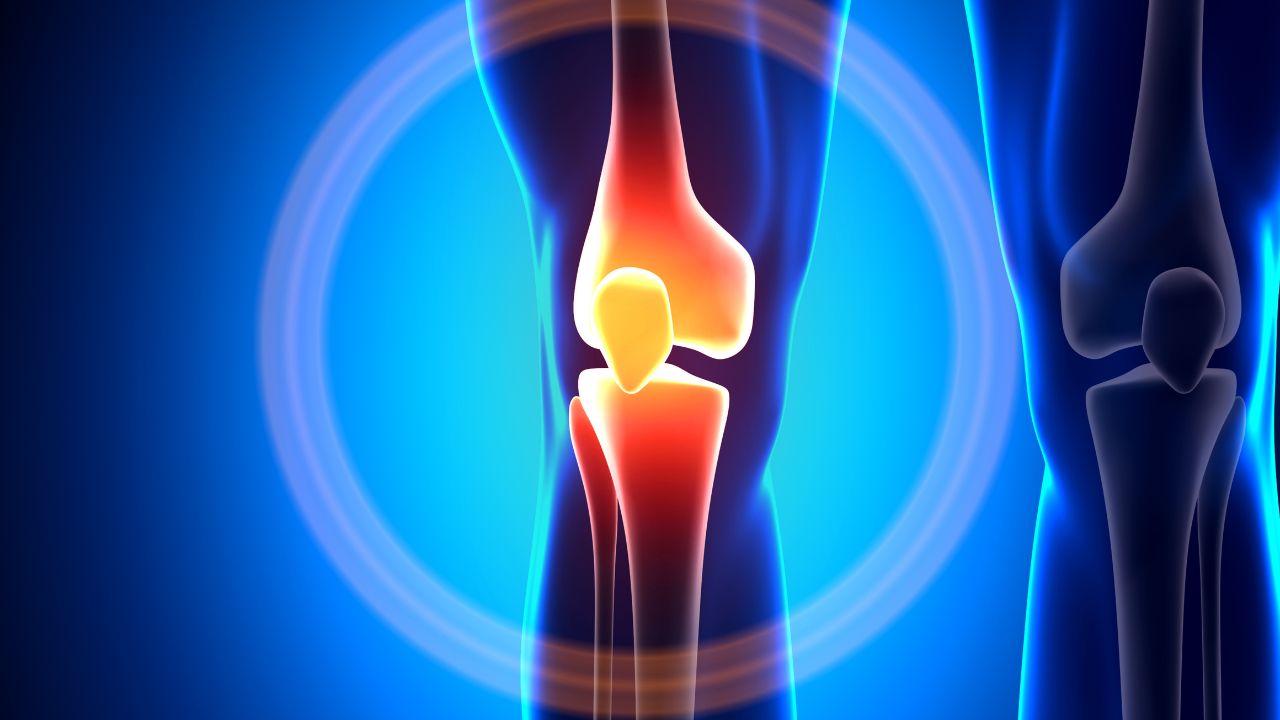
Millions experience chronic back pain and persistent lower back pain without understanding the underlying source of their discomfort. Facet joint pain represents a hidden back pain cause that often remains undiagnosed despite affecting daily function and quality of life. These small joints between vertebrae can generate persistent discomfort through degenerative changes or inflammatory conditions.
Understanding facet-mediated pain opens pathways to targeted treatments beyond standard pharmaceutical approaches. Recognition of this specific pain source enables patients to pursue evidence-based interventions, including injections, regenerative medicine facet therapies, and comprehensive rehabilitation programs designed to address root causes rather than merely mask symptoms.
Key Takeaways
- Facet joints stabilize the spine and enable controlled movement between adjacent vertebrae
- Facet-mediated pain accounts for 27-67% of chronic spinal pain cases nationwide
- Diagnostic facet joint injections achieve approximately 52% therapeutic success rates
- Regenerative medicine approaches like PRP and Prolotherapy stimulate tissue repair rather than suppress inflammation
- Physical therapy demonstrates 72% effectiveness in functional disability improvement at six months
What Are Facet Joints and How Do They Function in the Spine?
Anatomy of Facet Joints
Facet joints are small stabilizing joints located between and behind adjacent vertebrae throughout the spine, spanning the cervical, thoracic, and lumbar spine regions. These paired structures connect the bony projections of one vertebra to the next level above and below. Each joint contains cartilage surfaces that allow smooth gliding motion during spinal movement. The joints are encapsulated by a protective membrane containing synovial fluid for lubrication and nutrition.
Role of Facet Joints in Spinal Stability and Movement
Facet joints provide essential stabilization while enabling controlled flexion, extension, and rotational movements of the spine. These structures work with intervertebral discs and surrounding spinal discs to distribute mechanical loads during daily activities and prevent excessive motion. The joints guide proper alignment during bending and twisting while protecting neural structures, including the spinal cord and spinal nerves, from injury. Their positioning determines the range and direction of movement available at each spinal level.
Causes of Facet Joint Pain
Facet-mediated pain develops primarily through osteoarthritis or degenerative changes affecting the joint structures over time. Cartilage breakdown exposes underlying bone surfaces and triggers inflammatory responses within the joint capsule. Facet-mediated pain is estimated at 27-67% of chronic spinal pain cases, depending on the affected region. Additional contributing factors include acute trauma, repetitive strain, poor posture, spinal misalignment, and age-related wear patterns.
How Does Facet Joint Pain Differ from Other Types of Back Pain?
Comparing Facet Joint Pain and Radicular Pain
Facet joint pain produces localized axial discomfort concentrated in the back without radiation into the extremities. This contrasts sharply with radicular pain, often caused by a pinched nerve resulting from disc herniation, that shoots down the legs following specific nerve root distributions. Facet-mediated symptoms typically worsen with extension and rotation movements rather than forward bending. Radicular pain often intensifies with coughing, sneezing, or prolonged sitting due to nerve root compression.
Symptoms Unique to Facet-Mediated Pain
Facet joint pain creates characteristic patterns, including morning stiffness that improves with moderate activity throughout the day. Patients report difficulty transitioning from sitting to standing and pain when arching backward or rotating. The discomfort remains confined to the back and may refer to adjacent regions without following dermatomal patterns. Symptoms intensify with prolonged static positioning and improve temporarily with positional changes.
Overlapping Conditions with Facet Joint Pain
Facet arthropathy frequently coexists with degenerative disc disease, creating complex pain presentations that challenge diagnostic clarity. Muscular strain patterns develop secondarily as surrounding tissues compensate for altered joint mechanics and chronic inflammation. Spinal stenosis may accompany advanced facet hypertrophy when bone spurs narrow the central canal. Accurate diagnosis requires distinguishing facet-mediated pain from these overlapping conditions through systematic clinical evaluation.
What Are the Common Diagnostic Approaches for Facet Joint Pain?
Role of Physical Examination and Patient History
Comprehensive patient history identifies characteristic pain patterns, including location, aggravating factors, and temporal variations throughout the day. Physical examination includes palpation over facet joints, eliciting localized tenderness and finding relief through effective treatments for neck and back pain. Provocative maneuvers such as extension with rotation reproduce familiar symptoms, confirming mechanical joint involvement. The clinical assessment differentiates facet pain from discogenic or neural compression syndromes.
Imaging Techniques Used for Diagnosis
Advanced imaging studies reveal structural changes within facet joints, though findings do not always correlate with symptom severity. MRI demonstrates joint effusion, cartilage degeneration, and surrounding soft tissue inflammation affecting the capsule and ligaments. CT scanning provides superior bone detail showing osteophyte formation, joint space narrowing, and subchondral sclerosis. Standard radiographs identify advanced degenerative changes but lack sensitivity for early-stage facet pathology.
Facet Joint Injections as a Diagnostic Tool
Diagnostic facet joint injection procedures confirm pain generators by delivering local anesthetic directly into suspected joints. Significant pain reduction following injection validates facet-mediated origin and predicts response to subsequent therapeutic interventions. Therapeutic success rates reach approximately 52% for facet joint injections when proper patient selection criteria are applied. The procedure combines diagnostic confirmation with immediate though temporary symptom relief.
How Are Facet Joint Injections Performed and What Are Their Benefits?
Injection Procedure and Target Areas
Facet joint injections deliver corticosteroid and local anesthetic medications directly into affected joints under fluoroscopic guidance. The physician uses real-time X-ray imaging to precisely position the needle within the joint capsule. Contrast dye confirms accurate placement before medication administration, ensuring the therapeutic agent reaches the target structure. The outpatient procedure typically requires 15-30 minutes with immediate mobility following completion.
Therapeutic Vs. Diagnostic Uses
Diagnostic injections utilize short-acting anesthetics to confirm the pain source, while therapeutic injections combine anesthetics with corticosteroids for extended relief. The diagnostic phase determines whether facet joints contribute significantly to overall pain presentation and symptom burden. Therapeutic applications aim to reduce inflammation and provide functional improvement lasting weeks to months. Combined approaches offer both immediate pain assessment and sustained symptom management.
Risks and Potential Side Effects
Duration of relief can be variable for facet injections, ranging from weeks to several months, depending on individual factors. Common temporary effects include localized soreness, transient pain increase, and minor bleeding at the injection site. Rare complications encompass infection, nerve injury, allergic reactions, and elevated blood glucose in diabetic patients. Facet injection procedures may need to be repeated or followed by radiofrequency ablation for longer-lasting results.
What Alternative Treatments Exist for Managing Facet Joint Pain?
Physical Therapy and Non-Pharmacological Approaches
Physical therapy addresses muscular imbalances, improves spinal mechanics, and strengthens core muscles, supporting proper facet joint alignment. Targeted exercises strengthen supporting musculature while stretching programs restore the normal range of motion without aggravating inflamed joints. Alternative modalities, including physical therapy, acupuncture, and massage, complement traditional medical management for comprehensive care. CAM usage averages 40.3% among pain patients seeking drug-free interventions, and 68.2% of patients believed physical therapy was more effective for long-term recovery compared to medications alone.
Manual therapies mobilize restricted joints and release soft tissue adhesions contributing to chronic pain patterns. Heat application reduces muscle spasm while cold therapy controls acute inflammatory flares within affected facet joints. The adjusted odds of using nonmedication pain therapy remain 60% lower in suburban and rural counties versus urban areas. Education programs teach proper body mechanics and activity modification, preventing symptom exacerbation during daily tasks.
Regenerative Medicine Options: PRP and Prolotherapy
Platelet-Rich Plasma aims to stimulate tissue repair rather than suppress inflammation through concentrated growth factor delivery. The autologous treatment harvests patient blood, concentrates healing platelets, and then injects the preparation into degenerated facet joints. Prolotherapy aims to stimulate tissue repair rather than suppress inflammation using dextrose solution, triggering controlled healing responses. Regenerative approaches, including Platelet-Rich Plasma and Prolotherapy, represent emerging best non-surgical treatments for back pain in Newport Beach, addressing underlying tissue damage.
These biologics promote collagen synthesis, strengthen capsular ligaments, and potentially restore cartilage integrity within affected joints. Treatment protocols typically require multiple sessions spaced weeks apart, allowing cumulative regenerative effects to develop gradually. PRP therapy costs range from $500-$800 budget tier to $2,000+ premium range per session. Prolotherapy costs span a $300-$400 budget range to a $800+ premium tier, depending on treatment extent.
Benefits and Limitations Compared to Traditional Treatments
Evidence still emerges for regenerative approaches compared to traditional steroids, though early research demonstrates promising outcomes in select patients. Regenerative therapies offer potential long-term healing without tissue-weakening effects associated with repeated corticosteroid exposure over time. Traditional injections provide faster symptom relief while biologics require patience as tissue remodeling occurs over months. Cost considerations factor heavily as insurance coverage remains limited for newer regenerative medicine facet interventions.
How Does Facet Joint Pain Management Fit Within Broader Pain Treatment Strategies?
Comparing Facet Joint Injections with Epidural Steroid Injections
Epidural steroid injections involve the injection of corticosteroid and local anesthetic into the epidural space to reduce nerve inflammation. ESIs account for 47.9% of spinal injectable market revenue, targeting radicular pain from herniated discs or stenosis. Epidural steroid injection costs range from $193-$597 budget tier, through $671-$869 mid-range, to $1,100-$1,484 premium facilities. Facet joint injection costs span $261-$560 budget range, $630-$744 mid-range, to $1,391-$1,526 premium tier reflecting procedural complexity.
The procedures address distinct pain generators with epidurals targeting neural inflammation, while facet injections treat joint-mediated discomfort. Patient selection depends on pain distribution patterns, imaging findings, and response to physical examination and provocative maneuvers. Some individuals require both interventions when multiple pain sources contribute to the overall symptom burden simultaneously. Sequential treatment approaches often begin with less invasive options before progressing to combined multimodal strategies.
Integrating Multimodal Pain Management Approaches
Comprehensive back pain solutions integrate pharmaceutical, interventional, rehabilitative, and behavioral components, addressing biological and psychosocial factors simultaneously. The strategic combination of personalized treatment plans maximizes functional improvement while minimizing reliance on single modality approaches with inherent limitations. Opioids account for 34.40% market share while NSAIDs represent 28.45% despite growing concerns about long-term safety. Research shows 78% of US adults prefer to try other ways before taking prescribed pain medication.
Multidisciplinary care coordinates specialists, including physiatrists, physical therapists, pain psychologists, and interventional physicians, working collaboratively. Treatment algorithms progress systematically from conservative measures through targeted interventions, reserving surgery for refractory cases. Joint injection Orange County facilities increasingly adopt integrated models combining traditional and regenerative approaches. The model improves outcomes while reducing healthcare costs associated with fragmented single-provider management.
Consumer Preferences and Safety Considerations
Safety represents a 95% importance factor for consumers evaluating pain management options and potential intervention risks. Efficacy stands at 92% importance as patients prioritize meaningful functional improvement over marginal symptom reduction. Cost considerations weigh at 78% importance, particularly among younger demographics facing financial barriers to care access. These priorities drive treatment selection, with patients favoring interventions demonstrating favorable risk-benefit profiles.
Informed decision-making requires transparent communication regarding realistic outcome expectations, procedural risks, and alternative treatment pathways. Patients increasingly research options online, seeking evidence-based information about joint injury treatment approaches before clinical consultations. The demand for natural, minimally invasive solutions aligns with growing interest in regenerative medicine and biologics. Providers must balance patient preferences with clinical appropriateness, ensuring interventions match individual pain mechanisms.
What Are the Demographic and Regional Factors Affecting Facet Joint Pain Treatment?
Age and Generational Trends in Treatment Adoption
Prescription pain medication use demonstrates clear age gradients with 5.4% among ages 20-39, 12.7% for ages 40-59, and 15.1% for ages 60+, reflecting increased degenerative burden. Older populations exhibit higher facet arthropathy prevalence as cumulative mechanical stress and cartilage degeneration accumulate over decades. Younger patients increasingly explore regenerative options and stem cell therapy for back and neck pain, avoiding long-term pharmaceutical dependency. Generational attitudes toward interventions differ, with Millennials favoring preventive approaches while older cohorts accept chronic medication use.
Financial barriers create generational divides, as 28% of Millennials reported difficulty paying for prescriptions in the past 12 months. Gen X faces 23% prescription cost challenges, while Boomers and the Silent Generation encounter 16% financial difficulty rates. Younger demographics prioritize cost-effectiveness, favoring one-time interventional procedures over ongoing medication expenses when covered benefits allow. Treatment adoption patterns reflect both clinical need progression with age and economic accessibility across generational cohorts.
Geographic and Rural-Urban Disparities
Chronic pain prevalence shows marked geographic variation, with 30.9% in rural counties, 30.8% in suburban counties, and 19.6% in urban counties. Rural populations face higher rates yet encounter significant barriers to accessing specialized interventional pain services and advanced treatment options. Urban centers concentrate subspecialty providers offering comprehensive facet joint diagnostics, therapeutic injections, and regenerative medicine alternatives. The significant rural-urban divide exists in chronic pain treatment access, limiting care continuity for geographically isolated patients.
Regional variations in injection procedure rates reflect provider density, practice patterns, insurance coverage policies, and local healthcare culture differences. Southern states demonstrate the highest epidural steroid injection utilization, while Northeastern regions show more conservative procedural approaches. Telemedicine initiatives attempt to bridge geographic gaps, though hands-on interventional procedures still require in-person facility access. Transportation challenges compound access barriers for rural residents requiring multiple treatment sessions over extended timeframes.
Economic Barriers and Cost Considerations
Out-of-pocket costs create substantial barriers, particularly for uninsured or high-deductible plan enrollees seeking interventional pain management. Trigger point injection costs range from $60-$100 budget tier, through $100-$200 mid-range, to $200-$300+ premium facilities. The procedural expense variability reflects facility fees, imaging requirements, medication costs, and geographic market pricing differences. Insurance coverage determination significantly influences treatment selection as patients weigh potential benefits against financial exposure risks.
Regenerative therapies face particular coverage challenges as many insurers classify PRP and Prolotherapy as experimental or investigational. The coverage gaps force patients into cash-pay arrangements, creating socioeconomic disparities in regenerative medicine access despite clinical interest. Financial assistance programs, payment plans, and health savings account utilization help bridge affordability gaps for motivated patients. Economic considerations increasingly shape treatment pathways as healthcare costs continue rising faster than wage growth nationwide.
Facet Joint Pain in the Context of Back Pain: Market Trends, Patient Preferences, and Clinical Outcomes
The facet joint pain treatment landscape reflects broader shifts in pain management philosophy, emphasizing targeted interventions over systemic approaches. The facet joint injections market reached a USD 2.97 billion valuation in 2025, with projections indicating USD 4.1 billion by 2030. The robust CAGR of 6.6% for facet joint injections outpaces general pain management growth, reflecting increased diagnostic recognition. Within the broader context, the spinal injectable market reached USD 27.3 billion in 2025 with projections to USD 57.8 billion by 2035.
Market expansion reflects aging population demographics, improved diagnostic techniques identifying facet-mediated pain, and growing patient preference for targeted interventions. The clinical community increasingly recognizes facet joints as significant pain generators deserving systematic evaluation in chronic back pain presentations. Advanced imaging technologies combined with fluoroscopy-guided injection techniques enable precise therapeutic delivery previously unattainable with blind approaches. Insurance coverage expansion for interventional procedures supports market growth as payers recognize cost-effectiveness compared to chronic opioid therapy.
Patient outcomes data demonstrate meaningful functional improvement when appropriate candidates receive facet-directed interventions as part of comprehensive care. The 52% therapeutic success rate for properly selected patients validates diagnostic criteria refinement and procedural technique optimization. Long-term management often requires multimodal approaches combining periodic injections, ongoing rehabilitation, activity modification, and sometimes alternatives to hip surgery, including PRP injections for adjacent joint problems.
Treatment paradigms continue evolving as regenerative medicine evidence accumulates and physical therapy for hip pain integration improves overall outcomes.
Understanding facet joint pain as a distinct clinical entity empowers patients to pursue appropriate diagnostic evaluation and evidence-based treatments. The combination of traditional interventional approaches with emerging regenerative therapies offers hope for lasting relief beyond temporary symptom suppression. As medical knowledge advances and treatment options expand, individuals suffering from this hidden back pain cause can access increasingly effective solutions. Facilities like Regenerative Institute of Newport Beach combine board-certified expertise with state-of-the-art regenerative medicine approaches addressing root causes rather than merely managing symptoms.
The journey from chronic pain to restored function begins with accurate diagnosis and comprehensive treatment planning. Pain management services should integrate advanced diagnostics, targeted interventions, rehabilitation protocols, and patient education, creating individualized pathways toward optimal outcomes.
Take the Next Step Toward Lasting Relief
At Integrated Spine, Pain, and Wellness, our board-certified spine specialist team helps patients move beyond temporary fixes by addressing the root causes of facet joint pain. From precise diagnostic injections to regenerative therapies such as PRP and Prolotherapy, we build personalized care pathways that restore function and quality of life. Schedule a consultation today to learn how a focused evaluation can identify your pain source and open the door to lasting, evidence-based relief.