
Key Takeaways:
- Botox eligibility requires 15+ headache days monthly with 8+ being migraines—episodic migraine sufferers don’t qualify under current guidelines.
- Treatment involves 31-39 injections across 7 muscle areas every 12 weeks, with maximum benefits appearing after 2-3 cycles (6-9 months).
- Nearly 50% of patients achieve 50% or greater migraine reduction, averaging 8-9 fewer headache days monthly with 75% effectiveness.
- Only 15% of patients experience side effects (mostly mild neck pain at 6.7%)—the lowest rate among all preventive migraine treatments.
- Most major insurance plans cover Botox for chronic migraines with prior authorization requiring documented headache frequency and failed preventive trials.
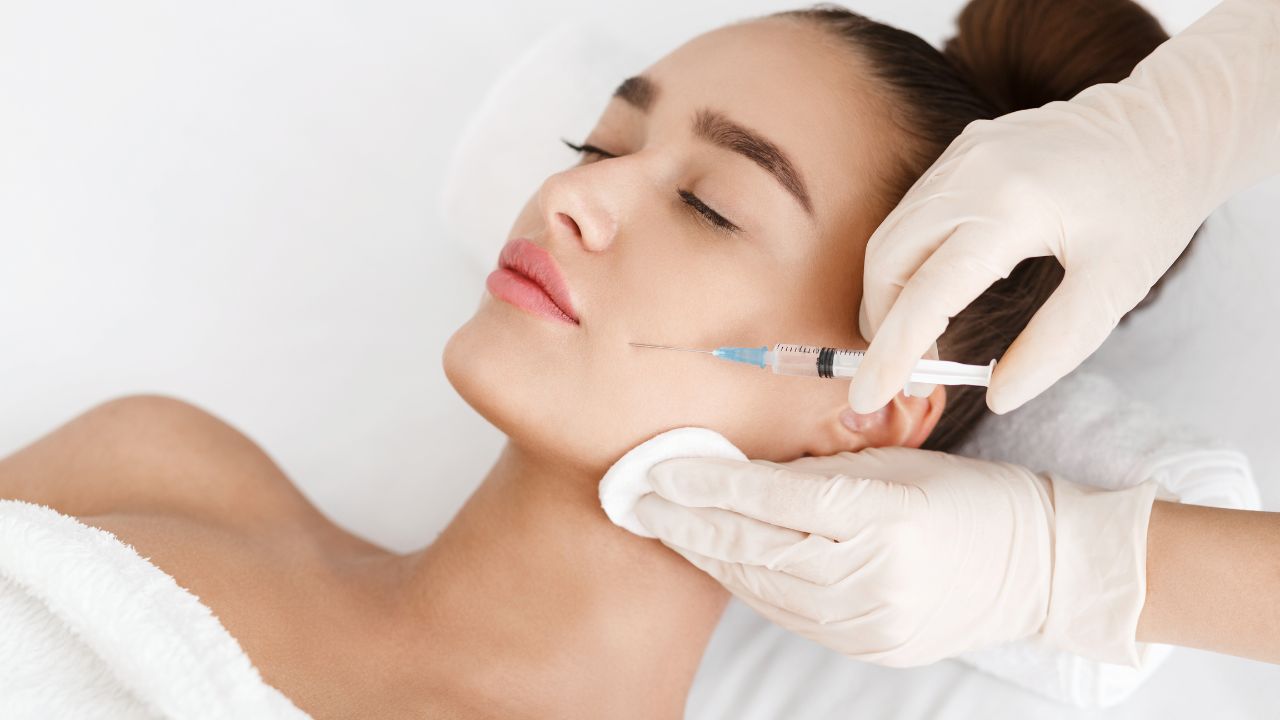
Botox offers proven migraine prevention through FDA-approved quarterly injections. Clinical trials involving over 1,300 patients established this treatment as the most effective preventive option available. Understanding eligibility, expected outcomes, and treatment protocols helps patients make informed decisions about starting Botox therapy.
What Are Migraines, and When Do They Become Chronic?
Migraines involve complex neurological changes that distinguish them from ordinary headaches. The transition from episodic to chronic patterns marks a critical turning point requiring specialized intervention. Recognizing this progression enables timely treatment that prevents further deterioration.
What symptoms separate migraines from common headaches?
Migraines produce moderate to severe throbbing pain, usually affecting one side of the head. They trigger nausea, vomiting, and pronounced sensitivity to light and sound. Unlike tension headaches, migraines cause neurological symptoms including visual disturbances, sensory changes, and cognitive disruption that significantly impair function.
When does episodic migraine become chronic migraine?
Chronic migraine requires 15 or more headache days per month, with at least 8 being migraine days. This pattern must persist for three consecutive months to meet diagnostic criteria. The distinction determines treatment eligibility and insurance coverage, making accurate tracking essential for accessing preventive therapies like Botox.
Why do chronic migraines often worsen without preventive care?
Untreated chronic migraines reinforce dysfunctional pain pathways in the nervous system. Frequent attacks create hypersensitivity that lowers the threshold for future episodes. This cycle intensifies over time, making migraines more frequent, severe, and resistant to acute medications without preventive intervention.
What Is Botox, and Why Is It Used for Migraine Prevention?
Botox represents a fundamental shift from managing symptoms to preventing migraine onset. The treatment addresses underlying neurological mechanisms rather than providing temporary relief. This preventive approach, backed by extensive clinical evidence, offers sustained benefits through regular administration.
What is Botox from a medical perspective?
Botox contains botulinum toxin type A, a purified protein that temporarily blocks nerve signal transmission. Medical-grade Botox differs significantly from cosmetic applications in dosage, injection patterns, and therapeutic goals. For pain management solutions, it functions as a neuromuscular agent that interrupts the pathways triggering migraines.
When was Botox approved for chronic migraine treatment?
The FDA approved Botox for chronic migraine prevention following PREEMPT Phase 3 clinical trials involving over 1,300 patients. These landmark studies established the specific protocols, dosing guidelines, and injection patterns used today. The approval marked the first preventive treatment designed exclusively for chronic migraine sufferers, validating its unique therapeutic role.
Why is Botox classified as a preventive migraine therapy?
Botox prevents migraines from developing rather than stopping pain once it starts. The treatment modifies nerve function before headaches begin, reducing the frequency and severity of attacks. Patients continue using acute medications for breakthrough migraines while Botox reduces overall occurrence through sustained prevention.
How Does Botox Work for Chronic Migraines?
Botox interrupts the neurological cascade that triggers migraine onset. By targeting specific nerve pathways, it reduces the hypersensitivity underlying chronic patterns. This mechanism differs fundamentally from pain relievers that address symptoms after they emerge.
How does Botox affect pain-signaling nerves involved in migraines?
Botox blocks the release of pain-signaling neurochemicals at nerve endings throughout the head and neck. It prevents peripheral nerves from transmitting pain messages to the central nervous system. This interruption stops the inflammatory cascade that amplifies and sustains migraine development, creating a protective barrier against attacks.
Why does Botox reduce migraine frequency rather than stop active attacks?
The treatment builds preventive effects gradually over multiple injection cycles. Botox creates cumulative changes in nerve sensitivity rather than providing immediate symptom relief. Patients see progressive reduction in migraine frequency as effects accumulate, with maximum benefits appearing after 2-3 treatment rounds spanning 6-9 months.
Which nerve regions are targeted during migraine Botox injections?
The standard FDA-approved protocol targets 7 muscle areas where pain pathways converge. Sites include the forehead, temples, back of head, neck, and shoulder regions—all critical zones in migraine development. Botox injections in Orange County follow these precise protocols to ensure comprehensive coverage of migraine trigger points.
Who Is a Candidate for Botox for Migraines?
Eligibility centers on documented chronic migraine patterns meeting specific diagnostic thresholds. Insurance authorization requires careful verification of these criteria before treatment begins. Understanding these requirements streamlines the approval process and sets realistic expectations.
Who meets the criteria for chronic migraine treatment with Botox?
Patients must demonstrate a chronic migraine pattern with 15 or more headache days monthly, including at least 8 migraine days. Healthcare providers verify this diagnosis through headache diaries documenting frequency, duration, and symptom characteristics. The pattern must persist for three consecutive months to establish eligibility for Botox therapy.
How many headache or migraine days are required for eligibility?
Eligibility requires 15 or more total headache days per month, with at least 8 meeting migraine criteria. Episodic migraine sufferers experiencing fewer than 15 headache days don’t qualify under current guidelines. This threshold separates candidates for Botox from those requiring different preventive approaches, ensuring appropriate treatment selection.
Can Botox be used after other migraine treatments fail?
Michael T., a 55-year-old entrepreneur, broke his medication overuse headache cycle after traditional treatments proved ineffective. Botox often succeeds where oral preventives fail or cause intolerable side effects. Many patients qualify specifically because previous treatments didn’t provide adequate relief or created problematic reactions requiring discontinuation.
What Does a Botox Migraine Treatment Protocol Involve?
Treatment follows a standardized protocol refined through extensive clinical trials. The process requires minimal time and uses specific injection patterns proven effective. Understanding the procedure helps patients prepare appropriately and maintain realistic expectations.
How often are Botox injections given for migraines?
Botox is administered every 12 weeks in a quarterly treatment schedule. Four sessions per year maintain consistent migraine prevention throughout all seasons. Missing scheduled treatments allows migraine frequency to return toward baseline levels, making adherence to the 12-week cycle essential for sustained benefits.
How many injection sites are used in standard migraine protocols?
Each treatment session involves 31 to 39 injections distributed across 7 muscle areas. The precise pattern targets convergence points where multiple pain pathways meet. Proper technique requires provider expertise in migraine-specific protocols, as injection depth and location significantly impact effectiveness and safety.
How long does a typical migraine Botox session take?
Most sessions require 15 to 20 minutes from preparation through completion. Providers use fine needles that minimize discomfort during the multiple injections. Patients resume normal activities immediately afterward without downtime, making the treatment convenient for busy schedules and work commitments.
What Results Can Patients Expect From Botox for Migraines?
Clinical outcomes demonstrate measurable reductions in both migraine frequency and severity. Individual responses vary, but extensive trial data provides clear performance benchmarks. Long-term studies confirm that benefits continue with ongoing treatment.
When do patients usually notice fewer migraine days?
Initial improvements typically appear within 2 to 4 weeks after the first treatment session. Some patients respond more quickly while others require patience as preventive effects build. Maximum benefits develop after 2 to 3 treatment cycles, roughly 6 to 9 months into therapy, as cumulative changes in nerve sensitivity reach optimal levels.
How much reduction in migraine frequency is typical?
Patients experience an average decrease of 8 to 9 headache days per month. Nearly 50% of patients achieve a 50% or greater reduction in migraine frequency—the benchmark for treatment success. Clinical data shows 61% reduction in migraine days, from 18.5 to 7.1 days monthly, documented over 15 months of continued treatment.
Sarah M., a 42-year-old marketing executive, reduced her migraines from 18 to 7 days monthly—a 61% improvement. Her enhanced work productivity led directly to a promotion. These real-world outcomes align with clinical trial results, demonstrating Botox’s transformative impact on daily function and career performance.
How long do Botox migraine results usually last?
The COMPEL long-term study demonstrated sustained benefits over 108 weeks with continued treatment. Effects from each injection cycle last approximately 12 weeks before the next scheduled session. Stopping treatment typically causes migraines to return to previous patterns within 3 to 6 months, confirming the need for ongoing prevention rather than cure.
What Are the Risks and Side Effects of Botox for Migraines?
Safety profiles emerge from extensive clinical trials and millions of real-world treatments. Most side effects remain mild and temporary, resolving without intervention. Understanding potential risks enables informed consent and appropriate monitoring throughout therapy.
What side effects are most common after migraine Botox?
Neck pain affects 6.7% of patients, making it the most frequent side effect. Injection site pain and headache each occur in 5.4% of cases. Overall, only 15% of patients experience any side effects—the lowest rate among all preventive migraine treatments. Most reactions resolve within days as injection sites heal and muscles adapt.
When should side effects be medically evaluated?
Rare cases involve toxins spread to surrounding muscles, causing temporary weakness requiring medical assessment. Allergic reactions, though uncommon, demand immediate attention including difficulty breathing, severe swelling, or widespread rash. Patients should report unusual symptoms like vision changes, swallowing difficulty, or progressive weakness between treatments promptly to their provider.
How does provider experience affect safety outcomes?
Risk mitigation depends on qualified providers using proper technique and patient education protocols. Treatment requires providers with specialized training in migraine-specific injection patterns, not just cosmetic Botox experience. Understanding the differences helps patients select appropriately credentialed specialists who minimize complications through expertise.
How Does Botox Compare to Other Migraine Treatments?
Treatment options range from daily medications to nerve blocks and lifestyle interventions. Each approach offers distinct benefits and limitations. Direct comparisons clarify where Botox fits within the treatment hierarchy and when it becomes the preferred choice.
How does Botox compare with daily preventive medications?
Botox achieves a 75% effectiveness rating—the highest among all preventive migraine treatments. Patient adherence reaches 85%, compared to significantly lower rates with daily oral medications requiring consistent dosing. The quarterly schedule eliminates pill burden while producing only 15% side effects versus higher rates with traditional preventives like beta-blockers or anticonvulsants.
How does Botox differ from nerve blocks or steroid injections?
Nerve blocks provide temporary relief lasting days to weeks, while Botox effects span the full 12-week cycle. Steroid injections carry cumulative risks with repeated use that Botox doesn’t share, including tissue weakening and hormonal effects. Botox’s preventive mechanism differs fundamentally from the acute intervention approach of blocks and steroid treatments.
When does combining Botox with other therapies make sense?
Jennifer L., a 38-year-old yoga instructor, successfully integrated Botox with holistic wellness approaches including yoga and dietary modifications. She achieved a 50% reduction in migraine days, from 16 to 8 monthly, plus 70% improvement in neck pain. Combination strategies often outperform single interventions, allowing patients to continue acute medications for breakthrough headaches while Botox prevents frequency.
How Much Does Botox for Migraines Cost, and Is It Covered?
Financial considerations significantly influence treatment decisions and adherence. Insurance coverage varies by plan but generally supports chronic migraine treatment. Understanding authorization requirements and potential costs helps patients plan appropriately.
When does insurance cover Botox for chronic migraines?
Most major insurance plans cover Botox for chronic migraine when medical necessity is clearly established. Prior authorization is typically required before treatment approval, involving documentation review by the insurance company. Coverage hinges on meeting diagnostic criteria and demonstrating previous treatment failures according to plan-specific requirements.
What documentation is usually required for approval?
Prior authorization requires documented headache frequency through diaries or logs showing the 15+ headache days pattern. Evidence of failed preventive trials with at least two different medication classes strengthens approval likelihood. The authorization process takes 2 to 4 weeks in most cases, requiring advance planning before the first treatment session.
What costs may still apply even with insurance coverage?
Patient assistance programs are available for eligible individuals through pharmaceutical manufacturers and specialty pharmacies. Barriers to access include insurance authorization requirements and cost concerns for uninsured patients facing full treatment expenses. Insurance coverage details vary significantly by plan, making individual verification essential before committing to treatment.
What Should Patients Track to Measure Botox Effectiveness?
Systematic tracking provides objective evidence of treatment response. Proper documentation supports insurance continuation and guides clinical adjustments. Knowing which metrics matter most helps patients monitor progress accurately.
What should be recorded before starting Botox treatment?
Baseline headache diaries documenting frequency, duration, severity, and associated symptoms create the reference point for measuring improvement. Recording current medication use, including both preventive and acute treatments, establishes starting patterns. This documentation proves essential for insurance authorization and provides comparison data for evaluating treatment response objectively.
Which migraine changes matter most for evaluating success?
Eighty-eight percent of patients report improved quality of life with Botox treatment, extending beyond simple pain reduction. Work productivity improves in 82% of patients, translating to fewer missed days and better job performance. Tracking migraine days per month, medication use frequency, and functional impact provides comprehensive assessment of treatment effectiveness.
When should the treatment plan be adjusted?
Maximum benefits appear after 2 to 3 treatment cycles, roughly 6 to 9 months into therapy. Providers should assess response at this point to determine if adjustments are needed. Inadequate improvement may warrant injection pattern modifications, dosage reassessment, or consideration of combination therapies to optimize outcomes.
When Should Botox Be Considered as a Long-Term Migraine Strategy?
Long-term planning requires understanding chronic migraine’s persistent nature. Preventive care addresses root neurological dysfunction rather than temporary symptoms. Strategic thinking prevents the reactive treatment cycle that leaves patients perpetually managing crises.
Why do migraines often return if preventive care stops?
Chronic migraine involves persistent neurological changes that don’t resolve spontaneously without ongoing intervention. Discontinuing prevention allows underlying mechanisms to reactivate pain pathways within weeks to months. The condition requires sustained management rather than short-term fixes, similar to other chronic diseases requiring continuous treatment.
How does Botox fit into long-term migraine management?
Recent research from 2024-2026 supports sustained use for continuous prevention over multiple years. Long-term safety demonstrated in the 108-week COMPEL study with repeated treatments confirms tolerability. Botox becomes part of a comprehensive strategy including lifestyle modifications, trigger management, and acute medications for breakthrough episodes.
Can Botox reduce reliance on daily migraine medications?
Michael T. broke his medication overuse headache cycle completely through Botox treatment. His migraine days dropped from 16 to 8 monthly—a 50% reduction enabling medication cutbacks. Many patients decrease or eliminate daily preventive medications while maintaining acute treatments, reducing overall medication burden and associated side effects.
How Can a Migraine Care Plan Be Built Beyond Botox?
Comprehensive migraine management extends beyond single treatments. Integrating multiple strategies addresses the condition’s complex, multifaceted nature. Building a complete care plan maximizes long-term success and quality of life.
How can Botox be combined with other pain management approaches?
Botox pairs effectively with lifestyle modifications including sleep hygiene, stress management, and regular exercise. Identifying and avoiding migraine triggers enhances Botox effectiveness by reducing precipitating factors. Combining physical therapy, cognitive behavioral therapy, and dietary adjustments creates a multifaceted approach that often outperforms any single intervention.
When do neck, nerve, or spine issues influence migraine care?
Contraindications include pregnancy, neuromuscular disorders like myasthenia gravis, and active infections at injection sites. Cervical spine problems may require concurrent treatment to achieve optimal migraine control. Providers assess individual circumstances to ensure safety and identify when additional interventions targeting neck or nerve issues would complement Botox therapy.
How do follow-ups guide long-term migraine decisions?
Treatment satisfaction reaches 76.7%, with outcomes meeting or exceeding expectations in most cases. Eighty-two percent of patients would recommend Botox to others, reflecting overall positive experiences. Regular follow-ups track these metrics, identify needed adjustments, and ensure patients receive maximum benefit from their treatment plan.
What Are the Next Steps for Someone Considering Botox for Migraines?
Taking action begins with proper evaluation and specialist consultation. Gathering relevant information beforehand streamlines the process. Understanding what to expect facilitates productive discussions and informed decision-making.
What information should be prepared before an evaluation?
Headache diaries documenting frequency, severity, duration, and associated symptoms provide essential diagnostic data. Lists of previous treatments, their outcomes, and reasons for discontinuation inform decision-making. Current medications, complete medical history, and known triggers complete the clinical picture necessary for comprehensive assessment and treatment planning.
What questions should be asked before starting Botox?
Ask providers about their experience with migraine Botox specifically, including annual treatment volume and years of practice. Dr. Andrew M. Blumenfeld and other headache specialists emphasize proper injection technique and patient education as critical success factors. American Migraine Foundation recommendations guide best practices in provider selection, ensuring patients receive expert care from appropriately trained specialists.
How does specialist-guided care influence outcomes?
Three Newport Beach patient case studies demonstrate successful outcomes with expert guidance from experienced providers. Dr. Shawn Zardouz, a neurologist specializing in migraines, provides targeted care based on individual patient needs and response patterns. Hoag Hospital Neuroscience Institute and Orange County Pain and Wellness offer comprehensive migraine programs combining multiple therapeutic approaches for optimal results.
Begin Your Path to Lasting Migraine Relief
Chronic migraines require specialized expertise and proven treatment protocols. The Regenerative Institute of Newport Beach combines advanced migraine therapies with personalized care plans designed for your unique needs. Our experienced team understands the complex factors contributing to chronic pain and creates comprehensive strategies that address root causes, not just symptoms.
Contact us today to schedule your migraine evaluation and discover how our evidence-based approach can help you start 2026 pain-free. Let this be the year you take control of your migraines with expert guidance and proven treatments.

