
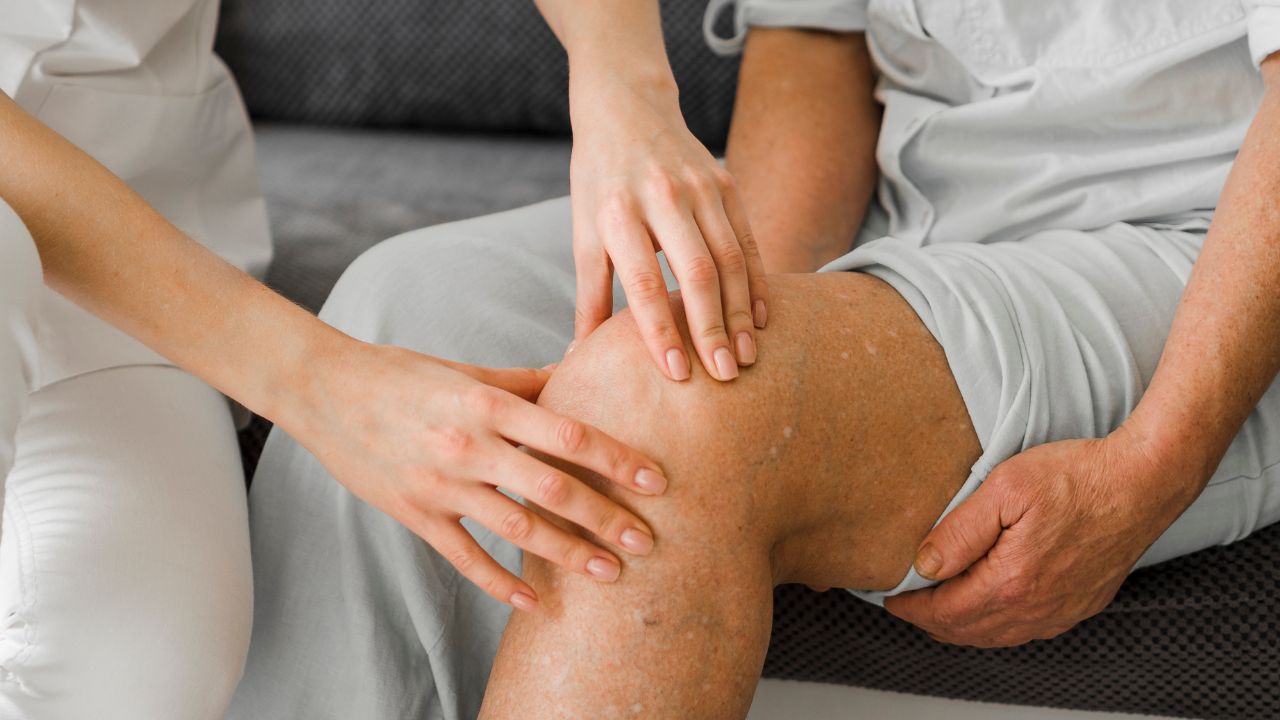
PRP knee arthritis treatment represents a regenerative medicine approach using the body’s own healing factors to address joint pain. Many patients consider PRP when they want to reduce pain, improve function, and avoid or delay surgery. Clinical research shows PRP may benefit selected patients, especially those with mild-to-moderate osteoarthritis who have not found lasting relief with traditional injections.
Understanding what success rates actually mean and what patient stories reveal helps set realistic expectations. PRP is not a guaranteed cure, but offers a non-surgical option for people seeking longer-lasting relief than repeated corticosteroid injections provide.
Key Takeaways
- PRP therapy for knee arthritis uses concentrated platelets from a patient’s own blood to support joint healing and reduce pain
- Recent studies show PRP often outperforms corticosteroid injections at 6-12 month follow-up for pain and function
- Success rates vary because PRP is measured by pain reduction, improved daily function, and delayed need for surgery
- Patients with mild-to-moderate arthritis and realistic goals tend to achieve better outcomes than those with advanced disease
- PRP results develop gradually over weeks to months, not immediately like corticosteroid injections
What Is PRP Therapy and How Does It Support Joint Healing?
PRP therapy concentrates platelets and growth factors from a patient’s own blood to promote tissue repair. The treatment delivers these healing components directly into the injured or arthritic knee. PRP relies on the body’s natural inflammatory and repair cascade rather than suppressing symptoms artificially, which may reduce pain and improve function for patients with symptomatic knee osteoarthritis.
How Is PRP Prepared and Administered?
PRP preparation follows a three-step process: blood draw, centrifugation to concentrate platelets, and injection into the affected joint. Trained clinicians use sterile technique and imaging or clinical diagnosis to target the injection site. PRP preparations vary by platelet concentration, leukocyte content, activation method, number of spins, and injection schedule. This variability means not all PRP products are identical across different practices or studies.
What Role Do Platelets and Growth Factors Play in Healing?
Platelets release growth factors that signal the body to begin tissue repair and regeneration. These growth factors recruit healing cells, stimulate collagen production, and modulate inflammation in damaged joint tissue. PRP relies on a healing cascade that unfolds over weeks to months, not instantly. Patients should not expect immediate anesthetic or steroid-like relief on injection day.
Why Do PRP Formulations and Protocols Vary?
PRP is not one standardized product, which complicates direct comparisons across clinical studies. Leukocyte-rich PRP contains white blood cells, while leukocyte-poor PRP has these cells removed during processing. Some research suggests leukocyte-rich formulations may improve certain outcomes, but findings conflict across the literature. Protocol differences in injection frequency, timing, and concentration contribute to variability in reported success rates.
How Is Success Measured in PRP Therapy for Knee Arthritis?
Success in PRP therapy is measured by improvements in pain scores, physical function, and quality of life. Clinical studies use validated outcome tools to track changes over time rather than simple yes-or-no cure rates. The Visual Analog Scale measures pain intensity, while functional assessments capture real-world improvements in daily activities. Understanding how success is defined helps patients interpret research findings and set appropriate treatment goals.
What Outcomes Do Clinical Studies Typically Use?
VAS is the Visual Analog Scale for pain measurement, where patients rate pain on a numbered line. WOMAC is the Western Ontario and McMaster Universities Arthritis Index, assessing pain, stiffness, and physical function. KOOS is the Knee Injury and Osteoarthritis Outcome Score, evaluating pain, symptoms, daily activities, sports function, and quality of life. Many studies report outcomes differently using VAS, WOMAC, KOOS, IKDC, responder rates, or patient satisfaction measures.
| Outcome Tool | What It Measures |
| VAS (Visual Analog Scale) | Pain intensity, rated by the patient on a numbered line |
| WOMAC | Pain, stiffness, and physical function |
| KOOS | Pain, symptoms, daily activities, sports function, and quality of life |
| IKDC | Overall knee function and symptoms |
Studies measure outcomes at 6-12 month follow-up most commonly, though some track patients longer. This timeframe allows researchers to assess whether PRP provides sustained improvement beyond short-term relief seen with corticosteroids. Different measurement tools and timeframes make it difficult to quote a single universal success rate.
What Does “Success” Look Like for Patients?
PRP success is measured by reductions in pain scores, improvements in daily function, and better patient-reported quality of life. Other success markers include reduced need for other injections or medications and delayed surgical decision-making. Success examples include less pain walking, climbing stairs, standing from a chair, or golfing and walking longer. For some patients, success means longer relief than corticosteroid injections provided, with improvement emerging over weeks to months.
Realistic success does not typically mean complete cartilage regeneration or permanent elimination of all arthritis symptoms. Success looks different for each patient depending on arthritis severity, activity goals, and baseline function. Patients with realistic expectations about gradual improvement tend to report higher satisfaction.
What Claims Should Be Viewed with Caution?
Success rate is not standardized in PRP literature, so universal percentages should be questioned without context. Different studies define success differently, making it impossible to apply one clinic’s statistics to all patients. Cartilage regeneration claims require careful evaluation because PRP’s primary mechanism involves pain reduction and inflammation modulation, not cartilage replacement. Patients expecting immediate steroid-like relief are poorer candidates because PRP works through a gradual healing process.
The FDA warns consumers about unapproved regenerative medicine products, including some stem-cell and exosome products marketed with exaggerated claims. Working with qualified providers who use evidence-informed protocols and transparent outcome discussions protects patients from unrealistic promises. Overstated claims about reversing severe arthritis or eliminating the need for knee replacement should raise concern.
What Does Clinical Research Say About PRP Knee Arthritis Outcomes?
Clinical research shows PRP often improves pain and function more than placebo and corticosteroid injections at mid-term follow-up. Recent systematic reviews and network meta-analyses provide the strongest evidence supporting PRP for selected knee osteoarthritis patients. A 2024 network meta-analysis included 48 level I-II studies and 9,338 knees, ranking treatments by effectiveness.
How Does PRP Compare to Corticosteroid and Hyaluronic Acid Injections?
SUCRA rankings for pain and function improvement placed PRP at 91.54, BMAC at 76.46, HA at 53.12, and corticosteroid at 15.18. SUCRA (surface under the cumulative ranking curve) is used in network meta-analyses to rank treatment effectiveness. PRP showed significantly lower VAS pain scores than corticosteroid at 3, 6, and 9 months. PRP also showed significantly lower WOMAC total scores than corticosteroid at 1, 6, 9, and 12 months.
| Treatment | SUCRA Score | What It Means |
| PRP | 91.54 | Ranked highest for combined pain and function outcomes |
| BMAC | 76.46 | Ranked second; more invasive and costly than PRP |
| Hyaluronic Acid | 53.12 | Moderate ranking; response varies widely among patients |
| Corticosteroid | 15.18 | Lowest ranking; fastest short-term relief but least durable |
PRP demonstrated better KOOS pain, activities of daily living, and quality of life measures than corticosteroid at 3-6 months. These findings suggest PRP may offer sustained improvement where corticosteroid effects typically fade after weeks. Hyaluronic acid also performed better than corticosteroid and placebo, though PRP ranked highest overall for combined pain and function outcomes. BMAC (Bone Marrow Aspirate Concentrate) ranked between PRP and hyaluronic acid.
Which Patients Tend to Respond Well to PRP?
The strongest responses appear in Kellgren-Lawrence grade I-II disease, which represents earlier-stage arthritis with less joint space narrowing. Kellgren-Lawrence grade is a radiographic grading system for osteoarthritis severity, where grades I-II indicate milder disease than grades III-IV. A 2025 meta-analysis suggested 3-5 injections spaced 7-14 days apart were associated with better results. Patients with advanced bone-on-bone arthritis may still experience symptom improvement, but outcomes are less predictable.
Active older adults with mild-to-moderate knee pain who want to maintain golf, pickleball, hiking, or daily exercise often fit the ideal candidate profile. Patients seeking to avoid frequent corticosteroid injections may benefit from PRP’s longer duration of effect.
What Are the Limitations and Inconsistencies in the Evidence?
AAOS rates PRP recommendation as Limited because evidence is inconsistent across studies with varying PRP preparations and protocols. The American Academy of Orthopaedic Surgeons states PRP “may reduce pain and improve function” in symptomatic knee osteoarthritis. The ACR/Arthritis Foundation 2019 OA guideline recommends against PRP for knee or hip OA because preparations and study methods vary widely. Guidelines differ in their recommendations, reflecting the complexity of evaluating a non-standardized treatment.
A 2025 systematic review and meta-analysis included 28 RCTs and 3,246 knee OA patients, finding PRP comparable to hyaluronic acid for pain but better for function. Another 2025 meta-analysis of PRP versus placebo or corticosteroid included 21 RCTs and 2,406 participants. These newer analyses suggest growing evidence for PRP efficacy, but standardization remains a challenge.
Why Do PRP Treatment Results Vary Among Patients?
PRP treatment results vary because multiple factors influence joint healing and patient-reported outcomes. Arthritis severity, injection technique, protocol consistency, patient biology, and activity level all affect success rates.
How Do Arthritis Severity and Joint Condition Affect Results?
Severe end-stage osteoarthritis or bone-on-bone arthritis may still respond to PRP, but expectations must be conservative. Patients with preserved joint space and less cartilage loss tend to experience better functional improvement than those with advanced degeneration. Inflammation level at treatment may influence how effectively growth factors initiate repair processes.
Coexisting conditions such as meniscus tears, ligament damage, or bone marrow lesions may limit PRP effectiveness if untreated. Some patients have primarily inflammatory pain, while others have mechanical joint instability that injections alone cannot address.
What Impact Does Injection Technique and Protocol Have?
Injection accuracy determines whether PRP reaches the intended target tissue within the joint space. Image-guided injections using ultrasound or fluoroscopy improve precision compared to landmark-based techniques alone. Protocol variations in PRP concentration, activation method, and number of injections affect the delivered dose of growth factors.
Some clinicians use leukocyte-rich PRP, while others prefer leukocyte-poor preparations based on differing interpretations of the literature. Post-injection protocols regarding rest, ice, activity modification, and physical therapy integration vary across practices.
How Do Patient Activity and Biology Influence Healing?
Patient age, overall health, nutrition, smoking status, and chronic disease management affect tissue healing capacity. Younger, healthier patients may mount a stronger regenerative response to PRP growth factors. Activity level after injection influences mechanical stress on the healing joint, with excessive early loading potentially disrupting repair.
Genetic factors and individual inflammatory responses determine how each patient’s body processes the concentrated platelets and growth factors. Medication use, particularly anti-inflammatory drugs taken immediately after PRP injection, may interfere with the desired healing cascade.
How Does PRP Therapy for Knee Arthritis Compare to Other Joint Injections?
PRP therapy compares favorably to corticosteroid and hyaluronic acid injections in multiple clinical studies, particularly at mid-term follow-up. Each injection type has distinct mechanisms, timelines, and appropriate clinical uses that guide treatment selection.
When Are Corticosteroid Injections More Appropriate?
Corticosteroid injections provide rapid anti-inflammatory relief, making them useful for acute flares or when immediate pain control is needed. The ACR guideline strongly recommends intra-articular glucocorticoid injections for appropriate knee osteoarthritis cases, particularly when inflammation is prominent. Corticosteroids work within days but typically provide relief lasting weeks to a few months. Some patients respond well to corticosteroid injections initially but seek alternatives when effects become shorter-lived with repeated use.
Repeated corticosteroid injections raise concerns about potential cartilage damage and metabolic effects, though the evidence is debated. PRP may be considered for patients who have exhausted corticosteroid benefits or want to reduce injection frequency.
What Are the Benefits and Limits of Hyaluronic Acid?
Hyaluronic acid injections supplement the natural lubricating fluid in the joint, reducing friction and potentially improving pain. Evidence for hyaluronic acid effectiveness varies, with some studies showing meaningful benefit and others finding minimal advantage over placebo. In the 2024 network meta-analysis, hyaluronic acid ranked between PRP and corticosteroid for pain and function outcomes.
Hyaluronic acid typically requires a series of injections over several weeks, similar to some PRP protocols. Response varies widely, with some patients reporting months of relief and others minimal improvement.
How Do Stem-Cell and BMAC Options Differ?
BMAC (Bone Marrow Aspirate Concentrate) contains mesenchymal stem cells, growth factors, and other regenerative components from bone marrow. The 2024 network meta-analysis ranked BMAC second to PRP, with a SUCRA score of 76.46. BMAC procedures are typically more invasive and expensive than PRP, requiring bone marrow aspiration in addition to processing and injection.
The FDA warns about unapproved stem-cell and exosome products that make regenerative claims without adequate safety and efficacy data. BMAC may be considered for patients with more severe disease who have not responded to PRP or hyaluronic acid.
What Can Patient Stories Teach Us About PRP Outcomes?
Patient stories illustrate how PRP knee arthritis outcomes vary based on disease severity, activity goals, and realistic expectations. Real-world experiences show that success means different things to different patients, from returning to recreational sports to managing daily tasks comfortably. These stories should be viewed as educational examples, not guarantees of individual results.
How Does PRP Help Active Older Adults Manage Knee Pain?
An active older adult with mild-to-moderate knee arthritis often experiences pain climbing stairs, walking long distances, or playing golf and pickleball. PRP appeals to this patient because it offers a non-surgical approach that may extend active years without joint replacement. Prior care may have included exercise modification, NSAIDs, or corticosteroid injections providing only short-lived relief.
After PRP injections, this patient might notice gradual pain reduction over 6-12 weeks, allowing longer walks and less stiffness. Success means returning to 18 holes of golf without severe pain the next day. The evidence base supports PRP’s mid-term pain and function outcomes for this mild-to-moderate arthritis profile.
What Are the Benefits for Working Professionals Avoiding Downtime?
A working professional with knee pain that worsens after travel, long meetings, or gym workouts seeks minimally invasive treatment without extended recovery. PRP injection is an outpatient procedure with planned recovery and activity modification rather than weeks of immobilization. The regenerative medicine approach aligns with this patient’s preference for addressing underlying problems instead of masking symptoms repeatedly.
After PRP, the patient follows a gradual return-to-activity protocol, often resuming desk work within days but delaying high-impact exercise for weeks. Success means the knee tolerates air travel, standing presentations, and moderate exercise without significant flares for many months. This patient values the science behind PRP’s healing mechanisms and longer relief duration compared to repeated corticosteroid shots.
What Realistic Goals Do Patients with Advanced Arthritis Have?
A patient with longstanding osteoarthritis and marked joint space narrowing seeks symptom reduction, not arthritis reversal. PRP goals for advanced arthritis focus on buying time, improving comfort during daily tasks, and possibly delaying knee replacement surgery. Expectations must remain conservative because severe structural damage limits the potential for functional restoration.
After PRP, this patient may experience moderate pain relief and improved ability to walk short distances without severe discomfort. Success does not mean returning to high-impact sports but rather standing in the kitchen longer or gardening without debilitating pain.
Can PRP Therapy Help Shoulder Conditions Too?
PRP therapy is used for shoulder pain conditions, but knee arthritis research cannot be directly applied to rotator cuff tears or shoulder arthritis. Shoulder outcomes depend heavily on the specific diagnosis: tendon irritation, partial tear, bursitis, labrum issue, or arthritis.
How Does PRP Use Differ Between Knee and Shoulder Problems?
Knee osteoarthritis primarily involves cartilage degeneration and joint space narrowing, while shoulder pain often stems from rotator cuff tendon damage. Tendon healing follows a different biological timeline and regenerative process than intra-articular cartilage and synovial inflammation. PRP for rotator cuff tears aims to improve tendon quality and reduce inflammation rather than providing joint lubrication.
Studies of PRP for shoulder conditions evaluate different outcome measures than knee arthritis research, such as shoulder-specific function scores and range of motion. Patients should not expect identical success rates or treatment protocols between knee and shoulder PRP applications. Each joint requires diagnosis-specific evaluation, imaging, and realistic goal-setting.
What Evidence Supports PRP for Rotator Cuff and Shoulder Arthritis?
Some studies suggest PRP may improve pain and function in rotator cuff tendinopathy and partial-thickness tears, though the evidence base is thinner than for knee osteoarthritis. Systematic reviews of PRP for rotator cuff conditions report mixed results, with some showing benefit and others finding no significant advantage over placebo. Shoulder arthritis research with PRP is limited compared to knee arthritis.
Patients with shoulder pain should seek consultation with a physician experienced in shoulder-specific PRP applications and rehabilitation.
When Should Patients Consider PRP for Shoulder Pain?
Patients should consider PRP for shoulder pain when conservative treatments such as physical therapy, activity modification, and oral medications provide insufficient relief. Rotator cuff tendinopathy without complete tears and early shoulder arthritis represent potential PRP indications in appropriate candidates. The Regenerative Institute of Newport Beach evaluates shoulder pain comprehensively to determine whether PRP, other injections, physical therapy, or surgical referral is most appropriate for the diagnosis.
Realistic goals for shoulder PRP include pain reduction, improved daily function, and enhanced ability to perform overhead activities without debilitating discomfort.
PRP Therapy for Knee Arthritis Success Rates and Patient Experiences
PRP therapy for knee arthritis offers a regenerative medicine option for selected patients seeking non-surgical pain relief and improved function. Success rates depend on how outcomes are measured, with clinical studies showing meaningful pain and function improvements, especially at 6-12 month follow-up. Patient stories reveal that realistic expectations, appropriate disease severity, and adherence to post-injection protocols strongly influence satisfaction with results. The Regenerative Institute of Newport Beach provides comprehensive evaluation and personalized treatment planning to identify which patients are most likely to benefit from PRP versus other regenerative or traditional options.
Understanding that PRP is not a standardized product and that results vary based on arthritis stage, injection technique, and patient biology helps set appropriate goals. Guidelines acknowledge both the promise and the limitations of PRP, recommending shared decision-making between informed patients and qualified physicians. For active Southern California adults seeking to maintain quality of life, reduce medication dependence, and address joint degeneration without immediate surgery, PRP represents a valuable option worth exploring.
Schedule Your Consultation at the Regenerative Institute of Newport Beach
Chronic knee pain should not keep you off the golf course, the hiking trail, or the activities that matter most to you. If you want to know whether PRP therapy fits your arthritis stage and your goals, the specialists at the Regenerative Institute of Newport Beach can walk you through your options during a personal consultation. Dr. Khyber Zaffarkhan and his team review your imaging, activity level, and treatment history before recommending PRP, another regenerative option, or a referral for further care.
Call (949) 438-1888 or request a consultation to start your evaluation. To live better, contact the Regenerative Institute of Newport Beach today!
Frequently Asked Questions About PRP Therapy for Knee Arthritis
Q1. How many PRP injections are needed for knee arthritis?
A. Most protocols call for three to five injections spaced seven to fourteen days apart, based on findings from a 2025 meta-analysis. The exact number depends on arthritis severity, response to early injections, and the specific protocol a provider follows. Some patients notice initial improvement after the first series, while others benefit from a repeat course months later. Your physician confirms an injection schedule based on your evaluation and response.
Q2. How long does it take to feel results from PRP for knee arthritis?
A. PRP results build gradually over six to twelve weeks rather than appearing immediately like a corticosteroid shot. Growth factors released by the platelets trigger a healing cascade that continues to develop over this period. Many patients report the clearest improvement in pain and function around the three- to six-month mark. Patience with this timeline is part of setting realistic expectations for the treatment.
Q3. Is PRP better than corticosteroid injections for knee arthritis?
A. Clinical research, including a 2024 network meta-analysis covering more than 9,000 knees, ranked PRP above corticosteroid injections for both pain and function at mid-term follow-up. Corticosteroids act faster and suit acute flares, but their benefit tends to fade within weeks to a few months. PRP tends to offer longer-lasting relief for patients with mild-to-moderate osteoarthritis. The right choice depends on how quickly you need relief and how your arthritis has responded to prior treatment.
Q4. Can PRP help patients with advanced or bone-on-bone knee arthritis?
A. PRP can still provide some symptom relief for patients with advanced arthritis, but outcomes are less predictable than for mild-to-moderate disease. Patients with preserved joint space generally see better functional improvement than those with significant cartilage loss. For advanced cases, PRP goals typically shift toward pain reduction and delaying surgery rather than restoring full activity. A comprehensive evaluation helps determine whether PRP, another regenerative option, or a surgical referral makes more sense.
Q5. Does insurance cover PRP therapy for knee arthritis?
A. PRP therapy is generally considered an elective, cash-pay treatment and is not covered by most insurance plans. The Regenerative Institute of Newport Beach reviews treatment and payment details during a consultation so patients understand their options before proceeding. Some patients weigh the out-of-pocket cost of PRP against the cost and downtime of surgery when making treatment decisions. Discussing your specific plan and goals with the clinical team is the most reliable way to get accurate cost information.

