
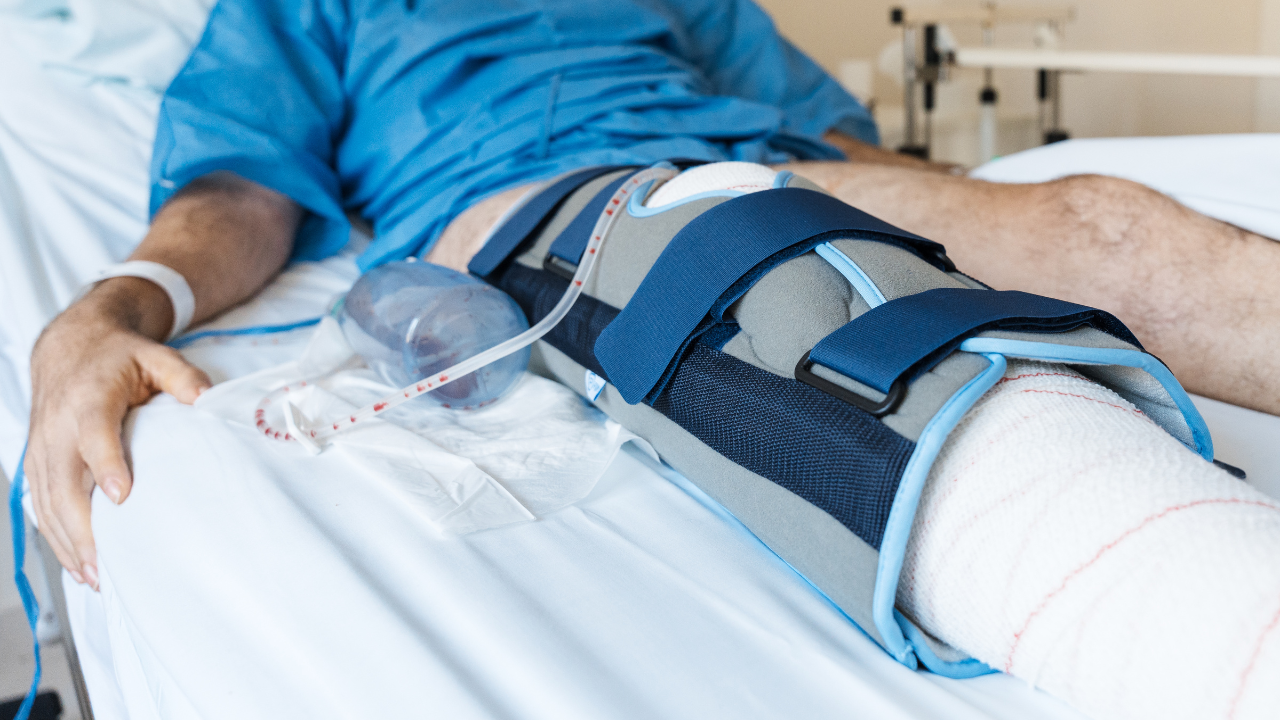
Anterior cruciate ligament tears represent one of the most common and debilitating knee injuries among athletes and active individuals, ranking among the sports medicine field’s most frequently treated sports injury cases. Traditional treatment has relied heavily on surgical reconstruction using grafts from other tendons, followed by extensive physical therapy. ACL stem cell therapy now offers a regenerative alternative that uses the body’s own healing mechanisms to repair damaged ligament tissue without invasive grafts.
The promise of regenerative medicine ACL treatment lies in its ability to reduce inflammation and stimulate tissue repair at the cellular level. However, this approach remains controversial as clinical evidence continues to develop and mainstream orthopedic guidelines evolve. Understanding the mechanisms, costs, and realistic expectations helps patients make informed decisions about their injury recovery options.
Key Takeaways
- Stem cell therapy uses mesenchymal stem cells to repair ACL damage through anti-inflammatory and tissue regeneration mechanisms
- Treatment costs $4,200-$12,000 per injection and is not typically covered by insurance
- Partial ACL tears show better outcomes than complete ruptures with stem cell therapy alone
- Recovery time varies but may be shorter than the traditional 6-12 month surgical rehabilitation
- BEAR II clinical trial demonstrates promise for biologic augmentation in ACL repair
What Is an ACL Injury and How Is It Traditionally Treated?
An ACL injury occurs when the anterior cruciate ligament tears due to sudden twisting, pivoting, or direct impact forces. This ligament connects the femur to the tibia and provides critical stability during movement and weight-bearing activities.
Traditional treatment depends on tear severity, patient age, and activity level expectations. Complete tears in active individuals typically require surgical reconstruction, while partial tears may heal with conservative management including bracing and physical therapy.
What Happens When the ACL Tears?
The ACL can tear partially or completely when excessive force exceeds the ligament’s tensile strength. Patients typically experience immediate pain, audible popping, rapid swelling, and loss of knee stability during the injury event.
A complete tear means the ligament fibers separate entirely, eliminating mechanical stability within the joint. Partial tears maintain some structural continuity but compromise the ligament’s normal function and load-bearing capacity.
What Does Surgical Reconstruction Involve?
Surgical reconstruction replaces the torn ACL with a graft harvested from the patient’s own tendons or donor tissue. The surgeon drills tunnels through the femur and tibia, threading the graft through and securing it with screws or other fixation devices.
The procedure requires general anesthesia, arthroscopic instruments, and precise tunnel placement for optimal graft positioning. Post-operative protocols emphasize gradual loading, range-of-motion exercises, and progressive strengthening under physical therapy supervision.
What Are the Limitations of Surgery and Recovery?
Traditional ACL reconstruction requires 6-12 months of rehabilitation before returning to pre-injury activity levels. Athletes face psychological challenges, potential re-tear risk, and the possibility of developing early-onset arthritis in the affected knee.
Surgical complications may include infection, graft failure, tunnel malposition, and persistent pain or stiffness. How PRP therapy helps heal knee ligament injuries represents one biologic approach gaining traction alongside traditional surgical methods.
What Is Stem Cell Therapy and How Does It Work for ACL Injuries?
Stem cell therapy introduces concentrated mesenchymal stem cells directly into the injured ACL to promote tissue regeneration. The treatment harnesses the body’s natural repair mechanisms rather than replacing the torn ligament with graft tissue.
Bone marrow aspirate concentrate delivers multipotent cells capable of secreting anti-inflammatory cytokines and growth factors that modulate the healing environment. This paracrine effect represents the primary mechanism through which stem cells facilitate ligament repair and functional recovery.
What Types of Stem Cells Are Used in Therapy?
Mesenchymal stem cells, a category of adult stem cells, secrete powerful anti-inflammatory cytokines and growth factors through paracrine signaling while maintaining differentiation potential. Under specific biochemical conditions, these cells can differentiate into chondrocytes that support articular cartilage repair, fibroblasts, and other connective tissue cell types.
Bone Marrow Aspirate Concentrate introduces multipotent cells into the joint to promote profound tissue regeneration and immunomodulation. Stem cell therapy sources vary significantly in terms of cellular composition, regulatory approval, and clinical application protocols.
How Are Stem Cells Harvested and Administered?
Bone marrow is aspirated typically from the iliac crest using a specialized needle under local anesthesia. Adipose tissue harvesting provides an alternative source, though bone marrow remains the most common approach for orthopedic applications.
The bone marrow aspirate is centrifuged to concentrate the mononuclear cell fraction containing MSCs, hematopoietic stem cells, and growth factors. Stem cells are injected under ultrasound guidance to ensure accurate delivery into the damaged ligament tissue.
What Is the Biological Mechanism Behind Stem Cell Repair?
Mesenchymal stem cells modulate local inflammation by secreting interleukin-10, transforming growth factor-beta, and other anti-inflammatory mediators. These cytokines shift the joint environment from a catabolic state favoring tissue breakdown to an anabolic state supporting repair.
Growth factors released by stem cells stimulate resident fibroblasts to produce new collagen and extracellular matrix proteins. This biological cascade strengthens the remaining ligament fibers and may facilitate partial regeneration of torn tissue segments.
How Does Stem Cell Therapy Compare to Traditional Surgery for ACL Injuries?
Stem cell therapy offers a minimally invasive alternative that avoids graft harvesting and tunnel drilling through bone structures. The procedure typically requires only needle access under imaging guidance, resulting in less tissue trauma and faster initial recovery.
However, efficacy varies significantly based on tear completeness, with partial tears showing substantially better outcomes than full-thickness ruptures. Surgical reconstruction remains the gold standard for complete ACL tears in patients requiring high-level knee stability following a serious sports injury or for occupational demands.
| Factor | Stem Cell Therapy | Surgical Reconstruction |
| Invasiveness | Needle-based injection under imaging guidance | Arthroscopic surgery with graft harvesting and bone tunnels |
| Typical Recovery Time | 6-8 weeks for modified activity (partial tears) | 6-12 months of structured rehabilitation |
| Ideal Candidates | Partial tears, chronic ligament insufficiency, low-demand patients | Complete tears in active individuals needing high-level stability |
| Insurance Coverage | Not typically covered; classified as experimental | Typically covered, reducing out-of-pocket burden |
| Cost Range | $4,200-$12,000+ per injection | Higher initial surgical cost, often insurance-offset |
| Evidence Base | Emerging; case series and early trials such as BEAR II | Extensive; established gold-standard literature |
What Are the Benefits and Drawbacks of Stem Cell Therapy?
Benefits include avoiding major surgery, preserving native ligament tissue, and potentially shorter injury recovery time compared to reconstruction. Patients experience minimal scarring, reduced infection risk, and the ability to return to light activities within weeks rather than months.
Drawbacks include high out-of-pocket costs, variable treatment protocols across providers, and limited long-term outcome data. The therapy requires specialized clinical expertise and may necessitate multiple injection sessions to achieve optimal results.
In Which Cases Is Stem Cell Therapy Most Effective?
Partial ACL tears represent the ideal indication for stem cell therapy as an isolated treatment modality. Patients with grade I or II sprains maintain sufficient ligament continuity to benefit from regenerative enhancement without mechanical augmentation.
Younger patients with high healing capacity and non-athletes with moderate stability requirements also show favorable responses. BEAR II clinical trial represents a landmark trial for biologic augmentation, demonstrating improved healing when stem cells supplement surgical repair techniques.
Can Stem Cells Be Used in Combination With Surgical Repair?
Stem cell injections can augment surgical reconstruction by enhancing graft integration and reducing post-operative inflammation. Surgeons inject concentrated bone marrow aspirate around the graft site during or immediately following the reconstruction procedure.
This combination approach aims to improve long-term graft survival and accelerate the biological incorporation process. Stem cell therapy for knees demonstrates broader joint applications beyond isolated ligament repair.
What Does Clinical Research Say About Stem Cell Therapy for ACL Damage?
Clinical trials investigating stem cell therapy for ACL injuries remain limited compared to the extensive surgical reconstruction literature. Early studies show promising short- to mid-term results, particularly when treating partial tears or augmenting surgical repairs.
Most published research consists of case series, retrospective reviews, and small prospective cohorts rather than large randomized controlled trials. The evidence base continues expanding as more institutions adopt standardized protocols and report outcome data systematically.
What Are the Key Findings From Recent Trials and Studies?
Recent studies demonstrate that mesenchymal stem cell injections reduce pain and improve function in patients with partial ACL tears. Magnetic resonance imaging shows enhanced ligament signal intensity and structural integrity in treated patients compared to conservative management alone.
The BEAR II trial specifically examined biologic augmentation using a collagen scaffold seeded with autologous blood to promote healing. Results indicated that this approach achieved comparable stability outcomes to traditional reconstruction while preserving native ligament tissue.
How Does Stem Cell Therapy Affect Healing Time and Outcomes?
Healing time varies depending on tear severity, treatment protocol, and individual patient factors, including age and baseline health. Patients with partial tears may return to modified activities within 6-8 weeks following stem cell injection, compared to 6-12 months after surgical reconstruction.
Functional outcomes measured through patient-reported scores show moderate improvement in pain and daily activity capacity. However, return-to-sport rates and long-term joint stability data remain limited, requiring further investigation to establish treatment efficacy definitively.
What Are Current Recommendations and Guidelines?
Pure stem cell injection as a standalone replacement for full-thickness ACL tears is still considered experimental by many mainstream orthopedic bodies. The American Academy of Orthopaedic Surgeons does not currently include stem cell monotherapy in standard treatment algorithms for complete ruptures.
Professional societies recommend considering regenerative approaches for partial tears, chronic ligament degeneration, or as adjunctive therapy during reconstruction. Is stem cell therapy right for you depends on individual injury characteristics and functional goals.
Who Is a Good Candidate for Stem Cell Therapy Instead of Surgery?
Good candidates typically present with partial ACL tears, chronic ligament insufficiency, or complete tears in low-demand patients. Age, activity level, and willingness to accept potentially limited stability improvement all influence candidacy determination.
Ideal patients maintain realistic expectations about outcome possibilities and understand the experimental nature of stem cell monotherapy. Those seeking to avoid surgery due to medical comorbidities, previous failed reconstruction, or philosophical preference may consider this approach.
How Are Partial Versus Complete ACL Tears Treated?
Partial tears retain some ligament continuity, making them more amenable to regenerative enhancement through stem cell therapy. These injuries may heal adequately with biological augmentation, bracing, and progressive rehabilitation without requiring graft reconstruction.
Complete tears involve total ligament disruption with fiber retraction, eliminating mechanical continuity between femur and tibia. Non-surgical ligament repair becomes substantially more challenging as the cells cannot bridge the gap without scaffold support or surgical approximation.
What Patient Factors Influence Treatment Choice?
Patient age significantly affects healing capacity, with younger individuals demonstrating stronger regenerative responses to stem cell therapy. Activity demands matter considerably, as competitive athletes typically require the superior stability provided by surgical reconstruction.
Medical comorbidities, including diabetes, smoking, and immune dysfunction, may impair stem cell efficacy and healing outcomes. Stem cell therapy in Newport Beach requires comprehensive patient evaluation before initiating treatment protocols.
How Is Patient Safety and Risk Profile Assessed?
Physicians evaluate patient safety through detailed medical history, physical examination, and advanced imaging, including MRI scans. Contraindications include active infection, malignancy, severe osteoporosis, and certain autoimmune conditions affecting tissue healing.
Risk assessment considers procedural complications such as infection, bleeding, and allergic reactions to anesthetic agents. Long-term risks remain poorly defined given limited follow-up data beyond 2-5 years in most published studies.
What are the Financial and Practical Considerations of Stem Cell Treatment?
Stem cell therapy requires a significant out-of-pocket investment, with estimated costs per injection ranging from $4,200 to $12,000. The typical full course cost spans $4,200 to $15,000 for one to two injection sessions, depending on treatment protocols.
Lack of insurance coverage for stem cell therapy creates financial barriers for many patients considering this treatment option. Traditional ACL reconstruction, while involving higher initial surgical costs, typically receives insurance coverage, reducing patient financial burden substantially.
| Cost Factor | Details |
| Cost per Injection | $4,200-$12,000+ |
| Full Treatment Course | $4,200-$15,000 for one to two injection sessions |
| Insurance Coverage | Not typically covered; most carriers classify it as experimental |
| Sessions Typically Needed | One to two injections, spaced several weeks apart |
| Additional Costs to Budget For | Potential follow-up injections and concurrent rehabilitation |
What Is the Typical Cost Range and Insurance Coverage Status?
Stem cell therapy cost ranges from $4,200 to $12,000+ per treatment, depending on the provider, geographic location, and specific protocol employed. The typical full course requires one to two injections spaced several weeks apart to optimize regenerative response.
Stem Cell therapy is not typically covered by insurance as most carriers classify it as experimental or investigational. Patients must budget for the full treatment cost, potential follow-up injections, and concurrent rehabilitation expenses when planning care.
What Is the Procedure Experience Like for Patients?
Stem cell therapy requires an invasive harvesting procedure typically performed under local anesthesia with conscious sedation for patient comfort. The bone marrow aspiration from the iliac crest creates temporary soreness similar to a deep bruise at the harvest site.
Stem cell therapy requires specialized clinical expertise in image-guided injection techniques to ensure accurate cellular delivery. Patients experience minimal downtime following the injection, though activity restrictions apply for several weeks to protect the healing ligament.
How Does Stem Cell Therapy Fit Into Overall Joint Injury Management?
Stem cell injections represent one component within a comprehensive strategy for managing musculoskeletal injuries, including rehabilitation and activity modification, with similar regenerative principles applied to tendon tears and other soft tissue damage. Stem cell therapy for shoulders, knees, and hips addresses multiple orthopedic conditions beyond isolated ACL pathology.
The treatment integrates with physical therapy protocols emphasizing neuromuscular control, proprioceptive training, and progressive strength development. Combining regenerative medicine with evidence-based rehabilitation maximizes functional outcomes and reduces re-injury risk during return-to-activity phases.
How Are Regenerative Medicine Trends Shaping ACL Injury Treatments?
Regenerative medicine continues to transform orthopedic care by offering biologically based alternatives to purely mechanical surgical interventions. The market reflects growing patient demand for treatments addressing root causes rather than simply replacing damaged structures.
Healthcare providers increasingly incorporate multiple regenerative modalities into comprehensive treatment algorithms for ligamentous injuries. This trend reflects accumulating clinical evidence supporting biologic approaches alongside evolving reimbursement landscapes and regulatory frameworks.
What Other Regenerative Techniques Complement Stem Cells?
Platelet-Rich Plasma therapy utilizes a concentration of the patient’s own platelets containing growth factors to stimulate tissue repair. PRP releases growth factors including PDGF, TGF-β, and VEGF that stimulate local stem cells, promote angiogenesis, and shift the joint environment from catabolic to anabolic states.
Autologous blood is drawn from the patient and processed in a centrifuge to separate and concentrate the platelets. Platelets are typically concentrated to 5-8x baseline concentration before injection into the damaged ligament under ultrasound guidance.
Prolotherapy involves injecting an irritant solution, most commonly hypertonic dextrose, into ligaments and tendons to stimulate natural healing. This technique triggers localized inflammation that recruits healing cells and promotes collagen deposition for tissue strengthening.
How Is Patient Interest and Adoption Varying Demographically?
Millennials show the highest preference for Platelet-Rich Plasma at 32% and demonstrate a preference for Stem Cell Therapy at 30%. This demographic actively researches emerging treatments and values long-term regenerative solutions over temporary symptom management.
Generation X represents 28% of the PRP market and is exploring stem cell options at 22% adoption rates. Baby Boomers traditionally favored corticosteroid injections at 32% but increasingly consider regenerative alternatives as awareness grows.
What Are Emerging Innovations in Orthobiologic Therapies?
The broader regenerative medicine market was valued at USD 48.17 billion globally in 2025 and is projected to reach USD 90.01 billion by 2030. The regenerative medicine market has a CAGR of 16.8% to 20.5%, reflecting rapid technological advancement and clinical adoption.
The stem cell therapy market for joint applications is projected to grow from USD 204 million in 2025 to USD 1.29 billion by 2035. Stem cell therapy benefits continue expanding as research identifies optimal cell sources, delivery methods, and combination protocols.
Integrating Stem Cell Therapy Into ACL Injury Care: Potential and Limitations
Stem cell therapy represents a promising but still evolving treatment option for ACL injuries requiring careful patient selection and expectation management. The approach offers the greatest potential for partial tears, chronic ligament insufficiency, and as surgical augmentation rather than complete reconstruction or replacement. Clinical evidence continues accumulating but remains insufficient to establish stem cell monotherapy as standard care for complete ACL ruptures.
A patient’s guide to regenerative stem cell treatments provides comprehensive information for individuals considering these innovative therapies. The decision between stem cell therapy and traditional surgery requires thorough evaluation of injury severity, functional demands, financial resources, and individual healing capacity. Regenerative Institute of Newport Beach offers specialized expertise in evaluating ACL injuries and determining optimal treatment strategies combining regenerative medicine with evidence-based orthopedic care.
Ready to Explore Regenerative Treatment for Your ACL Injury?
Every ACL injury is different, and the right path forward depends on tear severity, activity goals, and overall joint health. Dr. Khyber Zaffarkhan, DO, FAAPMR, draws on extensive experience in regenerative medicine and sports medicine to help patients weigh stem cell therapy, PRP, and surgical reconstruction against their specific musculoskeletal injuries and long-term goals. To live better, contact the Regenerative Institute of Newport Beach today!
Frequently Asked Questions About Stem Cell Therapy for ACL Injuries
Q1. Is stem cell therapy a good alternative to ACL surgery?
A. Stem cell therapy is most suitable as an alternative for partial ACL tears and chronic ligament insufficiency, not for complete ruptures in active patients who need full mechanical stability. Surgical reconstruction remains the standard for complete tears, though stem cells can also be injected alongside a graft to support healing. Dr. Khyber Zaffarkhan, DO, FAAPMR, evaluates tear severity, activity level, and overall joint health before recommending either path. The right choice depends on your specific injury and long-term goals.
Q2. How much does stem cell therapy for ACL injuries cost?
A. Stem cell therapy for ACL injuries typically costs between $4,200 and $12,000 per injection, with a full treatment course of one to two injections reaching up to $15,000. Most insurance carriers classify the treatment as experimental, so patients generally pay out of pocket. Traditional ACL reconstruction carries a higher initial surgical cost but is more often covered by insurance. Discussing your specific protocol and expected number of sessions during a consultation gives a clearer cost picture.
Q3. How long does it take to recover from ACL stem cell therapy?
A. Patients with partial ACL tears may return to modified activities within 6 to 8 weeks after stem cell injection, compared to 6 to 12 months of rehabilitation after surgical reconstruction. Recovery time still depends on tear severity, treatment protocol, and individual healing capacity. Activity restrictions apply for several weeks after injection to protect the healing ligament tissue. A structured rehabilitation plan alongside the injection helps support a full functional recovery.
Q4. Can stem cell therapy fully heal a torn ACL?
A. Stem cell therapy shows the most promise for partial ACL tears, where some ligament continuity remains for the injected cells to support. Complete tears involve total fiber separation, which limits the ability of stem cells alone to bridge the gap without scaffold support or surgical approximation. Clinical evidence, including the BEAR II trial, supports biologic augmentation alongside surgery for more complex injuries. Mainstream orthopedic guidelines still consider stem cell monotherapy experimental for full-thickness ruptures.
Q5. Is stem cell therapy for ACL injuries covered by insurance?
A. Most insurance carriers do not cover stem cell therapy for ACL injuries because they classify the treatment as experimental or investigational. Patients should budget for the full cost of the injection, any follow-up sessions, and concurrent physical therapy. Traditional ACL reconstruction is more likely to receive coverage, which can offset its higher upfront surgical cost. The Regenerative Institute of Newport Beach can walk you through expected costs during a consultation at (949) 438-1888.

