
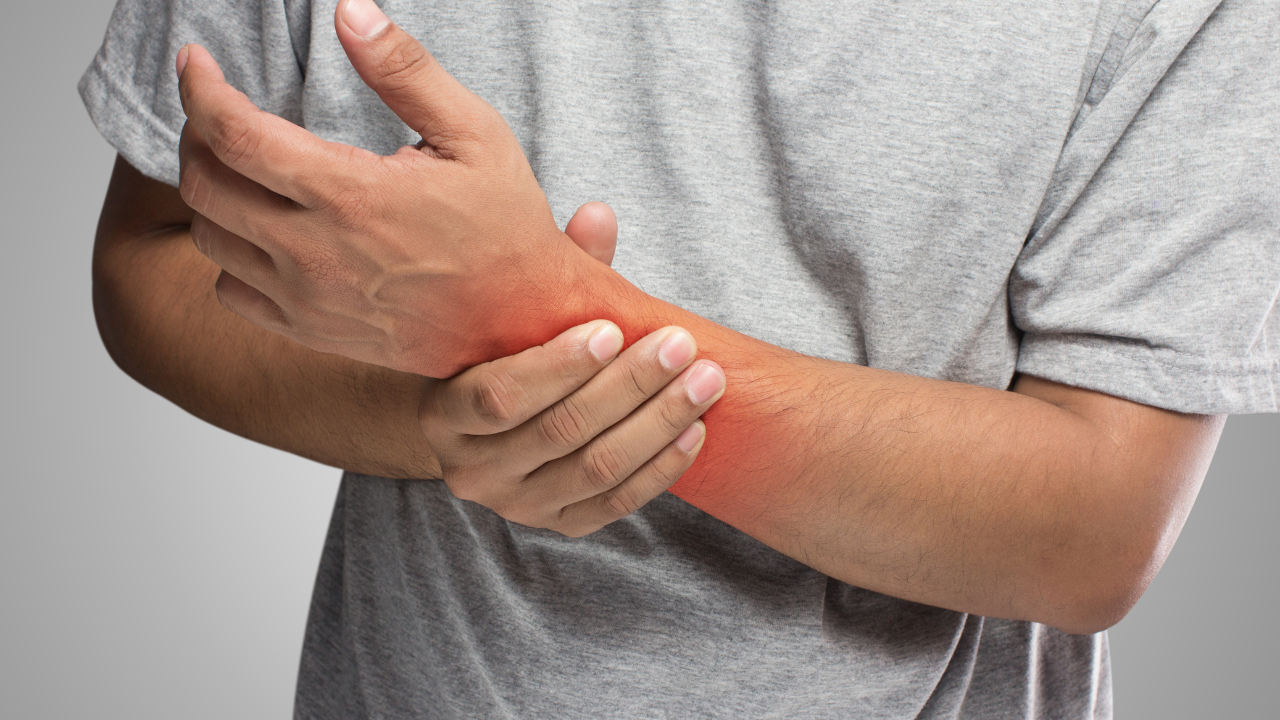
Chronic pain creates a profound bidirectional relationship between physical discomfort and mental health that affects millions worldwide. Understanding the psychological effects of pain and implementing evidence-based coping strategies pain anxiety can significantly improve quality of life and functional outcomes. This comprehensive guide examines how chronic pain influences emotional well-being and provides actionable approaches to manage both physical and psychological dimensions of persistent pain.
The connection between mental health chronic pain extends beyond simple cause and effect. Research demonstrates that pain catastrophizing, fear-avoidance behaviors, and limited activity levels create cascading psychological challenges that require targeted interventions beyond traditional pain management alone.
Key Takeaways
- Chronic pain affects 51.6 million U.S. adults and serves as a primary cause of years lived with disability globally
- Younger generations report significantly higher rates of mental health diagnoses alongside chronic conditions compared to older adults
- Cognitive-behavioral therapy and mindfulness-based stress reduction produce measurable improvements in pain-related functioning and mood
- Active patient involvement in medical decision-making reduces the frequency of pain and improves treatment outcomes
- Multidisciplinary approaches combining physical therapy, ergonomic modifications, and psychological interventions achieve superior results compared to single-modality treatments
What Is Chronic Pain and How Does It Affect Mental Health?
Chronic pain is defined as pain persisting beyond normal healing time, typically lasting three months or longer. This persistent discomfort creates significant emotional distress through disrupted sleep patterns, limited mobility, and reduced participation in valued activities that previously brought satisfaction and meaning.
How Does Chronic Pain Influence Emotional Well-being?
Pain catastrophizing represents a negative cognitive-affective response where individuals magnify pain sensations and feel helpless to control them. This thought pattern intensifies pain perception and increases the risk of developing pain-related depression and anxiety disorders. Fear-avoidance is a behavioral pattern where patients avoid activities they believe will increase pain. This protective strategy paradoxically impedes recovery from pain by reducing physical conditioning and reinforcing disability beliefs.
What Are the Common Psychological Challenges Associated with Chronic Pain?
Approximately 20% of adults worldwide experience chronic pain, making it a primary cause of years lived with disability globally. In 2021, 51.6 million U.S. adults (20.9%) experienced chronic pain, while 17.1 million adults (6.9%) experienced high-impact chronic pain. High-impact chronic pain significantly limits daily life or work activities, creating a substantial psychological burden. These limitations frequently trigger comprehensive mental health challenges, including social isolation, loss of identity, and reduced self-efficacy.
How Do Demographics Influence Mental Health Outcomes in Chronic Pain?
Younger adults report markedly higher rates of mental health diagnoses alongside chronic conditions compared to older generations. Among those with chronic conditions, 59% of Gen Z and 52% of Millennials report mental health diagnoses, compared to just 18% of Boomers. Younger patients are more likely to seek mental health interventions than older generations despite lower pain prevalence. Chronic pain increases substantially with age, affecting 36.0% of adults aged 65+ compared to 12.3% of adults aged 18-29.
Why Is Mental Health Care Essential in Chronic Pain Management?
Mental health care addresses the psychological effects of pain that medication and physical interventions cannot resolve alone. Untreated psychological distress amplifies pain perception, reduces treatment adherence, and creates a self-perpetuating cycle of disability and suffering. Integrated care that combines physical and psychological interventions produces superior outcomes compared to either approach in isolation.
What Mental Health Interventions Support Chronic Pain Coping?
Cognitive-Behavioral Therapy (CBT) focuses on changing unhelpful thought patterns that amplify pain and disability. CBT produces small to moderate improvements in functioning and mood for people with chronic pain across diverse conditions. Acceptance and Commitment Therapy (ACT) focuses on psychological flexibility by helping patients pursue valued activities despite pain. Mindfulness-based stress reduction (MBSR) focuses on present-moment awareness, and brain scans confirm that mindfulness meditation engages distinct neural mechanisms to reduce pain beyond placebo effects.
How Do Mindfulness and Cognitive Therapies Alleviate Pain-Related Stress?
Mindfulness for pain relief works by altering how the brain processes pain signals rather than merely distracting from discomfort. MBSR teaches patients to observe pain sensations without judgment, reducing the emotional reactivity that amplifies suffering. CBT restructures catastrophic thinking patterns and replaces fear-avoidance with graded exposure to activities. Mental health interventions require active participation through regular practice and homework assignments, and results are not immediate but develop progressively over weeks to months.
What Role Does Psychological Flexibility Play in Pain Management?
Psychological flexibility enables patients to engage in meaningful activities even when pain is present. ACT teaches this skill by helping individuals clarify personal values and commit to value-consistent behaviors regardless of pain levels. This approach shifts focus from eliminating pain to living fully despite physical limitations. Psychological flexibility reduces disability and improves quality of life independent of pain intensity changes.
How Do Physical and Environmental Factors Contribute to Mental Health in Chronic Pain?
Physical activity and environmental modifications directly influence both pain levels and psychological well-being through multiple mechanisms. Exercise releases endorphins, improves sleep quality, and provides tangible evidence of capability that counters helplessness beliefs. Ergonomic improvements reduce pain triggers at work and home, creating sustainable conditions for long-term management.
How Can Exercise and Physical Therapy Improve Psychological Well-being?
Pilates, McKenzie therapy, and functional restoration are more effective than general exercise for chronic low back pain in reducing both pain intensity and functional limitations. Physical therapy success rates fall between 68% and 72% when patients maintain high adherence to prescribed programs. Creating a sustainable fitness routine builds confidence, improves mood, and demonstrates progressive capability that directly counters disability beliefs. Physical therapy requires high patient adherence through multiple sessions weekly over extended periods to achieve optimal outcomes.
What Workplace Ergonomic Solutions Help Reduce Mental Strain from Pain?
Sit-stand workstations allow position changes that prevent prolonged static loading of painful joints and muscles. Adjustable lumbar support, seat depth adjustment, and dynamic recline are essential features of ergonomic chairs that accommodate individual body dimensions and movement preferences. Technical modifications of workstation combined with practical education represent the most effective strategy for workplace pain management. Implementing ergonomic solutions requires both equipment investment and behavioral changes to utilize adjustability features properly throughout the workday.
How Does Activity Level Affect Pain and Mood?
Nonpainful and painful exercises show similar long-term pain intensity reductions, challenging the traditional belief that exercise must be pain-free. This finding empowers patients to maintain activity despite temporary discomfort, preventing the deconditioning that worsens long-term outcomes. Fear-avoidance behavior creates a self-fulfilling prophecy where avoiding activity leads to weakness, which increases injury risk during unavoidable movements. Gradually increasing activity levels through structured programs builds both physical capacity and psychological resilience against pain.
What Are the Consumer Priorities When Choosing Chronic Pain Treatments?
Patient preferences profoundly influence treatment selection, adherence, and outcomes in chronic pain management. Understanding these priorities helps clinicians recommend interventions that align with individual values and circumstances. Research demonstrates that patients weigh multiple factors simultaneously when evaluating treatment options.
How Do Patients Balance Risks and Benefits in Pain Management?
Among all treatment factors, 95% of consumers prioritize risks of serious side effects when selecting pain management approaches. Risk of stroke, heart attack, and physical dependence represent the most concerning serious side effects that influence decision-making. Addiction risks with opioids have particularly heightened consumer awareness following extensive public health messaging about the opioid epidemic. This overwhelming concern about safety often leads patients toward drug-free alternatives even when medications might provide faster symptom relief.
What Treatment Features Influence Patient Decision-Making?
After safety, 88% of consumers prioritize effectiveness as the second most important treatment selection factor. Cost and affordability matter to 82% of consumers, particularly given the chronic nature requiring ongoing expenses. Accessibility influences 78% of consumers, reflecting practical constraints around transportation, scheduling, and availability of specialized services. Convenience matters to 72% of consumers, while non-invasiveness is prioritized by 68% of consumers seeking conservative management options.
Consumer research shows how people weigh different factors when choosing a chronic pain treatment. The table below breaks down these priorities.
| Priority Factor | Consumers Who Prioritize It | Why It Matters |
| Safety (low risk of side effects) | 95% | Patients want to avoid stroke, heart attack, and dependence risks tied to some conventional treatments. |
| Effectiveness | 88% | Patients weigh proven results heavily once safety concerns are addressed. |
| Cost and affordability | 82% | Chronic conditions require ongoing care, so predictable costs matter over time. |
| Accessibility | 78% | Transportation, scheduling, and provider availability shape whether care gets used consistently. |
| Convenience | 72% | Treatments that fit into daily routines see higher follow-through. |
| Non-invasiveness | 68% | Many patients prefer conservative options before considering more invasive procedures. |
How Does Patient Involvement Impact Mental Health and Pain Outcomes?
Active involvement in medical decision-making reduces chances of frequent pain through increased treatment adherence and personal investment in outcomes. Patients adopt one of three strategies: being a passive recipient, problem-solving, or active negotiation with healthcare providers. Shared decision-making frameworks between patients and healthcare providers achieve optimal outcomes by integrating clinical expertise with patient preferences and values. Research indicates that patients with chronic pain do not appear to be entirely autonomous in decision-making, requiring collaborative relationships with trusted clinicians.
How Can Non-Pharmaceutical Options Complement Mental Health in Chronic Pain?
Non-pharmaceutical interventions provide valuable adjuncts to mental health care without medication side effects or dependency risks. These options range from simple home devices to sophisticated alternative therapies requiring professional administration. Consumer satisfaction data reveal significant variation in effectiveness and value across different device categories.
What Are the Advantages and Limitations of Pain Management Devices?
TENS units and cold/heat therapy packs achieved median customer satisfaction ratings of 4.5/5.0 in a comprehensive consumer analysis. Hand and arm massagers received lower customer satisfaction ratings of 3.2/5.0 despite higher price points. Price is not a significant predictor of customer satisfaction for pain-relief devices, with some inexpensive options outperforming expensive alternatives. Variable effectiveness with devices reflects individual differences in pain mechanisms, requiring trial-and-error to identify beneficial options.
How Do Alternative Therapies Support Coping Without Medication?
Temporary peripheral nerve stimulation implanted for up to 60 days was the most preferred treatment versus radiofrequency ablation or permanent spinal cord stimulation. This preference reflects high consumer value placed on reversibility and minimal invasiveness when evaluating advanced interventions. Massage guns and digital TENS units represent mid-range pain relief devices offering technological features beyond basic options. TENS units are transcutaneous electrical nerve stimulation devices that deliver low-voltage electrical currents through skin electrodes to modulate pain signals.
What Are the Barriers to Accessing Mental Health and Adjunct Treatments?
Access barriers to mental health interventions persist despite growing awareness of the psychological effects of pain and treatment needs. Stigma around mental health care continues to prevent many chronic pain patients from seeking the psychological support they need. Ergonomic solutions have high upfront costs that create financial barriers, particularly for lower-income individuals experiencing higher pain prevalence. Ergonomic solutions require behavioral changes to be utilized properly, and equipment alone, without habit modification, provides limited benefit. Physical therapy is time-intensive, demanding multiple weekly appointments over extended periods that conflict with work and family obligations.
How Do Socioeconomic and Geographic Factors Affect Mental Health in Chronic Pain?
Socioeconomic status and geographic location create substantial disparities in both chronic pain prevalence and access to comprehensive treatment. These structural factors influence pain through multiple pathways, including occupational hazards, healthcare access, and resource availability. Understanding these patterns helps identify populations requiring targeted intervention and support.
What Is the Impact of Income Levels on Access to Mental Health Resources?
Adults below the federal poverty level are four times more likely to suffer from chronic pain compared to higher-income groups. This disparity reflects greater exposure to physically demanding occupations, limited access to preventive care, and reduced ability to modify work conditions. Lower-income individuals face compounded barriers accessing mental health services through inadequate insurance coverage, transportation challenges, and service scarcity in underserved areas. Financial constraints force difficult choices between pain management expenses and other necessities.
How Does Urban vs. Rural Living Influence Pain and Psychological Support?
Chronic pain prevalence in nonmetropolitan rural areas reaches 31.4% compared to 20.5% in large central metropolitan areas. Suburban areas show intermediate prevalence around 26.0%, creating a clear gradient as urbanization decreases. Adjusted odds of chronic pain are 51% higher among suburban residents and 36% higher among rural residents compared to urban populations. These disparities persist after controlling for demographic differences, suggesting environmental and occupational factors contribute substantially. Rural areas typically have fewer mental health providers and specialized pain management services, limiting comprehensive care approaches that integrate physical and psychological interventions.
What Are the Generational Differences in Mental Health Treatment for Pain?
Baby Boomers are two times more likely than Millennials to use opioids for pain management despite lower mental health treatment utilization. Chronic pain prevalence increases dramatically with age, affecting 36.0% of adults aged 65+, 32.0% of adults aged 60-64, and 28.0% of adults aged 50-59. In contrast, only 12.3% of adults aged 18-29 experience chronic pain despite higher mental health treatment-seeking rates. Younger generations demonstrate greater openness to mental health strategies for injury recovery and psychological interventions for pain management.
Chronic pain prevalence rises steadily with age, as the table below shows.
| Age Group | Chronic Pain Prevalence |
| 18-29 | 12.3% |
| 50-59 | 28.0% |
| 60-64 | 32.0% |
| 65 and older | 36.0% |
What Strategies Foster Effective Coping and Improved Mental Health with Chronic Pain?
Effective chronic pain management requires integrating multiple evidence-based approaches tailored to individual circumstances and preferences. No single intervention addresses all dimensions of chronic pain, making multidisciplinary strategies essential for optimal outcomes. The following evidence-based strategies demonstrate the strongest support for improving both pain and psychological well-being.
How Does Shared Decision-Making Enhance Patient Outcomes?
Shared decision-making frameworks between patients and healthcare providers achieve optimal outcomes by aligning treatment plans with patient values and capabilities. Active involvement in medical decision-making reduces chances of frequent pain through enhanced adherence and personal investment in treatment success. A value-based care model study demonstrated an 81% completion rate with 69% of members pain-free at discharge. The same model achieved a 50% reduction in avoidable musculoskeletal surgeries by optimizing conservative management approaches.
What Behavioral and Psychological Techniques Promote Resilience?
ACT builds psychological flexibility by helping patients pursue valued activities despite ongoing pain sensations. CBT restructures unhelpful thought patterns including catastrophizing and helplessness beliefs that amplify disability beyond physical limitations. MBSR cultivates present-moment awareness and reduces emotional reactivity to pain through regular meditation practice. Addressing pain catastrophizing as a negative cognitive-affective response to pain significantly improves treatment outcomes across interventions. Overcoming fear-avoidance behavior that impedes recovery from pain requires graded exposure to previously avoided activities with professional support.
How Can Patients Integrate Multidisciplinary Therapies for Better Mental Health?
Physical therapy success rates between 68% and 72% improve further when combined with psychological interventions addressing mental health barriers. Value-based care models achieving 81% completion rates and 69% pain-free outcomes demonstrate the power of coordinated multidisciplinary approaches. Technical modifications of workstation combined with practical education represent the most effective workplace intervention strategy, superior to either component alone. Activity modification strategies enable sustained participation in valued pursuits while managing pain triggers. Nonpainful and painful exercises show similar long-term pain intensity reductions, expanding exercise options and reducing fear-avoidance during rehabilitation.
Integrating Mental Health Approaches into Comprehensive Chronic Pain Care
Comprehensive chronic pain management requires addressing both physical and psychological dimensions through coordinated, evidence-based interventions. Mental health chronic pain treatment integration produces superior outcomes compared to addressing either dimension in isolation through synergistic effects. Effective coping strategies pain anxiety and pain-related depression require active patient participation, professional guidance, and sustained commitment to behavioral change over time.
The evidence clearly demonstrates that combining physical interventions with psychological approaches yields the strongest outcomes for long-term pain management. Patients benefit from multidisciplinary teams that coordinate physical therapy, ergonomic modifications, medication management when appropriate, and targeted psychological interventions. This integrated approach addresses the complex interplay between physical pain, emotional distress, and functional limitations that characterizes chronic pain conditions.
Ready to Start Feeling Better?
Chronic pain and its mental health effects do not have to run your life. Our team at the Regenerative Institute of Newport Beach treats the whole person, combining regenerative medicine, pain management, and a genuine understanding of how persistent pain affects mood, sleep, and daily function. Dr. Khyber Zaffarkhan and our clinical team build personalized care plans that address both the physical source of pain and its psychological weight. Call us at (949) 438-1888 or reach out through our contact page to schedule a consultation and talk through your options with our team.
Frequently Asked Questions
Q1. Does Chronic Pain Always Lead to Depression or Anxiety?
A. Not always, but the risk is significant. Chronic pain roughly doubles the likelihood of developing depression or anxiety compared to people without persistent pain, largely through pain catastrophizing and fear-avoidance behaviors. Early intervention with cognitive-behavioral therapy or mindfulness-based stress reduction lowers this risk. Patients who stay socially active and involved in treatment decisions tend to see better emotional outcomes.
Q2. How Long Does It Take for Coping Strategies to Improve Mental Health?
A. Most patients notice initial changes within four to eight weeks of consistent practice, though full benefits often develop over several months. Cognitive-behavioral therapy and mindfulness-based stress reduction both require regular sessions and at-home practice to reshape thought patterns and reduce emotional reactivity to pain. Progress is typically gradual rather than immediate, so sticking with a program matters more than any single session.
Q3. Can Chronic Pain Be Managed Without Relying on Medication?
A. Yes, many patients reduce their reliance on medication through a combination of physical therapy, psychological interventions, and lifestyle changes. Exercise, ergonomic adjustments, and structured activity programs address the physical side, while cognitive-behavioral therapy and acceptance and commitment therapy address the emotional side. A multidisciplinary plan tends to outperform any single approach used alone.
Q4. What Is the Difference Between CBT and Mindfulness-Based Stress Reduction?
A. Cognitive-behavioral therapy focuses on identifying and changing unhelpful thought patterns, such as catastrophizing, that intensify pain and disability. Mindfulness-based stress reduction instead trains patients to observe pain sensations without judgment, which changes how the brain processes pain signals. Both approaches produce measurable improvements in mood and function, and some patients benefit from combining the two.
Q5. When Should Someone See a Specialist About Chronic Pain and Mental Health?
A. A specialist visit is worth scheduling when pain has lasted three months or longer, when it limits daily activities or work, or when mood, sleep, or motivation have noticeably declined. Waiting rarely improves outcomes, since untreated psychological distress tends to amplify pain over time. A specialist can coordinate physical and psychological care so both dimensions of chronic pain are addressed together.

