
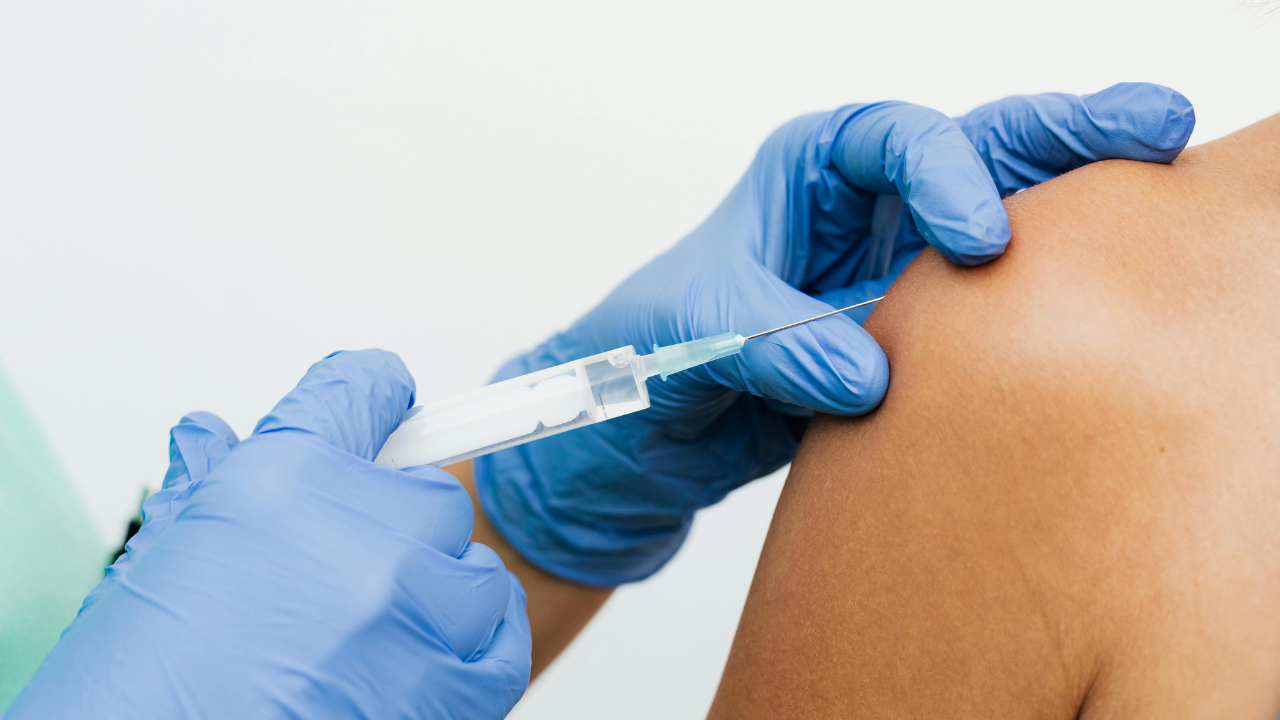
Corticosteroid injections have dominated pain management for decades, offering rapid relief for inflammatory joint conditions. However, their short-lived effects and potential tissue damage have prompted many patients to seek alternative injection therapies that address root causes rather than symptoms. Modern regenerative medicine provides multiple non-steroidal injections that stimulate natural healing mechanisms while avoiding the drawbacks of repeated steroid use.
The shift toward regenerative treatments reflects a fundamental change in how physicians approach joint pain management. Rather than temporarily suppressing inflammation, these pain management options work with the body’s biology to repair damaged tissues and restore function. Patients now have access to evidence-based therapies ranging from simple dextrose injections to sophisticated stem cell procedures. Below, you’ll find how each option works, what it typically costs, and who benefits most, from platelet-rich plasma and prolotherapy to viscosupplementation and stem cell treatment. Comparing these joint injection options side by side helps you match a therapy to your condition, budget, and recovery goals.
Key Takeaways
- Platelet-rich plasma therapy delivers growth factors that promote tissue repair and provides relief lasting up to 12 months
- Prolotherapy stimulates natural healing through controlled inflammation using dextrose injections at a fraction of the cost of PRP
- Viscosupplementation restores joint lubrication and can delay knee replacement surgery by 1.4 to 3.6 years
- Stem cell therapy offers the highest regenerative potential for moderate to severe osteoarthritis cases
- Treatment selection depends on severity, budget, and whether patients prioritize immediate relief or long-term healing
| Therapy | How It Works | Typical Relief Duration | Ideal Candidate |
|---|---|---|---|
| Corticosteroid | Suppresses inflammation with synthetic steroids | 4 to 6 weeks | Acute inflammatory flares needing fast relief |
| Prolotherapy | Triggers healing with a dextrose-based irritant | Builds across several sessions | Cost-conscious patients with joint or ligament laxity |
| Viscosupplementation | Restores joint lubrication with hyaluronic acid | Develops over several weeks | Mild to moderate knee osteoarthritis |
| PRP | Delivers concentrated platelet growth factors | Up to 12 months | Knee osteoarthritis and soft tissue injuries |
| Stem Cell (BMAC) | Introduces regenerative cells for tissue repair | Long-term | Moderate to severe osteoarthritis avoiding surgery |
What Are Corticosteroid Injections and Their Limitations?
How Do Corticosteroids Relieve Joint Pain?
Corticosteroids are powerful anti-inflammatory medications injected directly into the joint space to rapidly reduce inflammation and alleviate pain. These synthetically produced pharmaceutical compounds, like triamcinolone and methylprednisolone, inhibit the synthesis of pro-inflammatory signaling molecules, including Interleukin-1 and prostaglandins.
Corticosteroids provide a rapid onset of action within days compared to other treatments. The quick relief makes them valuable for acute inflammatory flares requiring immediate intervention.
Why Is Relief from Steroid Injections Short-Lived?
Corticosteroid effects typically diminish significantly after 4 to 6 weeks in most patients. The inflammatory pain treatment provides only temporary symptom suppression rather than addressing underlying joint degeneration.
Patients often require repeated injections to maintain relief as the original problem remains unresolved. This short duration creates a cycle of dependency without disease modification.
What Risks Are Associated with Repeated Steroid Use?
Corticosteroid injections carry the potential for systemic absorption, affecting metabolism and blood sugar regulation. Repeated use may accelerate cartilage degradation over time by disrupting the joint’s natural repair mechanisms.
Studies indicate that frequent steroid injections can weaken surrounding tendons and ligaments. The risk of tissue damage increases with each subsequent injection in the same joint.
How Does Platelet-Rich Plasma (PRP) Therapy Work?
What Is PRP and How Is It Prepared?
Platelet-Rich Plasma therapy utilizes a concentration of the patient’s own platelets containing growth factors to stimulate tissue repair. Autologous blood is drawn from the patient and processed in a centrifuge to separate platelets from red blood cells.
PRP preparation typically concentrates platelets to 5-8 times baseline concentration in a simple office procedure. The 5 reasons patients choose PRP therapy include its natural origin and regenerative potential.
What Healing Mechanisms Do Platelets Trigger?
PRP releases growth factors including PDGF, TGF-β, and VEGF that stimulate local stem cells and promote angiogenesis. These biological signals shift the joint environment from catabolic breakdown to anabolic tissue building.
PRP carries no risk of allergic reaction or rejection because it uses autologous material. The concentrated platelets trigger cascading healing responses that continue for weeks after injection.
What Does Clinical Evidence Say About PRP Effectiveness?
PRP is superior to both hyaluronic acid and corticosteroids for long-term pain relief in knee osteoarthritis. Studies demonstrate sustained functional improvement lasting up to 12 months following treatment.
PRP therapy perceived effectiveness is around 65 percent, with patient satisfaction of 62 percent. Ultrasound guidance during the effective non-surgical treatments for knee arthritis ensures precise placement for optimal results.
What Is Prolotherapy and How Does It Promote Healing?
How Does Dextrose Injection Stimulate Tissue Repair?
Prolotherapy involves injecting an irritant solution, most commonly hypertonic dextrose, into ligaments and tendons to stimulate natural healing. The hypertonic solution creates a localized mild inflammatory response, triggering growth factor release and fibroblast proliferation.
Prolotherapy typically uses a 15-25 percent dextrose concentration mixed with a local anesthetic like lidocaine. The pharmaceutical-grade dextrose initiates collagen deposition and tissue strengthening through controlled inflammation.
Which Patients Benefit Most from Prolotherapy?
Prolotherapy serves cost-conscious patients seeking regenerative treatments without premium price tags. Patients with joint instability or ligamentous laxity causing chronic pain respond particularly well to this approach.
The treatment relies on inducing temporary inflammation, which can cause post-injection soreness for several days. Most patients tolerate this discomfort well, knowing it signals the healing cascade activation.
How Does Prolotherapy Compare to Other Regenerative Treatments?
Studies indicate prolotherapy provides comparable long-term pain relief to PRP and stem cells for many conditions. However, it may require more treatment sessions, often 3-6 injections spaced several weeks apart.
Prolotherapy has less robust clinical trial data compared to PRP in some applications. Despite this limitation, its safety profile and affordability make it an attractive regenerative option.
How Do Viscosupplementation Injections Provide Pain Relief?
What Role Does Hyaluronic Acid Play in Joint Health?
Viscosupplementation involves injecting hyaluronic acid, a naturally occurring substance in synovial fluid, to restore joint lubrication. Hyaluronic acid provides mechanical lubrication, shock absorption, and may have mild anti-inflammatory effects.
The substance is typically produced via bacterial fermentation using Streptococcus zooepidemicus and purified to medical standards. Formulations vary by molecular weight and degree of cross-linking to optimize joint residence time.
How Is Viscosupplementation Administered?
Viscosupplementation often requires a series of 3-5 injections administered weekly, though single doses exist. Pain relief is not immediate, like steroids, but develops over several weeks as joint mechanics improve.
The hyaluronic acid may be the key to managing osteoarthritis for many patients. The gradual onset allows the joint to adapt to improved lubrication and cushioning.
Who Is an Ideal Candidate for HA Injections?
Viscosupplementation suits patients with mild to moderate osteoarthritis classified as Kellgren-Lawrence grades I-III. HA injections can delay the need for total knee arthroplasty by 1.4 to 3.6 years, depending on treatment frequency.
A BMJ meta-analysis of 24 large trials involving 8,997 patients found modest pain reduction compared to placebo. Viscosupplementation carries an increased risk of local adverse events like temporary flare-ups following injection.
What Are Stem Cell Therapies and Their Role in Joint Repair?
How Are Mesenchymal Stem Cells Harvested and Processed?
Stem cell therapy utilizing Bone Marrow Aspirate Concentrate introduces multipotent cells to promote profound tissue regeneration. Bone marrow is aspirated typically from the iliac crest and centrifuged to concentrate the mononuclear cell fraction.
The regenerative stem cell treatments contain mesenchymal stem cells along with growth factors and supporting cells. The concentration process yields a powerful biological solution for injection into damaged joints.
What Regenerative Effects Do Stem Cells Offer?
Mesenchymal stem cells secrete powerful anti-inflammatory cytokines and growth factors through paracrine signaling mechanisms. These cells have the potential to differentiate into chondrocytes or cartilage cells under specific joint conditions.
The stem cell therapy for arthritis represents a safer alternative to repeated steroid injections. MSCs modulate the immune environment while stimulating resident repair cells within the joint.
When Is Stem Cell Therapy Recommended Over Surgery?
Stem cell therapy serves patients with moderate to severe osteoarthritis seeking to avoid joint replacement. Pure stem cell injection as a standalone replacement for full-thickness ACL tears remains experimental by mainstream standards.
Current evidence shows the most promise for partial ACL tears, sprains, or augmentation during surgical repair. The therapy requires specialized expertise and careful patient selection to achieve optimal outcomes.
How Do Costs and Insurance Coverage Affect Treatment Choices?
How Do Treatment Prices Compare Across Injection Types?
Corticosteroid injections cost $100 to $400 per treatment and are usually covered by insurance plans. Prolotherapy ranges from $200 to $600 per injection, with full courses totaling $1,000 to $2,000.
Viscosupplementation costs $300 to $1,000 per injection, with full courses reaching $1,200 to $3,000. PRP therapy ranges from $400 to $2,500 per injection, totaling $1,200 to $5,000 for complete treatment.
| Therapy | Cost Per Injection | Full Course | Typical Insurance Coverage |
|---|---|---|---|
| Corticosteroid | $100 to $400 | Varies by frequency | Covered by nearly all plans |
| Prolotherapy | $200 to $600 | $1,000 to $2,000 | Rarely covered |
| Viscosupplementation | $300 to $1,000 | $1,200 to $3,000 | Often covered for knee OA |
| PRP | $400 to $2,500 | $1,200 to $5,000 | Rarely covered |
| Stem Cell | Varies, premium tier | Varies by protocol | Rarely covered |
Which Therapies Are Commonly Covered by Insurance?
Corticosteroid injections receive coverage from virtually all insurance plans as established standard care. Viscosupplementation for knee osteoarthritis is covered by Medicare and many private plans meeting specific criteria.
PRP therapy and prolotherapy rarely receive insurance coverage and typically require out-of-pocket payment. The insurance coverage for regenerative medicine varies significantly between plans and continues evolving.
How Do Patients Weigh Cost Against Benefits and Duration?
Efficacy and pain relief is 38 percent priority for patients when selecting injectable joint treatment. Safety profile ranks 27 percent priority, while duration of effect represents 16 percent priority.
Cost and affordability account for an 11 percent priority in patient decision-making processes. The average patient is willing to pay an additional $70 out-of-pocket for viscosupplementation over oral painkillers.
| Decision Factor | Priority Weight |
|---|---|
| Efficacy and pain relief | 38% |
| Safety profile | 27% |
| Duration of effect | 16% |
| Cost and affordability | 11% |
What Factors Influence Patients’ Decisions on Injection Therapies?
How Do Age and Lifestyle Affect Treatment Preferences?
Millennials show a 32 percent preference for Platelet-Rich Plasma therapy, seeking long-term regenerative solutions. This generation shows a 30 percent preference for stem cell therapy despite higher costs.
Generation X represents 28 percent of the PRP market, and 22 percent are exploring stem cell options. Baby Boomers traditionally favored corticosteroid injections at 32 percent but increasingly consider regenerative alternatives.
What Regional and Accessibility Issues Impact Options?
Only 9 percent of rural communities have adequate orthopedic services for advanced regenerative treatments. Northeast and West Coast regions show higher adoption rates of PRP and stem cells compared to Midwest areas.
Urban centers offer a wide array of specialized clinics providing regenerative therapies and arthroscopic procedures. Rural patients often face limited access to specialists and must travel to urban centers for care.
How Do Perceived Effectiveness and Satisfaction Vary Among Treatments?
Viscosupplementation was perceived as highly effective by 74.1 percent of patients, with a satisfaction rate of 66.0 percent. Corticosteroid injections were perceived as effective by 67.6 percent, with satisfaction of only 53.1 percent.
PRP therapy perceived effectiveness is around 65 percent, with patient satisfaction of 62 percent. A survey of 2,073 patients with knee osteoarthritis revealed these satisfaction differences across treatment types.
| Treatment | Perceived Effective | Patient Satisfaction |
|---|---|---|
| Viscosupplementation | 74.1% | 66.0% |
| Corticosteroid | 67.6% | 53.1% |
| PRP | About 65% | 62% |
Integrating Alternative Injection Therapies for Effective Pain Management
Selecting the appropriate injection therapy requires understanding both the biological mechanisms and practical considerations of each option. Corticosteroids remain valuable for acute flares but fail to address underlying degeneration, while regenerative therapies like PRP and epidural steroid injections pose safety risks that require careful evaluation. Prolotherapy offers an affordable entry point into regenerative medicine, viscosupplementation provides mechanical joint support, and stem cells deliver the most potent biological intervention.
The evolution of pain management options reflects a shift from symptom suppression to tissue restoration. The right pain treatment decision framework helps patients match their condition severity, budget, and goals with appropriate therapies. Patients working with experienced regenerative medicine specialists at the Regenerative Institute of Newport Beach can access comprehensive treatment plans combining these therapies for optimal outcomes.
The future of joint pain management continues moving toward biologics that work with the body’s natural healing capacity. As research expands and techniques improve, these alternative injection therapies will likely become first-line treatments for many conditions. Patients seeking lasting relief rather than temporary symptom control now have evidence-based options that address the root causes of joint degeneration.
Start Your Path to Lasting Pain Relief in Newport Beach
Chronic joint pain does not have to limit the life you want. Dr. Khyber Zaffarkhan, DO, FAAPMR, and the team at the Regenerative Institute of Newport Beach design personalized treatment plans that target the source of your pain rather than masking it. With more than 15 years of experience in regenerative medicine and pain management, our specialists help patients across Newport Beach and Orange County return to the activities they love without surgery.
Call 949-438-1888 or request your consultation to learn which alternative injection therapy fits your condition, budget, and goals. To live better, contact the Regenerative Institute of Newport Beach today!
Frequently Asked Questions
Q1. Which Injection Therapy Provides the Longest-Lasting Relief?
A. Relief duration depends on the therapy and the joint treated. PRP therapy can provide relief lasting up to 12 months, while stem cell treatment supports long-term regeneration for moderate to severe osteoarthritis. Corticosteroids fade within 4 to 6 weeks, and viscosupplementation builds over several weeks and can delay knee replacement by 1.4 to 3.6 years. A specialist can review your imaging and history to estimate how long results may last for your condition. Learn more about how long joint injections last.
Q2. Are Alternative Injection Therapies Covered by Insurance?
A. Coverage varies by therapy and plan. Corticosteroid injections receive coverage from nearly all insurers as standard care, and viscosupplementation for knee osteoarthritis is covered by Medicare and many private plans that meet specific criteria. PRP therapy and prolotherapy rarely receive coverage and usually require out-of-pocket payment. Our team can review your benefits and explain the cost of each option before treatment begins.
Q3. How Soon Do PRP and Stem Cell Injections Start Working?
A. These regenerative therapies work gradually rather than instantly. PRP releases growth factors that trigger healing responses for weeks after injection, so many patients notice steady improvement over one to three months. Stem cell treatment stimulates tissue repair over a longer period as the cells modulate the joint environment. Unlike steroids, which mask pain quickly, regenerative injections aim to rebuild tissue, and that takes time.
Q4. Should I Choose PRP or Prolotherapy for Knee Pain?
A. The right choice depends on your budget and the tissue involved. PRP concentrates your own platelets and has stronger clinical support for knee osteoarthritis, with sustained improvement lasting up to 12 months. Prolotherapy uses dextrose to stimulate healing and costs less, which suits patients with joint instability or ligament laxity. A consultation helps determine which therapy matches your diagnosis and goals.
Q5. Can Injection Therapy Help Me Avoid Knee Replacement Surgery?
A. For many patients, yes. Viscosupplementation can delay total knee replacement by 1.4 to 3.6 years, depending on treatment frequency. PRP and stem cell therapy address the cartilage and soft tissue damage that drives osteoarthritis, which may postpone or reduce the need for surgery. Results vary by joint condition and severity, so a specialist evaluation is the clearest way to understand your options.

