
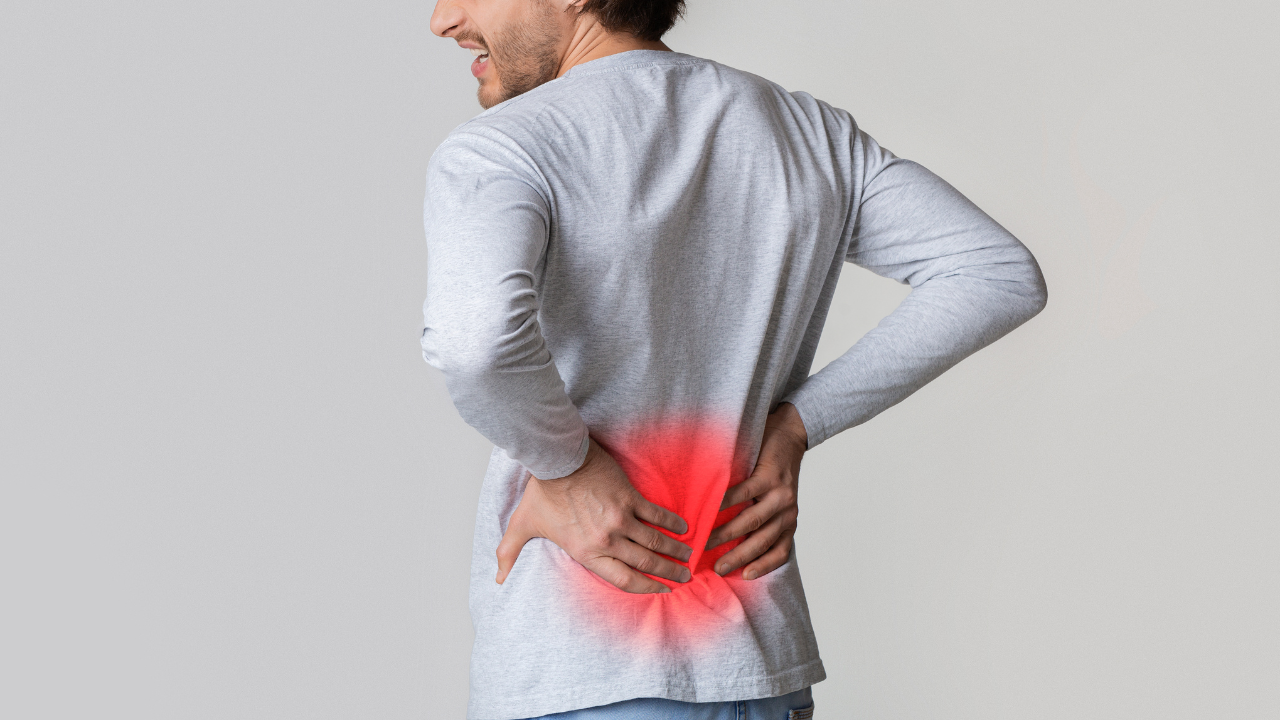
Chronic back pain affects approximately 20.9% of American adults, limiting daily activities, reducing workplace productivity, and significantly impacting overall wellbeing. Understanding how chronic back pain, ergonomics, and treatment options intersect empowers individuals to make informed decisions about managing symptoms effectively.
Relief requires balancing multiple strategies addressing both physical and psychological factors. Evidence-based approaches combine workspace modifications, therapeutic exercises, and targeted interventions to reduce pain intensity. Treatment selection depends on individual circumstances, cost considerations, and personal preferences regarding invasiveness and time commitment.
Key Takeaways
- Chronic back pain prevalence increases with age, affecting 36% of adults aged 65 and older
- Ergonomic workspace modifications combined with behavioral changes reduce pain intensity and prevent exacerbation
- Physical therapy demonstrates 68-72% success rates with targeted exercise modalities like Pilates and McKenzie therapy
- Mental health interventions, including CBT and mindfulness-based stress reduction, address psychological components of chronic pain
- Treatment selection prioritizes side effect risks, effectiveness, and affordability across pharmaceutical and non-pharmaceutical options
What Is Chronic Back Pain and How Does It Impact Daily Life?
Chronic back pain is persistent discomfort lasting longer than three months. High-impact chronic pain significantly limits daily life or work activities, affecting approximately 6.9% of American adults. This condition disrupts sleep patterns, reduces mobility, and creates barriers to maintaining active lifestyles and professional responsibilities.
The economic burden extends beyond medical expenses to lost productivity and reduced earning capacity. Pain-related work limitations force many to modify job duties or reduce working hours. Understanding how chronic back pain impacts quality of life helps patients recognize when professional intervention becomes necessary.
What Are the Common Causes and Risk Factors?
Musculoskeletal disorders represent the most common cause of chronic back pain, accounting for 53.5% of cases. Neuropathic pain conditions affecting nerve pathways contribute to 36.5% of chronic pain presentations. Degenerative disc disease, spinal stenosis, herniated discs, and disk injuries frequently develop in the lumbar spine from aging, repetitive strain, or acute trauma.
Risk factors include sedentary occupations requiring prolonged sitting and physically demanding jobs involving heavy lifting. Poor posture during computer work accelerates spinal stress and muscular imbalances. Age-related degenerative changes increase susceptibility, with prevalence rising steadily after age 30.
How Does Chronic Back Pain Affect Physical and Mental Wellbeing?
Chronic pain is the main cause of years lived with disability globally. Physical limitations restrict participation in exercise, physical activity, hobbies, and social activities. Muscle weakness develops from reduced activity levels, creating a cycle perpetuating pain and functional decline.
Fear-avoidance behaviors emerge as barriers to recovery when patients avoid movements they perceive as threatening. Pain catastrophizing, defined as negative cognitive-affective responses involving rumination and helplessness, amplifies perceived pain intensity. Chronic pain affects mental health through increased rates of depression and anxiety, particularly among younger patients.
Which Demographics Are Most Affected by Chronic Back Pain?
Chronic pain prevalence increases substantially with age. Adults aged 18-29 experience a 12.3% prevalence, while those aged 50-59 report a 28.0% prevalence rate. The highest prevalence occurs among adults aged 65 and older, reaching 36.0%.
Geographic location significantly influences chronic pain rates. Rural residents face 36% higher adjusted odds of chronic pain compared to urban populations. Adults with incomes below the federal poverty level are four times more likely to suffer chronic pain than higher-income groups.
Why Are Ergonomic Adjustments Essential for Managing Back Pain?
Ergonomic modifications address root causes of workplace-related back pain by optimizing physical environments to support back and spine health. Proper workstation setup reduces biomechanical stress on spinal structures during prolonged sitting or standing. These adjustments prevent pain exacerbation and support natural healing without pharmaceutical intervention.
Technical modifications combined with practical education produce the most effective workplace interventions. Behavioral changes complement equipment upgrades to maximize pain reduction. Without proper training, even premium ergonomic solutions fail to deliver benefits due to improper usage.
What Are the Key Components of an Ergonomic Workspace?
An ergonomic work setup requires adjustable chairs providing lumbar support matched to individual spinal curves. Seat depth adjustment accommodates different leg lengths while maintaining proper thigh support and circulation. Armrests positioned at elbow height reduce shoulder tension and prevent upper back strain during keyboard use.
Sit-stand workstations enable posture variation throughout the workday, reducing static loading on spinal discs. Monitor placement at eye level prevents neck flexion, contributing to cervical strain. Keyboard and mouse positioning at neutral wrist angles minimizes forearm muscle tension radiating into shoulder and back regions.
How Do Sit-Stand Workstations and Chairs Reduce Back Pain?
Sit-stand workstations reduce current and worst low-back pain in office workers with chronic symptoms. Alternating between sitting and standing distributes mechanical loads across different muscle groups and spinal segments. This variation prevents tissue fatigue from static postures compressing the same structures.
High-quality chairs with dynamic recline mechanisms encourage movement while maintaining spinal support. Adjustable lumbar support fills the natural curve of the lower back, preventing slouching. Office posture tips emphasize sitting with feet flat on the floor and hips positioned slightly higher than knees.
What Behavioral Changes Complement Ergonomic Solutions?
Ergonomic solutions require behavioral changes to be utilized properly and achieve maximum pain reduction. Regular movement breaks every 30-45 minutes prevent muscle stiffness and improve circulation to spinal tissues. Standing or walking during phone calls incorporates activity into daily workflows without reducing productivity.
Ergonomic solutions have high upfront costs ranging from $200 to $2,500 for comprehensive workstation modifications. Return on investment emerges through reduced pain-related absenteeism and improved work performance. Insurance coverage rarely extends to workplace equipment purchases, making affordability a significant consideration.
How Can Physical Therapy Alleviate Chronic Back Pain?
Physical therapy addresses chronic back pain through targeted exercises strengthening supporting muscles and improving flexibility. Therapists design individualized programs based on specific pain patterns, movement limitations, and functional goals. Success rates for physical therapy interventions fall between 68% and 72% across chronic pain conditions.
Treatment protocols emphasize active participation rather than passive modalities. Physical therapy educates patients about body mechanics and pain management strategies applicable beyond clinical sessions. Recent value-based care models demonstrate 81% completion rates with 69% of members achieving pain-free status at discharge.
Which Exercise Modalities Are Most Effective for Back Pain Relief?
Pilates demonstrates superior effectiveness for chronic lower back pain compared to general exercise programs. McKenzie therapy employs directional preference testing to identify movements that centralize or reduce pain intensity. Functional restoration programs combine strength training, flexibility work, and cardiovascular conditioning to address multiple physical impairments.
Nonpainful and painful exercises show similar long-term pain intensity reductions when performed consistently. Exercise selection matters less than adherence to regular practice and progressive intensity increases. Pain relief for lumbar issues emerges gradually as muscular endurance improves and movement patterns normalize.
What Are the Benefits and Challenges of Physical Therapy?
Physical therapy produces a 50% reduction in avoidable musculoskeletal surgeries among consistent participants. Non-invasive approaches address root causes rather than masking symptoms with pharmaceutical interventions. Long-term benefits include improved mobility, enhanced functional capacity, and development of self-management skills.
Physical therapy requires high patient adherence to prescribed home exercise programs between supervised sessions. Time-intensive treatment schedules pose challenges for working professionals with demanding careers and family responsibilities. Results appear gradually over weeks rather than immediately.
Who Benefits Most from Targeted Exercise Programs?
Office workers with sedentary jobs benefit significantly from exercises addressing postural muscle imbalances. Post-surgical patients require structured rehabilitation to restore strength and prevent compensatory movement patterns. Individuals seeking drug-free, long-term management strategies find that physical therapy aligns with preferences for natural healing.
Patients experiencing fear-avoidance behaviors benefit from supervised progression, building confidence in movement safety. Athletes and active adults appreciate functional training supporting return to preferred sports and activities. Those with multiple failed conservative treatments may require more intensive functional restoration programs.
What Role Do Mental Health Interventions Play in Back Pain Management?
Mental health interventions address psychological factors that amplify pain perception and limit functional recovery. Pain catastrophizing and fear-avoidance beliefs respond effectively to structured psychological therapies designed for chronic pain populations. These approaches produce small to moderate improvements in functioning and mood independent of physical interventions.
Younger generations demonstrate higher rates of mental health service utilization for chronic pain management. Fifty-two percent of Millennials with chronic conditions report mental health diagnoses compared to 18% of Boomers. Fifty-nine percent of Gen Z patients with chronic conditions pursue mental health interventions alongside physical treatments.
How Does Cognitive-Behavioral Therapy Help Patients Cope?
Cognitive-Behavioral Therapy (CBT) targets unhelpful thought patterns intensifying pain experiences and functional limitations. Therapists teach patients to identify automatic negative thoughts and replace them with balanced perspectives. This process reduces emotional distress associated with pain and improves coping strategy effectiveness.
CBT develops lifelong skills for managing pain flares and preventing catastrophic thinking spirals. Treatment typically spans 8-12 sessions with homework assignments reinforcing session content. Zero medication side effects make this approach appealing to patients concerned about pharmaceutical risks.
What Is the Effect of Mindfulness on Pain Perception?
Mindfulness-based stress reduction (MBSR) cultivates present-moment awareness without judgment toward pain sensations. Brain scans confirm mindfulness meditation engages distinct neural mechanisms, reducing pain beyond placebo effects. This practice teaches patients to observe discomfort without reactive emotional responses amplifying suffering.
Acceptance and Commitment Therapy (ACT) emphasizes psychological flexibility rather than pain elimination as the primary goal. Present-moment awareness forms the foundation of MBSR, while psychological flexibility guides ACT interventions. Both approaches require regular practice to develop skills accessible during pain episodes.
When Should Psychological Treatments Be Considered?
Psychological treatments benefit patients with comorbid depression or anxiety alongside chronic pain conditions. High pain catastrophizing scores indicate individuals who respond particularly well to cognitive interventions. Those seeking holistic management strategies appreciate treatments addressing mind-body connections in pain experiences.
Mental health interventions require active participation through homework completion and daily practice. Results typically emerge after 4-6 weeks of consistent engagement. Access barriers, including cost, stigma, and limited specialized provider availability, affect treatment accessibility in some regions.
What Pharmaceutical and Device Options Are Available for Back Pain Relief?
Back pain treatment options span pharmaceutical interventions from over-the-counter NSAIDs to prescription medications and novel therapies. The opioids segment currently holds 41.5% market share despite declining use due to addiction concerns. Non-opioid alternatives, including Journavx (suzetrigine), recently received FDA approval for acute pain management.
Pain management devices represent the fastest-growing market segment with projected growth from $14.30 billion to $32.19 billion by 2034. Spinal cord stimulation devices deliver targeted electrical impulses along the spinal cord to interrupt pain signals for patients who have not responded to other treatments. TENS units and cold/heat therapy packs achieve median customer satisfaction ratings of 4.5 out of 5.0. Device effectiveness varies widely, with price showing no significant correlation to user satisfaction ratings.
What Are the Pros and Cons of Opioids and Non-Opioid Medications?
Journavx (suzetrigine) provides FDA-approved non-opioid treatment for moderate to severe acute pain. NSAIDs offer comparable relief for osteoarthritis and back pain without dependency risks associated with opioids. Baby Boomers are two times more likely than Millennials to use opioids for pain management.
Addiction risks from opioids include physical dependence, tolerance requiring dose escalation, and potential for misuse. Gastrointestinal risks from NSAIDs encompass ulcers, bleeding, and increased cardiovascular event rates with prolonged use. Non-surgical treatments balance effectiveness against side-effect profiles when selecting appropriate interventions.
Which Pain Management Devices Are Most Popular and Effective?
TENS units deliver electrical stimulation, interfering with pain signal transmission to the brain. Cold/heat therapy packs reduce inflammation and relax tense muscles through temperature-based mechanisms. Hand/arm massagers achieve lower satisfaction ratings of 3.2/5.0 despite higher price points than simpler devices.
Neck stretchers costing a median of $29.99 rate higher than expensive hand/arm massagers at $249.50. Price is not a significant predictor of customer satisfaction for pain-relief devices across categories. Consumer preferences prioritize effectiveness and convenience over premium features when selecting pain management tools.
How Do Patients Prioritize Treatment Features in Selecting Options?
Ninety-five percent of consumers prioritize the risks of serious side effects when evaluating treatment options. Eighty-eight percent emphasize effectiveness as the primary decision factor for pain management choices. Eighty-two percent consider cost and affordability critical to treatment selection and long-term adherence.
Seventy-eight percent value accessibility, including ease of obtaining treatments and attending appointments. Seventy-two percent prioritize convenience regarding time commitment and application frequency. Non-invasiveness ranks sixth at 68%, indicating a strong preference for conservative approaches over surgical interventions.
| Priority Factor | Share of Patients Who Rank It Critical |
| Risk of serious side effects | 95% |
| Overall effectiveness | 88% |
| Cost and affordability | 82% |
| Accessibility | 78% |
| Convenience | 72% |
| Non-invasiveness | 68% |
How Do Cost and Accessibility Influence Back Pain Treatment Choices?
Financial considerations significantly impact treatment selection and adherence among chronic pain populations. Managing pain while working from home requires balancing effective solutions with budget constraints and insurance coverage limitations. Adults below the federal poverty level face four times higher chronic pain rates but reduced access to comprehensive treatment options.
Insurance coverage varies dramatically across treatment modalities, affecting out-of-pocket expenses. Physical therapy copays range from $20-$55 per session, while self-pay rates reach $150-$250 in urban markets. Mental health services and ergonomic equipment rarely receive insurance reimbursement, creating accessibility barriers for lower-income populations.
What Are the Price Ranges Across Different Treatment Tiers?
Physical therapy costs span from budget tier $20-$55 per session with insurance to premium tier $150-$250+ for specialized services. Ergonomic solutions range from $200-$400 for basic chairs to $1,500-$2,500+ for comprehensive workstation bundles. Mental health interventions cost $30-$80 per session through teletherapy versus $150-$300+ for specialized pain psychology.
Pain devices occupy a budget tier of $35-$100 for basic TENS units, compared to a premium tier of $300-$600+ for professional-grade equipment. Medications range from $5-$20 monthly for over-the-counter NSAIDs to $200-$500+ for novel prescription non-opioids. Treatment affordability directly influences adherence rates and long-term outcome success.
| Treatment Type | Budget Tier | Premium Tier |
| Physical Therapy | $20-$55 per session (with insurance) | $150-$250+ per session (self-pay) |
| Ergonomic Solutions | $200-$400 (basic chairs) | $1,500-$2,500+ (full workstation bundle) |
| Mental Health Interventions | $30-$80 per session (teletherapy) | $150-$300+ per session (specialized pain psychology) |
| Pain Management Devices | $35-$100 (basic TENS units) | $300-$600+ (professional-grade equipment) |
| Medications | $5-$20 monthly (over-the-counter NSAIDs) | $200-$500+ monthly (novel prescription non-opioids) |
How Does Insurance Affect Access to Ergonomic and Physical Therapies?
Insurance coverage typically includes physical therapy with varying copay requirements and visit limitations. Most plans impose 20- to 30-session annual caps, requiring authorization for extended treatment courses. Ergonomic workplace equipment purchases rarely qualify for insurance reimbursement despite documented effectiveness for pain prevention.
Mental health parity laws improve coverage for psychological interventions, but high deductibles limit accessibility. Flexible spending accounts and health savings accounts provide tax-advantaged payment options for uncovered services. Rural populations face compounded access challenges from both insurance limitations and geographic provider shortages.
What Are Patient Preferences Regarding Convenience and Side Effects?
Convenience factors prominently in treatment selection for working professionals managing demanding schedules. Teletherapy and home-based device options gain popularity by eliminating travel time and scheduling constraints. Side effect profiles influence medication choices more than effectiveness ratings when multiple options demonstrate similar pain reduction.
Neck stretchers demonstrate that simple, affordable devices often outperform complex, expensive alternatives in user satisfaction. Treatment features beyond effectiveness include reversibility, duration of effect, and integration into daily routines. Shared decision-making frameworks help patients balance competing priorities when evaluating multiple viable treatment approaches.
What Are the Best Practices for Integrating Treatments to Manage Chronic Back Pain?
Comprehensive chronic back pain management requires coordinating multiple interventions addressing physical, psychological, and environmental factors. Single-modality approaches rarely produce optimal outcomes compared to multimodal treatment strategies. Patients adopt passive recipient, problem-solving, or active negotiation strategies when managing pain across treatment options.
Shared decision-making frameworks involve patients and healthcare providers achieving optimal outcomes together. Patients suffering from chronic pain are not entirely autonomous in decision-making due to complex medical considerations. Stem cell therapy and alternatives to spinal fusion represent advanced, minimally invasive techniques when conservative treatments prove insufficient.
How Can Patients Balance Ergonomics, Therapy, and Medication?
Balancing ergonomics, therapy, and medication requires coordinated implementation with clear goals for each intervention. Ergonomic modifications provide a foundation by preventing pain exacerbation during daily activities and work tasks. Physical therapy builds strength and flexibility while medications address acute flares temporarily limiting function.
Active negotiation strategies involve patients advocating for treatment preferences while incorporating provider expertise. Problem-solving approaches systematically evaluate intervention effectiveness and adjust protocols based on outcomes. Passive recipient strategies correlate with poorer pain outcomes compared to active engagement.
What Is the Importance of Shared Decision-Making with Providers?
Shared decision-making improves treatment adherence by aligning interventions with patient values and lifestyle constraints. Healthcare providers, including spine specialists, contribute medical expertise while patients provide essential context about functional priorities. This collaborative process reduces the chances of experiencing frequent pain through personalized treatment selection.
Active involvement in medical decision-making empowers patients to advocate for preferred intervention approaches. Discussing treatment priorities, including reversibility, invasiveness, and time commitment, ensures recommendation alignment with individual circumstances. Transparent conversations about cost prevent financial barriers from undermining treatment plans.
How Can Lifestyle Modifications Enhance Treatment Outcomes?
Lifestyle modifications, including regular movement, stress management, and sleep hygiene, amplify treatment effectiveness across all modalities. Daily walking programs improve cardiovascular health while reducing pain intensity independent of formal exercise therapy. Adequate sleep duration supports tissue healing and reduces pain sensitivity through hormonal regulation.
Stress reduction techniques prevent muscle tension from exacerbating mechanical back pain from postural strain. Weight management reduces biomechanical loading on spinal structures for overweight individuals experiencing pain. Smoking cessation improves tissue oxygenation and healing capacity, essential for recovery.
Working with Chronic Back Pain: Synthesizing Ergonomic and Treatment Strategies
Effectively managing chronic back pain requires integrating evidence-based interventions matched to individual circumstances and preferences. Ergonomic workplace modifications prevent symptom exacerbation while therapeutic exercises address underlying muscular and flexibility limitations. Pharmaceutical options and psychological interventions provide complementary support for comprehensive pain management.
Treatment success depends on active patient participation, consistent adherence, and realistic expectations about recovery timelines. The Regenerative Institute of Newport Beach offers advanced regenerative medicine approaches for patients seeking innovative solutions beyond conventional treatments. By combining multiple strategies and maintaining open communication with healthcare providers, individuals can achieve meaningful improvements in function and quality of life.
Ready to Address Your Back and Spine Pain at the Source?
Ergonomic adjustments and physical therapy provide real relief, but some cases of chronic lower back pain need a more advanced solution. Our spine specialists offer minimally invasive techniques, including stem cell therapy and PRP injections, to target degenerative changes and disk injuries at the source. Call (949) 438-1888 to schedule a consultation, or to live better, contact the Regenerative Institute of Newport Beach today!
Frequently Asked Questions About Chronic Back Pain
Q1. How Long Does It Take to Recover From Chronic Back Pain?
A. Recovery timelines vary based on the underlying cause and treatment approach chosen. Physical therapy typically shows measurable improvement within 4 to 6 weeks of consistent participation, while cognitive-behavioral therapy for pain-related psychological factors often requires 8 to 12 sessions to build lasting coping skills. Patients combining ergonomic changes with active treatment tend to see faster, more durable results than those relying on a single intervention. Chronic cases involving degenerative changes or disk injuries may require months of coordinated care to reach a stable, manageable baseline.
Q2. Can Ergonomic Chairs Alone Fix Chronic Back Pain?
A. Ergonomic chairs help reduce pain by supporting the lumbar spine and encouraging better posture, but they rarely resolve chronic back pain on their own. Sustainable relief typically requires pairing equipment upgrades with behavioral changes, such as regular movement breaks and posture awareness throughout the workday. Patients with underlying conditions like spinal stenosis or herniated discs often need physical therapy or medical intervention alongside ergonomic adjustments. Treating the workspace and the underlying condition together produces better long-term outcomes than equipment changes alone.
Q3. What Is the Difference Between Acute and Chronic Back Pain?
A. Acute back pain typically resolves within a few days to weeks and often results from a specific injury, strain, or overexertion. Chronic back pain persists for longer than three months and frequently involves underlying structural issues, such as degenerative disc disease or nerve-related conditions, that will not resolve without targeted treatment. Chronic pain also carries a stronger psychological component, with fear-avoidance behaviors and pain catastrophizing playing a larger role in how patients experience and respond to symptoms. Because the causes and treatment approaches differ, an accurate diagnosis determines whether short-term care or a longer-term management plan is appropriate.
Q4. When Should I See a Spine Specialist for Back Pain?
A. Patients should consult spine specialists when back pain persists beyond six weeks despite conservative treatments like rest, over-the-counter medication, or basic stretching. Warning signs that warrant prompt evaluation include pain radiating into the legs, numbness or weakness, or pain that disrupts sleep and daily function. Spine specialists can identify underlying causes, such as spinal stenosis, herniated discs, or degenerative changes, that general treatments will not resolve. Early evaluation also opens access to minimally invasive techniques that may prevent the condition from progressing to a point where surgery becomes the only option.
Q5. Are Regenerative Treatments Like Stem Cell Therapy Covered by Insurance?
A. Insurance coverage for regenerative treatments, including stem cell therapy and PRP injections, varies by provider and plan, and many insurers still classify these therapies as investigational. Patients typically discuss self-pay options and financing during a consultation, since coverage details depend on the specific diagnosis and treatment plan recommended. Traditional treatments, such as physical therapy and prescription medications, generally receive broader insurance support but may involve copays, session limits, or prior authorization requirements. Reviewing cost and coverage details with a specialist before starting treatment helps patients plan for out-of-pocket expenses accurately.

