
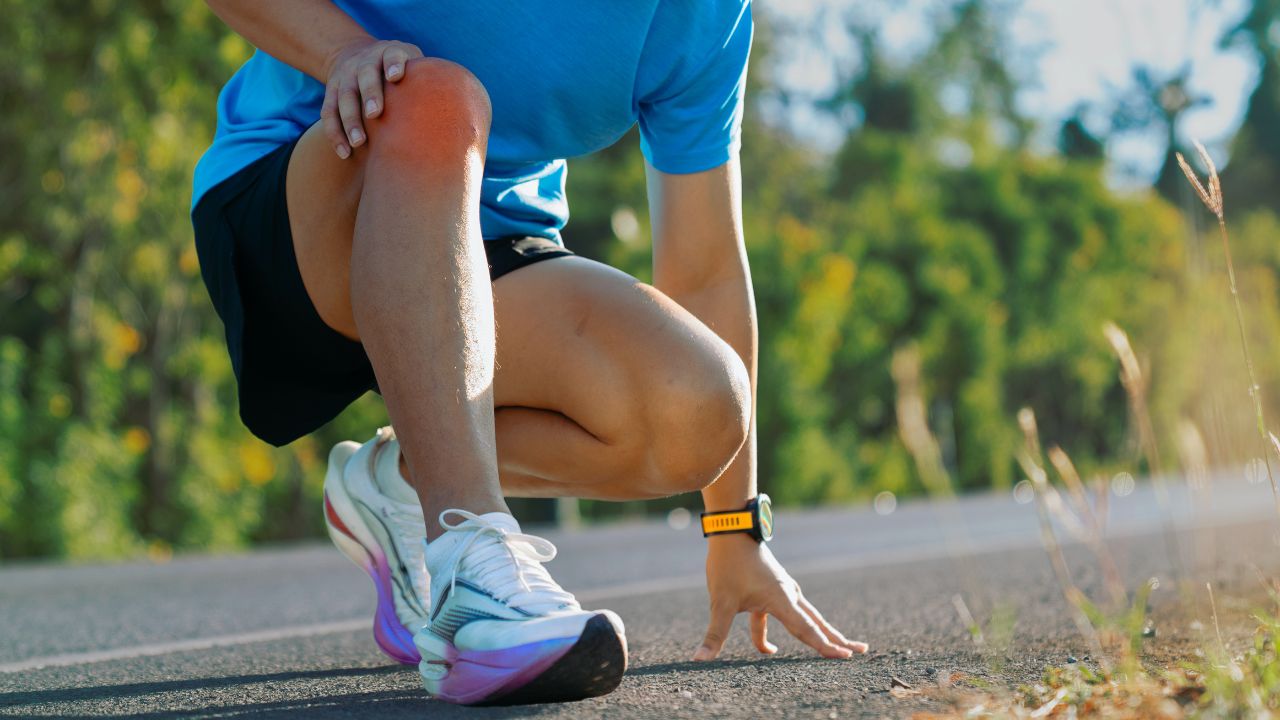
Running injuries disrupt training and prevent athletes from maintaining active lifestyles. Regenerative medicine provides advanced treatment options that address the root causes of tissue damage rather than masking symptoms. These therapies harness natural healing mechanisms to repair tendons, ligaments, and injured structures. Understanding which regenerative treatments work best for specific running injuries helps athletes make informed recovery decisions.
Key Takeaways
- Regenerative medicine treats chronic running injuries using PRP, stem cell therapy, and bioinductive implants with 60-78% success rates
- 50-65% of regular runners experience injury annually, with overuse and biomechanical factors as primary causes
- PRP therapy costs $500-$2,500 per session, while BMAC ranges from $3,000-$25,000, depending on complexity
- Clinical studies show 75% of runners return to pre-injury mileage within 12-16 weeks using regenerative treatments
- The global regenerative medicine market will reach $90.01 billion by 2030, driven by proven clinical outcomes
What Are Running Injuries and Their Common Causes?
Running injuries are musculoskeletal conditions caused by repetitive stress, biomechanical imbalances, or tissue overload during training. These injuries typically affect the lower extremities, including tendons, ligaments, muscles, and bones. Common conditions include Achilles tendinopathy, plantar fasciitis, patellar tendinopathy, and stress fractures. Between 50% and 65% of regular runners experience at least one injury annually.
Repetitive impact forces create cumulative microtrauma to tissues over time. Runners sustain approximately one injury per 100 hours of running. Insufficient recovery between sessions prevents damaged tissues from healing. Biomechanical factors such as overpronation, leg length discrepancies, and muscle imbalances significantly increase injury risk.
Which Running Injuries Benefit from Regenerative Treatments?
Chronic tendinopathies respond exceptionally well to PRP therapy and stem cell interventions. Mayo Clinic reports 60% to 70% success rates for chronic tendinopathies treated with PRP. Achilles tendinopathy, patellar tendinopathy, and plantar fasciitis demonstrate the strongest clinical evidence for regenerative interventions. These conditions involve degenerative tissue changes that benefit from growth factor stimulation.
PRP achieves a 72.4% complete healing rate compared to 52.5% in control groups. Approximately 75% of runners return to pre-injury mileage within 12 to 16 weeks following PRP treatment. Autologous stem cell treatments demonstrate a 78% overall success rate for chronic sports injuries. Bioinductive implants reduce rotator cuff re-tear rates by 50% to 70%.
How Do Overuse and Biomechanical Factors Contribute?
Overuse injuries develop when training volume or intensity exceeds tissue adaptive capacity. Repetitive loading without adequate recovery prevents cellular repair processes from completing. Cumulative microtrauma overwhelms tissue regeneration ability, leading to chronic pain and dysfunction. Sudden increases in weekly mileage create particularly high injury risk.
Biomechanical abnormalities alter force distribution across joints and soft tissues during running. Excessive pronation increases strain on the posterior tibial tendon and medial knee. Limited ankle dorsiflexion shifts load to the Achilles tendon and calf muscles. Poor hip stability creates compensatory patterns that stress the iliotibial band and lateral knee.
What Is Regenerative Medicine and How Does It Aid Injury Recovery?
Regenerative medicine utilizes biological therapies to stimulate natural healing processes and restore damaged tissues. These treatments deliver concentrated growth factors, stem cells, or bioactive scaffolds directly to injured areas. Unlike conventional approaches to managing symptoms, regenerative medicine addresses underlying tissue degeneration and promotes structural repair. The three primary modalities include platelet-rich plasma, bone marrow aspirate concentrate, and bioinductive implants.
These therapies enhance cellular signaling, reduce inflammation, and recruit reparative cells to injury sites. Stem cell therapy provides mesenchymal stem cells that differentiate into specialized tissue types and secrete healing factors. PRP delivers high platelet concentrations containing over 300 bioactive proteins regulating tissue repair. Bioinductive implants provide structural scaffolds guiding new tissue formation while being gradually absorbed.
How Does Platelet-Rich Plasma (PRP) Work for Tendinopathies?
Platelet-Rich Plasma is an autologous biotherapeutic derived from patient blood, concentrated to deliver high growth factor levels. Platelets release proteins including platelet-derived growth factor, transforming growth factor-beta, and vascular endothelial growth factor. These molecules stimulate collagen synthesis, promote angiogenesis, and recruit reparative cells to damaged tendons. The concentrated solution typically contains 3 to 5 times more platelets than whole blood.
PRP achieved a 72.4% complete healing rate versus 52.5% in the control group. The treatment modulates inflammatory response while promoting tissue regeneration through multiple biological pathways. Leukocyte-rich PRP formulations provide additional anti-inflammatory cytokines, enhancing healing in chronic tendinopathies. PRP for tendonitis has become standard practice for conditions resistant to conservative management.
What Role Does Stem Cell Therapy (BMAC) Play in Tissue Healing?
Bone Marrow Aspirate Concentrate utilizes autologous mesenchymal stem cells and hematopoietic stem cells harvested from the patient’s bone marrow. These multipotent cells differentiate into various tissue types, including tendon, cartilage, and bone. MSCs also secrete trophic factors that reduce inflammation, promote blood vessel formation, and recruit reparative cells. The concentrated marrow contains growth factors, cytokines, and signaling molecules, creating an optimal healing environment.
BMAC holds approximately 25% of the orthopedic regenerative market and demonstrates particular effectiveness for moderate-to-severe tissue damage. The harvesting procedure extracts 30 to 60 milliliters of bone marrow from the posterior superior iliac spine. Following centrifugation, the concentrated cellular fraction is injected into the injured tissue under ultrasound guidance. How stem cell therapy works involves complex interactions between cell types and signaling pathways.
How Are Bioinductive Implants Used in Tendon Repair?
Bioinductive implants are biomaterials designed to stimulate natural healing without requiring autologous cell harvesting. These scaffolds consist of purified bovine Achilles tendon collagen arranged in a three-dimensional matrix. The implant structure provides mechanical support while attracting patient cells to colonize the scaffold. Over 6 to 12 months, new tendon tissue gradually replaces the implant.
Arthroscopic delivery allows precise placement over damaged tendon structures during minimally invasive surgery. Securing the implant with bioabsorbable anchors ensures stable positioning throughout healing. The scaffold stimulates new tissue growth by providing biochemical and structural signals guiding cellular organization. Clinical data demonstrate these implants reduce re-tear rates by 50% to 70% in rotator cuff repairs.
How Do Patient Demographics Influence Regenerative Treatment Choices?
Patient age significantly affects tissue healing capacity and treatment selection. Younger athletes demonstrate more robust regenerative responses due to higher baseline stem cell activity and growth factor production. Older runners often require more intensive interventions such as BMAC to compensate for age-related declines in cellular function. Treatment priorities shift across age groups.
Socioeconomic factors directly impact access to regenerative treatments since most insurance plans exclude coverage. Geographic location determines the availability of specialized providers capable of performing advanced interventions. Urban centers offer greater access to sports medicine specialists and cutting-edge technologies than rural areas. Financial resources influence whether patients can afford premium versus budget options.
What Are Different Age Groups’ Treatment Priorities?
A significant 84.5% of patients believe there is convincing scientific evidence supporting stem cell therapies for orthopedic conditions. However, 65.0% incorrectly believe stem cell treatments are fully FDA-approved. This misconception highlights the need for improved patient education regarding regulatory status.
Approximately 75.0% believe stem cell therapy can halt joint arthritis progression, while 53.5% believe it can completely cure the condition. These overestimated expectations can lead to disappointment despite objectively successful outcomes. Importantly, 63.3% would undergo therapy if recommended by their physician, demonstrating strong trust in provider guidance. Younger patients prioritize recovery speed and return to peak performance over cost considerations.
How Do Geographic and Socioeconomic Factors Affect Access?
Rural populations have less access to athletic trainers and sports medicine specialists trained in regenerative medicine. These geographic disparities force rural patients to travel significant distances to receive advanced treatments. Limited local provider availability increases the total cost burden when accounting for travel expenses and time away from work.
Rural areas face travel distances to specialized clinics and lower average incomes than their urban counterparts. Urban centers concentrate the majority of regenerative medicine providers, creating significant access barriers for non-urban populations. Lack of local options prevents many rural athletes from pursuing appropriate regenerative interventions. Telemedicine cannot fully bridge these gaps since regenerative procedures require in-person evaluation and treatment.
When Should Regenerative Medicine Be Considered for Running Injuries?
Regenerative medicine becomes appropriate when running injuries persist beyond 6 to 12 weeks despite conservative management. Conservative treatment should include proper biomechanical correction, progressive loading protocols, and targeted physical therapy before considering regenerative options. Chronic tendinopathies demonstrating degenerative changes on imaging represent ideal candidates for PRP or BMAC interventions.
The decision depends on injury severity, chronicity, and response to standard therapies. Athletes who cannot afford surgical downtime or wish to avoid invasive procedures often benefit from regenerative approaches. Imaging findings such as tendon thickening, hypoechoic regions, or neovascularization support the clinical decision for regenerative intervention. Treatment selection should match injury characteristics, patient age, and functional goals.
What Are the Clinical Assessment Criteria for Achilles Tendinopathy?
Achilles tendinopathy requires a minimum of 3 months of failed conservative therapy before initiating regenerative treatments. Clinical examination reveals midportion or insertional tenderness, morning stiffness, and pain during loading activities. Ultrasound imaging demonstrates tendon thickening, hypoechoic areas indicating tissue degeneration, and abnormal neovascularization. Functional testing shows reduced single-leg heel raise endurance and decreased ankle plantarflexion strength.
Chronic cases demonstrate persistent symptoms despite eccentric loading programs and activity modification. Doppler ultrasound identifies intratendinous blood flow, suggesting ongoing degenerative processes amenable to regenerative intervention. The Victorian Institute of Sport Assessment-Achilles questionnaire quantifies symptom severity objectively. Scores below 60 points indicate significant impairment warranting advanced treatment consideration.
When Is PRP Preferred Over Other Treatments?
Most current evidence supports leukocyte-rich formulations for tendon injuries due to enhanced inflammatory modulation and tissue remodeling signals. PRP offers advantages over corticosteroid injections, which provide only temporary symptom relief without addressing underlying tissue degeneration. How PRP therapy works through multiple growth factors simultaneously.
Corticosteroid injections increase the risk of tendon rupture and long-term failure in chronic tendinopathies. The catabolic effects of steroids accelerate tissue degeneration despite providing short-term pain relief. PRP costs $500 to $2,500 per session but provides lasting structural improvement rather than temporary symptom masking. First-line regenerative therapy for most running-related tendinopathies involves PRP before progressing to more invasive BMAC procedures.
How Does Treatment Protocol Vary for Chronic vs. Acute Injuries?
Chronic injuries typically require multiple PRP sessions spaced 4 to 6 weeks apart to achieve optimal tissue remodeling. Degenerative tissue changes in chronic conditions need sustained growth factor exposure and progressive mechanical loading. Treatment protocols for chronic Achilles tendinopathy combine PRP injections with structured eccentric exercise programs beginning 2 weeks post-injection.
Acute injuries may benefit from a single PRP intervention performed within 2 to 4 weeks of injury onset. Early PRP application can enhance healing tissue quality and organization during the initial inflammatory phase. However, severe acute injuries with complete tendon ruptures require surgical repair, potentially augmented with regenerative biologics. Post-acute rehabilitation progresses faster than chronic injury protocols due to better baseline tissue quality.
How Are Regenerative Treatments Administered for Running Injuries?
Regenerative treatments follow standardized protocols designed to maximize therapeutic delivery while minimizing procedural risks. Each modality requires specific preparation techniques, injection methods, and post-procedure rehabilitation strategies. PRP administration represents the least invasive option, performed entirely in outpatient office settings under local anesthesia. BMAC procedures involve bone marrow harvesting, requiring conscious sedation and sterile operating room conditions.
Treatment administration varies based on injury location, tissue type, and patient anatomy, requiring image guidance for accuracy. Ultrasound guidance ensures precise therapeutic delivery to target tissues while avoiding neurovascular structures. How long does PRP take to work depends on injury severity and patient healing capacity. Proper technique significantly influences clinical outcomes and complication rates.
What Is the PRP Preparation and Injection Procedure?
Venipuncture to draw 15 to 60 milliliters of peripheral blood initiates the PRP preparation process. The blood sample undergoes centrifugation to separate components based on density gradients. Single-spin systems complete processing in approximately 15 minutes while double-spin systems require 20 to 30 minutes. Extraction of buffy coat containing concentrated platelets yields the final therapeutic product.
Ultrasound-guided injection into the target tendon or ligament ensures accurate delivery to the injury site. The injection technique varies between peritendinous, intratendinous, and intraosseous approaches depending on the pathology location. Arthrex Autologous Conditioned Plasma double-syringe system streamlines the preparation workflow while maintaining product sterility. Post-injection protocols typically restrict high-impact activities for 48 to 72 hours before beginning progressive loading.
How Is Stem Cell Therapy Harvested and Delivered?
Local anesthesia and conscious sedation for BMAC ensure patient comfort during bone marrow aspiration. Bone marrow aspiration of 30 to 60 milliliters from the posterior superior iliac spine provides adequate cellular content. The harvesting technique employs small-volume multiple-site aspiration to maximize stem cell concentration and minimize peripheral blood dilution. Patients typically report harvest site soreness for 3 to 7 days.
Centrifugation of aspirate isolates mononuclear cells, concentrating mesenchymal stem cells and hematopoietic progenitor cells. Ultrasound-guided injection or direct surgical delivery places the cellular concentrate precisely within damaged tissues. Strict FDA regulations limiting cell expansion in the United States mandate same-day processing and administration without culture manipulation. The final BMAC product contains growth factors, cytokines, and cellular components working synergistically to promote healing.
What Rehabilitation Protocols Follow Regenerative Interventions?
A remarkable 90% patient satisfaction rate at 6 months post-treatment occurs with properly administered PRP or BMAC therapy. The initial 48 to 72 hours involve relative rest to allow growth factor binding and initial cellular recruitment. Progressive mechanical loading begins at week 2, introducing controlled tensile stress that optimizes tissue remodeling.
Eccentric exercise protocols begin at week 2 to 3 for lower extremity tendinopathies treated with PRP. These exercises apply controlled lengthening contractions that promote collagen alignment and tissue strength development. Return to sport occurs gradually over 12 to 16 weeks based on symptom resolution and functional testing milestones. Premature return to high-impact activities increases re-injury risk and compromises long-term treatment success.
What Are the Benefits and Limitations of Regenerative Medicine in Running Injuries?
Regenerative medicine offers significant advantages over conventional treatments by addressing underlying tissue pathology rather than masking symptoms. These therapies utilize the body’s inherent healing mechanisms, avoiding dependency and side effects associated with chronic medication use. PRP and stem cell treatments provide lasting structural improvement in degenerative tendons and ligaments resistant to conservative care. Minimally invasive delivery allows athletes to avoid surgical risks and lengthy recovery periods.
However, regenerative medicine has important limitations, including variable clinical outcomes, high out-of-pocket costs, and limited insurance coverage. Treatment efficacy depends heavily on proper patient selection, accurate tissue targeting, and adherence to post-procedure rehabilitation protocols. Not all injuries respond equally, with the best results occurring in chronic tendinopathies without severe tissue loss. Is PRP worth the cost depends on individual injury characteristics and treatment goals.
What Are Clinical Outcomes for PRP and Stem Cell Therapies?
Clinical trials demonstrate 70% of tennis elbow patients experience significant pain relief by 12 weeks with PRP. Comparative studies show PRP achieves superior long-term outcomes compared to corticosteroid injections for chronic tendinopathies. Approximately 75% of runners return to pre-injury training volumes within 12 to 16 weeks following PRP treatment. These success rates vary based on injury chronicity, tissue quality, and patient compliance with rehabilitation.
Autologous stem cell treatments demonstrate a 78% overall success rate for chronic sports injuries across multiple anatomical sites. BMAC shows particular effectiveness for moderate-to-severe tissue damage where PRP alone provides insufficient regenerative stimulus. Long-term follow-up studies extending 24 to 36 months post-treatment confirm sustained clinical improvements and low re-injury rates. Patient-reported outcome measures consistently show significant improvements in pain, function, and quality of life.
What Are Cost and Insurance Considerations?
PRP budget options range from $500 to $800, versus mid-range $1,000 to $1,500, versus premium $1,800 to $2,500 or higher. These price variations reflect differences in preparation systems, image guidance utilization, and provider expertise levels. BMAC budget procedures cost $3,000 to $5,000, versus mid-range $6,000 to $10,000, versus premium $12,000 to $25,000 or more. Bioinductive implants range from mid-range $4,000 to $6,000 versus premium $8,000 to $12,000 and above.
PRP is not covered by most commercial insurance or Medicare, requiring patients to pay full out-of-pocket costs. Some health savings accounts and flexible spending accounts allow reimbursement for regenerative treatments when deemed medically necessary. Lack of insurance coverage creates financial barriers limiting treatment access for middle- and lower-income patients. Athletes must weigh upfront regenerative costs against potential long-term savings from avoiding surgery and chronic pain management.
What Are Potential Risks and Side Effects?
Temporary post-injection pain flare-ups with PRP occur in approximately 30% to 40% of patients, typically resolving within 72 hours. These pain increases result from the inflammatory response triggered by concentrated growth factor delivery. Infection risk remains extremely low due to autologous tissue sourcing and sterile preparation techniques. Rare complications include allergic reactions to anticoagulants used during blood processing.
Recovery from harvest site pain with BMAC typically requires 3 to 7 days of activity modification. Variable clinical outcomes based on PRP preparation kits create inconsistency in treatment results across different providers. BMAC’s highly invasive harvesting procedure involves bone puncture that carries higher complication risks than simple venipuncture. Some patients experience temporary stiffness or reduced range of motion during the initial healing phase.
Who Are the Key Industry Players and What Are the Emerging Trends?
The regenerative sports medicine market features established medical device manufacturers and innovative biotechnology companies competing for market share. Major orthopedic companies, including Arthrex, Zimmer Biomet, and Smith+Nephew, dominate the PRP and bioinductive implant segments. These industry leaders invest heavily in clinical research to demonstrate product efficacy and expand FDA clearances. Emerging companies focus on novel delivery systems, combination therapies, and personalized regenerative protocols.
Market competition drives technological innovation in preparation systems, delivery devices, and bioactive scaffolds for tissue engineering. Strategic partnerships between academic medical centers and biotechnology firms accelerate the translation of research discoveries into clinical products. Stem cell therapy benefits continue expanding as companies develop next-generation cellular therapies. The regulatory environment significantly influences product development timelines and market entry strategies.
Which Companies Lead PRP and Stem Cell Therapy Markets?
Zimmer Biomet GPS III Platelet Concentration System represents one of the most widely used automated PRP preparation platforms globally. This dual-chamber system produces consistent platelet concentrations while allowing customization based on clinical application requirements. Smith+Nephew REGENETEN Bioinductive Implant dominates the surgical augmentation market for tendon repairs requiring mechanical support. The purified collagen scaffold has demonstrated superior healing outcomes in large-scale clinical trials.
Andrews Celltex Biologics partnership bridges elite sports medicine and advanced stem cell research for regulatory advancement. This collaboration combines clinical expertise with biotechnology innovation to develop next-generation cellular therapies. Calidi Biotherapeutics stem-cell-based delivery platforms, originally designed for oncology applications, show potential for orthopedic tissue regeneration.
What Innovations Are Shaping Surgical and Non-Surgical Treatments?
PRP dominates with 60% of the non-surgical regenerative market share due to its safety profile, accessibility, and growing evidence base. Advanced preparation systems now allow real-time platelet counting and leukocyte concentration adjustments during processing. BMAC holds 25% of the orthopedic regenerative market with expanding applications in surgical augmentation and standalone injections. Point-of-care centrifugation systems reduce processing time and improve cellular viability.
Bioinductive implants hold 15% of the regenerative sports medicine market, primarily concentrated in surgical tendon repair applications. Inovedis SINEFIX Rotator Cuff Repair System optimizes tendon-to-bone healing through enhanced compression and biological integration. Combination therapies pairing PRP with BMAC or bioinductive scaffolds represent the next frontier in regenerative sports medicine. These multimodal approaches leverage complementary mechanisms to maximize tissue healing and functional recovery.
How Does Regulatory Environment Influence Market Growth?
Regenerative Medicine Advanced Therapy designation is an FDA regulatory pathway that expedites the development and review of promising regenerative products. The FDA received 317 RMAT designation requests between 2016 and 2024, granting 151 designations to qualifying therapies. This regulatory framework accelerates promising treatments while maintaining safety standards through rigorous clinical trial requirements. RMAT designation provides manufacturers with enhanced FDA guidance and potential priority review status.
Products must be minimally manipulated and same-day use for BMAC to maintain regulatory compliance under current FDA guidelines. Any cell expansion, genetic modification, or prolonged culture removes products from the regulatory exception and requires full biologics licensing. International regulatory environments vary significantly, with some countries permitting expanded stem cell therapies prohibited in the United States. These regulatory differences create medical tourism markets but raise concerns about treatment standardization and patient safety.
Integrating Regenerative Medicine into Running Injury Prevention and Treatment Strategies
The global regenerative medicine market, valued at $35.47 billion in 2024, demonstrates unprecedented growth potential for orthopedic applications. Market expansion to $45.43 billion in 2025 reflects increasing clinical adoption and expanding insurance reimbursement in select international markets. Projected CAGR of 16.83% from 2025 to 2030 signals sustained investment in research, clinical trials, and market development. The market is projected to reach $90.01 billion by 2030 as regenerative therapies become standard care.
The global PRP market growing at 13.2% CAGR indicates a strong demand for minimally invasive regenerative options among athletes and active adults. Integration of regenerative medicine into comprehensive injury prevention programs requires coordinated efforts between sports medicine physicians, physical therapists, and strength coaches. Biomechanical assessment and correction remain foundational to preventing recurrent injuries regardless of regenerative treatment utilization.
Successful integration combines cutting-edge regenerative treatments with evidence-based rehabilitation and injury prevention strategies tailored to individual runners. Athletes benefit most when regenerative medicine complements rather than replaces proper training progression, biomechanical optimization, and recovery management. The field continues evolving as clinical research clarifies optimal patient selection criteria, treatment protocols, and combination therapy approaches. For Orange County runners seeking lasting solutions to chronic injuries, facilities like Regenerative Institute of Newport Beach provide comprehensive regenerative treatment options backed by extensive clinical experience.
Modern regenerative approaches offer hope for athletes frustrated by conventional treatments that provide only temporary relief. These advanced therapies address underlying tissue degeneration rather than simply masking pain through medication or injections. As science continues advancing and costs potentially decrease through market competition, regenerative medicine will become increasingly accessible. Athletes considering these treatments should consult with qualified sports medicine specialists to determine appropriate candidacy and treatment selection.
Ready to Run Without Pain? Dr. Khyber Zaffarkhan Can Help.
Running injuries do not have to end your season or sideline you for good. At the Regenerative Institute of Newport Beach, Dr. Khyber Zaffarkhan, DO, FAAPMR, offers advanced PRP and stem cell therapies that address the root cause of your injury, not just the symptoms. Whether you are dealing with a stubborn Achilles, knee pain, or a chronic overuse condition, our team builds a treatment plan around your body and your goals. Contact us today to schedule your consultation and take the first step toward running better, longer, and pain-free.

