
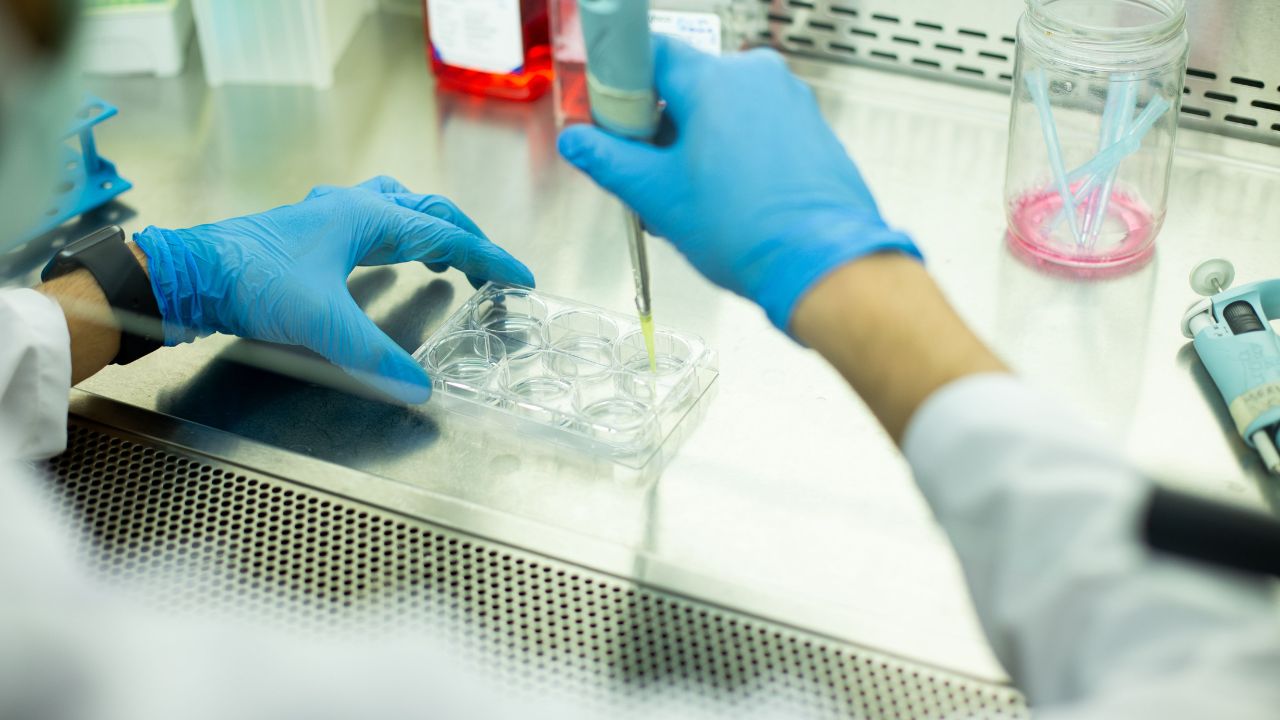
Chronic pain from arthritis, tendon injuries, or degenerative disc disease can severely limit your quality of life. Stem cell therapy offers a regenerative approach that targets the root cause of pain rather than just masking symptoms. However, one of the most common questions patients ask is: “How long until stem cell therapy actually works?” The answer depends on your specific condition, overall health, and treatment protocol. Understanding realistic timelines helps set proper expectations and allows you to track progress effectively.
This guide breaks down expected results timelines by condition, explains what factors influence healing speed, and provides milestone-based checkpoints to help you know what to expect at every stage of recovery.
Key Takeaways
- Relief timelines vary by condition: Initial relief starts at 2–12 weeks, with peak benefits at 2–6 months depending on condition severity.
- Temporary pain increase is normal: 30–40% experience pain worsening in the first week; this is part of healing, not treatment failure.
- Long-term durability is achievable: Most patients maintain benefits for 12–24 months, some up to 2–3 years.
- Patient factors influence outcomes: Age, smoking status, BMI, health, and rehab adherence directly affect healing speed and success.
- Milestone-based tracking sets realistic expectations: Track progress at 2–12 weeks (early changes), 2–6 months (peak benefit), and 12–24 months (durability).
What Is The Typical Timeline For Stem Cell Therapy Results?
Most patients begin noticing changes within 2–12 weeks, with peak improvement occurring between 4–6 months. Stem cell results continue to develop for up to a year.
When Do Early Changes Usually Start?
Relief typically begins within 2–12 weeks. Subtle changes like reduced inflammation or mild pain relief may appear within days to weeks. However, 30–40% of patients experience a temporary pain increase during the first week; this is a normal inflammatory response and not a sign of failure.
When Do Most Patients Notice Meaningful Improvement?
Substantial improvements in physical functioning and pain reduction appear around 2–3 months post-treatment. Peak benefits are typically observed at 4–6 months, though this varies by condition.
When Are Full Results Most Likely To Be Evaluated?
Continued improvement extends up to one year after treatment. Long-term durability typically lasts 12–24 months, with some cases maintaining benefits for 2–3 years.
Why Do Stem Cell Therapy Timelines Vary So Much?
Several factors influence healing speed: condition type and severity, patient age, tissue quality, overall health, smoking status, BMI, stem cell source and protocol, rehabilitation adherence, and lifestyle factors. Patients managing multiple chronic conditions may experience different timelines compared to those with isolated joint issues.
What Happens Before Stem Cell Therapy Starts Working?
What Should You Expect In The First 24 To 72 Hours?
The procedure takes 30–60 minutes with same-day discharge. The body’s early healing response begins immediately, and some initial inflammation may occur as the treatment area responds.
What Is Normal In The First 1 To 2 Weeks?
Expect 1–2 days of restricted activity and 2–4 weeks of avoiding heavy lifting. Temporary pain increase affects 30–40% of patients; this is part of the healing process, not a complication.
Can Symptoms Feel Worse Before They Feel Better?
Yes. Approximately 30–40% of patients experience temporary pain worsening in the first week as part of the normal inflammatory healing response.
What Signs Are Too Early To Count As True Results?
Any changes in the first 1–7 days reflect inflammatory responses, not actual healing results. Meaningful improvement requires a minimum of 2–12 weeks to develop.
What Factors Change How Long Stem Cell Therapy Takes To Work?
Does The Condition Type Change The Results Timeline?
Yes. Back pain typically shows peak benefit at 2–4 months. Knee and hip arthritis reach peak improvement around 3–4 months. Other conditions may require 4–6 months for optimal results.
Does Condition Severity Affect How Fast Results Appear?
More severe or advanced chronic conditions generally require longer observation periods before full benefits become apparent.
Does the Treatment Area Affect Recovery Speed?
The injection site influences timeline, highly vascular areas may respond faster than those with limited blood supply.
Does Age or Overall Health Affect the Timeline?
Patient-level factors significantly impact healing speed. Ideal candidates are typically under 65 years old, non-smokers, and maintain a healthy BMI. Patients with cardiovascular disorders, diabetes mellitus, high blood pressure, or chronic heart failure should discuss their specific health profile with their provider, as these conditions may influence both candidacy and expected health outcomes.
Does The Stem Cell Source Or Protocol Affect Timing?
Bone marrow aspirate concentrate (BMAC) offers MSC yields of 0.001–0.01% with established safety, costing $3,000–$7,000. Adipose-derived stem cells (ADSC) provide 500 times more MSCs, cost $4,000–$8,000, and involve an easier harvest. Umbilical cord-derived products (UCDP) offer high yield at $5,000–$12,000 but carry potential rejection risk.
Do Rehab, Activity Level, And Lifestyle Affect Results?
Concurrent rehabilitation is essential for optimal outcomes. Smoking significantly impairs results. Nutrition, sleep quality, and exercise adherence can either accelerate or delay healing.
How Should You Read The Timeline By Condition?
What Counts As An Early Response vs. A Full Response?
| Response Type | Timing Window | What Patients Notice | Reliability |
| Early inflammatory | Days 1–7 | Temporary pain increase, swelling | Not predictive |
| Subtle changes | Days to weeks | Reduced inflammation, mild pain relief | Preliminary |
| Meaningful improvement | 2–12 weeks | Function and pain reduction | Moderate |
| Peak benefit | 2–6 months (varies) | Substantial improvement | High |
| Full assessment | 6–12 months | Long-term durability | Most reliable |
Why Do Pain Relief And Tissue Healing Follow Different Timelines?
Initial pain relief from reduced inflammation occurs early in treatment. Tissue repair extends well beyond six months, with peak functional benefits typically appearing at 4–6 months.
Why Should You Compare Results By Follow-Up Milestones Instead Of Days Alone?
Recovery is gradual and extends over months to a full year. Long-term durability requires a 12–24-month follow-up to accurately assess treatment success and disease-specific health outcomes.
How Long Until Stem Cell Therapy Works For Knee Arthritis?
When Can Knee Pain Relief Start After Treatment?
Relief typically begins within 2–12 weeks as inflammation decreases and tissue repair initiates.
When Does Knee Function Usually Improve?
Substantial improvements appear at 2–3 months, with peak benefit reaching 3–4 months. Patients notice enhanced mobility and improved daily activity performance.
Why Are 3-, 6-, And 12-Month Checkpoints Common For Knee Outcomes?
The 3–4 month mark captures peak benefit, improvement continues up to one year, and durability is assessed at 12–24 months.
When Should You Reassess If Knee Symptoms Are Not Improving?
Reassess if no improvement occurs by the 3–4 month peak window, or if the expected 50–70% pain reduction is not achieved.
How Long Until Stem Cell Therapy Works For Hip Arthritis?
When Does Hip Pain Usually Start To Improve?
Relief typically begins within 2–12 weeks post-treatment.
When Does Mobility Improvement Become More Noticeable?
Substantial improvements appear at 2–3 months, with peak benefit at 3–4 months.
When Is It Reasonable To Judge Hip Treatment Results?
The peak window is 3–4 months, with durability assessed at 12–24 months.
How Long Until Stem Cell Therapy Works For Shoulder Pain And Arthritis?
Relief typically begins within 2–12 weeks. Substantial improvements appear at 2–3 months, with peak benefits at 4–6 months. Full assessment requires up to one year.
How Long Until Stem Cell Therapy Works For Tendon Injuries?
How Long Does It Take To Work For Rotator Cuff Tendon Injuries?
Relief begins within 2–12 weeks. Substantial improvements appear at 2–3 months, with continued improvement up to one year.
How Long Does It Take To Work For Tennis Elbow Or Golfer’s Elbow?
Relief begins within 2–12 weeks, with peak benefits at 4–6 months.
How Long Does It Take To Work For Achilles Tendon Injuries?
Relief begins within 2–12 weeks. Extended healing beyond six months is common for Achilles tendon injuries.
Why Do Tendon Healing Timelines Often Take Longer Than Pain Relief Timelines?
Early pain relief results from reduced inflammation. Tissue repair and regeneration extend beyond six months for full structural healing.
How Long Until Stem Cell Therapy Works For Ligament Injuries?
How Long Does It Take To Work For ACL Or Knee Ligament Injuries?
Relief begins within 2–12 weeks. Substantial improvements appear at 2–3 months, with continued improvement up to one year.
How Long Does It Take To Work For Ankle Ligament Injuries?
Relief begins within 2–12 weeks, with peak benefits at 4–6 months.
When Can Activity Progression Start After Ligament Treatment?
Protected activity begins with 1–2 days restricted initially. Progressive loading starts after the 2–4 week restriction period. Sport-specific drills increase gradually based on function, with full progression extending up to one year with clinician clearance.
How Long Until Stem Cell Therapy Works For Back Pain And Disc Problems?
How Long Does It Take To Work For Degenerative Disc-Related Back Pain?
Success rate shows 60–75% patient improvement with peak benefit at 2–4 months. Relief begins within 2–12 weeks, with an expected outcome of 50–70% pain reduction.
How Long Does It Take To Work For Facet Or SI Joint Pain?
Facet joint arthritis shows 65–80% pain reduction with peak benefit at 2–4 months. SI joint dysfunction has a 70–85% success rate, also peaking at 2–4 months.
When Should You Reevaluate If Back Pain Does Not Improve?
Reassess if no improvement occurs by the 2–4 month peak window, or if the expected 50–70% pain reduction is not achieved.
How Long Until Stem Cell Therapy Works For Sports Injuries?
Relief begins within 2–12 weeks. Muscle injuries show substantial improvements at 2–3 months, with peak benefits at 4–6 months. Cartilage or overuse injuries show continued improvement extending up to one year.
How Long Until Stem Cell Therapy Works For Hair Loss?
Shedding may slow within 2–12 weeks. Visible new growth typically appears at 2–3 months. Peak hair density assessment occurs at 4–6 months post-treatment.
How Long Until Stem Cell Therapy Works For Skin Rejuvenation Or Scars?
Substantial skin texture or tone improvements appear at 2–3 months. Scar healing typically extends beyond six months, with peak cosmetic benefits at 4–6 months and continued improvement up to one year.
How Long Until Stem Cell Therapy Works For Neurologic Conditions?
Why Are Neurologic Timelines Less Predictable Than Orthopedic Timelines?
Orthopedic conditions have established timelines, 2–12 weeks for initial relief and 4–6 months for peak benefit. Neurologic response is more variable.
When Might Early Functional Changes Be Noticed?
General timeline shows substantial improvements at 2–3 months, with continued improvement up to one year.
What Is A Practical Results Timeline By Condition At Common Milestones?
What Does A Milestone-Based Timeline Look Like Across Conditions?
| Condition Group | Early Changes | Meaningful Improvement | Fuller Assessment | Notes/Cautions |
| Knee Arthritis | 2–12 weeks | 3–4 months (peak) | 12–24 months | 50–70% pain reduction expected |
| Hip/Shoulder OA | 2–12 weeks | 3–4 months (hip), 4–6 months (shoulder) | 12–24 months | Enhanced mobility expected |
| Tendon/Ligament | 2–12 weeks | 2–6 months | Up to 1 year | Tissue repair extends beyond pain relief |
| Back Pain/Disc | 2–12 weeks | 2–4 months (peak) | 12–24 months | DDD: 60–75%; Facet: 65–80%; SI: 70–85% |
| Sports Injury | 2–12 weeks | 4–6 months (peak) | Up to 1 year | Return phased based on recovery |
| Hair Loss | 2–12 weeks | 2–3 months visible | 4–6 months assessment | Less established data |
| Skin/Scars | 2–3 months | 4–6 months | Beyond 6 months | Healing extends longer |
| Neurologic | Variable | 2–3 months | 12–24 months | Less predictable than orthopedic |
Key: 30–40% experience temporary pain increase in the first week; this is normal, not treatment failure.
How Can You Tell Whether Stem Cell Therapy Is Working?
What Symptom Changes Should You Track?
Track pain pattern (expect 50–70% pain reduction), swelling, inflammation levels, flare frequency, and activity tolerance.
What Function Changes Matter Most By Condition?
| Condition Type | Primary Function Metric | Expected Change | Review Timing |
| Degenerative Disc Disease | Pain reduction | 60–75% improvement | 2–4 months (peak) |
| Facet Joint Arthritis | Pain reduction | 65–80% pain reduction | 2–4 months |
| SI Joint Dysfunction | Pain reduction | 70–85% success | 2–4 months |
| Knee/Hip Arthritis | Function improvement | 50–70% pain reduction | 3–4 months |
Should You Track Pain, Mobility, Strength, Or Range Of Motion?
Track pain for 50–70% reduction from 2–12 weeks onward. Assess mobility for enhanced daily activity performance at 2–3 months. For patients managing heart failure or other chronic conditions, functional improvements in daily activities may be particularly meaningful measures of treatment success.
When Should Imaging Or Follow-Up Testing Be Considered?
Consider testing at peak benefit windows (2–6 months), if no improvement occurs by the expected timeline, or at the 12–24 month durability assessment.
When Should You Worry That Stem Cell Therapy Is Not Working?
What Delays Can Still Be Normal?
Normal delays include temporary pain increase in the first week (30–40% of cases), gradual improvement over 2–12 weeks, and peak benefit delayed until 3–6 months.
What Red Flags Need Prompt Medical Follow-Up?
Red flags include pain worsening beyond the first week, no improvement by the peak benefit window, and declining function. Contact your pain management specialist for guidance.
When Should You Contact Your Provider About Ongoing Pain Or Swelling?
Contact your provider if persistent swelling continues beyond 1–2 weeks, no relief occurs by the 12-week mark, or functional improvement is lacking by 2–3 months.
When Is A Second Evaluation Or Alternative Plan Appropriate?
Seek reevaluation if no improvement occurs by the peak benefit window (2–6 months) or expected outcomes are not met. Health care delivery models that emphasize ongoing monitoring help identify when adjustments to treatment plans are needed.
What Can You Do To Support Better Results After Stem Cell Therapy?
What Activity Limits Are Common Early After Treatment?
Early restrictions include 1–2 days of restricted activity and 2–4 weeks of avoiding heavy lifting. Same-day discharge is typical.
How Does Physical Therapy or Rehab Affect the Timeline?
Concurrent rehab is a key timeline factor. Adherence to protocols is critical for recovery and can optimize healing and functional improvement.
How Do Sleep, Nutrition, And Smoking Affect Recovery?
Non-smokers show significantly better outcomes. Nutrition can accelerate or delay healing. Sleep is critical for recovery.
Which Medications Should Be Reviewed With Your Provider?
Discuss pain relievers/anti-inflammatories, supplements, blood thinners, and condition-specific medications with your provider. The goal is to reduce medication reliance as pain improves.
What Should You Ask Your Provider About Your Expected Timeline?
What Questions Should You Ask To Set A Realistic Timeline?
Ask your provider: What is the expected success rate for my condition? When should I expect initial relief? (Typical: 2–12 weeks) When is peak benefit expected? (Range: 2–6 months by condition) What level of pain reduction is realistic? (Typical: 50–70%) What activity restrictions apply? How long should I track improvement? (Up to 1 year) What are long-term durability expectations? (12–24 months typical)
When Would You Recommend Repeat Treatment Or A Different Option?
Consider alternatives if improvement is not achieved by the peak benefit window or condition-specific success rates are not met.
Frequently Asked Questions
Can Stem Cell Therapy Work Immediately?
No. Immediate changes during days 1–7 are inflammatory responses. Approximately 30–40% experience a temporary pain increase in the first week. True relief begins at 2–12 weeks.
Can Stem Cell Therapy Take 3 to 6 Months to Work?
Yes, this is the typical peak benefit window. Knee and hip arthritis peak at 3–4 months, back pain at 2–4 months, and other conditions at 4–6 months.
Why Do Some People Improve Faster Than Others?
Patient age, tissue quality, overall health, smoking status, BMI, condition severity, rehab adherence, and lifestyle factors all influence healing speed.
Does One Session Usually Work or Are Multiple Sessions Common?
A single session is typical, lasting 30–60 minutes. Durability ranges from 12–24 months, with some cases maintaining benefits for 2–3 years.
How Long Do Results Last After They Start?
Long-term durability typically lasts 12–24 months. Some studies show sustained improvement for 2–3 years.
What Is The Key Takeaway About Stem Cell Therapy Results Timelines By Condition?
What Timeline Expectations Are Most Realistic For Orthopedic Conditions?
Initial relief begins at 2–12 weeks. Substantial improvement appears at 2–3 months. Peak benefit occurs at 2–4 months for back pain, 3–4 months for knee and hip arthritis, and 4–6 months for other conditions. Durability lasts 12–24 months (in some cases, 2–3 years). Expected outcomes include 50–70% pain reduction. Success rates are: DDD 60–75%, Facet 65–80%, SI 70–85%.
What Timeline Expectations Are Most Realistic For Non-Orthopedic Conditions?
General principles apply: 2–12 weeks for initial relief, 4–6 months for peak benefit. Healing extends beyond six months. Timelines are less predictable than orthopedic conditions.
What Should You Do Next If You Are Considering Stem Cell Therapy?
Discuss candidacy criteria: under 65 years old, non-smoker, healthy BMI, and failed conservative treatment for 3–6 months. Ask about milestones and confirm the follow-up plan. Clarify success metrics: 50–70% pain reduction, enhanced mobility, and realistic timeline expectations.
Take The Next Step Toward Pain Relief
Regenerative medicine offers a path to lasting pain relief, but results follow a gradual timeline that varies by condition and individual factors. Most patients experience initial relief within 2–12 weeks, substantial improvement at 2–3 months, and peak benefits between 2–6 months. Long-term durability typically extends 12–24 months, with some cases maintaining improvement for 2–3 years. Understanding these patient expectations, tracking functional improvements, and maintaining realistic condition-specific outcomes ensure you can make informed decisions about your treatment journey.
Ready to explore whether stem cell therapy is right for your condition? Contact us to schedule a consultation and discuss your personalized treatment timeline.

