
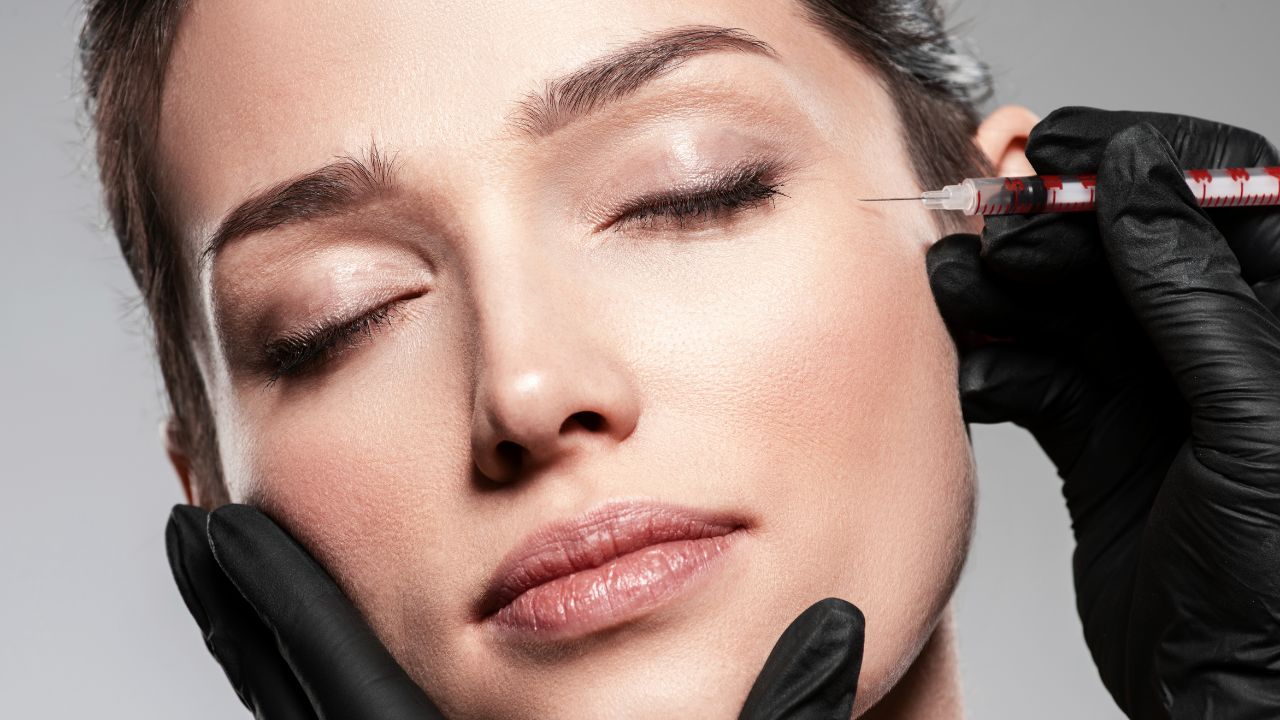
Botox for migraines represents a specialized neurotoxin intervention for chronic migraine sufferers experiencing 15 or more headache days monthly. OnabotulinumtoxinA blocks pain-transmitting neuropeptides at strategic muscle injection sites, preventing migraine onset rather than treating active headaches. This preventive approach has transformed chronic migraine management, offering significant relief when traditional oral medications fail.
Understanding potential side effects is essential for patients considering this therapy. While Botox demonstrates strong clinical efficacy, localized adverse reactions occur in measurable percentages, ranging from temporary muscle stiffness to rare paradoxical symptom worsening. Informed decision-making requires balancing therapeutic benefits against documented risks, particularly when evaluating pain management alternatives.
Key Takeaways
- Botox reduces monthly headache days by 8-9 days, with 47-70% of patients achieving 50% or greater symptom reduction
- Neck pain occurs in 9% of Botox patients compared to 3% on placebo, representing the most common musculoskeletal side effect
- Eyelid ptosis affects 4% of patients versus less than 1% on placebo due to localized toxin diffusion
- Treatment requires 200 units administered across 31 injection sites in 7 muscle groups every 12 weeks
- Botox is reserved for chronic migraine patients who have failed 2-3 conventional preventive therapies
What Is Botox and How Does It Work for Migraine Treatment?
Botox is a purified neurotoxin derived from Clostridium botulinum bacteria that temporarily paralyzes targeted muscles. When injected into specific head and neck regions, it prevents the release of pain-signaling chemicals that trigger migraines. This localized intervention differs from systemic oral medications, providing targeted prophylaxis without affecting the entire nervous system.
The treatment protocol involves administering 200 units across 31 injection sites every 12 weeks. Patients typically require 2-3 treatment cycles before experiencing maximum benefit. Clinical data demonstrate that 47-70% of chronic migraine sufferers achieve at least 50% reduction in monthly headache days.
Mechanism of Action in Migraine Prevention
Botox cleaves the SNAP-25 protein at neuromuscular junctions, preventing vesicular acetylcholine release. This disruption blocks secretion of nociceptive neuropeptides, including calcitonin gene-related peptide (CGRP) and substance P. By inhibiting these pain transmitters at peripheral nerve terminals, Botox interrupts the neurogenic inflammation cascade that initiates migraine episodes.
The neurotoxin does not cross the blood-brain barrier or affect central nervous system function. Its therapeutic action remains localized to injection sites, lasting approximately 10-14 weeks before synaptic regeneration occurs. This temporary paralysis prevents peripheral sensitization, contributing to chronic migraine pathophysiology.
Typical Treatment Protocol and Injection Sites
Healthcare providers administer Botox across seven distinct muscle groups: frontalis, corrugator, procerus, temporalis, occipitalis, cervical paraspinal, and trapezius. Each region receives multiple small-volume injections totaling 200 units per session. The injection pattern follows FDA-approved guidelines developed through clinical trials demonstrating optimal efficacy with minimal diffusion.
Treatment sessions occur every 12 weeks to maintain therapeutic levels. Each injection delivers 5 units of reconstituted toxin using fine-gauge needles to minimize discomfort. The procedure typically requires 15-20 minutes without anesthesia.
Patient Demographics and Migraine Profile
Chronic migraine patients receiving Botox therapy typically range from 30 to 50 years old, predominantly female. This reflects higher chronic migraine prevalence in women during peak reproductive and professional years. Patients selected for Botox have documented chronic migraine with 15 or more headache days monthly.
Treatment candidates have typically failed multiple preventive medications, including beta-blockers, anticonvulsants, and tricyclic antidepressants. Their migraine burden significantly impairs daily functioning, professional productivity, and quality of life. These patients represent a treatment-resistant population requiring specialized intervention beyond conventional oral therapies.
What Are the Common Side Effects Associated With Botox for Migraines?
Side effects from Botox migraines treatment occur with measurable frequency, though most remain mild and self-limiting. Neck pain represents the most prevalent adverse reaction, affecting 9% of treated patients. Understanding these reactions helps patients anticipate temporary discomfort while distinguishing expected side effects from serious complications.
The localized nature of Botox administration means side effects typically manifest near injection sites. Systemic reactions remain rare because the neurotoxin does not circulate through the bloodstream in therapeutic doses. Most adverse effects resolve within 2-6 weeks as the body metabolizes the toxin.
Neck Pain and Musculoskeletal Stiffness
Neck pain occurs in 9% of Botox patients compared to 3% receiving placebo injections. This results from temporary weakness in cervical paraspinal and trapezius muscles following toxin administration. Adjacent uninjected muscles compensate for this weakness, causing overwork, spasm, and localized discomfort that typically peaks 7-14 days post-injection.
The compensatory muscle tension creates stiffness that can temporarily limit head rotation and neck extension. Physical therapy, gentle stretching, and over-the-counter anti-inflammatory medications effectively manage this discomfort. Symptoms gradually resolve as muscle strength normalizes and the body adapts to the temporary paralytic effect.
Eyelid Ptosis and Localized Muscle Weakness
Eyelid drooping affects 4% of Botox patients versus less than 1% on placebo. This occurs when the toxin diffuses from the frontalis or corrugator injection sites into the levator palpebrae superioris muscle. The resulting temporary paralysis causes visible eyelid sagging that can partially obstruct the visual field.
Ptosis severity varies from barely noticeable to functionally significant, with most cases resolving within 2-8 weeks. Apraclonidine eye drops can provide temporary symptomatic relief by stimulating Müller’s muscle contraction. Injector technique and precise anatomical targeting significantly reduce this risk, highlighting the importance of treatment from experienced providers.
Paradoxical Migraine Worsening and Rare Complications
Approximately 1% of patients experience severe migraine worsening requiring hospitalization within the first week post-injection. This paradoxical reaction may result from inflammatory responses to multiple injection sites or transient neuromuscular irritation. The mechanism remains incompletely understood, though it typically resolves spontaneously as the paralytic effect stabilizes.
Rare systemic complications include allergic reactions, dysphagia from cervical muscle weakness, and distant toxin spread. These serious adverse events occur in less than 0.1% of therapeutic migraine cases. Immediate medical evaluation is warranted if patients develop difficulty swallowing, breathing problems, or generalized muscle weakness following treatment.
How Does Botox Compare With Other Migraine Treatments?
Botox demonstrates superior efficacy compared to traditional preventive medications for chronic migraine sufferers. Clinical trials show it reduces monthly headache days by 8-9 days, exceeding results from oral preventives. This substantial reduction translates to meaningful functional improvement and decreased migraine-related disability for treatment options that previously failed patients.
Compared to emerging biologic therapies, Botox offers distinct advantages in treatment frequency and cost-effectiveness for some populations. Quarterly injections provide sustained relief without daily medication adherence challenges. However, newer anti-CGRP monoclonal antibodies demonstrate faster onset and potentially fewer localized side effects.
Botox Versus Emerging Anti-CGRP Monoclonal Antibodies
Anti-CGRP monoclonal antibodies like Aimovig and Emgality represent novel migraine preventives targeting specific pain pathways. These subcutaneous self-injections reduce migraine days by 2.0-2.5 days monthly in clinical trials. While this reduction appears smaller than Botox’s 8-9 day reduction, direct comparison studies suggest anti-CGRP medications may provide superior outcomes in some chronic migraine populations.
Anti-CGRP therapies offer convenience through monthly or quarterly self-administration at home without clinic visits. Side effects differ significantly, with injection site reactions replacing neck pain and ptosis seen with Botox. However, anti-CGRP medications cost $500-700 monthly compared to quarterly Botox sessions, creating different financial considerations.
Advantages and Disadvantages Relative to Traditional Therapies
Botox provides several advantages over oral preventive medications, including beta-blockers, topiramate, and amitriptyline. It eliminates daily medication adherence challenges and avoids systemic side effects like weight gain, cognitive slowing, and sedation. The localized mechanism prevents drug-drug interactions common with systemic medications, particularly important for patients with multiple comorbidities.
Disadvantages include the invasive nature of injections, clinic visit requirements every 12 weeks, and localized side effects unique to neurotoxin administration. Traditional oral medications offer simpler titration and discontinuation if poorly tolerated. Patients with needle phobia or limited healthcare access may prefer oral alternatives despite potentially lower efficacy.
Cost Considerations and Insurance Coverage Challenges
Botox costs $1,200-1,500 per session, totaling $4,800-6,000 annually for quarterly treatments. Patient copays range from $200-294 per session, even with insurance coverage, creating significant out-of-pocket expenses. The global Botulinum toxin market, valued at $8.1 billion in 2024 and projected to reach $15.7 billion by 2030, reflects growing therapeutic adoption despite these costs.
Anti-CGRP medications cost $6,000-8,400 annually, exceeding Botox’s yearly expenditure but offering monthly dosing flexibility. Insurance authorization remains challenging for both therapies, typically requiring documentation of failed trials with multiple conventional preventives. The 11.7% compound annual growth rate indicates increasing insurer acceptance as evidence supporting long-term efficacy accumulates.
What Factors Influence Patient Decision-Making About Botox Therapy?
Patients prioritize efficacy when selecting migraine preventive therapies, with headache reduction magnitude representing the primary decision driver. Success rates and timeline expectations significantly influence treatment selection. Side effect profiles rank as secondary considerations, particularly for individuals with prior adverse medication experiences.
Quality of life impact motivates chronic migraine sufferers to pursue aggressive treatment despite potential risks and costs. The burden of chronic migraine creates substantial functional disability, driving patients to accept localized side effects in exchange for meaningful symptom control.
Prioritizing Efficacy, Safety, and Side Effect Profiles
Efficacy trumps all other factors in patient decision-making, with 89% of chronic pain patients reporting symptom reduction as their highest priority. Patients accept measurable side effect risks when evidence demonstrates substantial therapeutic benefit. The 47-70% responder rate for Botox, defined as 50% or greater headache reduction, meets the efficacy threshold most patients require.
Safety concerns focus on avoiding systemic complications and long-term tissue damage rather than temporary localized discomfort. Patients express particular interest in avoiding treatments associated with cognitive impairment, weight gain, or addiction potential. Botox’s localized mechanism and absence of central nervous system effects address these safety priorities effectively.
Impact of Migraine on Quality of Life and Treatment Motivation
Chronic migraine severely disrupts professional productivity, family relationships, and recreational activities. Seventy percent of chronic pain sufferers experience limitations in basic physical tasks, and 65% report feeling emotionally drained. This substantial quality of life impairment creates high motivation for pursuing specialized interventions like Botox despite cost and side effect considerations.
Sleep disruption affects 69% of chronic pain patients, compounding functional disability caused by headache pain. The cumulative burden of frequent migraines drives treatment-seeking behavior and increases willingness to accept potential adverse effects. Patients view temporary neck pain or eyelid drooping as acceptable trade-offs when therapy restores the ability to work, parent, and engage in valued activities.
Financial Barriers and Access to Botox Treatment
Patient copays ranging from $200-294 per session create substantial financial barriers to consistent treatment. Quarterly treatments require budgeting $800-1,176 annually in out-of-pocket costs even with insurance coverage. These expenses prove prohibitive for many chronic migraine sufferers, particularly those with reduced work capacity due to disability.
Insurance authorization processes add complexity and delay to treatment initiation, requiring extensive documentation of failed preventive trials. Geographic disparities in specialist availability further limit access, with rural populations facing longer travel distances to certified injectors. These systemic barriers prevent many eligible patients from accessing potentially life-changing therapy.
How Is Botox Integrated Into Comprehensive Migraine Management?
Botox functions as one component of multimodal chronic migraine management rather than a standalone monotherapy. Clinical guidelines emphasize integrating neurotoxin injections with behavioral interventions, trigger identification, and acute medication optimization. This comprehensive approach addresses the complex pathophysiology underlying chronic migraine more effectively than single-modality treatment.
Successful integration requires coordination between neurologists, pain specialists, and primary care providers to optimize all therapeutic elements. Regular monitoring ensures side effects are managed promptly while tracking treatment response guides therapy adjustments.
Clinical Guidelines for Patient Selection
Botox is reserved for chronic migraine patients experiencing 15 or more headache days monthly who have failed 2-3 conventional preventive treatments. This strict selection criterion ensures therapy targets individuals with demonstrated treatment resistance. Botox is not indicated for episodic migraine sufferers experiencing fewer than 15 monthly headache days.
Ideal candidates demonstrate clear chronic migraine patterns without significant medication overuse or psychiatric comorbidities complicating treatment response. Comprehensive headache diaries documenting symptom frequency, severity, and functional impact guide patient selection. Healthcare providers must verify patients understand treatment expectations and potential side effects before initiating therapy.
Combining Botox With Adjunctive Therapies
Botox works synergistically with cognitive behavioral therapy, biofeedback, and stress management techniques to maximize migraine control. Patients continue acute medications for breakthrough headaches while Botox reduces overall attack frequency. Physical therapy addressing cervical musculoskeletal dysfunction complements neurotoxin therapy, particularly for patients with concurrent neck pain and headache.
Lifestyle modifications, including sleep hygiene, dietary trigger avoidance, and regular exercise, enhance Botox efficacy. Some patients benefit from combining Botox with oral preventives during initial treatment cycles for an additive effect. This multimodal strategy addresses multiple migraine pathways simultaneously, optimizing outcomes.
Monitoring and Managing Side Effects During Treatment
Regular follow-up appointments 2-4 weeks post-injection allow providers to assess treatment response and identify emerging side effects. Structured headache diaries quantify symptom changes, guiding decisions about continuing, adjusting, or discontinuing therapy. Patients report neck pain severity, ptosis occurrence, and any unexpected symptoms at each visit.
Providers educate patients on distinguishing expected side effects from serious complications requiring immediate evaluation. Written action plans outline when to contact the clinic versus seek emergency care. Proactive side effect management, including physical therapy referrals and symptomatic medications, improves treatment adherence and patient satisfaction.
What Are the Best Practices for Healthcare Providers Administering Botox for Migraines?
Precise injection technique minimizes side effects while maximizing therapeutic efficacy for chronic migraine treatment. Providers must complete specialized training in the science behind Botox administration and demonstrate anatomical competency before independently treating patients. Following FDA-approved protocols ensures consistent dosing and appropriate site selection.
Comprehensive patient education establishes realistic expectations regarding treatment timeline, potential side effects, and expected outcomes. Detailed informed consent discussions address both common and rare adverse events to support autonomous decision-making.
Injection Technique to Minimize Side Effects
Proper needle depth, injection angle, and toxin reconstitution prevent inadvertent spread to non-target muscles. Using 30-32 gauge needles minimizes tissue trauma while maintaining precise toxin delivery. Injectors must identify anatomical landmarks accurately, particularly around the eyes, where improper technique increases ptosis risk.
Maintaining a consistent injection volume of 0.1-0.2 mL per site and avoiding massage of injected areas reduces toxin diffusion. Patients should remain upright for 3-4 hours post-treatment and avoid strenuous exercise for 24 hours. These precautions limit gravitational toxin spread.
Patient Education and Informed Consent
Informed consent discussions must detail specific side effect frequencies, including 9% neck pain and 4% eyelid ptosis incidence. Providers explain the mechanism of neurotoxin action, expected onset timeline, and duration of effect. Patients receive written materials supplementing verbal education to support retention and informed decision-making.
Education addresses common misconceptions about Botox, particularly concerns about cosmetic changes or permanent muscle damage. Providers emphasize the temporary nature of side effects and outline management strategies for anticipated complications. Clear communication about treatment costs, insurance coverage, and long-term therapy requirements prevents financial surprises undermining adherence.
Follow-Up Care and Adverse Event Management
Structured follow-up protocols ensure timely identification and management of adverse events throughout treatment. Telephone check-ins at 2 weeks post-injection capture early side effects. In-person evaluations at 4-6 weeks assess therapeutic response and guide decisions about continuing quarterly treatments.
Providers maintain low thresholds for additional interventions when side effects impact daily function significantly. Referring patients for physical therapy, prescribing symptom-specific medications, or adjusting injection sites at subsequent sessions demonstrates responsive care. Documentation of all adverse events contributes to clinical registry data, improving future patient safety.
How Does Understanding Botox Side Effects Inform Patient Outcomes and Therapy Optimization?
Comprehensive side effect knowledge enables providers to counsel patients effectively about risk-benefit ratios specific to their clinical situations. Understanding that 9% of patients experience neck pain allows realistic expectation-setting that improves adherence when mild discomfort occurs. Educated patients distinguish between expected, manageable side effects and serious complications requiring intervention.
Transparent discussion of adverse event profiles builds trust between patients and providers while supporting autonomous treatment decisions. Patients who understand potential complications report symptoms promptly rather than discontinuing therapy prematurely.
Balancing Therapeutic Benefits With Potential Adverse Effects
The substantial efficacy of Botox, reducing headache days by 8-9 days monthly, justifies accepting measurable side effect risks for most chronic migraine sufferers. Achieving 50% or greater symptom reduction in 47-70% of treated patients represents meaningful functional improvement. This therapeutic magnitude typically outweighs temporary neck stiffness or eyelid drooping for individuals severely disabled by chronic headaches.
Providers help patients contextualize side effect frequencies by comparing them to alternative therapies’ adverse event profiles. Systemic side effects from oral preventives often exceed local reactions from Botox in terms of functional impact. Personalizing risk-benefit discussions based on individual patient priorities and previous treatment experiences guides optimal therapeutic selection.
Strategies for Enhancing Patient Adherence and Satisfaction
Proactive side effect management through prophylactic physical therapy and symptomatic medications improves treatment satisfaction and continuation rates. Setting clear expectations about response timelines prevents premature treatment abandonment when immediate relief does not occur. Most patients require 2-3 injection cycles before experiencing maximum benefit, highlighting the importance of persistence.
Regular communication between injection cycles maintains patient engagement and allows early problem identification. Celebrating incremental improvements rather than focusing exclusively on complete headache elimination sustains motivation during extended treatment courses. Incorporating patient feedback about treatment tolerability guides individualized protocol modifications, optimizing outcomes.
Role of Personalized Treatment Planning
Individual anatomical variations, pain patterns, and prior treatment responses necessitate personalized Botox protocols rather than universal dosing approaches. Some patients benefit from modified injection site selections targeting their specific areas of maximal pain. Others require dose adjustments based on body mass, muscle bulk, or previous response patterns.
Genetic factors influencing toxin metabolism may explain variable treatment duration among patients, suggesting some individuals require more frequent dosing intervals. Tracking individual response patterns over multiple cycles informs evidence-based protocol refinements. This personalized approach maximizes therapeutic benefit while minimizing side effect burden through continuous treatment optimization.
Botox for Migraines: A Balanced Synthesis of Efficacy, Side Effects, and Patient Considerations
Botox represents a valuable therapeutic option for chronic migraine sufferers who have failed conventional preventive medications. The treatment’s ability to reduce monthly headache days by 8-9 days provides meaningful functional improvement despite measurable side effects. Understanding the 9% incidence of neck pain, 4% ptosis rate, and rare paradoxical worsening allows patients to make informed decisions, balancing potential benefits against known risks.
The therapy’s integration into comprehensive migraine management strategies optimizes outcomes while addressing the complex pathophysiology underlying chronic headache disorders. As the global botulinum toxin market grows at 11.7% annually, reaching $15.7 billion by 2030, an increasing number of patients will gain access to this specialized intervention. Success with Botox requires patient selection according to strict clinical guidelines, expert administration technique, and proactive side effect management.
Is Botox for Migraines Right for You?
Chronic migraines steal time, focus, and quality of life. If you’ve tried conventional treatments without lasting relief, Botox therapy may be the next step toward fewer headache days and a fuller life. Dr. Khyber Zaffarkhan, DO, FAAPMR, at the Regenerative Institute of Newport Beach, uses precision injection protocols to help patients with chronic migraine take back control. Schedule a consultation today and find out if Botox is the right fit for your migraine history, lifestyle, and goals.

